
Have you ever pulled up next to a car at an intersection and noticed that their speedometer was spinning? This is one of the most common symptoms of a bad speed sensor! It’s important to have your vehicle checked for this type of problem because it can lead to bigger issues. In this blog post, we will discuss 5 symptoms that are telltale signs of a bad speed sensor.
A speed sensor is a device that measures the vehicle’s current velocity and sends this information to the car’s engine control unit (ECU). The ECU then determines how much fuel should be injected into your cylinders in order to maintain maximum performance.
If you have ever had an issue with acceleration, it could be due to faulty wiring or even a bad speed sensor.
Your car’s speedometer works by sending an electrical signal from its display panel through wires back into the instrument cluster area where you see readings for things like fuel level, engine temperature, and speed.
The signal that the speedometer sends is based on information that it receives from the VSS – so if there’s a problem with your VSS, then you’ll likely see problems with your speedometer readings as well.
In automobiles, speedometer readings are based on both input and output signals from the transmission. In simple terms, an input signal is generated by a sensor in the engine’s flywheel or drive plate, then this signal is sent to either a mechanical or electronic speedometer that shows you your current speed.
The speedometer gets its information from the car’s final-drive gearbox through a vehicle speed sensor (VSS). Vehicle Speed Sensor This is a device that sends a signal to your car’s ECU about how fast you’re going.
The problem with using only one of these systems for determining your vehicle’s exact speed is that they can get out of sync with each other very easily. If the two signals get too far apart from each other, your speedometer will start to fall behind or run too fast.
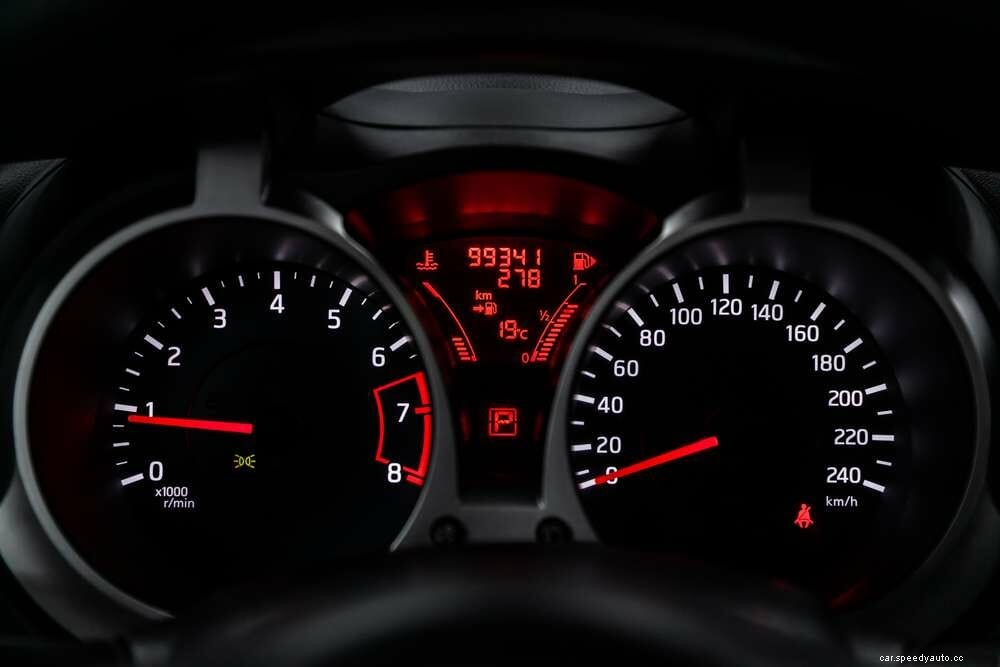
The input speed sensor basically ensures that what shows up on our speedometer is accurate by measuring how quickly each wheel is spinning then comparing this number with the number of engine revs per minute (RPM). If there’s a difference between the two, your ECU recalibrates itself in order to bring both numbers closer together.
The output speed sensor monitors changes in engine RPM before sending this information to the transmission controller so it can adjust gear selection accordingly. For instance, if you’re driving at 40 mph with your foot on the brake then suddenly decide to accelerate, revs would drop momentarily while wheels pick up speed and the vehicle starts moving faster.
Output speed sensor picks this momentary decrease of RPM along with the increase of wheel speed. It sends this information to ECU or TCM which adjusts gears so that there’s no lag between throttle position and power being sent to wheels. This is especially useful for drivers who like to take off fast from a standing start.
Input and output speed sensors work together to ensure that vehicle’s speedometer is both accurate and reliable. As we’ve already mentioned, the two signals can get easily offset from each other which leads to incorrect readings on our speedometer.
If you’re experiencing any problems with your car’s speedometer, chances are your sensor or wiring harness needs repair or replacement. Repairing them generally costs much less than replacing the entire assembly so it’s definitely worth looking into if you’re not comfortable tackling this yourself.
Before buying an input or output sensor for your vehicle, make sure there isn’t anything else wrong with your ABS system as this controls them as well as monitors their working condition. You can always use the input and output speed sensor checker to determine where exactly the problem lies.
A faulty speed sensor can prevent a vehicle from shifting. This is important because the speedometer has to be calibrated in order for the transmission ECU to know when and how much to shift, so a faulty speed sensor could cause a discrepancy between what the computers are reading and what is going on mechanically.
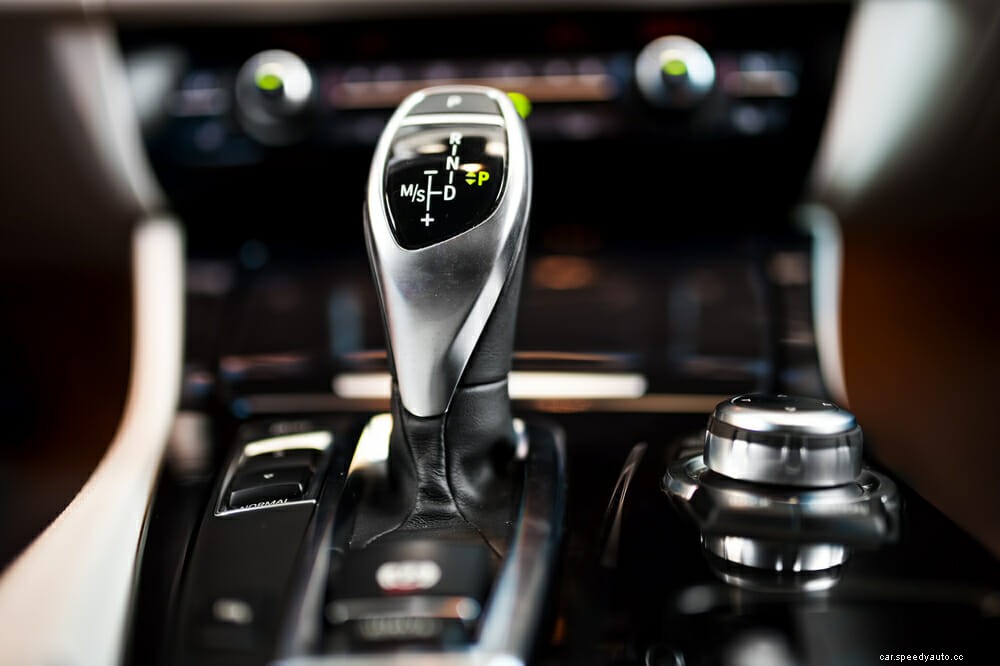
The symptoms will appear as an inability to select gears, or moving at one gear but not another when you switch up/down.
In some cases, it’s possible that your car thinks it’s in neutral even when it’s in gear, which may lead the driver to believe their car is experiencing something different from what mechanics observe during an inspection.
The following are the five most common symptoms of a bad speed sensor:
As we mentioned earlier, one of the most common signs of a bad speed sensor is an erratic or inaccurate speedometer reading. If your speedometer is constantly jumping up and down, or if it’s not reading the correct speed, there’s a good chance that your speed sensor is bad.
If you notice that your car is hesitating when you try to accelerate, it could be due to a faulty speed sensor. This symptom can also be caused by a number of other problems, so it’s important to have your car checked out by a mechanic.
If you’re having trouble passing other cars on the highway, it could be because your speed sensor is bad. When the sensor isn’t functioning properly, the ECU will not be able to calculate how much fuel to inject into the cylinders. This will result in a loss of power and you’ll be unable to pass other cars.
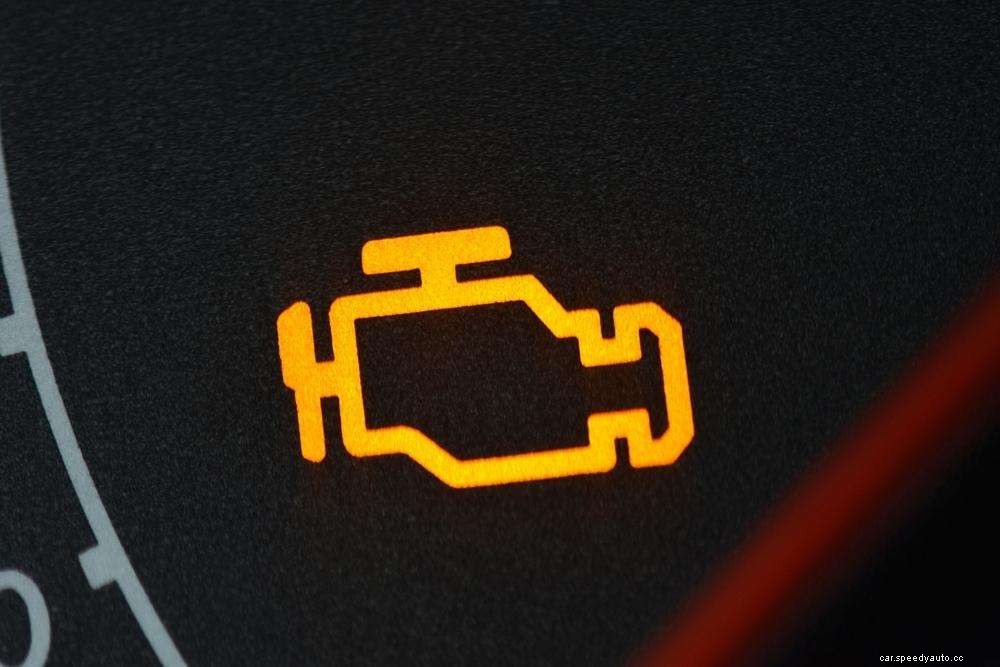
If your check engine light is on, it could mean that there’s a problem with your speed sensor. The best way to find out is to take your car to a mechanic for a diagnostic test. Most mechanics will be able to determine if a faulty speed sensor is the cause of your engine light issues.
If you notice that your car slows down when it’s idling, there may be a problem with one or more of the sensors in your vehicle. The best way to find out what the issue is would be to take it to a mechanic for a diagnostic test.
If you’re experiencing any of these symptoms, it’s important to have your car checked out by a mechanic as soon as possible. A bad speed sensor can cause all sorts of problems with your vehicle, so it’s best to get it fixed right away.
If you’re having trouble with your speed sensor, there are a few things that you can do to troubleshoot the problem. The following are some tips for troubleshooting a bad speed sensor:
One of the most common causes of problems with a speed sensor is faulty wiring. If you think that your speed sensor may be bad, it’s important to check the wiring first. You can do this by checking the connections at the sensor and making sure that they are all secure.
Dirt and debris can sometimes get caught up in the sensors, which can cause them to malfunction. If you think that this may be causing your problems, try cleaning the sensor with a brush or compressed air.
If you’ve tried everything and nothing is working, it may be time to replace your speed sensor. Replacing the sensor yourself will require a few basic hand tools and about an hour of work.
You’ll need to remove some parts from under the vehicle in order to gain access to the old sensor, but once you do that, removing and replacing the new one should not present any problems at all.
If none of these tips works for you, then it’s probably best just have a mechanic take care of your problem right away! The last thing that you want is to let this issue go on too long because there are many potential consequences associated with having an inaccurate speedometer reading or faulty acceleration issues.
There are a few different things that can cause your speed sensor to malfunction. The most common causes include:
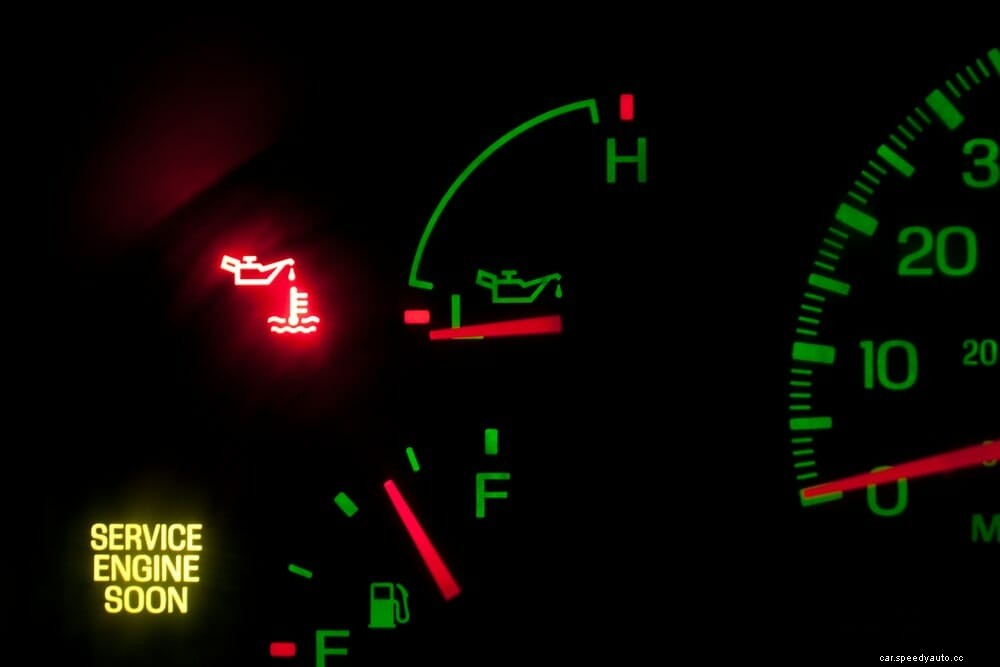
There are a few other things that can cause your car to have erratic speeds. Some of these include:
If you’ve tried troubleshooting the sensor and nothing has worked, it’s probably time for a replacement. In most cases, you will be able to do this yourself by using a few simple hand tools. It should only take about an hour to complete the replacement.
What Are The Potential Consequences Of Not Having A Functional Speed Sensor? There are several potential consequences of not having a functional speed sensor in your car. These include:
Take a look under your car and check in front of the transmission where the driveshaft comes out from underneath (in some cars there will also be a sensor located here). If there is a single black wire leading into the metal tube, then you have an inductive type sensor. If there are two wires – one black and one white – then you have a magnetic type sensor.
In most cases, you can clean your speed sensor yourself by using a brush or compressed air. Be sure to take care when cleaning the sensor as it’s easy to damage it if you’re not careful!
In order to replace your speed sensor, you will need a few basic hand tools including:
The cost to replace a speed sensor will vary depending on the make and model of your car. However, in most cases, it should not exceed $100.00.
Vehicles that require a speed sensor replacement vary with the mileage it has been used, but you should check this part when your car is experiencing issues related to not being able to shift gears.
The average for most modern vehicles is somewhere between 100K and 150K miles. It’s important to remember though, that better quality parts can often be relied upon for significantly longer than others, so if you happen to have a vehicle with a great set of OEM sensors, they might last longer than expected.
If you’re experiencing any of the symptoms of a bad speed sensor, it’s important to have your car checked out by a mechanic as soon as possible. A bad speed sensor can cause all sorts of problems with your vehicle, so it’s best to get it fixed right away. Speed sensors are an important part of your car and should be kept in good condition at all times!
In conclusion, here are five symptoms of a bad speed sensor:
