
When the check engine light is illuminated, obviously there is something wrong with the engine. But there is no way to instantly find out what is wrong with the engine. The first thing that comes to mind is to panic and take the car to a mechanic immediately.
But is it necessary? Maybe you can ignore the check engine light for a while. How long can you drive with the check engine light on?
To put it simply, the check engine light illuminates when the OnBoard Diagnostics or the OBD of the car’s computer has detected something wrong with the engine.
The Engine Control Unit which is also known as the ECU monitors the components of the car, and it does detect problems if there are any. When a problem is detected by the ECU, it lets the driver know through the check engine light.
Check engine lights were invented so that drivers know when something is wrong, and decide their next move accordingly. It also assisted mechanics a lot to find out the root of the problem. Today, without even going to the mechanics, a user can interpret what the check engine light means.
Depending on the severity of the issue, the light will illuminate in two patterns. If the problem is minor, the light will stay on. If there is a major problem with the engine you will notice the check engine light blinking.
If the light is not blinking, there is not a lot to worry about. You rarely end up with a hefty bill when your check engine light illuminates. Usually, they are minor issues and can be fixed quickly. But this doesn’t mean you should ignore the light.
It definitely means that something is wrong, and you should get it fixed at the earliest opportunity.
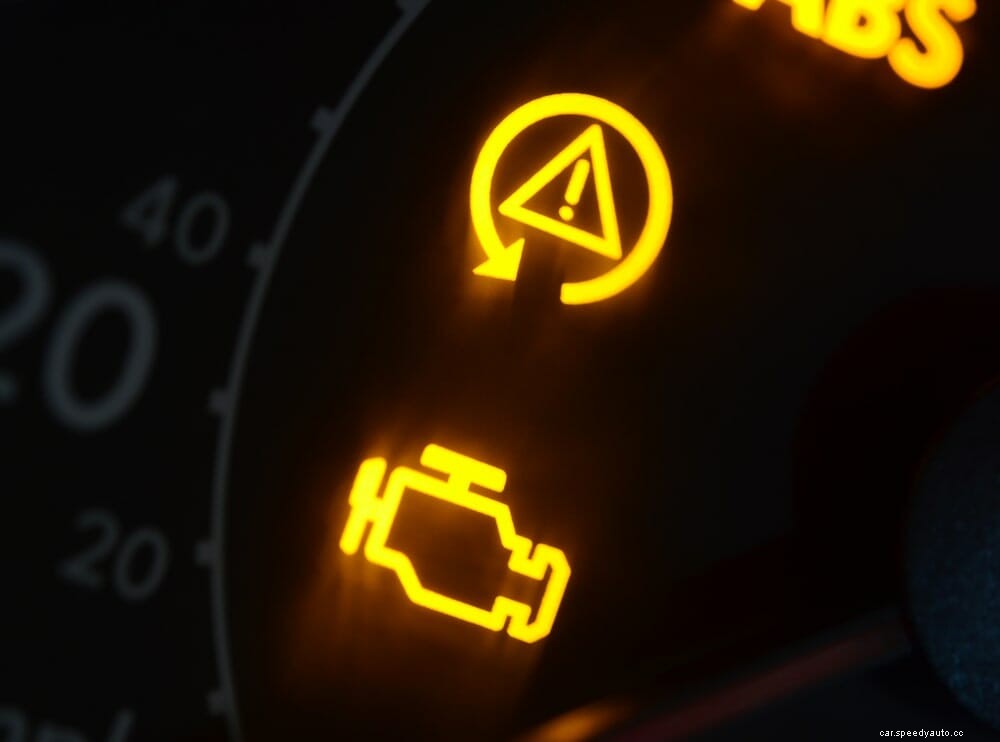
There are a bunch of possible reasons why your check engine light could illuminate. If it is illuminated, there is certainly something wrong with your engine.
Generally, it lights up when there is something wrong with the emission system. Here are a few of the most common issues that cause the check engine light to illuminate.
This is one of the most common causes that illuminates the check engine light. The cap is an important part of the fuel delivery system. At first glance, it keeps your gasoline from spilling all over the road. But it also keeps the fumes inside and maintains the pressure inside the gas tank.
Without adequate pressure in the tank, the whole system will go sideways. This is a common mistake that a lot of people make. Either forgetting to put the pack on after refilling or not tightening it enough will result in this problem.
The O2 Sensor keeps track of the amount of unburnt oxygen in the exhaust system. It takes the data that it collects and sends it to the onboard computer. The computer uses this data to regulate the mixture of air and fuel.
The engine will keep on working even if the O2 sensor fails. But without the data, it cannot regulate the mixture of fuel and air appropriately. Thus the fuel efficiency will decrease. If the problem lingers for a long time, it will damage components like spark plugs and the catalytic converter.
The catalytic converter is attached to the exhaust system of the vehicle. It converts the carbon monoxide to emissions to carbon dioxide. It is not an advanced part, so it can easily be repaired.
The electric coils produce the electric current that is used by the spark plugs to generate the spark that burns the fuel and air mixture in the combustion chamber. In older vehicles, there would be only one coil. In modern vehicles, each cylinder has a separate coil.
This means a V8 would have 8 separate coils. When one of these does not function, that will cause the check engine light to illuminate. If either the coils or spark plugs fail, it causes the engine to misfire. This will decrease the fuel economy. But in the long run, it can damage the engine.
Spark plug wires transfer the electricity from the electric coil to the spark plug. For the spark plugs and electric coils to function, the spark plug wires should work properly. When one or more of these wires fail, it will cause a series of problems in your car.
Vacuum leaks are certainly an issue to worry about. The vacuum system has a lot of functions. One of the main functions is to reduce the emission of harmful gasses.
If there are vacuum leaks in your engine, you will notice fluctuating RPMs. Rough idling is another symptom. Vacuum hoses are subjected to varying temperatures both hot and cold. With time the hoses wear out and crack. This causes vacuum leaks.
The exhaust gas recirculation system reduces the amount of nitrogen oxide produced by the engine to increase the efficiency of the engine. The circulation warms up the fuel, so the combustion process is more efficient.
Due to the impurities in the engine, the valve is occasionally subjected to clogging.
The battery is just important as the fuel to keep your car running. Without a functioning battery, the engine won’t start and most of the electrical components inside the car won’t function. Identifying the battery is the cause for the check engine light is easy. Often the battery warning light will also light up if the battery is about to die.
These are some of the common issues that cause the check engine light to illuminate. We cannot cover every single reason why your check engine light might illuminate, but since these are the common suspects you can double-check them before going to a professional.
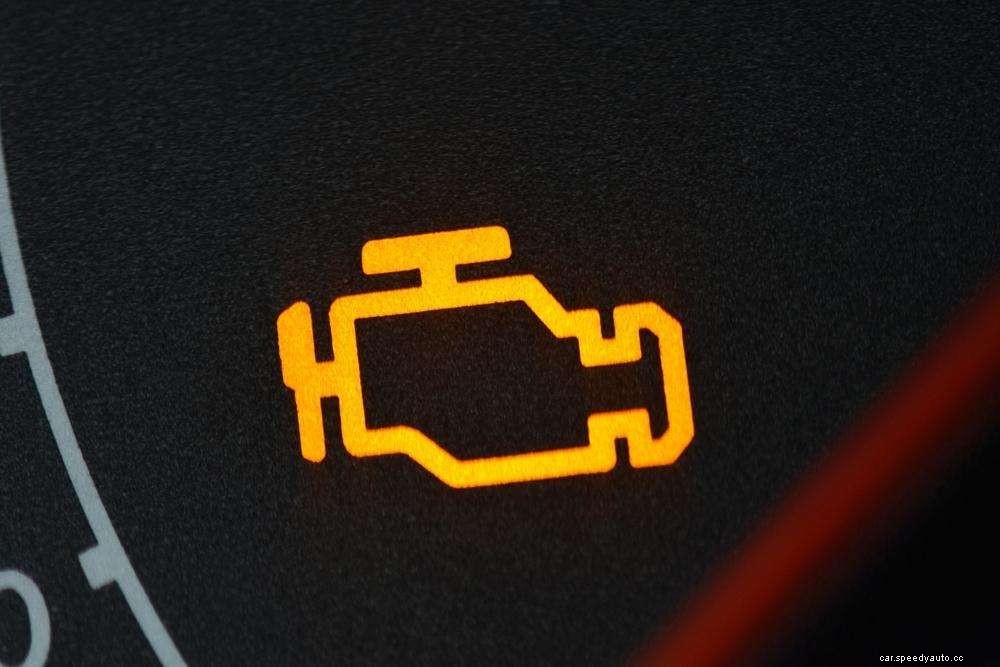
Continuing to drive when there is something wrong with your engine is not a good idea. But the check engine light illuminates for some small problems too. Panicking due to the check engine light is not always necessary.
How long you can drive when your check engine light is on depends on how the light is illuminated. As mentioned earlier the light could either blink or not. You have to react to the situation depending on how it is lit.
If the light is illuminated and not blinking it is a relief. This means failure is imminent but not immediate. You can still drive for a while without worrying about it. As long as you are not noticing anything unusual you can keep driving. You should be able to safely drive for about 50 to 100 miles.
When the light is solid there is not a lot to worry about. If necessary you can drive hundreds of miles without running into a problem. But there is a reason why it is suggested to take a look at it as soon as possible.
Even though you might not run into trouble even after driving for a few hundred miles, it could slowly deteriorate your engine. It will reduce the life span of the engine or lead to major damage. You should try to get the check engine light consulted before you drive more than 100 miles.
On the other hand, if you notice that there is something abnormal with your car you should rush the check-up. Look for unusual sounds or abnormal vibrations. Anything out of the ordinary means that you should be careful.
If you notice the check engine light blinking it means that your car is on life support. Usually, the check engine light blinking would indicate misfires. There is a good chance that misfires are occurring in many cylinders.
So can you keep on driving when the check engine light is blinking? You should pull over as soon as possible. You can drive the car continuously but the results are going to be bad. Misfires can seriously damage your engine.
Even short distances could cause the catalytic converter to break. A catalytic converter costs $600 or more to replace, so the risk is not worth it. If you damage your engine, you could end up spending thousands of dollars.
Some cars are designed to go into ‘limp-home mode’ when something causes the check engine light to blink. This reduces the performance of the car to protect the engine as much as possible. This would probably cause your car to shake vigorously.
So how long can you drive if your check engine light is blinking? You cannot drive at all. For your safety as well as the safety of your car, you should consider pulling over as soon as possible.
If the light is solid, you may drive the car without facing any safety hazards. Usually, it doesn’t mean you are in any immediate danger. But that doesn’t mean you shouldn’t care about it. You should constantly be aware and assess any changes that are happening.
Apart from the check engine light, there are other lights that act as indicators. If your check engine light is on, regularly take a peek at the low oil pressure indicator and engine overheating alert. There is a possibility of any of these issues arising.
If you notice any of these other lights illuminated, you should pull over investigate the issue.
When you know that there is something wrong with the engine, try to ease the pressure off it as much as possible. Drive slowly, and do not accelerate rapidly. Try not to drive with heavy loads. All these actions put extra pressure on the engine. When the engine is already hurting, do not aggravate it.
This is a more common mistake than you think. If your check engine light illuminates right after you refuel, this is probably the issue. Check for the fuel cap on top of your hood. If you lost it you might have to replace it with a new one.
If you suspect that your engine is misfiring, it is not safe to drive. If the engine constantly misfires it could damage your engine permanently.
But if you do not want to pay for a tow truck, you could carefully drive it to the mechanic. Ease off the gas and drive your car slowly. Sometimes you might notice smoke from the front of the car, if this happens you should stop right away.
If you are careful, you should be able to manage to slowly drift into a professional’s hand.
Dealing with a check engine light could be tricky. It could be some small issue or something major. Even repair costs drastically differ. So if you are analyzing your options to deal with the check engine light, you got a few.
You can try turning your car on and off. Restarting the engine might solve the check engine light issue if it is caused by an error or any other minor issue. If not you can reset the light. If it lights up again you should seriously consider taking a trip to the mechanic. There is a chance that it will not light up again.
You can use an OBD 2 scanner to reset the light. There are scanners as cheap as $25. Or if you want something more advanced, you could opt for a Bluetooth device. This provides the same use as any other scanner, but you can connect your phone to it. This will make extracting information easier.
In some cars restarting the car three times in a row resets the check engine light.
If you want to analyze the reason for the check engine light yourself, you can buy an OBD 2 scanner and run a diagnostics test yourself.
Unless you are familiar with using analog OBD 2 scanners, the best option is to buy a modern OBD 2 scanner that connects to your android or iOS device. This way you should be able to accurately analyze the reason for the check engine light.
Though this is not advisable it does work. If you are someone who constantly drives through city streets and rarely sees highways, this could work. Driving through city streets makes the engine work harder than usual. Therefore the emissions are also going to be higher. This causes the filters to clog.
There is a slim chance that if you take your car on a long drive, preferably through a highway, the filters will clean themselves. Thus it would solve the issue with the check engine light.
This is the easiest way to solve the problem. If you take your car to a mechanic, he will run scan your car and find the potential issue. That way he can fix your car. This is the easiest and the costliest method. Running the scan alone could cost as much as $90. Depending on the problem, you would have to pay more for the repairs.
Rather than focusing on any one of these solutions, the best way to deal with the check engine light is to try everything. Try restarting your car, hopefully, that would solve the issue. If this doesn’t work try taking it for a drive. If you are lucky the problem will find its own solution before you hit the 50-mile mark.
If the check engine light still prevails, buy an OBD 2 scanner and find out the problem. A new module that connects to your mobile via Bluetooth is the best option. Once you find the problem with your engine, you can decide whether you take it to the garage.
By scanning your car yourself you will avoid getting ripped off. Once you know the problem, you can find out how much it is going to cost for the repair. You do not want to pay $50 for the mechanic to tighten or replace the fuel cap.
Here are a few commonly asked questions regarding the distance you can drive with the check engine light on.
The easiest way would be to use an OBD 2 scanner tool. You should be able to purchase it at any auto parts store. It can be used to retrieve trouble codes, clear them or switch off the check engine light.
By diagnosing the problem using a scanner tool, you can take steps towards solving the issue that caused the check engine light to illuminate.
If the light switched out without you interfering does that mean that the problem solved itself? Yes, at least temporarily. The problem might no longer exist but the trouble code will be stored. So if you do use an OBD 2 scanner tool in the future you can retrieve the trouble codes. But the problem might arise again in the near future.
Generally, you won’t run into any trouble if you drive with the check engine light on. But if the light is flashing, your engine might be misfiring. Continuing to drive with misfires will damage your catalytic converter or worse, the engine.
Usually, the charge is between $80 and $90. After the diagnosis, you should be able to get a quotation on the repair costs.
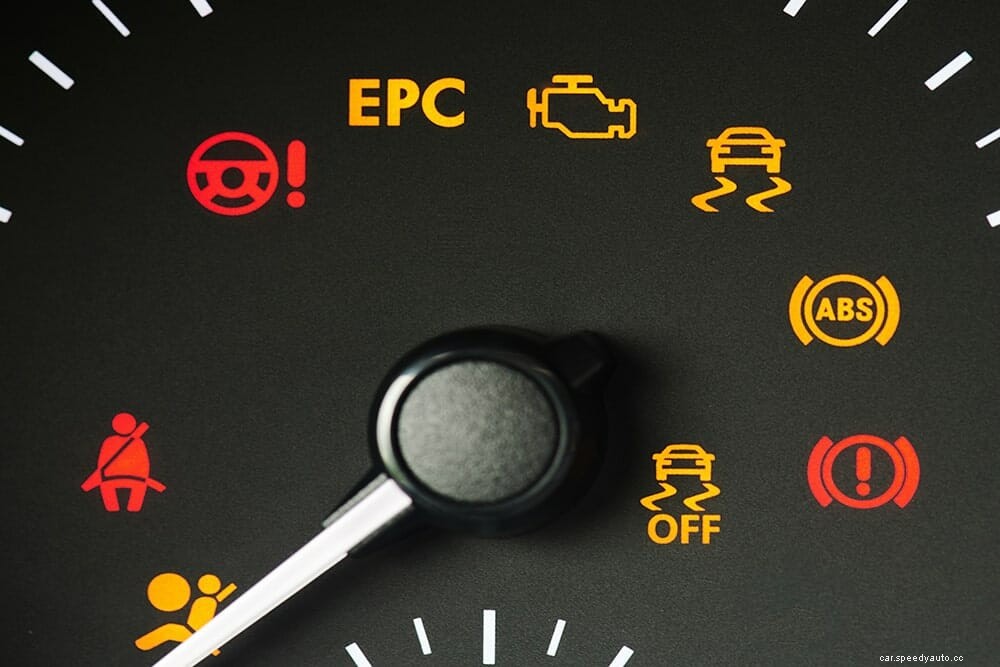
There are a lot of warning lights that come on when necessary. Some of the most important are oil pressure warning light, tire pressure warning light, engine temperature warning light, traction control warning light, anti-lock braking system warning light, battery alert, seat belt reminder, fuel indicator, airbag indicator, washer fluid indicator, etc…
The exact number of warning lights varies with the types of cars. But usually, there are around 15 warning lights in the dash.
There are plenty of OBD 2 scanners that are worth the price in the market. For a new user, it is recommended to use a Bluetooth OBD 2 scanner. They give detailed information on the problem and can be operated through your smartphone.
One of the best Bluetooth OBD 2 scanners is the BlueDriver Bluetooth Pro OBDII Scan Tool. It costs around $120. But there are scanner tools as cheap as $20.
In some cars, the color starts with yellow. And if there is a major problem, instead of blinking it will turn red.
The distance you can travel with the check engine light depends on a lot of factors.
If it is solid, you should be able to drive from 50 to 100 miles without a lot of problems. But keep an eye out for anything unusual. If any other warning light illuminates, inspect and take action immediately. Keep your ears cocked for any unusual noises.
If you sense something is wrong with your car, deal with it immediately. If the light is flashing, you shouldn’t drive your car a lot. If it is a short drive to mechanics, you can drive with caution. If not you should consider calling a tow truck.
Ultimately, the check engine light indicates that something is wrong. Though the repercussions might not be immediate eventually something bad will happen. Even if you do decide to drive with the light on for a while, you shouldn’t ignore it or forget it. Get it checked at your earliest convenience.
