
If you ever find yourself driving with a loose caliper, it is important to know the symptoms of this problem. A loose caliper can cause vibrations when braking and an abnormal noise from the front end of your car.
It is also common for drivers to feel a pulsation in their brake pedal while they are applying pressure. These are all signs that something might be wrong with your brakes. If these symptoms sound familiar, take your vehicle to a mechanic as soon as possible!
A car caliper is a part of the brake system located on each wheel. The main function of this component is to slow down and stop your vehicle when you press either the brake pedal or apply pressure with your foot by depressing the brake pedal through its hydraulic cylinder.
Your brakes will not be able to do their job if they are cracked, loose, filled with particles, corroded, or have any other sort of damage done to them which can cause leaks in hoses. This piece that we commonly refer to as a “brake fluid” has actually evolved over time into something new entirely – disc brakes!
Brakes used to feature drum systems but now; most modern cars come equipped with discs all around because they dissipate heat better and last longer.
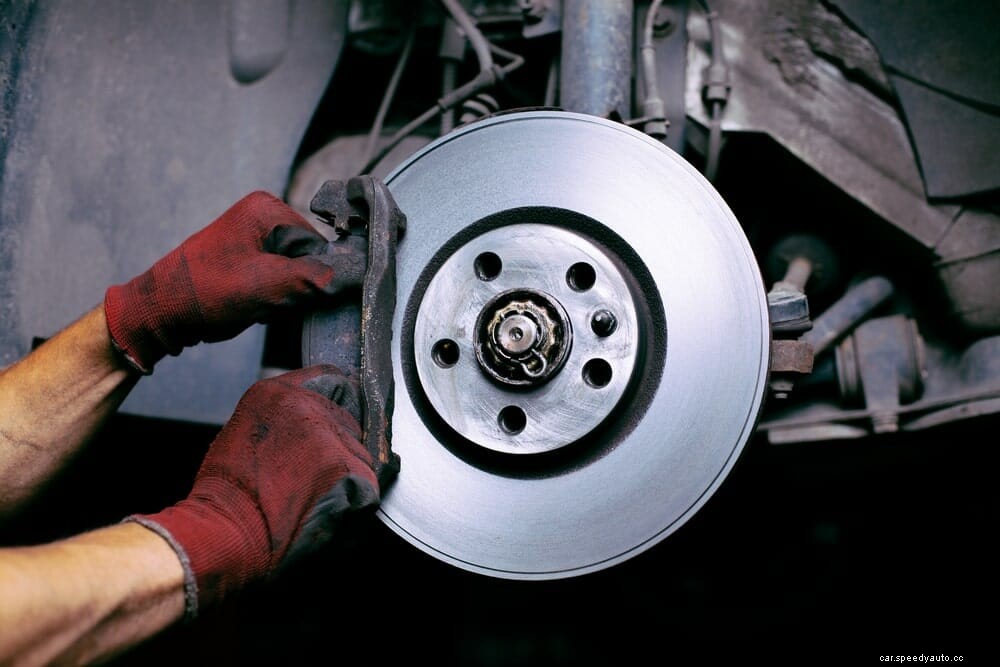
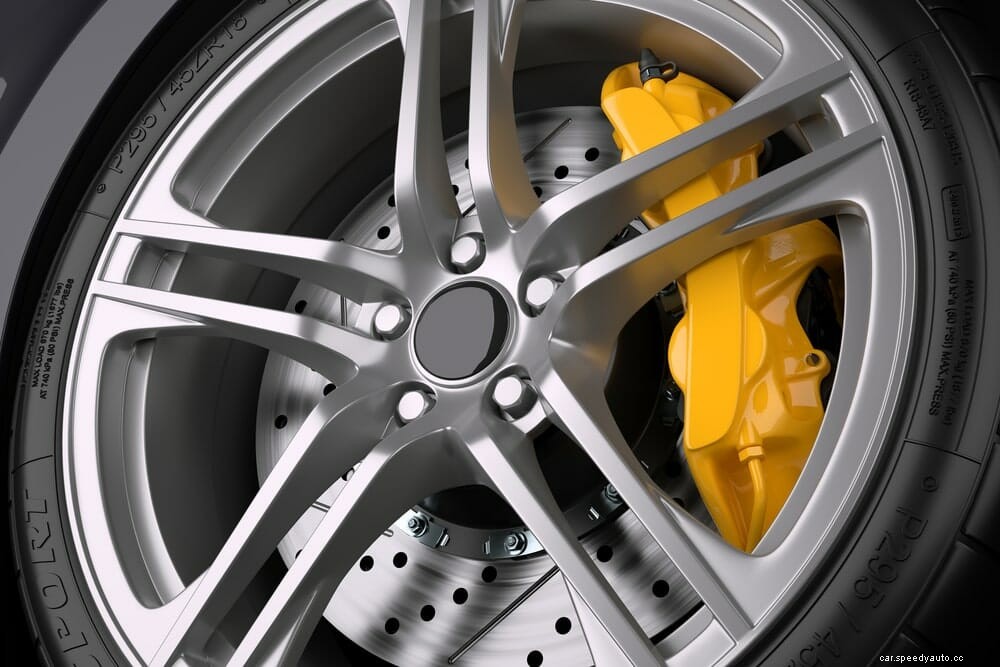
The caliper is bolted onto a rotor which spins with the wheel. The brake pads squeeze against each other when the brake pedal is depressed, causing friction that slows down or stops the car.
This process creates a great deal of heat so it’s important for your brakes to be able to dissipate that heat quickly. Newer cars have cooling fins on the rotors that help keep them cool and minimize brake fade (the stopping power of brakes decreases as they heat up).
A car caliper is part of the braking system that presses against a disc or drum attached to the wheel. It squeezes this rotating plate onto another plate, called a brake pad, which is connected to an axle.
When you step on the brakes in your vehicle, it triggers a plunger in the master cylinder to pressurize brake fluid.
The master cylinder sends pressure down the line toward each caliper where it pushes its piston back into the brake pads inside each wheel’s “caliper” (the U-shaped housing around your brake pads).
This makes all four corners’ brakes work at once when you hit your brakes in your car causing friction that slows down your car’s rotation and eventually it to a stop. You might hear a slight screech as the brake pads rub against the rotor (the round part of your wheel).
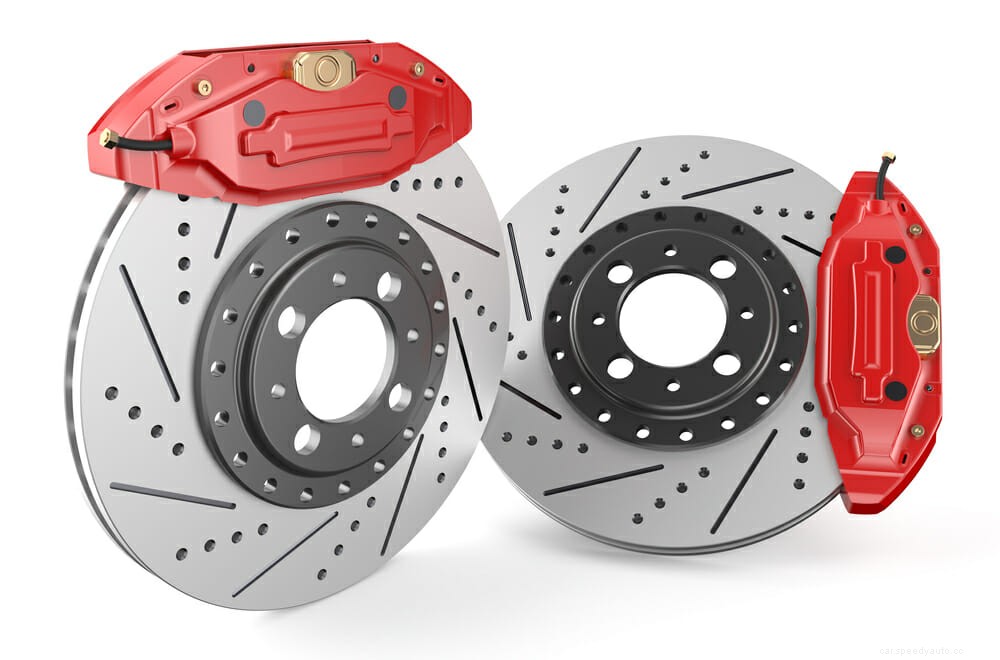
Cars and trucks have four-wheel disc brakes while most motorcycles only have two. On both four-wheel disc brakes and two-wheel disc brakes, hydraulic pressure activates pistons inside calipers to make brake pads clamp down on the rotors.
Motorcycles also use this same basic system even though they lack some parts like anti-lock brake sensors. This is why you’ll see some motorcycles with fewer pistons in each caliper than cars do – having fewer pistons makes for lighter bikes that are easier to handle.
A loose caliper is a caliper that has been shaken out of place or come undone from its mountings on one side – usually due to an accident!
One common reason for having this problem pop up is if you have had any work done on your vehicle including front-end collisions and wheel alignment (the mechanic will often lift these components off their mounts during these types of jobs).
A car with a damaged suspension system may also experience problems with the brakes as they can not be adjusted properly after such damage has occurred.
If there’s so much damage that it affects systems that control the alignment and suspension of your car, this will be a risk for having loose calipers which could cause you to lose traction in wet weather or experience difficulty braking during an emergency.
This problem can also occur as a result of general wear and tear over time. It’s common for older vehicles that have been driven extensively to develop problems with their brakes – especially if they are not maintained properly!
There can be a few reasons why your calipers become loose. A common one is that the brake pads have worn down to the point where they no longer make contact with the rotor – this can cause the caliper itself to move around and eventually come loose.
Another reason could be rust or corrosion buildup on the bolts that hold the caliper in place; if there’s too much build-up, it can prevent the bolt from tightening properly and lead to a loose caliper.
If you’re not sure what’s causing your brakes to act uptake them in for an inspection! It’s always better to err on the side of caution when it comes to car safety. Driving without functioning brakes is never a good idea!’
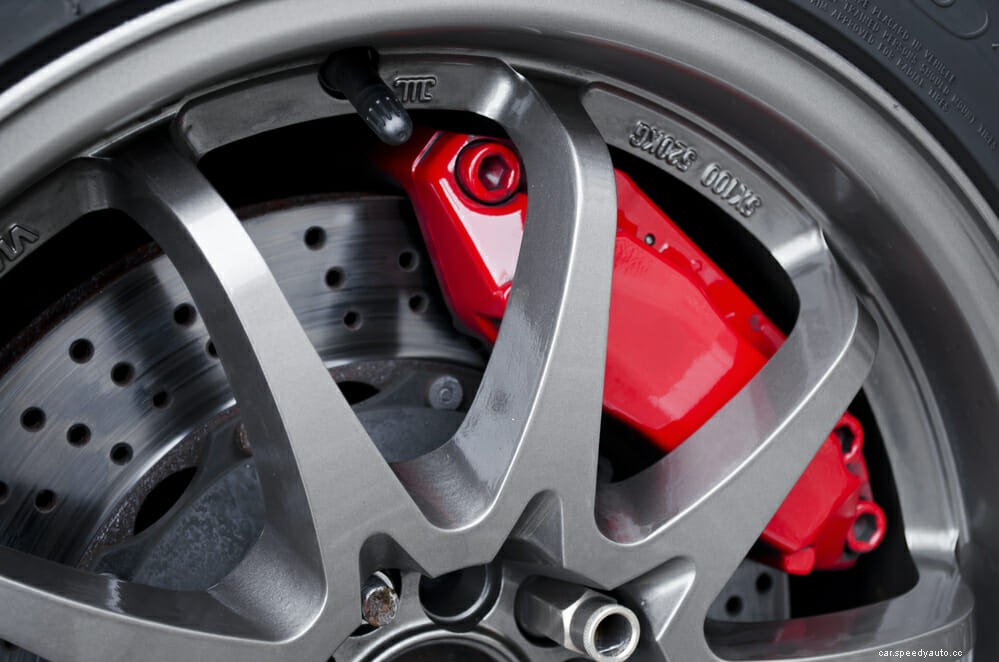
If you have a loose caliper, there are some symptoms that you’ll likely experience. One of the most common is vibration or shaking when braking.
This means that the brake pads and rotor are not in sync and can cause excessive wear on both components. You may also hear grinding noise when braking, which is indicative of metal-on-metal contact (this noise will become louder as the pad wears down).
Another symptom is poor stopping power; if your car takes longer to stop than normal or feels “draggy”, it’s likely that you have a problem with your brakes.
If any of these symptoms sound familiar, please take your car in for repair right away! Driving with a loose caliper can be extremely dangerous as it can affect your ability to stop in an emergency and make driving difficult.
If you’ve found yourself driving with a loose caliper and are wondering if it’ll cause any problems, the answer is yes! Driving with one side of your brakes not working properly can be extremely dangerous – especially during wet weather or when on fast-moving highways.
In fact, if your car has vibration while braking or makes grinding noises upon application, this could indicate that the pads have worn down due to overuse caused by having only half of the brake system at work. If you don’t feel comfortable using just part of your brakes (and why would you!), take them in for repair as soon as possible!
This is a common question that many drivers have. Unfortunately, the answer isn’t cut-and-dry; it depends on how bad your brakes actually are and in what condition they’re in. However, you’ll want to make sure not to drive too far with this issue as serious damage can occur!
If you hear excessive grinding noises or notice that stopping distances seem longer than usual: pull over right away and check for any problems like obnoxious brake pad wear or a bent rotor (common signs of loose calipers).
If there’s no visible damage but something still seems off about braking power – take your car to the mechanic immediately so that proper repairs can be done before anything gets worse!
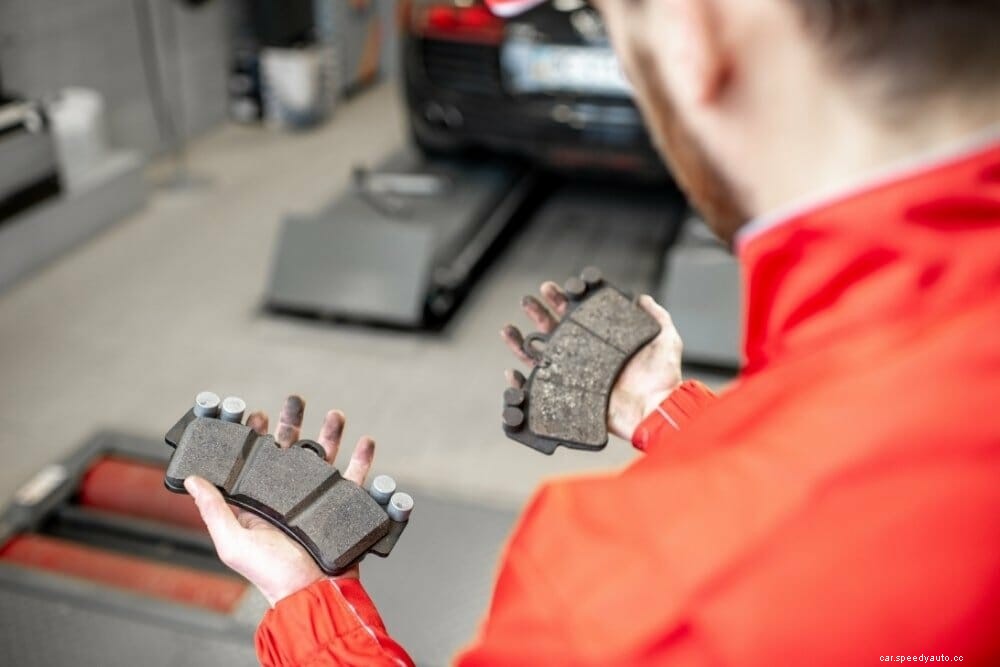
If you find yourself driving with looser than normal calipers on one side, there are several things that should be done right away: The first thing is to take note of how severe the issue seems to be when pressing down on both brake pedals.
If it feels like the car is dragging to one side, this is an indication that the loose caliper is significantly affecting your braking power.
If you are comfortable doing so, try to tighten the bolts on the caliper using a wrench or socket set – but be extremely careful not to strip them! If they cannot be tightened by hand and more force than what’s safe appears necessary; take your car to a mechanic as soon as possible for repair.
It’s also important to have regular maintenance done on your brakes including checking fluid levels, brake pads, and rotors for wear-and-tear. Doing these things can help prevent any problems with loose calipers from arising in the future!
As we know now, there’s plenty of reason to get your brakes looked at regularly. But how can you prevent problems like this from occurring in the first place?
One of the best ways to ensure that loose calipers don’t happen is by having a professional mechanic check up on them for wear and tear as part of routine maintenance.
A quality mechanic will be able to tell if there are any issues with your brake system and recommend repairs or replacements before they become severe enough to cause damage and pose danger!
Another thing you can do is have regular inspections done; driving safely requires paying attention, but it’s also important to take note of what kind of condition your car is in so that safety risks (like a bad wheel bearing) aren’t missed during those trips home from work.
You should have all your supplies ready ahead of time so that nothing gets in the way when you need them. This includes an assortment of sockets, ratchets, wrenches, and penetrating oil. The kind of brake fluid that your car needs should be available at any auto shop.
Before you begin replacing the caliper, you need to release the brake pressure so that it doesn’t lock up on you when you remove it or put the new one on.
There are two ways to go about this step: for cars with rear drum brakes, place a block of wood under one of the tires, use a wrench to loosen the bolts attaching the shoe to its holder, and push down on the brake lever attached between two wheels.
Alternatively, if your car has disc brakes in front (most cars do), find its fuse box and switch off the “Brake Locks” button inside. This will prevent them from locking up.
Next, use a wrench to remove the caliper mounting bolts. Take special care not to drop any tools on or near them because you’ll have a harder time getting to them when they fall in between the brake lines and your wheels.
Try using WD40-it will make loosening them easier if done ahead of time. If you do drop something down there, try using a long magnetic tool where it fell through; using gloves is also helpful in this instance. Be sure that they are completely loose before moving on to the next step.
Once all the bolts are off, slowly release the pressure by lifting the caliper and brake pads gently. Now it’s time to remove the old caliper by carefully sliding it off the rotor disc without pulling too hard on its support arm.
If you do pull too hard, you may damage the rubber brake line attached to it so be careful not to loosen or detach it from its seating.
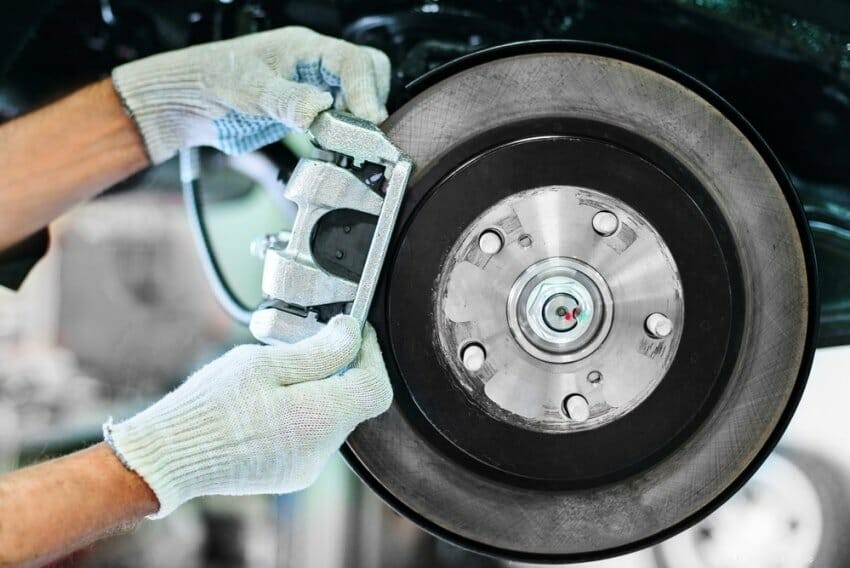
Now that the old calipers are out of your way, clean your rotor using a wire brush and some strong solvent like brake cleaner; you can also use WD40 if you don’t have any brake cleaner handy. Once they’re clean and dry, take a look at them.
If there is any unevenness or warping present, make sure to replace them as soon as possible because they can cause uneven braking.
You will now have to remove the old pads from their holders by inserting a screwdriver into its notch and gently prying them off; if they are too hard to pull off, use the penetrating oil again. Now place your new pads into position, line up their notches with those on the shoe holder and push down until it clicks into place.
If you are having problems understanding this process or don’t feel safe doing it yourself, take your car to an auto shop where they can do it for you.
Now that your rotor and new pads are in place, position the new caliper on top of them and make sure that its rubber seal is clean; it should line up with the metal brake line running to it. Use a wrench to tighten the bolts holding them in place until they won’t go any further.
Once the caliper is secure, reattach your brake line by pushing one end through its hole in the backing plate after lubricating it with penetrating oil. Push down on its other end until you can see where it attaches to your car’s frame rail before tightening these bolts as well; if they are too hard to pull the front rough, you may need to replace it.
Once the brake line is attached, have a friend press on the brake pedal while you tighten it further until they bottom out. Slowly release your friend’s foot from the pedal and add some more oil to each pad until it reaches its peak level.
Now you’re all finished! After filling up your tires with air and checking to make sure everything else is in place, get in your car and gently apply pressure to its brakes by pushing down slowly but firmly on the pedal; if there are any problems present, fix them immediately before driving.
In case you are stuck at any step, please refer a professional for help or visit a mechanic shop.
This depends on the car and what parts it uses. Some cars require you to change them more frequently than others because of how much stress they are put under during use; other vehicles aren’t as prone to needing replacements (if ever).
As a general rule, brake pads should be replaced at least once every 12 months or so. If there is any visible wear-and-tear on your brakes – don’t wait! Get into the shop right away for repairs before anything gets worse!
Calipers are located on the wheels of your car. Usually, one caliper is for both sides of a wheel; however, it’s possible to have single rotors (for just one side) and twin rotors (for both).
Fixed calipers are the most common type of braking system on modern cars, trucks, and SUVs. They consist of two components; a bracket (that bolts to the hub) and a brake pad (which presses against the rotor). The piston inside is what controls how much pressure can be applied to stop your car when you step down on the pedal.
Floating calipers are less common than fixed, but they still have a place in modern vehicles. They consist of two halves (instead of just one) and attach to the wheel by means of an arm that rotates around the center point between them; this allows for greater flexibility when you step on your brake pedal!
Most caliper covers are made from metal or another hard material like plastic that can withstand wear and tear from regular use. Some companies will make them out of materials with custom shapes as well!
If you experience any of the symptoms we discussed in this blog post, it’s time to have your brake system inspected! Don’t wait too long before coming into a shop; calipers and other parts can fail without warning if they’re not looked at regularly. If you do find yourself with one that is loose or leaking fluid – get it fixed right away by an auto repair center.
No, brake calipers don’t need to be replaced in pairs. However, it is a good idea to have them both looked at and repaired (or replaced) at the same time if one of them is found to be faulty. This will help ensure that your car can stop safely and efficiently!
You should have your brake system checked during regular maintenance and inspections. If you do find that something is wrong, like a caliper sticking out of place or damaged – get it inspected by an auto repair center ASAP!
Driving with this kind of problem can be dangerous because the brakes will not stop working correctly in case of an emergency.
Finally, keep track of any problems that might arise; for instance, if you notice a strange smell when you step on your pedal (like fluid burning), pay attention to what it could mean so that there’s no confusion later on.
It’ll also help everyone else who works at the shop know how far back they need to look into when doing an inspection too!
Driving with a loose caliper can be dangerous and should be avoided if possible. If you are experiencing any of the common symptoms, take your car to a mechanic for repair as soon as possible!
There are several things that can be done to prevent this problem from happening again in the future; including having routine maintenance and inspections done on your car. Stay safe out there!
