
The LS1 and LS6 engines can be found in some of the most iconic muscle cars which is why these V8s have been popular for decades. There’s a lot of confusion when it comes to when and why the two were made, and what are the main differences between them.
The short answer is simple: the LS6 is a high-output variation of the LS1 engine that delivers more horsepower and torque.
If you’re interested in reading about a more detailed answer, I’ll cover the production history, detail all the specs, and tell you what vehicles were equipped with the LS6 or LS1 engine.
To figure out the differences between the two engines, we have to start at the beginning. The third and fourth generations of GMs small-block V8 gas-powered engines were given the LS name to differentiate them from the earlier blocks.
The name stems from the RPO code of the LS1 engine and has been used for all small-block engines, even those that do not have LS in their RPO code.
The distinction between the 1st and 2nd generation was not only in name – the LS engines were completely redesigned and shared next to no parts with their predecessor.
Built with modularity in mind, these engines saw dozens of variations with different displacements, cylinder bore, piston strokes, compression, etc. However, many of the parts between 3rd and 4th generation can be used interchangeably, keeping the 2-decade-old engines well supplied with parts.
The third generation was manufactured from 1997 to 2007, while the production of the fourth generation started in 2005 and continues to this day.
What was highly controversial at the time, but turned out to be an unprecedented success was General Motor’s decision to go with the archaic pushrod motor rather than using a dual overhead camshaft (DOHC) as Ford did.
The cheap, reliable, and simple design has turned the LS engine into a legend, with a large cult following, aftermarket support, and even some racing application.
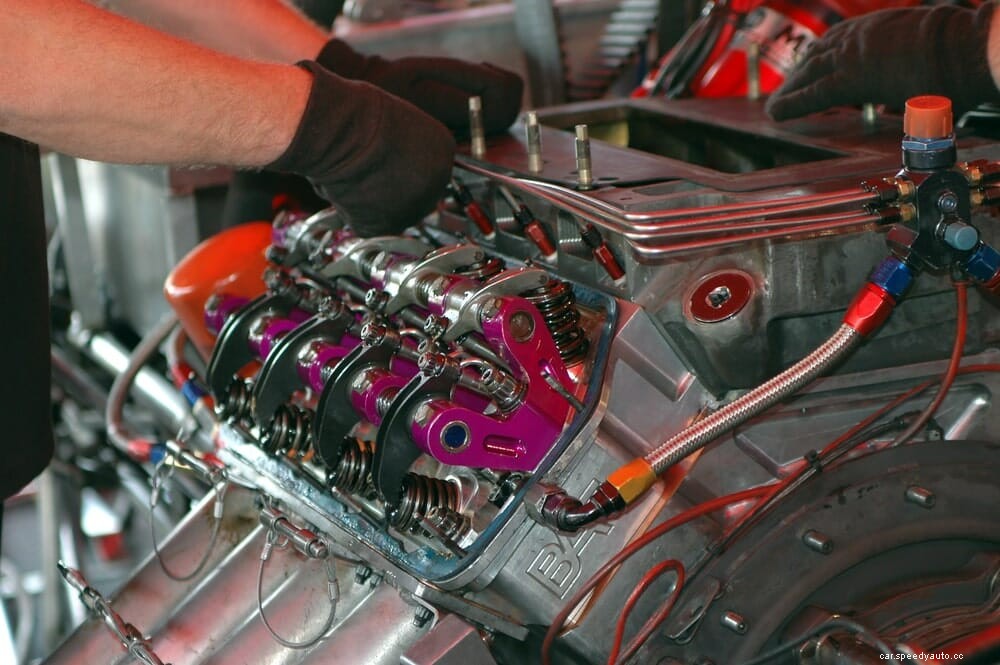
The LS1 marks the first LS-series engine ever made, with the first appearance in a 1997 Corvette. The all-aluminum pushrod engine was mounted low in the Corvette and delivered respectable power.
It was updated in 2001 with a better intake and exhaust manifold which increased power, with the Australian Holden continuing to upgrade it until its discontinuation in 2005.
The LS6 was not a replacement for the LS1 and was produced in parallel with it from 2001 to 2005, with additional two years of use in a limited-production car.
It was designed as a higher-output LS1 with higher compression and improvements to the main web strength, bay-to-bay breathing, a new intake manifold, and a high-flow MAF sensor among others. Its improved intake manifold was installed on the LS1 engines from 2001.
One of the ways you can differentiate between the LS1 and LS6 engines is to check what vehicles they were installed in.
The LS1 was installed in a series of American muscle cars but was also very popular in Australia. The following vehicles used this engine for the specified model years:
The LS6 was used for only two standard production cars:
It is erroneously assumed that the LS6 was installed in the SSC Ultimate Aero, a mid-engined sports car that set the Guinness world record for the fastest production car. The SSC Aero did use GM LS small-block engines, but they were 6.2L, 6.3L, and 6.9L models, not the 5.7 liter LS6.
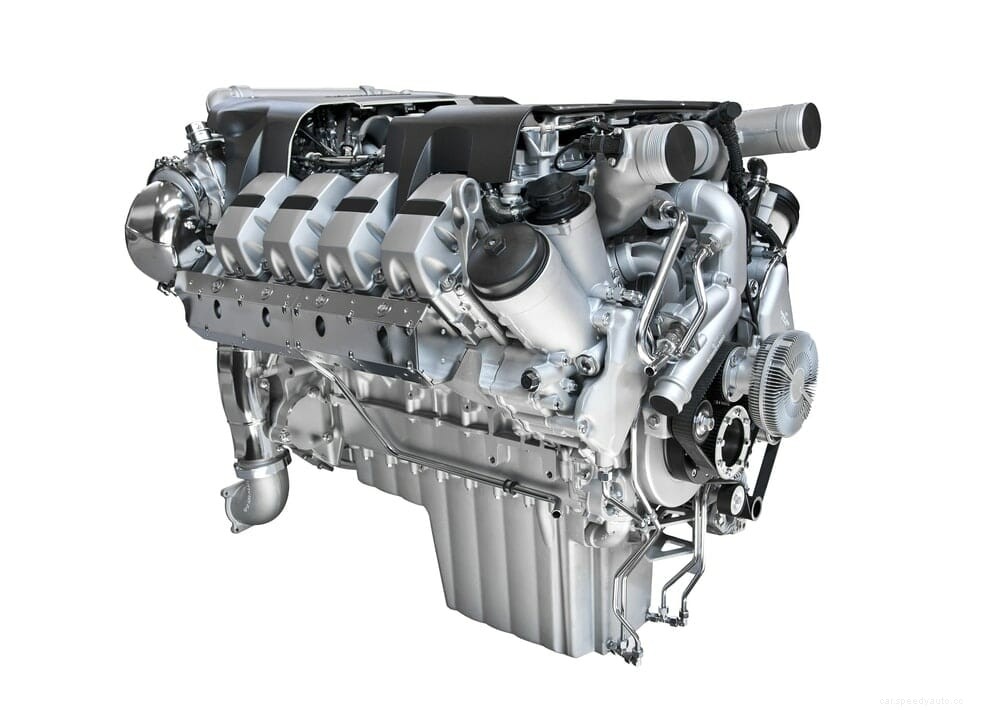
The most significant difference between the two engines is the power output. The LS1 equipped in the Corvette generates 345 horsepower and 350 foot-pounds of torque, slightly improved with the LS6s intake manifold. The LS1 in the Camaro and the Firebird was down powered to 305-325 horsepower.
The LS6 on the other hand delivers a minimum of 385 horsepower and up to 405 horsepower with factory improvements. The torque output is also increased, up to 400 foot-pounds.
From a mechanical standpoint, GM has changed the heads, manifolds, camshaft but also the block itself to allow for greater bay breathing. A more detailed breakdown can be found here.
| Engine | LS1 | LS6 |
| Aspiration | Natural | Natural |
| Compression Ratio | 10.2:1 | 10.5:1 |
| Horsepower | 305 hp – 350 hp | 385 hp – 405 hp |
| Torque | 335 ft-lbs – 365 ft-lbs | 385 ft-lbs – 400 ft-lbs |
| Intake Manifold Design | V-Shaped & Flat Bottom | Flat Bottom |
| Exhaust Port Shape | Oval-Shaped | D-Shaped |
| Intake Valve Material | Steel – Solid Stem | Steel – Hollow Stem |
| Exhaust Valve material | Steel – Solid Stem | Steel – Sodium Filled Stem |
When kept in the stock configuration and driven with some consideration, both the LS1 and the LS6 engines will last a very long time.
However, installing high-performance mods with the intent of increasing horsepower can significantly reduce the engine’s lifespan, especially if it’s pushed to the limit.
If you plan on doing a rebuild, you should know that the LS1 is cheaper and easier to rebuild than the LS6 because it kept the original block design.
The LS1 engine was manufactured in larger numbers than the LS6 which should mean that it’s cheaper to buy. The problem is that in 2022, the most recent LS1/LS6 engine is at least 17 years old, making it difficult to not only determine the accurate cost but also find options in the first place.
From what I could find on eBay, the LS1 ranges between $3,000 and $6,000, with engines directly pulled from cars being cheaper than rebuilds. Rebuilds that also include the transmission go as high as $8,000.
At the time of writings this article, I couldn’t find a single LS6 engine for sale so I cannot put an accurate estimate on its cost. I would expect it to be significantly more expensive than the LS1 because of the low supply and high demand.
Should you find a Corvette, Camaro, or a Pontiac with an LS1/LS6 in good condition there’s no good reason to change it. They may lack power by today’s standards, but that shouldn’t be an issue for 20-year-old muscle cars.
As far as rebuilds go, that really comes down to the costs. If rebuilding the LS1 or LS6 is going to be more expensive than swapping it with a more modern V8, you should at least consider it.
Nobody can deny that the LS1 and the LS6 engines are reliable and still very popular, but the bottom line is that they’re seriously outdated. They were the first of the 3rd generation which has been out of use for 15 years, not to mention that from a technological standpoint, they were outdated before they even came out.
This doesn’t really matter for a person that knows what to expect from these engines, but if you’re looking into buying an LS1/LS6 powered muscle car because of all the hype, the power output might disappoint you.
The LS6 has a maximum output of 405 horsepower and 400 foot-pounds of torque. At the lower end, the engine generates 385 horsepower and 385 ft-lbs of torque.
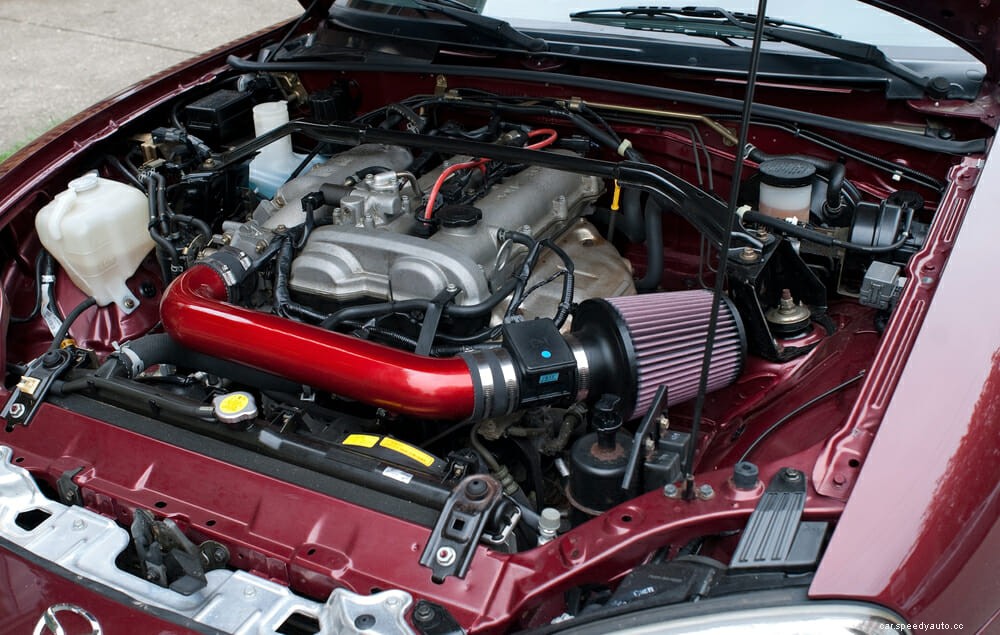
The LS1 produces less power than the LS6, with a maximum output of 350 horsepower and 365 ft-lbs of torque with the updated air intake manifold. The first model delivers slightly less, and there are two down-powered configurations with outputs of 305 hp and 325 hp.
The LS6 intake was fitted as standard on LS1 engines since 2001, so a retrofit on the older LS1 engines is entirely possible, but requires you to remove the factory EGR system.
The easiest way to check what engine is under the hood is to read the VIN code. If the eighth character of the code is the letter G, then it’s an LS1 engine while the letter S denotes the LS6 engines.
The LS6 can generate a lot of power, with some setups pushing 850 horsepower, but the main problem with performance upgrades is going to be reliability. The LS6 is an aluminum engine and cannot endure the same level of abuse as iron blocks.
The LS family of General Motors’ engines is small-block, from the smallest 4.8L V8 all the way to the massive 8.4-liter eight-cylinder. In reality, the big blocks as GM call them do not have a larger displacement – they range from 5.7 to 8.1 liters. The well-known modern big blocks are Vortec 7400 and 8100.
The LSX is used to mark General Motors’ aftermarket high-power LS engines. This should not be confused with LSx, where the x stands for one of many RPO variations, like the letter G for the LS1 or the letter S for the LS6.
Considering that most LS1 engines on the roads today have around 100,000 miles, I would say that 150,000 – 200,000 miles are the upper limit for the LS1 before it needs a rebuild or at the very least major service.
The differences between the LS1 and LS6 engines are more subtle than they appear. The power and torque difference weren’t significant even when these engines were brand new, but that’s especially the case now.
Age and mileage have an impact on the performance of any engine, so if you’re looking for an original engine, it’s better to choose a cheaper LS1 in great condition than hunt down an LS6.
