
When you accelerate your vehicle, does it make an unnerving rattling noise in front of the car? If that’s the case, you’re not alone. Whether you believe it or not, rattling noises in the front of cars from many sources are one of the most typical vehicle problems.
The reality is that various issues could cause the odd rattling sounds front passenger side while driving. Fortunately, many of these problems are minor in nature and can be quickly remedied. When the surface of a wheel bearing becomes rough, it begins to fail.
It frequently makes a rattling noise when driving or shakes the car. Changing a bearing necessitates dismantling the hub assembly near the wheel. Locating the source of a rattling is often more time-consuming than the actual repair that follows.
The first step is to figure out what is causing the rattling noise from the front wheel. Is it only when the vehicle is accelerating that it happens?
Is the noise present even while the car is idling or cruising? Is the rattling noise from the front wheel or back of the vehicle? It will be easier to diagnose the problem if the source of the rattling sound can be identified.
Bring a companion along for the ride, preferably someone who knows a thing or two about automobiles. Turn off the radio and open all the windows. Find a beautiful and calm spot to drive to make the job easier. Step on the throttle and steadily speed until you hear a creaking noise.
There are various reasons why your car’s front passenger side rattles. However, some are far more common than others. The following are the most prevalent causes of rattling noise when driving.
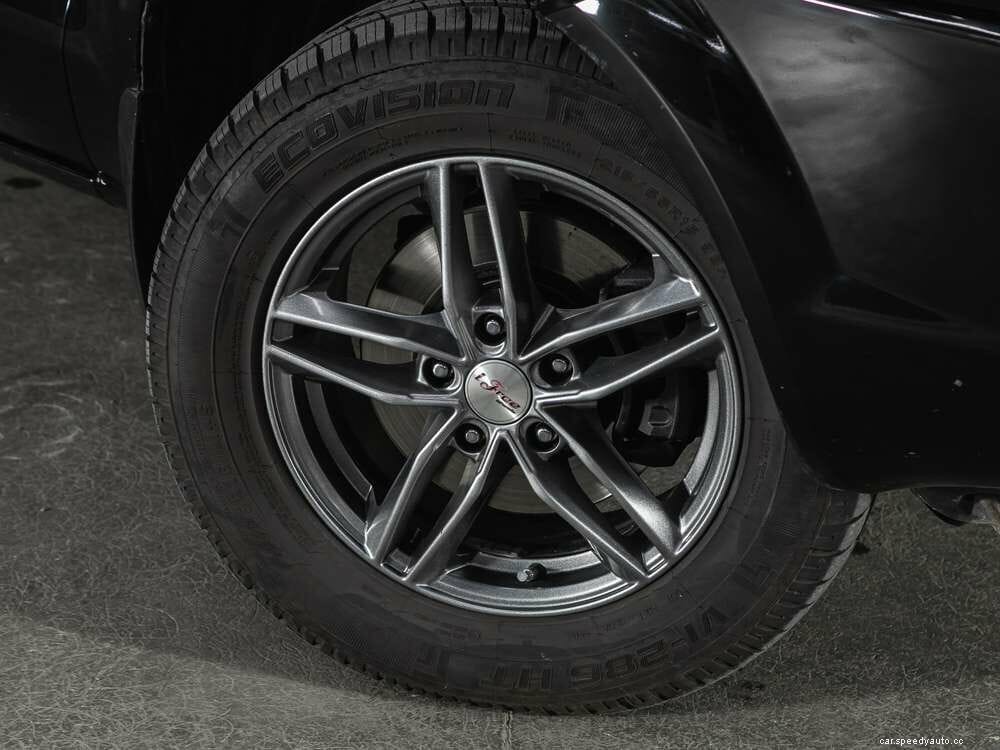
The car will rattle and tremble if the front right wheel develops a problem. The wheel is loose, the strut mount is worn or decaying, and the hub cover is damaged, to name a few difficulties with the wheel.
Noises created by wheel difficulties will be proportional to the vehicle’s speed. Increased rattling is associated with higher speeds and vice versa.
When you strike a bump, and your vehicle’s shocks are old, you’ll hear a rattling noise in front of car. It’s possible that this noise is coming from the full front of your vehicle, rather than just the front passenger’s side.
A rattling noise while driving may be caused by debris that has made its way beneath the hood of your vehicle. Rattling can also be caused by something caught in the wheel well. The noise will most likely be more consistent when you drive at a higher speed. Visually inspecting your car’s hood and wheel well for debris may help you identify it.
When a serpentine belt in a vehicle needs to be replaced, the car will rattle from the front. When the car’s speed increases, the rattling noise will decrease.
Catalytic converters are used in today’s cars to break down typical emissions-related pollutants and convert them to less hazardous compounds.
Unfortunately, overheating or damage can cause these devices to malfunction, causing portions of their internal structure to break away and rattle around. This sound is similar to marbles being shaken inside a can.
When a catalytic converter breaks, it needs to be replaced. On the other hand, Catalytic converters usually functioned normally until an underlying reason destroyed them. Before replacing the device, the fundamental cause of the damage should be determined.
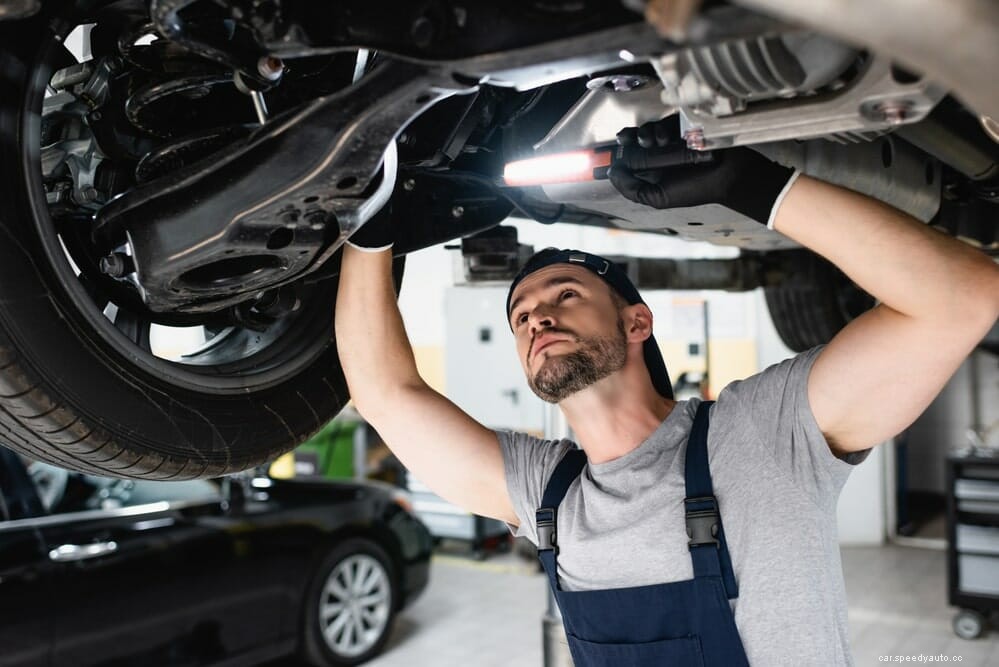
The control arm bushing is critical for maintaining vehicle control. This is the component of your car that permits the wheels to rise and fall, which is necessary for handling. It will produce a rattling noise when driving.
On average, the control arm bushing wears out after 90,000 miles. However, it must be changed sooner if it becomes damaged. This rattling will begin quietly but steadily increase in volume.
The exhaust system of a vehicle is usually covered in heat shields to protect other components from the effects of heat radiation. Although heat shields are generally trouble-free, they are susceptible to rust and corrosion.
A heat shield can break free from its welds in these situations, causing it to vibrate against neighboring exhaust components.
When a heat shield separates from its mounts, it can be tack welded back together or replaced and reattached. When rust has totally undermined the integrity of a heat shield, it is usually necessary to replace it.
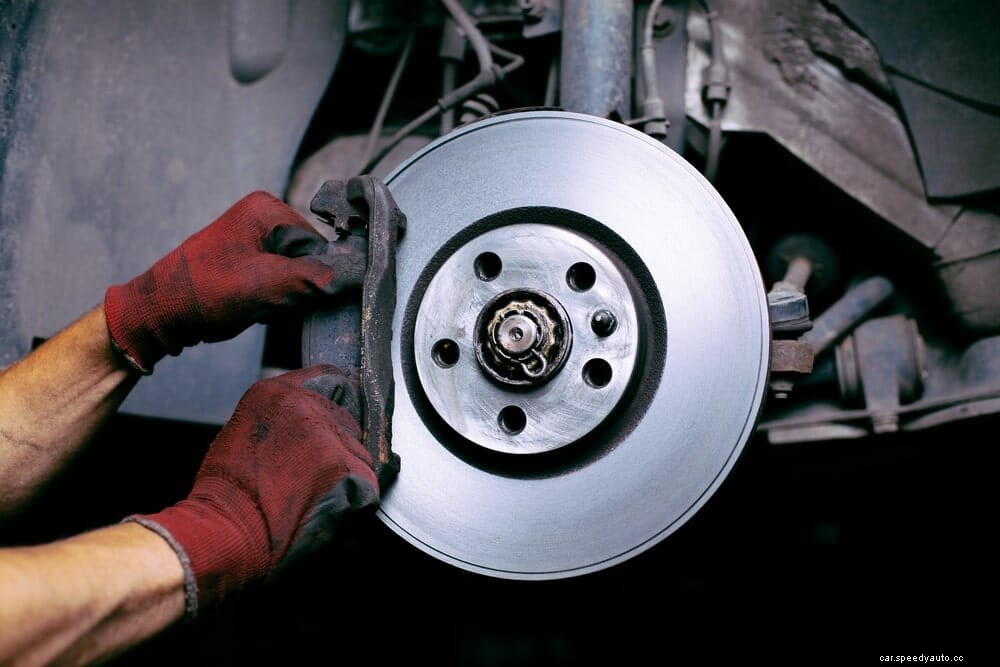
When bringing a car or truck to a halt, the brake components are subjected to a significant amount of stress. Individual components tend to shift as a result of this if they are not fitted tightly enough.
Brake chatter is common when one or more brake pads lack anti-rattle clips. If you feel your brakes are making an unusual noise of any kind, you should inspect them right once. If you are unsure about identifying a problem on your own, get professional help.
When the sway bar deteriorates, a clunking noise will be heard from the front of your vehicle. Sway bar issues should be addressed as soon as possible since they might result in a significant accident or costly damage to your car.
A rattling noise when driving could suggest a number of problems with the brakes, the most common of which is worn brake pads. Every 40,000 miles, brake pads should be replaced. When braking, this rattling produces a unique screeching sound.
A vehicle’s steering and suspension components are responsible for providing excellent handling and adequate ride comfort. On the other hand, these components can and do degrade over time, resulting in a slew of wear-related concerns.
Bushings can wear out, shocks and struts can lose their effectiveness, and linkages can loosen up within their end sockets. Any form of past impact damage can also result in similar problems.
A thorough inspection is required to diagnose the breakdown of individual steering and suspension components. To accurately check for free-play, pressure must be given to each component in many circumstances.
When dirt and filth accumulate in your vehicle’s wheel well, the automobile will have a rattling noise while driving. If you go back to the last time you washed your car completely, you might be able to figure out what’s causing the noise.
If your engine is running short on oil, you should pull over promptly to avoid cataphoric damage. When the oil level is low, air passes through the engine, causing a rattling noise front passenger seat when driving.
Use the dipstick to check your oil level to see if low engine oil is the cause of your car rattling when driving. Simply remove the dipstick and wipe it down with a towel. Pull the dipstick out and re-insert it. The dipstick will indicate the oil level.
Check the glove compartment for anything that might be generating the rattling. Today’s automobiles have more innovative storage possibilities. Before considering other options, make sure the noise isn’t coming from within the vehicle.

It’s natural to become concerned if you’re driving and hear a rattling noise on the passenger side of the car. The driver should maintain their composure and follow these instructions.
Rattling can indicate a number of significant issues that could result in you losing control of your car. Look for a safe area to pull over and park your car.
Listen to the rattling noise in front of the car as you pull over. Try to figure out what pattern it follows. Consider whether it improves or deteriorates as you decelerate. This explanation may aid in determining the source of the noise.
Once you’ve safely parked your vehicle, dial your local mechanic’s number. They’ll ask you to describe the rattling so they can figure out whether you can drive your car to the mechanic or if you’ll require a tow.
If you hear a rattling noise on the passenger side of the car, the most important thing to remember is to stay safe. Keep in mind that this could signify a major issue with your vehicle. Pull over to the side of the road and get advice from an expert.
When the surface of a wheel bearing is no longer smooth, it begins to fail. As a result, it cannot give a quiet ride and may even induce discomfort when riding. When driving, it frequently makes a rattling noise from the tire area or shakes the car.
When you go over bumps, do you hear a front-end rattle? If you hear a rattling sound when driving during any of these, it could be a sign of a suspension problem, such as a faulty control arm bushing, ball joint, tie rod, strut mount, sway bar link, or sway bar bushings.
Another thing to look for with shocks is loose or dried-out mounting bushings. When you turn the wheel, a groaning sound usually indicates the presence of a dry joint, most commonly at the idler or pitman arm.
The husky stabilizer bar is another potential cause of noise (also known as a sway bar). This bar aids in keeping your automobile level in a curve.
Low fluid levels in the A/T might generate rattling noises when driving. Check the fluid level by opening the hood. Fill the transmission fluid reservoir to the right level if the car’s low transmission fluid level. Start the car and go for a brief test drive to determine if the problem has gone away.
Corrosion can cause malfunctioning spark plugs in older vehicles with heavy usage. This can cause a rattling sound that you’ll hear when you drive and accelerate.
When accelerating, a car’s rattling becomes more than just an irritation. As you can see from the list of causes of rattling noise front passenger seat when driving, many of them are caused by a lack of adequate maintenance.
As a result, be sure to look after your vehicle and, if it starts rattling, address it before it gets worse.
When driving, hearing a noise from your vehicle can be unsettling, especially if you’re on the highway. The front passenger side is a popular location where a rattling noise might be heard.
If something happens while you’re on the road, you’ll know what to do. This article will explain why your vehicle’s passenger side is making a rattling noise when driving and what to do if it happens.
