
Keeping your tire pressure in check is important for the overall health of your tires and can improve gas mileage. A TPMS, or tire pressure monitoring system, is a great way to stay on top of your tire pressure levels.
Subaru Foresters come equipped with a TPMS reset button, which you can use to recalibrate the sensors in your tires after making any changes.
The Subaru Forester tire pressure monitoring system is located on the lower right-hand corner of the instrument panel. The reset button is a small, red circular button located just below the TPMS icon.
The TPMS is an important safety feature that helps to ensure that your tires are properly inflated. If your TPMS isn’t working correctly, it can cause some serious problems. These problems could be a blowout, a loss of control while driving, or decreased gas mileage.
It is therefore crucial that you always pay attention to the TPMS warning light and take action as needed. The reset button on your Subaru Forester is a great way to recalibrate the system if it isn’t working correctly for some reason.
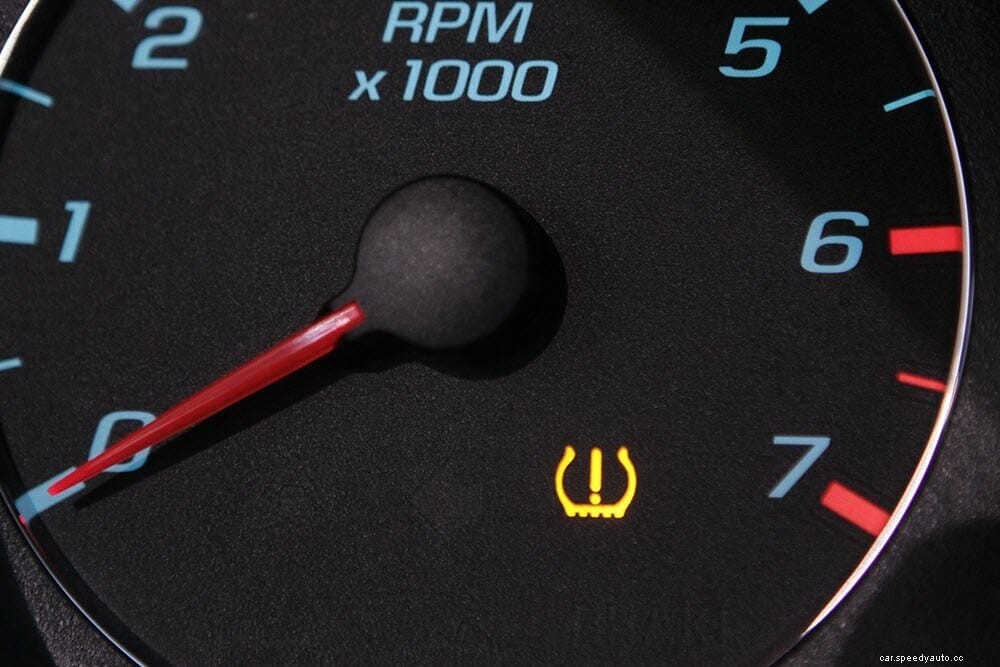
The Subaru tire pressure monitoring system constantly monitors the air pressure in your tires. If a tire falls below the manufacturer’s recommended level, the TPMS will activate and light up an icon on the dashboard.
The system also includes a warning chime that will sound if one or more of your tires is significantly under-inflated.
The TPMS icon is located in the lower right-hand corner of the instrument panel. If you ever see the TPMS light illuminated on your Forester’s dashboard, it means that there is an issue with one or more of your tires.
Take a look at your tires and see if you can identify the problem. If you can’t fix the issue yourself, take your Forester to a qualified mechanic for assistance. It’s important to always keep an eye on the TPMS icon and take corrective action if necessary.
There are a few different scenarios when you might need to reset your TPMS.
When you’ve just fitted new tires, it’s important to do a TPMS reset. This is because the new tires will have different air pressure levels than the old ones. By doing a reset, you can make sure that the system is monitoring the correct tire pressure levels.
In case you’ve made any changes to the air pressure in your tires, you’ll need to do a TPMS reset. This is because the system needs to be recalibrated to the new levels.
It’s important to note that you should only ever change your tire pressure by a few PSI at a time. If you make a big change, it can cause problems with the TPMS and might result in an inaccurate reading.
If the TPMS warning light comes on, it could mean that there is a problem with the system. In this case, you should reset the TPMS to see if that clears the problem. If the light comes back on after doing a reset, then there might be an issue with one of your tires.
If the TPMS icon is blinking, it means that one or more of your tires is under-inflated. You should take action to correct this as soon as possible. In most cases, you can do this by adding air to the tire until the light goes off.
The TPMS reset button is used to recalibrate the sensors in your tires after making any changes. If you have recently rotated your tires, changed your tire size, or replaced a sensor, you will need to use the reset button.
To do a TPMS reset on your Subaru Forester, follow these steps:

The TPMS reset button is a standard feature on all models of the Subaru Forester from 2013. Whether you have the base model or the top-of-the-line trim, you’ll be able to find the reset button in about the same location. If you can’t find the reset button, consult your owner’s manual.
The recommended tire pressure for the Subaru Forester can vary depending on the model and year. As a general rule, you should aim to have your tires inflated to between 32 and 45 PSI. Check your owner’s manual or the sticker on the driver’s side door jamb for the specific numbers that apply to your car.
If you’re not sure how to check your tire pressure, you can take it to a nearby gas station. Most stations have air pumps that you can use for free. Just remember to put the correct amount of air in each tire.
Over-inflating your tires is just as bad as under-inflating them. too much air pressure can cause problems with the TPMS and can lead to a rough ride.
When your Subaru Forester tire pressure light is still on after filling the tires, it might mean that one or more of the sensors are not working correctly.
You can try to reset the TPMS system as described above, but if that doesn’t work, you’ll need to take your car in for service. There might be a problem with the sensors or the system itself.
The TPMS system is designed to help you maintain the correct tire pressure and it’s usually best to keep it turned on. However, there may be times when you want to turn it off.
For example, if you’re going to be driving in a location where the roads are very rough, or if you’re going to be transporting a load that is too heavy for the system. In such cases, you can turn the TPMS system off by the same reset procedure.
Yes, you can turn off the TPMS sensors if you want. However, we don’t recommend it because it defeats the purpose of having them in the first place. If you’re not going to use the sensors, then there’s no need to have them turned on.
You might as well save yourself some money and turn them off. The sensors are located in each of the tires and you can turn them off by removing the sensor battery.

There are a few ways to tell if your Subaru Forester tire pressure is low. The first is to visually check the tires. If they look flat or deflated, then they probably are. The second is to listen for a change in the way your car sounds when you’re driving.
Low tire pressure will make the car sound “bumpy” or “hollow.” The third is to use the TPMS system. If one or more of the sensors are not working correctly, you’ll see the warning light on the dash.
The TPMS reset button is an important part of your car’s maintenance routine. By doing a reset after every tire change, you can make sure that the system is always accurate. If you have any questions about how to use the TPMS reset button on your Subaru Forester, please consult your owner’s manual.
Here are some related articles you might enjoy:
How Does Subaru Outback Remote Start Work?
What Is The Difference Between The Subaru WRX And STI?
How Long Do Subaru Cars Last? – Complete Explanation
