
The fear we all have as drivers whether you are driving a new car or a car you have had for a while is a warning light appearing on the dashboard. The dread of ‘is it a serious problem?’ or ‘how much will this cost?’ always seems to be our first worry when we are greeted with a light display on the dashboard of our vehicle.
There is no surprise in an ever-growing world of technology that our cars are following the same pattern. The more models that are created the more technology is included. This sounds great, right? So it’s important to realize that when we see these warning lights, it doesn’t mean that there is something terribly wrong but any warning lights should be checked.
Obviously, our cars need to keep moving with the times but it can still fill you with dread when you see those lights appear. We are going to look at how to reset the tire pressure light on the Hyundai Tucson.
The Hyundai Tucson is an SUV of mid-size. In an ever-popular niche in the car market, it competes well, even against the better known Nissan, Seat, and Volkswagen options. This car seems to bring together all the best design aspects from all the other models on the market into one complete package.
Standard on all versions of the Hyundai Tucson is a digital driver’s display that replaces all those gauges. It not only looks the part but also has plenty of customization available. The vehicle also has a decent choice of engines from 1.6 turbocharged petrol and an all-wheel-drive version.
This unique feature is fitted to each wheel trim including the spare tire. It is an added safety feature and can alert the driver that there is low or unbalanced pressure in the tires of the car.
If this light were to illuminate when traveling it is recommended that you stop and check your tire pressure as soon as it is safe to do so. Driving on underinflated tires leads to poor control when stopping and driving while overinflation can cause the tires to overheat and wear unevenly.
However, there may be a quick fix to this problem – adjusting the pressure in all your tires to the correct psi will eliminate the light and your problem is solved.
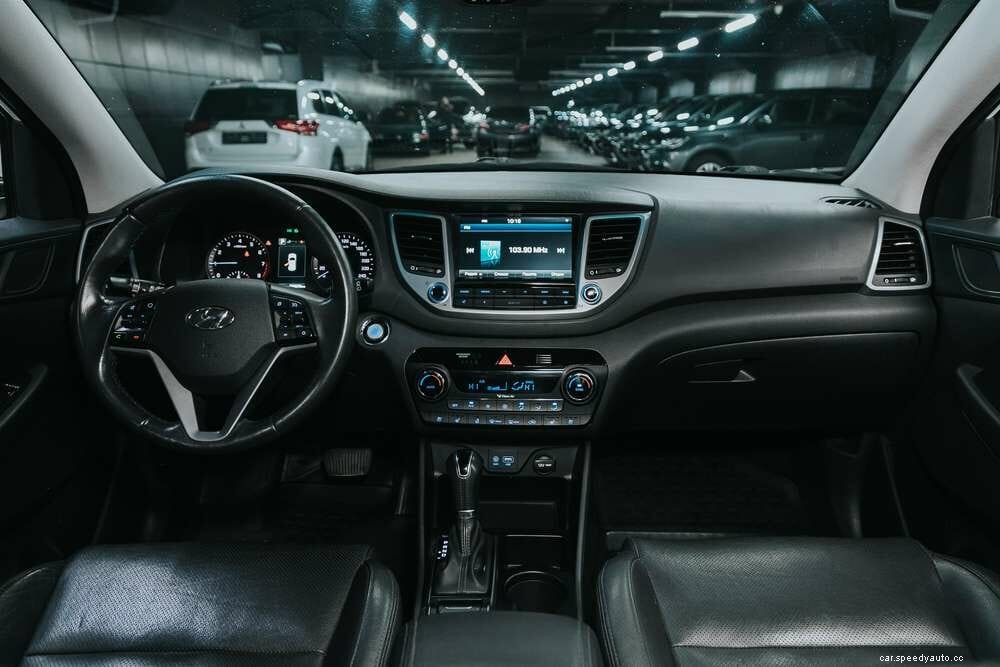
If you thought the TMPS was cool then be prepared to have your mind blown. The Hyundai Tucson also has a TPMS malfunction indicator.
This light is displayed with the letters TPMS illuminated. When this appears it means that the monitoring system cannot detect pressure in one or more of your tires.
We all know that when technology works it is brilliant but that does leave us susceptible to relying a little too much on the car computer to tell us there is an issue. Let’s face it computers can fail. There are many reasons that the TPMS indicator light has come on.
It is important after you have had new wheels and or tires fitted that the TPMS is still working correctly.
The Hyundai Tucson is an incredible car and if it is alerting you to an issue with the tires you will notice that a warning message will appear on your LED screen.
The image will show you the issue the car has detected and give you a clear indication of which tires need to be addressed.
Once you have rectified the tire pressure to the correct PSI (this information can be found on the door placard or in your user manual.) You may notice that it can take a while for the sensors to recalibrate.
If you think the light should have gone off and hasn’t you may wish to follow the simple steps below to calibrate the tire pressure monitoring system:
If this doesn’t work then check out these other tips to try:
Other tips on how to reset the TPMS light include:
If you have noticed that the light is still illuminated then please visit a Hyundai dealership for them to check the health of the sensors professionally.
The TPMS or Tire Pressure Monitoring System is fitted to Hyundai cars. It brings to your attention that it has detected low pressure in one or more of your tires on the vehicle.
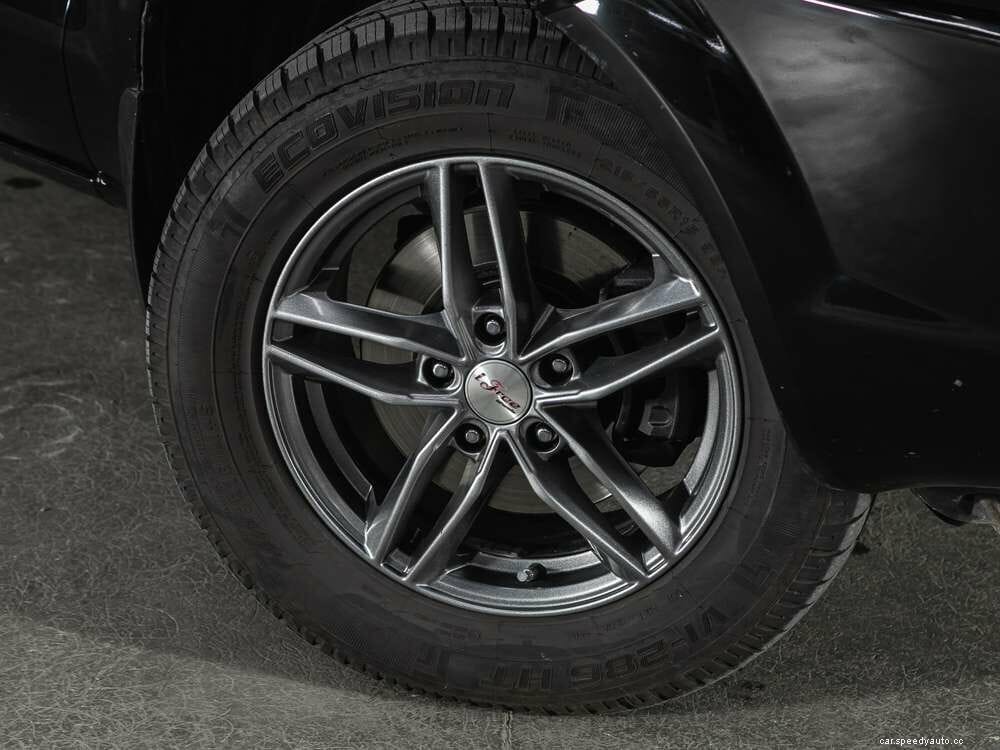
The battery life of a TPMS system usually lasts around 6-10 years and if they run low then they will alert the driver to loss of signal. Also, be aware that tire sealant can damage the TPMS sensors if you have recently had your tires changed.
It is strongly recommended that if the light illuminates on your dashboard that you pull over and check the tires as soon as it is safe to do so.
Many Hyundai cars now offer a new vehicle limited warranty. The tire pressure sensors can be covered for up to 5 years or 60000 miles.
No one wants to have to take their car to the dealership or a garage to check its health, as it can quickly become a costly visit, especially if it is something as simple as inflating your tires a little. This is why we advise that you try not to rely solely on the TPMS light to tell you there is an issue.
As a car owner, you should make it good practice to check your tires regularly and alter the PSI if you need to. Keeping on top of this will ensure that your Hyundai is running at its best.
Find more insights with these similar articles:
How To Reset The Hyundai Sonata Tire Pressure Sensor
Does The Hyundai Santa Fe Have 3 Rows Of Seats?
Can I Take My Hyundai To Any Dealer For Service?
