
If your car feels bumpy when you’re driving, don’t worry – you’re not alone. Many drivers experience this issue at some point or another.
The most common causes of a bumpy ride are low tire pressure, damaged suspension, bad tires, excessive weight, and transmission failure. While the first four are easy to fix, it can get quite expensive to fix a transmission.
There are several causes of a bumpy ride, but fortunately, most of them can be fixed fairly easily. In this blog post, we’ll discuss the most common causes of a bumpy ride and what you can do to fix them.
When most people think of car comfort, they think of things like the seats and the steering wheel. But there are other factors that play into how comfortable a car is to drive. One such factor is ride quality.
Ride quality is basically how smooth or bumpy a car feels when you’re driving it. It’s determined by a variety of factors, including the suspension, the tires, and even the weight of the vehicle.
If your car feels bumpy when you’re driving it, there are several possible causes. In this blog post, we’ll discuss four of the most common causes of a bumpy ride and what you can do to fix them.
One of the most common causes of a bumpy ride is damaged suspension. If your car’s suspension is damaged, it can cause the car to feel bouncy or jittery when you’re driving.
There are several ways to tell if your car’s suspension is damaged. One way is to look at the tires. If they seem to be bouncing up and down excessively, it’s a good sign that the suspension is damaged. Another way is to take the car for a test drive.
If you feel like you’re being jostled around unnecessarily, it’s likely that the suspension is damaged. Fortunately, suspension damage can be fixed fairly easily. You can either take your car to a mechanic or do it yourself if you’re feeling handy.
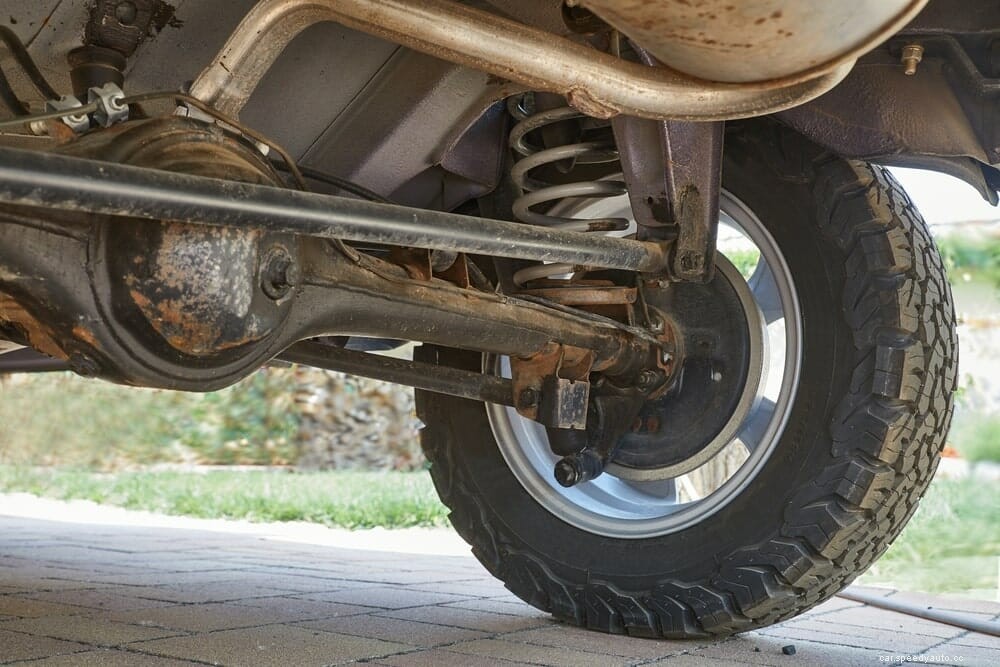
If you’re feeling handy, you can try repairing the suspension yourself. The first thing you’ll need to do is identify the problem.
There are several possible causes of suspension damage. One common cause is worn-out shocks or struts. These components can wear out over time, especially if they’re not properly maintained. Another common cause is a broken spring.
Springs can break if they’re overloaded or if they rust and corrode.
Once you’ve identified the problem, you can start working on a repair. If the shocks or struts are worn out, you’ll need to replace them. This is a fairly simple process that most people should be able to do themselves.
If the springs are broken, you’ll need to replace them as well. This is a more difficult process, but it’s still doable for most people. Once you’ve repaired the suspension, your car should ride much smoother.
Another common cause of a bumpy ride is worn-out tires. If your car’s tires are worn out, they won’t provide as much cushioning between the road and the car, which can make the ride feel rougher than usual.
There are several ways to tell if your car’s tires are worn out. One way is to look at them closely. If you see any cracks or bald spots, it’s a good sign that they’re due for replacement. Another way is to take the car for a test drive. If you feel like the ride is rougher than usual, it’s likely that the tires are worn out.
Luckily, worn-out tires are easy to fix. You’ll just need to buy new tires and have them installed on your car. Once you do, the ride should be much smoother.
If your car’s wheels are imbalanced, it can cause the car to vibrate when you’re driving, which can make the ride feel bumpy.
There are several ways to tell if your car’s wheels are imbalanced. One way is to look at them closely. If they seem to be wobbling back and forth, it’s a good sign that they’re imbalanced. Another way is to take the car for a test drive.
If you feel like the car is vibrating more than usual, it’s likely that the wheels are imbalanced.
Wheel imbalance is easy to fix. You’ll just need to take your car to a mechanic and have them balance the wheels. It’s not one of those fixes that you can do yourself, because you need special tools to balance the car’s geometry.
Another common cause of a bumpy ride is excessive weight. If your car is too heavy, it can make the suspension work harder than it’s supposed to, which can cause the ride to feel bumpy.
There are several ways to tell if your car is too heavy. One way is to look at the tires. If they seem to be bulging outwards, it’s a good sign that the car is too heavy. Another way is to take the car for a test drive. If you feel like the ride is rougher than usual, it’s likely that the car is too heavy.
Excessive weight is easy to fix. You’ll just need to remove any unnecessary items from your car. Didn’t expect that one, right?
One of the most common causes of a bumpy ride is braking system problems. If your car’s brakes are not working properly, it can cause the car to shake when you’re driving, which can make the ride feel bumpy.
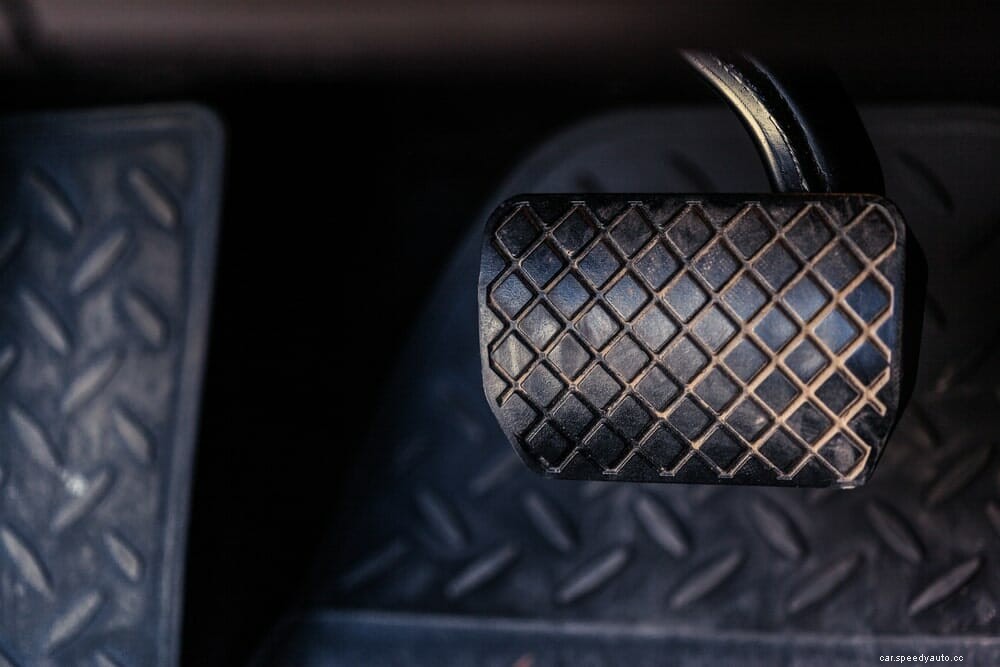
There are several ways to tell if your car’s brakes are not working properly. One way is to look at the brake pedal. If it seems to be pulling up and down, it’s a good sign that there is a problem with the brakes. Another way is to take the car for a test drive.
If you feel like the ride is rougher than usual, it’s likely that there is a problem with the brakes.
Brake problems are easy to fix. You’ll just need to take your car to a mechanic and have them take a look at it. They’ll be able to tell you for sure whether or not the brakes are damaged and, if they are, they’ll be able to fix them.
If you’re not comfortable taking your car to a mechanic, or if you don’t want to spend the money on it, there are some things you can do yourself to try and fix the problem.
One thing you can do is check the brake fluid level. If it’s low, it could be causing the brakes to not work properly. Another thing you can do is bleed the brakes. This will get rid of any air bubbles that might be in the brake line, which could be causing the problem.
Finally, you can adjust the brake pads. If they’re too close to the rotor, they could be causing the shaking.
These are just a few of the most common causes of a bumpy ride. If you’re still having trouble, it’s best to take your car to a mechanic and have them take a look at it.
Transmission failure
One of the most serious causes of a bumpy ride is transmission failure. If your car’s transmission fails, it can cause the car to shake violently when you’re driving, which can make the ride feel extremely bumpy.
There are several ways to tell if your car’s transmission has failed. One way is to look under the hood. If you see any liquid leaking from the transmission, it’s a good sign that there is a problem with it. Another way is to take the car for a test drive.
If you feel like the ride is very rough and shaky, it’s likely that the transmission has failed. Transmission failure is not easy to fix. While you can fix it yourself, we don’t recommend it. Take it to a mechanic, if the transmission is damaged, they will most likely need to replace it.
There are several things you can do to make your ride smoother. One thing you can do is check the condition of your car’s suspension. If it’s in good condition, it will help absorb any bumps in the road and make the ride feel smoother.
Another thing you can do is make sure your tires are properly inflated. If they’re not, it can cause the ride to feel bumpy. Changing the tires can make your car feel like a new one.
Finally, you can try driving on a different road. If the roads you’re driving on are very rough, it can make the ride feel bumpier than usual.
These are just a few of the most common causes of a bumpy ride. If you’re still having trouble, it’s best to take your car to a mechanic and have them take a look at it. They’ll be able to tell you for sure what’s causing the problem and how to fix it.

It’s a good idea to change your tires every few years. However, if you live in an area with a lot of potholes or other rough roads, you may need to change them more often.
It’s not a good idea to drive with bad tires. They can cause the ride to be very bumpy and make it difficult to control the car. If you have bad tires, it’s best to take your car to a mechanic and have them change them.
It’s a good idea to change your car’s suspension every 5 years. However, if you live in an area with a lot of potholes or other rough roads, you may need to change it more often.
No, you should not drive with a bad suspension. It can cause the car to handle poorly and make the ride very uncomfortable. It can also lead to accidents.
There are several ways to tell if your brakes are damaged. One way is to listen to any strange noises when you’re driving. Another way is to feel for any vibration in the pedal when you’re braking. Finally, you can look at the brake pads themselves. If they’re worn down, it’s a good sign that they need to be replaced.
No, you should not drive with bad brakes. If your brakes are damaged, it can cause problems with braking and you can crash your car easily. Also, brakes affect handling so if they are bad, your car will not handle well. It is best to take your car in for repair as soon as possible.
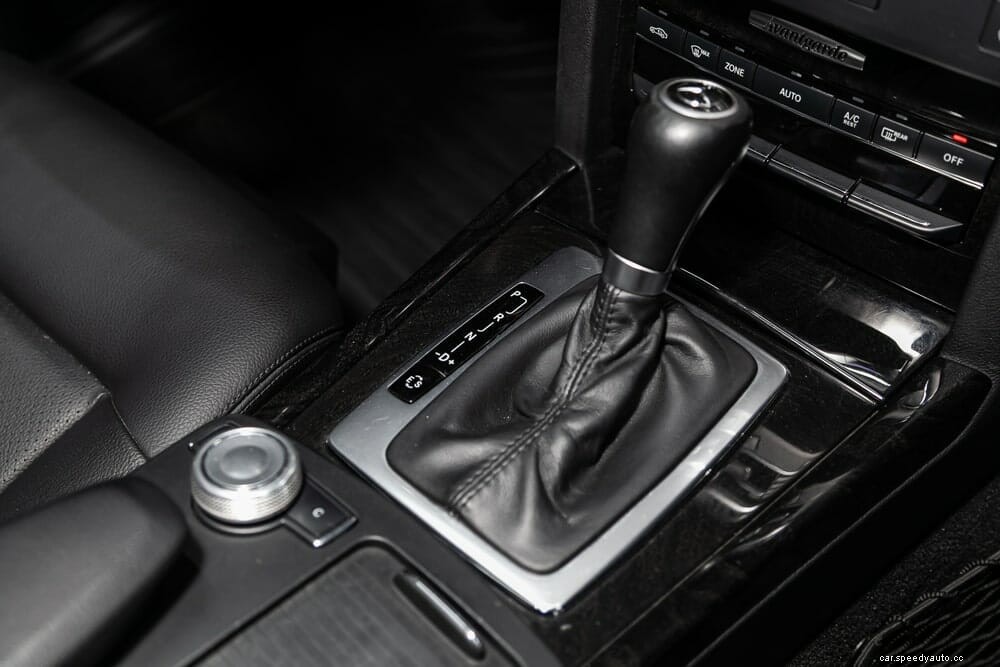
There are several ways to tell if your transmission is failing. One way is to look under the hood. If you see any liquid leaking from the transmission, it’s a good sign that there is a problem with it. Another way is to take the car for a test drive.
If you feel like the ride is very rough and shaky, it’s likely that the transmission has failed.
Transmission failure is not easy to fix. While you can fix it yourself, we don’t recommend it. Take it to a mechanic, if the transmission is damaged, they will most likely need to replace it.
You can still drive your car even if the transmission is damaged, but we don’t recommend it. If the transmission is failing, it could cause more damage to the car and eventually lead to a breakdown.
There are several common causes of a bumpy ride. Most of the time, it’s caused by something simple like brake problems or low tire pressure. However, there are some cases where it can be caused by something more serious, like transmission failure.
If you’re having trouble figuring out what’s causing the problem, it’s best to take your car to a mechanic and have them take a look at it. They’ll be able to tell you for sure what’s causing the problem and how to fix it.
