
Motorcycles are a popular choice for transportation, especially in cities. They’re efficient, easy to park, and can sometimes get you around traffic jams. But one question that often comes up is: do motorcycles have to pay tolls?
While motorcycles have to pay tolls on most toll roads, there are some exceptions like Michigan. It is recommended that motorcycle drivers buy a toll tag so that they can save money and have an easier, smoother ride experience.
In this blog post, we’ll answer that question and provide some information about motorcycle tolls in general. Stay tuned!
Tolls in the United States are typically managed by individual states or local agencies. This means that there is no single system for collecting tolls across the country.
Each state or local agency has its own process for collecting tolls, which can vary significantly. For example, some states use electronic tolling systems, while others require motorists to stop and pay cash at a toll booth.
Some states offer discounts for motorcycle riders. For instance, in New York, motorcycles are only charged 50% of the standard toll rate. Additionally, many states offer free or reduced-rate passes for motorcycles that allow riders to avoid paying tolls altogether.
To find out if your state offers any discounts or passes for motorcycle riders, with the state Department of Transportation or a local agency that manages tolls.
If you are traveling in a state that does not have a specific discount for motorcycles, you may be able to get a reduced rate by using an electronic toll pass. Electronic toll passes are devices that allow motorists to pay tolls without having to stop and pay cash.
To use an electronic toll pass, you will need to register the device with the state or local agency that manages the tolls. Once you have registered your device, you will be able to simply drive through the toll lane and the device will automatically deduct the appropriate amount from your account.
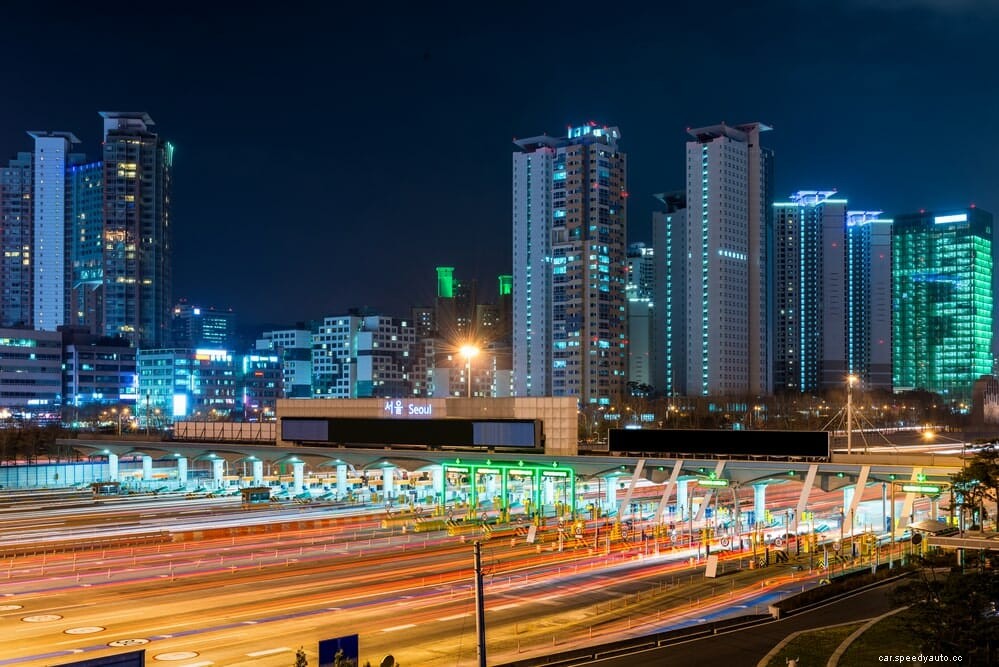
Many states offer electronic toll passes to all motorists, but some states only offer them to drivers of cars and trucks. You can find out if your state offers an electronic toll pass by contacting the state Department of Transportation or a local agency that manages tolls.
There are many different ways to pay tolls in the United States, so it is important to be aware of the process before you travel.
If you are unsure about how to pay a toll, or if you have any other questions about tolls in the United States, contact the state Department of Transportation or a local agency that manages tolls.
Like anything else, there are pros and cons to using toll roads. On the one hand, tolls can help to keep traffic moving and can be a more efficient way of paying for road maintenance.
On the other hand, tolls can be expensive and they can add time to your journey. In some cases, you might also have to pay extra if you’re driving a motorcycle.
So, should you avoid toll roads altogether? Not necessarily – just be aware of the pros and cons and make a decision based on what’s best for you.
No, not all states have tolls. Michigan is the only state without any tolls because they’ve fully funded their roads from federal reserves. Some states, like Alaska, have very few toll roads.
However, if you’re planning a road trip across the US, it’s likely that you’ll encounter some tolls along the way. Be prepared to pay a little extra if you’re driving a motorcycle – but don’t let it stop you from enjoying the ride!
A toll tag is a device that allows motorists to pay tolls without having to stop and pay cash. Toll tags are typically used in states that have electronic tolling systems. To use a toll tag, you will need to register the device with the state or local agency that manages the tolls.
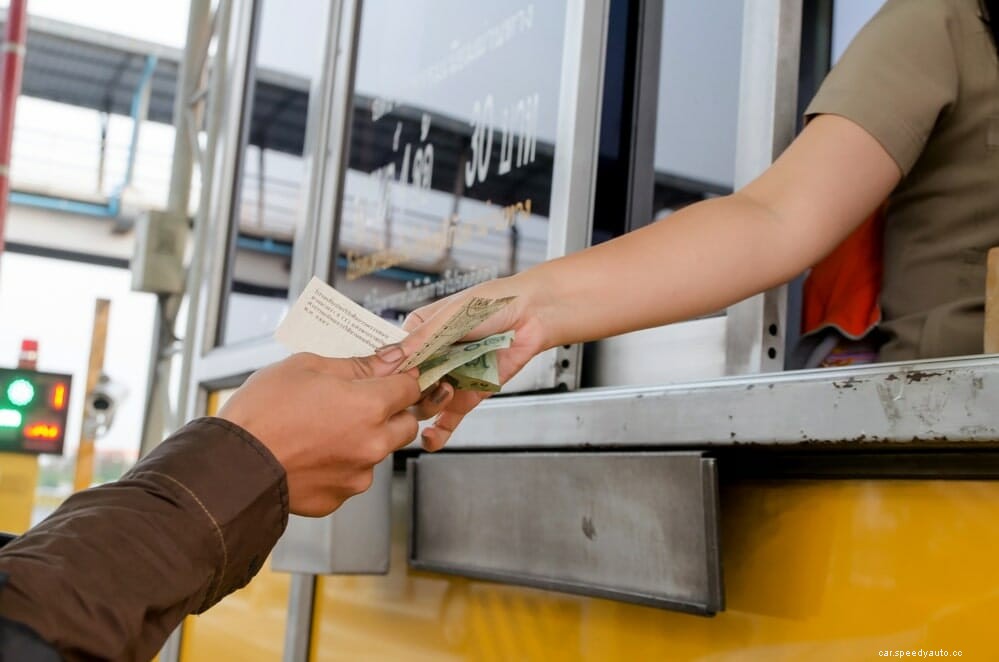
Once you have registered your device, you will be able to simply drive through the toll lane and the device will automatically deduct the appropriate amount from your account.
Many states offer toll tags to all motorists, but some states only offer them to drivers of cars and trucks. You can find out if your state offers a toll tag by contacting the state Department of Transportation or a local agency that manages tolls.
If you are traveling in a state that uses toll tags, it is important to be aware of how the system works. Toll tag systems typically have two types of lanes: express lanes and regular lanes.
Express lanes are designed for motorists who have a toll tag, while regular lanes are for motorists who do not have a toll tag or who need to pay cash.
If you are using a toll tag, you will need to drive in the express lane. If there is no express lane, you will need to stop at a toll booth and pay cash. You cannot use a toll tag in a regular lane.
It is important to note that not all electronic tolling systems use toll tags. Some states use transponders, which are similar to toll tags but must be mounted on the windshield of your vehicle (or in the case of a motorcycle, the handlebar).
If you are unsure about what type of electronic tolling system is used in the state you will be traveling to, contact the state Department of Transportation or a local agency that manages tolls.
Motorcycles have to pay tolls, but which EZ pass holder should you use? If you have an EZ pass transponder for your car, you can use it on your motorcycle.
You will need to purchase a special motorcycle mount, which you can get at most motorcycle stores or online. If you don’t have an EZ pass transponder, you can still get one specifically for your motorcycle.
A transponder is a device that allows motorists to pay tolls without having to stop and pay cash. Transponders are typically used in states that have electronic tolling systems.
To use a transponder, you will need to register the device with the state or local agency that manages the tolls. Once you have registered your device, you will be able to simply drive through the toll lane and the device will automatically deduct the appropriate from your account.
Transponders are similar to toll tags, but they must be mounted on the windshield of your vehicle (or in the case of a motorcycle, the handlebar).
If you are unsure about what type of electronic tolling system is used in the state you will be traveling to, contact the state Department of Transportation or a local agency that manages tolls.
If you are using a transponder, you will need to drive in the express lane. If there is no express lane, you will need to stop at a toll booth and pay cash. You cannot use a transponder in a regular lane.
As transponders are generally made for cars, they can be tricky to mount on motorcycles. Luckily, we have found the best holder on the market for you.
Motorcycles are required to pay tolls in most states, but there are a few exceptions. For example, the state of Texas requires all motorcycles to pay a toll when using the Houston Toll Road.
If you are traveling in a state that requires motorcycles to pay a toll, you will need to stop at a toll booth and pay cash. You cannot use a toll tag or transponder in a motorcycle.
If you have any other questions about tolls in the United States, contact the state Department of Transportation or a local agency that manages tolls.
The amount that motorcycle riders pay for tolls varies depending on the type of toll system and the specific road or highway. Open toll plazas typically charge a flat fee, while closed and open road tolls use a variable pricing system based on the distance traveled.
Some toll roads use a combination of all three types of tolls, so it is important to be aware of the pricing structure before using any particular road.
In general, motorcycle riders can expect to pay slightly less than car drivers when using most toll roads. This is because motorcycles are typically exempt from surcharges and additional fees that are often added on for larger vehicles.
However, there are some instances where motorcycle riders may end up paying more than car drivers, so it is always best to check the pricing structure in advance.
Overall, the cost of using toll roads is relatively inexpensive, and the convenience of being able to avoid traffic congestion often makes them worth the price.
Motorcycle riders should factor the cost of tolls into their budget when planning any road trip, but they should also keep in mind that the prices are typically very reasonable.
Generally speaking, no, motorcycles do not have special toll tags. You can use a toll tag or transponder if your state offers them to all motorists. However, you will need to mount the transponder on the windshield of your motorcycle (or, in most cases, the handlebar).
If you are unsure about what type of electronic tolling system is used in the state you will be traveling to, contact the state Department of Transportation or a local agency that manages tolls.
Some states like Texas issue special tags for motorcycles, which offer them easier payment and a smoother ride.
While it costs more to drive with a car toll tag, it’s easier than paying with cash when riding a motorcycle. You’ll just need to make sure you’re in the right lane, which is sometimes clearly marked and other times not.
You can find out more about using toll tags on motorcycles from your state’s Department of Transportation or the agency that manages the tolls in your state.
Motorcycles are subject to the same toll rules as other vehicles in California. However, there are a few exceptions for motorcycles that riders should be aware of.
For instance, motorcycles are exempt from paying tolls on the Golden Gate Bridge. Instead, riders can enjoy a scenic ride across the bridge free of charge. Additionally, motorcycles are not required to stop at weigh stations along California highways.
Riders should also be aware that some toll roads in California offer discounts for motorcycles. For example, the 91 Express Lanes in Orange County offer a 50% discount for motorcyclists during certain hours.
Similarly, the San Francisco-Oakland Bay Bridge offers a $1 discount for motorcycle riders during hours. Finally, motorcycles are allowed to use carpool lanes in California, regardless of the number of people riding on the bike. This can be a great way to save time during your commute.
So, if you’re a motorcycle rider in California, be sure to familiarize yourself with the state’s toll rules. You’ll be able to save money and time while you ride!
If you’re driving a motorcycle in Texas, there are some important things to know about tolls. First of all, you’ll need to have a valid driver’s license and insurance. You’ll also need to pay attention to the posted speed limits, as they’re often lower for motorcycles than for other vehicles.
And finally, be aware that the price of riding a Motorcycle in Texas is the same as any two-axle vehicle.
Here are some specific toll rules for motorcycles in Texas:
For more information on tolls in Texas, visit the Texas Department of Transportation website.
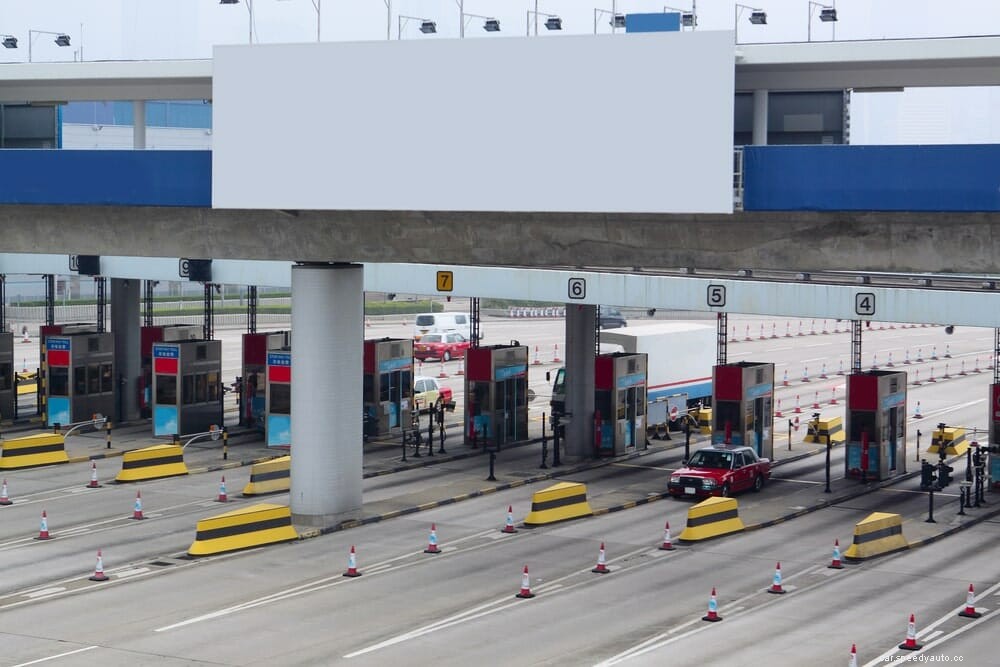
In Florida, motorcycles are subject to the same toll rules as other vehicles. However, there are a few exceptions for motorcycles that riders should be aware of.
For instance, motorcycles are exempt from paying tolls on the Sunshine Skyway Bridge. Instead, riders can enjoy a scenic ride across the bridge free of charge. Additionally, motorcycle riders do not need to stop at weigh stations along Florida highways.
Riders should also be aware that some toll roads in Florida offer discounts for motorcycles. For example, the 91 Express Lanes in Orange County offer a 50% discount for motorcyclists during certain hours.
Similarly, the San Francisco-Oakland Bay Bridge offers a $0.50 discount for motorcycle riders during all hours except peak travel times.
Finally, motorcycles are allowed to use carpool lanes in Florida, regardless of the number of people riding on the bike. This can be a great way to save time during your commute.
So, if you’re a motorcycle rider in Florida, be sure to familiarize yourself with the state’s toll rules. You’ll be able to save money and time while you ride!
Motorcycles are subject to the same tolling rules as other vehicles in New York. However, there are a few exceptions for motorcycles that riders should be aware of.
First, motorcycles are not required to pay the congestion pricing surcharge that is assessed on vehicles entering Manhattan south of 60th street. Additionally, motorcycles are exempt from paying tolls on the Verrazano-Narrows Bridge between Staten Island and Brooklyn.
Finally, while E-ZPass is not required for motorcycles, it is highly recommended as it can significantly reduce toll costs. For example, without E-ZPass, it would cost $6.50 to cross the Triborough Bridge from Queens to Manhattan during peak hours.
With E-ZPass, the cost is reduced to $2.85. For more information on E-ZPass, visit the New York State Thruway Authority’s website.
Motorcyclists should also be aware of special traffic laws that apply to them. For example, motorcycles must use headlamps at all times and must have a red reflector or lamp on the rear visible from 500 feet.
Additionally, motorcyclists are not allowed to ride between lanes of traffic or drive on sidewalks.
In most states, the TxTag or EZ-Pass must be mounted on the front of the motorcycle so that it is clearly visible to toll booth cameras.
Yes, scooters are subject to the same toll rules as motorcycles. Be sure to have your toll tag, E-ZPass or cash ready when you approach a toll booth.
The best way to find out which electrical toll system your state uses is to visit the website of your state’s Department of Transportation. Once there, you should be able to find information on the various toll systems that are in place.
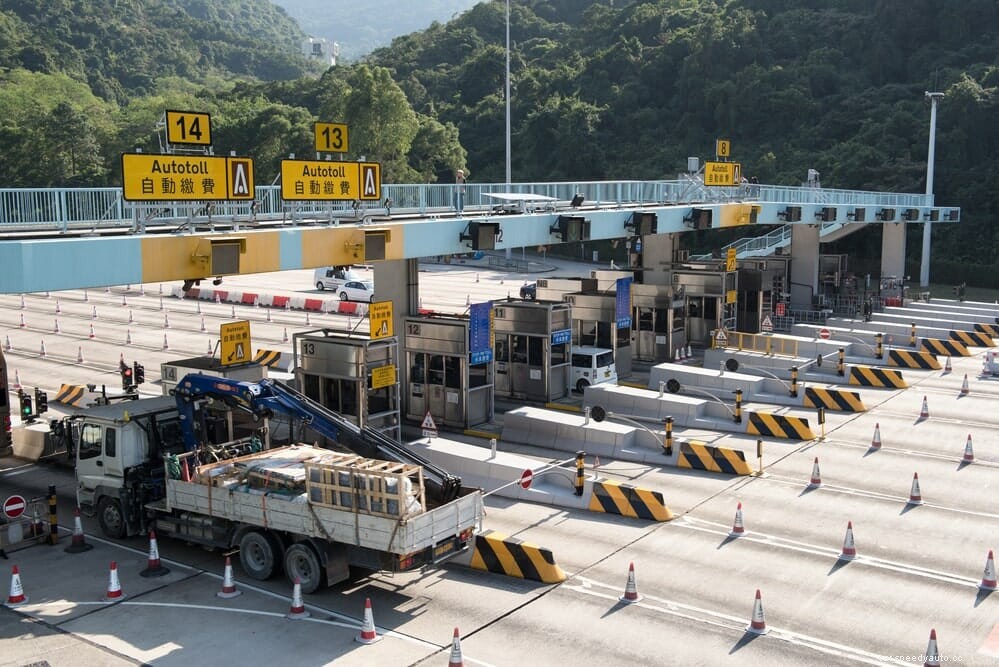
There are two main types of tolls: electronic and manual. Electronic tolls are typically paid using a transponder, while manual tolls are paid with cash or a credit card. Some states use a hybrid system, which allows drivers to pay with either cash or an electronic transponder.
If you do not pay a toll, you may be subject to fines or penalties. In some states, cameras are used to identify drivers who do not pay their tolls. If you are caught not paying a toll, you may receive a notice in the mail asking you to pay the outstanding amount.
Failure to pay this amount could result in additional penalties, such as late fees or collection costs. Additionally, your vehicle registration may be suspended.
In conclusion, motorcycles are subject to the same toll rules as other vehicles in most states. However, there are a few exceptions that riders should be aware of. Be sure to familiarize yourself with the toll rules in your state so that you can save money and time while you ride!
Happy trails!
