
A carbon-fouled spark plug is one of the most common problems that can occur in a gasoline engine. The buildup of carbon deposits on the electrodes can cause a number of problems, including poor engine performance, decreased fuel economy, and even engine failure.
There are many factors that can cause carbon buildup on spark plugs. One of the most common causes of a carbon fouled spark plug is a dirty air filter.
When the air filter is dirty, it restricts airflow and causes the engine to work harder. This increases the amount of fuel that is burned and creates more carbon deposits on the spark plugs.
In this article, we will discuss what causes a carbon fouled spark plug, and how to prevent it from happening.
A spark plug is a device that is used to ignite the air/fuel mixture in a gasoline engine. It consists of two metal electrodes (the spark plug wire and the spark plug terminal) that are connected to the ignition system.
When the ignition system is activated, it sends a high-voltage pulse through the spark plug wire, which causes a spark to jump between the electrodes. This spark ignites the air/fuel mixture, causing the engine to run.
The purpose of a spark plug is to create a flame front that propagates throughout the air/fuel mixture in the combustion chamber. The flame front initiates combustion and causes the air/fuel mixture to burn evenly.
If there is too much carbon buildup on the electrodes, it can disrupt the flame front and cause the engine to run poorly.
A spark plug works by creating a spark between the two electrodes. The spark ignites the air/fuel mixture, causing the engine to run.
The two electrodes are made of different metals, and when the spark jumps between them, it creates an electrical current. This current flows through the plug wire and causes a magnetic field to form around it.
The magnetic field induces a voltage in the plug wire, which causes a spark to jump across the gap between the electrodes. These sparks ignite the air/fuel mixture and cause the engine to run.
Carbon buildup is bad for the spark plug because it can disrupt the flame front and cause the engine to run poorly.
The carbon deposits can create a resistance path between the electrodes, which will reduce the current flow and decrease the spark voltage. This will make it harder to ignite the air/fuel mixture and can cause the engine to run poorly.
In addition, carbon deposits can act as an insulator, which will prevent the spark from jumping across the gap between the electrodes. This can also cause the engine to run poorly.
Yes, carbon buildup can cause misfires. Misfire is when the engine does not fire properly and causes the car to run rough.
If there is too much carbon buildup on the electrodes, it can disrupt the flame front and cause the engine to run poorly. This will result in a loss of power and reduced fuel economy. In some cases, it can even cause the engine to stall.
Symptoms of carbon buildup vary depending on the severity of the issue. In general, you may experience decreased engine performance, loss of power, or even a complete engine failure. You may also notice a check engine light illuminated on your dashboard.
One common symptom of carbon buildup is decreased engine performance. This may manifest itself as a loss of power when accelerating, or a general sluggishness when driving. In severe cases, the engine may even die completely.
Another sign of carbon buildup is a check engine light that is illuminated on your dashboard. This light is designed to indicate that there is a problem with the car, and it’s important to take it in for inspection if it comes on.

There are a number of things that can cause a carbon fouled spark plug, including:
There are several things you can do to prevent a carbon fouled spark plug, including:

A gasoline engine must be properly tuned in order to run efficiently and prevent carbon fouling of the spark plugs. The following is a detailed explanation of how to tune a gasoline engine:
Once you have properly tuned your engine, it will run more efficiently and prevent carbon fouling of the spark plugs.
One of the best ways to prevent carbon-fouled spark plugs is to keep your air filter clean. The following is a detailed explanation of how to clean an air filter:
If you follow these instructions, your air filter will be clean and free of dirt and grime, which will help prevent carbon-fouled spark plugs.
Another way to prevent carbon-fouled spark plugs is to keep your fuel injectors clean. The following is a detailed explanation of how to clean fuel injectors:
If you follow these instructions, your fuel injectors will be clean and free of dirt and grime, which will help prevent carbon-fouled spark plugs.
Another way to clean fuel injectors is by using fuel injector cleaner. The following is a detailed explanation of how to use fuel injector cleaner:
The following is a detailed explanation of how to adjust valve clearances:
If you follow these instructions, your valve clearances will be correct and you will prevent carbon fouling of the spark plugs.
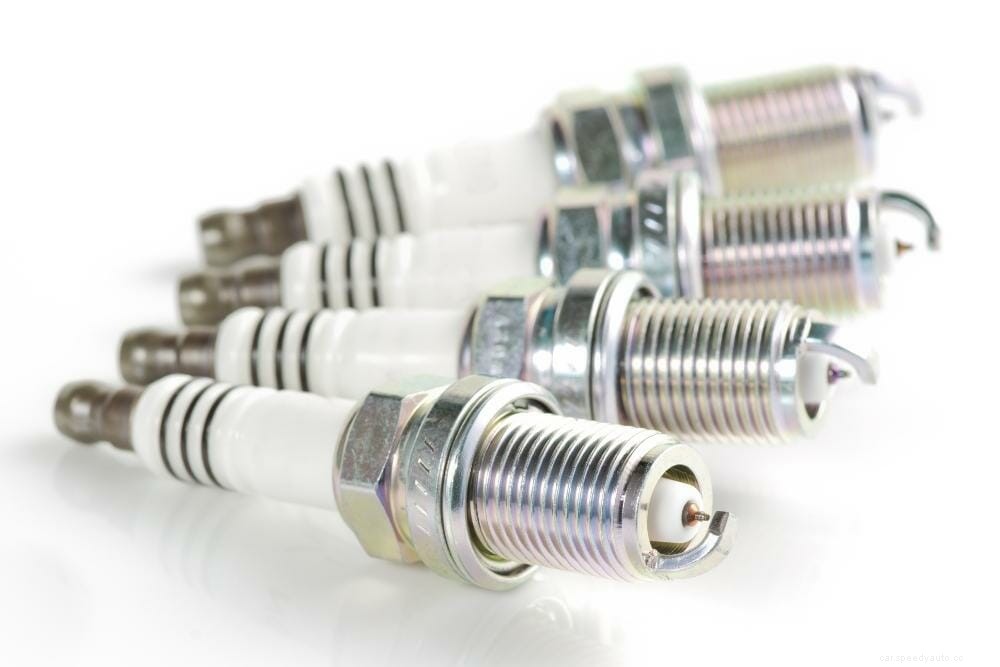
Yes, you can get carbon buildup on iridium spark plugs. Iridium spark plugs work just like any other, and they’re affected just the same from carbon buildup.
One way to help reduce the risk of carbon buildup is to install a cold-air intake system on your vehicle. A cold-air intake system brings in cooler air from outside the engine bay, which helps to promote better fuel combustion and reduces the risk of carbon buildup.
If you’re not sure whether a cold-air intake is right for your vehicle, consult with a qualified technician. They can help you decide which type of intake system is best for your car and how to install it properly.
Yes, bad gas can cause carbon buildup. When you put low-quality or dirty gasoline into your car’s tank, it causes the engine to suck in more dirt and grime, which leads to carbon fouling of the spark plugs.
The best way to avoid this is by using high-quality gasoline and keeping your fuel injectors clean. If you follow these instructions, you will keep your engine running clean and free of carbon buildup.
The best way to remove carbon buildup from a spark plug is by using a wire brush. Scrub the plug until all of the carbon is removed, then rinse it with cold water until all of the soap is gone. Allow the plug to dry completely before reassembling it into the engine.
If you’re not sure how to remove carbon buildup from a spark plug, consult with a qualified technician. They can help you properly clean the plug and prevent future carbon fouling.
It’s usually better to clean the spark plugs than to replace them. Spark plugs can be expensive, and if you replace them every time they get dirty, you’ll end up spending a lot of money on replacements.
The best way to avoid this is by keeping your air filter and fuel injectors clean. If you follow these instructions, you will keep your engine running clean and free of carbon buildup, which will help extend the life of your spark plugs.
The most common cause of carbon buildup on spark plugs is a dirty air filter. When the air filter is dirty, it causes the engine to suck in more dirt and grime, which leads to carbon fouling of the spark plugs.
Another common cause of carbon buildup on spark plugs is a dirty fuel injector. When the fuel injector is dirty, it causes the engine to suck in more dirt and grime, which leads to carbon fouling of the spark plugs.
The best way to prevent carbon-fouled spark plugs is by keeping your air filter and fuel injectors clean. If you follow these instructions, you will keep your engine running clean and free of carbon buildup.
