
If you’re like most drivers, you probably don’t think about your spark plugs all that often. But if you start to experience some strange symptoms – such as oil in the spark plug well – it’s time to start paying attention!
In this blog post, we’ll discuss what can cause the oil in the spark plug well, and we’ll also provide a few tips on how to fix the problem.
The spark plugs are the devices that deliver electric current to the engine’s combustion chamber. The spark plug is an essential element of your car’s engine because it initiates the combustion process by creating sparks in the combustion chambers.
Your vehicle needs a steady stream of fuel, air, and electrical currents in order to run properly. You need quality spark plugs to make sure these elements work together without any problems.
Today’s gas engines require highly specialized components that must be stored in a reliable spot. This is why there are only certain locations designated for the placement of these necessary components. The spark plug well is one of those important storage units. It contains the ignition coil, spark plugs, and wires all within an enclosed unit.
When you have to change the plugs or coils, it’s likely due to them being worn out so never neglect this area when needing to replace these items if they are burned out or broken.
The spark plug well itself is typically located alongside another component called the starter solenoid, which also holds other vital electrical components related to starting the engine. However, both the spark plug well and starter solenoid are mounted at different locations within the same general area.
For instance, on the Ford F-150 trucks from the United States, these items are both found above the starter motor near the firewall, which is by the front of the engine compartment.
On other makes and models not only will you see different parts of these components but they can also be found under or even inside of your vehicle’s hood. It all depends on what type of vehicle you’re driving as well as where it was manufactured plus any aftermarket modifications that may have been made to your particular model.
The positioning of these two components along with others can vary greatly depending on what kind of vehicle you’re working with. However, they are typically stored within close proximity to one another.
A car’s engine typically contains multiple cylinders with pistons producing mechanical energy which then moves the crankshaft through a series of gears. The crankshaft then generates rotational motion which makes the wheels turn.
Now, imagine your engine is a big room filled with people, and each person represents a cylinder inside of the engine.
When it’s time to start the car, an electrical impulse will open up a small door in each of these cylinders. In this analogy, that would be like opening a door into the room allowing all of the people to come rushing out at once.
This causes compression on one side, forcing air and fuel into another smaller chamber known as the combustion chamber.
The head of each piston has a small metal tube attached called a spark plug, which is connected by wire directly to your battery or ignition coil pack where there are multiple electronic circuits reading your engine’s load.
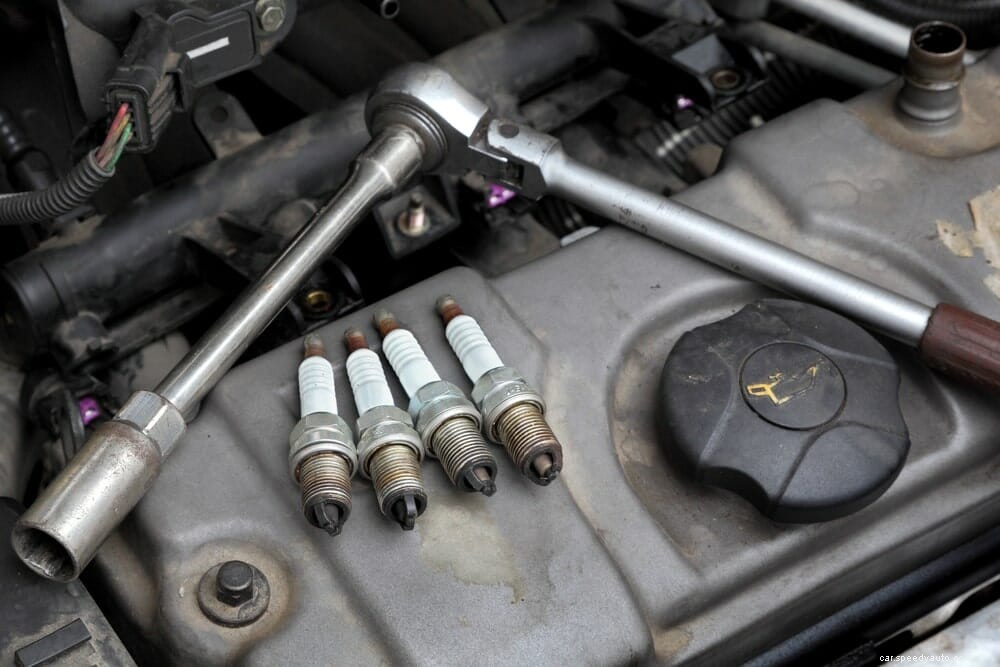
Once this circuit detects enough energy from your engine, it will close its doors shutting off access to the combustion chamber. This is where the spark plugs come into play; the electrical current sent through the spark plugs creates a spark inside of its metal tube which has pressurized air and gas around it to create that ‘BOOM!’ effect.
As you can see, your car’s engine functions off electricity, which means their components must be able to deliver steady electric currents at all times while also being durable enough to work in harsh conditions while hot or cold.
If anything goes wrong with any circuit or connection in your car, there can be serious problems resulting in major damage not only to the physical parts but the people riding in them as well.
That’s why proper lubrication maintenance should always be done on these sensitive parts. Be sure to check your spark plug wiring, cables and connections at least once a year for any signs of damage.
There are a few different ways that oil can get into the spark plug well and each one has its own set of symptoms. Some of the most common causes include:
Oil in the spark plug well is caused by a number of different factors, most notably head gasket leaks and failing cylinder head valve seals. It can also be due to an issue with your PCV valve if it’s not working properly.
You may notice some symptoms such as excessive smoke coming out of your tailpipe and/or misfiring during acceleration but these won’t necessarily indicate that there are problems underneath the hood (although they can still mean other things as well!).
To determine if this is causing your car troubles, you’ll need to take a look inside each spark plug well and see if there’s any residue or buildup around them. If so then it might be time for some repairs!
If the head gasket has failed on its side of things then replacing it should help solve your problems but this isn’t always an easy job depending on how bad off things are right now.
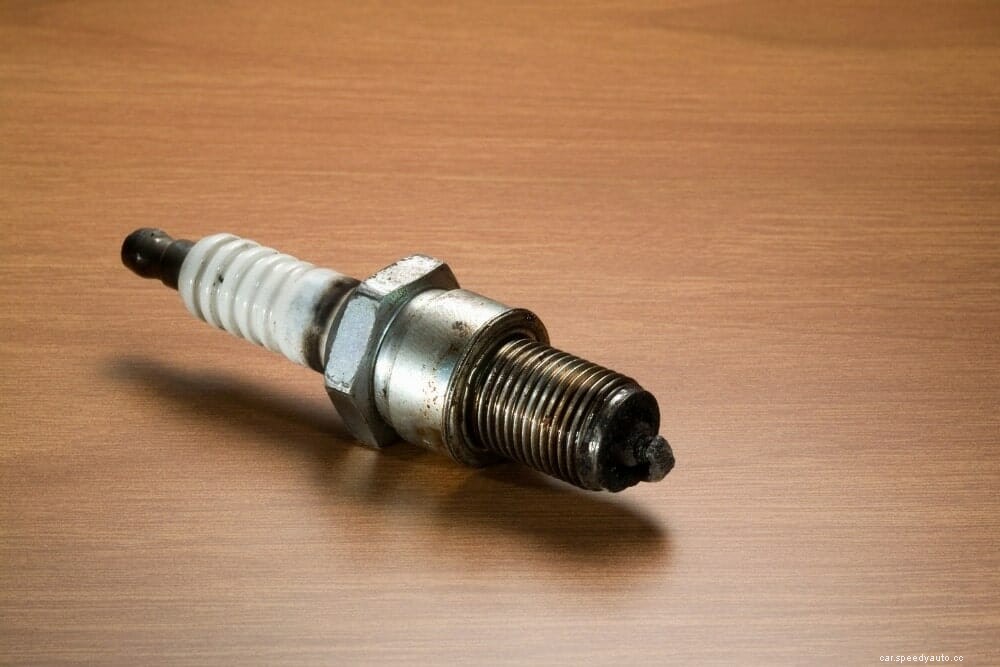
If you’re not sure whether or not there is oil in the spark plug well, then it’s time to take a look! Start by removing all four spark plugs from your engine so that they can be cleaned out properly before installing them back into place after everything has been fixed up (if needed).
You’ll need an extension cord for this job as well because you cannot reach into each cylinder without one due to its location within the engine block itself.
Next, use compressed air and clean out any debris/sludge buildup inside of these wells using a small brush such as toothbrushes or pipe cleaners if necessary. Just make sure they aren’t too big because you don’t want them to fall all the way down into the cylinders.
Finally, take a look at each spark plug well and see if there is any evidence of oil residue or film on the outside of it. If there is, then that’s a pretty good indication that oil has been getting past the seals and into your engine.
The engine in your car is typically covered with a metal cap that protects all the components inside the engine from any dirt or other contaminants that could enter.
The spark plug well, which holds the spark plugs, may have an opening on top of it to allow air to flow through so oxygen can pass through to help ignite fuel. This opening can let in debris, including oil residue from lubrication systems, even if you are changing the motor oil for regular maintenance.
If this happens, some components inside your engine can be damaged along with the spark plugs themselves.
When oil enters your vehicle’s engine, it will affect several different parts of the motor over time. First, it will damage the spark plugs by reducing their ability to generate a spark.
Once the oil seeps into your engine, it will also coat cylinders walls and other parts of your vehicle’s motor, which will cause problems with heat dissipation. This can result in blown head gaskets because of overheating or could even lead to damage of internal rods.
Oil entering the interior of your car’s engine is never good news. If left unchecked, this buildup will eventually clog up components like fuel lines and filters as well as affect how well a system operates internally.
The oil accumulation on top of a cylinder can mean that there is lowered compression so cylinders will not fire correctly and can cause problems with fuel injection systems. Additionally, oil on top of a piston ring will reduce the compression in that cylinder so your car will have trouble accelerating or idling smoothly.
Oil residue on the outside part of a component has long-term effects as well. It can affect how an engine breathes and operates because of its negative impact on rubber components within your vehicle.
This can lead to reduced fuel economy or even more expensive repairs down the road such as rebuilding valves, replacing gaskets, or other necessary maintenance work when they wear out too quickly. Over time this buildup may also cause sticking in rubber parts like injectors and seals, which will lead to more serious internal engine problems.
Now that you know how to check for and identify oil in the spark plug well, it’s time to discuss how you can go about fixing the problem. Depending on what’s causing the issue in your specific case, there are a few different methods that you can try:
It’s not recommended for the average person to try to replace the valve cover gasket because it can be a difficult and time-consuming job. If you’re feeling up for it, however, then there are a few tutorials online that can walk you through the process.
Engine sealant is definitely an option if you’re experiencing problems with your cylinder head valves leaking oil. This is a temporary fix, however, and the sealant will eventually wear off so you’ll need to have the issue fixed properly at some point.
It’s possible that a bad O-ring could be causing oil to leak into the spark plug well. If this is the case, then replacing the O-rings should take care of the problem.
If you’re having problems with your PCV valve, then you can try using a different one but it’s not always guaranteed to fix the issue. You may also need to clean out and reinstall the PCV valve if it’s dirty or clogged.
If the pistons in your engine are bad, then it’s possible that this is causing oil to leak into the spark plug well. In this case, you’ll need to have the pistons replaced in order to fix the problem.
This really depends on how often you drive your car and what type of driving you do. If you only drive a short distance every day, then you may be able to go several months or even a year before needing to replace your spark plugs.
If you drive long distances frequently, however, then they will need to be replaced more often.
It’s important to note that replacing your spark plugs should only be done as a last resort because it’s not a very cost-effective solution. There are other ways to take care of the problem without having to spend money on new spark plugs.
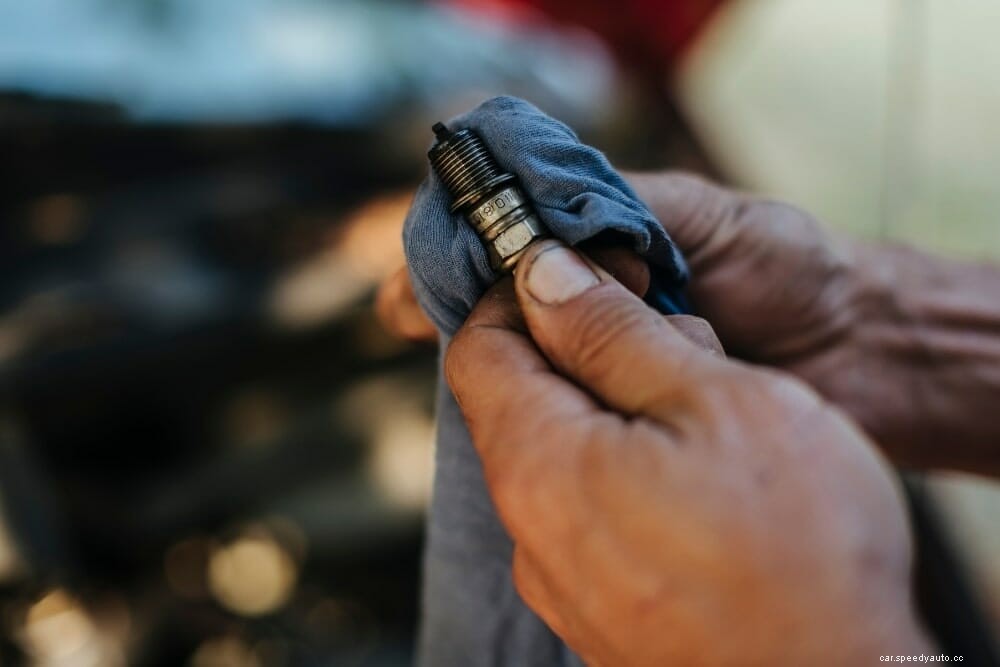
WD-40 should not be used as a cleaning agent for your spark plugs because it can damage them and ultimately affect their performance. There are specific cleaners that are made for this purpose and you should only use those.
There are a few things you can do to help prevent oil from getting into your spark plug well. First, make sure that all of the seals and gaskets around the cylinders are properly installed and in good condition.
Second, change your vehicle’s oil regularly as recommended by its manufacturer so it doesn’t get too dirty or thick with sludge buildup which could lead to more problems down the road!
In summary, oil in the spark plug well is caused by either a head gasket leak or failing cylinder head valve seals. It can also be due to an issue with your PCV valve if it isn’t working properly.
You may notice some symptoms such as excessive smoke coming out of your tailpipe and/or misfiring during acceleration but these won’t necessarily indicate that there are problems underneath the hood (although they can still mean other things as well!).
To determine if this is causing your car troubles, you’ll need to take a look inside each spark plug well and see if there’s any residue or buildup around them. If so then it might be time for some repairs!
If the head gasket has failed on its side of things then replacing it should help solve your problems but this isn’t always an easy job, depending on how bad off things are right now.
On the top hand, cylinder valve seals could just need new sealant applied around them (and maybe even cleaned out beforehand). Finally, check that PCV valve because sometimes these get stuck open which allows oil vapors into the intake manifold where they do not belong – try cleaning first before replacing just in case!
