
When it comes to alternative fuels, ethanol is one of the most popular options. E85 is a blend of 85% ethanol and 15% gasoline, and it can be used in vehicles that are compatible with it. In some cases, people may be wondering if they can use regular gasoline instead of E85 in their vehicles.
Yes, you can mix E85 with regular gas, but the mixture may not be ideal. E85 is a blend of 85% ethanol and 15% gasoline.
If you mix it with 50% regular gas, the ethanol percentage will be too high and it could damage your engine. It’s best to stick with a fuel that’s designed for your vehicle.
In this article, we will explore the differences between regular gas and E85, as well as whether or not it is possible to mix them together.
E85 is a fuel blend that contains 85% ethanol and 15% gasoline. It is commonly used in Flex Fuel vehicles, which can run on either E85 or gasoline. E85 is available at many gas stations across the United States.
Ethanol is a renewable fuel made from plants like corn and sugarcane. When burned, it releases carbon dioxide into the atmosphere, but it also captures carbon dioxide during growth. This makes ethanol a “carbon-neutral” fuel.
Flex Fuel vehicles are designed to run on both E85 and gasoline. They have special engines and fuel systems that are compatible with ethanol.
Many people choose to use E85 because it is a renewable fuel and it reduces our dependence on oil. It also has a lower carbon footprint than gasoline. However, E85 can be more expensive than gasoline, and it can be difficult to find in some areas.
There are several pros and cons of using E85:
A flex-fuel vehicle (FFV) is a car that can run on a blend of ethanol and gasoline, or on pure ethanol. The ethanol can be either from corn or from other plant materials.
All new cars come with an engine management system that adjusts for any blend of ethanol and gasoline. This means that you can use any combination of the two fuels without having to worry about damage to your car.
Most FFVs are able to run on blends of up to 85% ethanol but check with your car manufacturer to see what the maximum limit is. Using a higher percentage of ethanol than your car is designed for can cause problems like engine knocking and pinging.
A flex-fuel vehicle is a great way to reduce emissions and save money on fuel costs. Just be sure to mix the two fuels in the right proportions and you’ll be good to go!
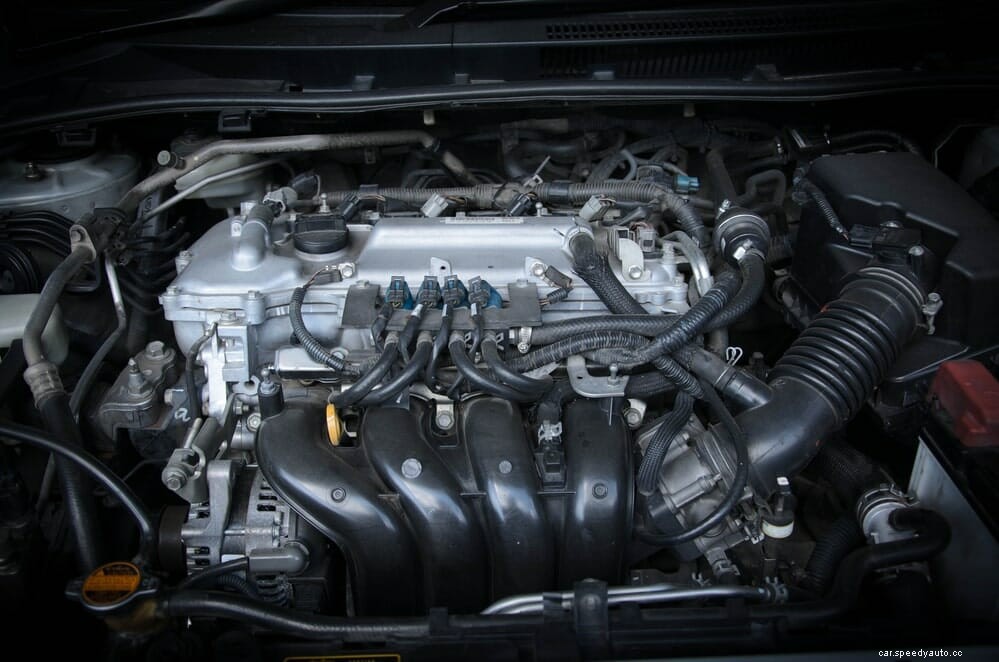
Flex-fuel engines are able to run on gasoline, ethanol, or a mixture of both. The engine can automatically adjust the ratio of ethanol to gasoline based on the fuel available.
The sensors in the fuel system monitor the ethanol content and send a signal to the engine computer. This signal tells the computer how much ethanol is in the fuel and how much power the engine needs.
The computer then adjusts the air-to-fuel ratio and other engine parameters to ensure optimal performance. If there is no ethanol in the fuel, the engine will operate just like a regular gasoline engine.
If there is more ethanol than gasoline in the fuel, the computer will increase the amount of ethanol that is injected into the cylinders.
If there is less ethanol than gasoline in the fuel, the computer will decrease the amount of ethanol that is injected into the cylinders. Flex-fuel engines can run on any ratio of ethanol to gasoline, from 100% ethanol to 0% ethanol.
Flex-fuel engines are available in many different engine sizes and configurations. They can be used in cars, trucks, vans, buses, and other vehicles.
The short answer is yes, most regular gas has ethanol in it. The percentage of ethanol in regular gas can vary, but it’s usually around 10%.
Ethanol is a renewable fuel made from plant materials, such as corn. It’s blended into gasoline to help reduce emissions and improve fuel economy.
Some vehicles can run on pure ethanol, but most cars need a blend of ethanol and gasoline to run properly. The computer in your car will adjust for any blend up to 85% ethanol. Mixing E85 with 50% regular gas shouldn’t be a problem.
Some people are concerned that ethanol can damage engines, but the truth is, ethanol-blended gasoline has been in use for more than a decade and there’s no evidence that it causes any damage. In fact, using ethanol can actually help clean your engine and improve its performance.
The short answer is yes, you can mix E85 with regular gasoline. The two fuels will blend together without any problems.
However, there are a few things to keep in mind if you’re going to mix the two fuels. First, make sure that your car can run on ethanol. Not all cars can, so check your owner’s manual or contact the manufacturer if you’re not sure.
Second, be aware that using a higher percentage of ethanol can cause some problems. For example, if you use too much E85 in your tank, the engine may start knocking and pinging. This is because ethanol has more energy than regular gasoline and can overload the engine if it’s not adjusted for it.
Third, try to stick to a 50/50 mix of E85 and regular gas. This will help ensure that your car runs smoothly and doesn’t experience any problems.
There is no evidence that suggests that mixing gas can damage a flex-fuel vehicle. In fact, using a blend of ethanol and gasoline is the best way to keep your car running smoothly.
However, it’s always a good idea to check with your car manufacturer to make sure that your vehicle can handle different blends of ethanol. Some cars are not able to run on anything other than pure gasoline, so it’s important to know what kind of fuel your car needs.
Using E85 in a flex-fuel vehicle is a great way to reduce emissions and save money on fuel costs. Just be sure to mix the two fuels in the right proportions and you’ll be good to go!
An octane rating is a measure of a fuel’s ability to resist “knocking.” Knocking is a sound that you’ll hear when the air-fuel mixture in the cylinders is detonating in more than one place at a time. It’s sort of like knocking on a door.
Detonation can damage the engine and it’s important to use a fuel that has an octane rating high enough to resist it. Most regular gasoline has an octane rating of 87. E85 has an octane rating of around 100.
There is a lot of debate over whether or not the E85 can increase the performance of a non-flex car. Some people say that it can, while others are convinced that it cannot. The truth is, there is no definitive answer.
It depends on the make and model of the car, as well as the specific engine.
Generally speaking, however, using E85 in a non-flex car is not likely to result in any significant performance gains. In fact, in some cases, it may even reduce performance. This is because E85 has less energy content than gasoline – about 33% less.
So if your car isn’t designed to run on E85, you may find that it doesn’t perform as well when you switch to this fuel.
There are a few things you can do to improve the performance of a non-flex car that is running on E85, however. One is to make sure that your engine is properly tuned for this fuel.
You may also need to upgrade your engine components, such as the fuel system and the ignition system. And finally, you can increase the octane rating of your fuel by using an octane booster. This will help your car run more efficiently and achieve better performance.
An octane booster is a fuel additive that is designed to increase the octane rating of gasoline. The higher the octane rating, the less likely the fuel is to detonate prematurely in the engine. This can lead to improved performance and reduced engine wear.
Octane boosters are available as both liquid and powder additives. They typically contain high levels of aromatic hydrocarbons, which are compounds that contain carbon and hydrogen atoms arranged in a ring.
When these hydrocarbons are injected into the engine, they help to suppress knocking and other forms of combustion irregularity.
There are a number of different octane boosters on the market, and each one is designed for a specific type of gasoline. It is important to read the label carefully to make sure that you are using the correct booster for your fuel. Using the wrong type of booster can actually damage your engine.
If you are looking to improve the performance of your vehicle, consider using an octane booster. They are available at most automotive stores, and they are easy to use.
Just be sure to follow the directions on the bottle carefully, and always test the octane rating of your fuel before adding any boosters.<
Racing fuel is a type of fuel that is specifically designed for use in high-performance racing vehicles. It has a higher octane rating than regular gasoline, and it is typically used in engines that have been modified for racing.
Octane boosters are additives that can be added to regular gasoline to increase the octane rating. They are not designed for use in high-performance racing engines, and they should not be used in place of racing fuel.
If you are looking to improve the performance of your vehicle, consider using racing fuel. It is available at most automotive stores, and it is easy to use. Just be sure to follow the directions on the bottle carefully, and always test the octane rating of your fuel before adding any boosters.
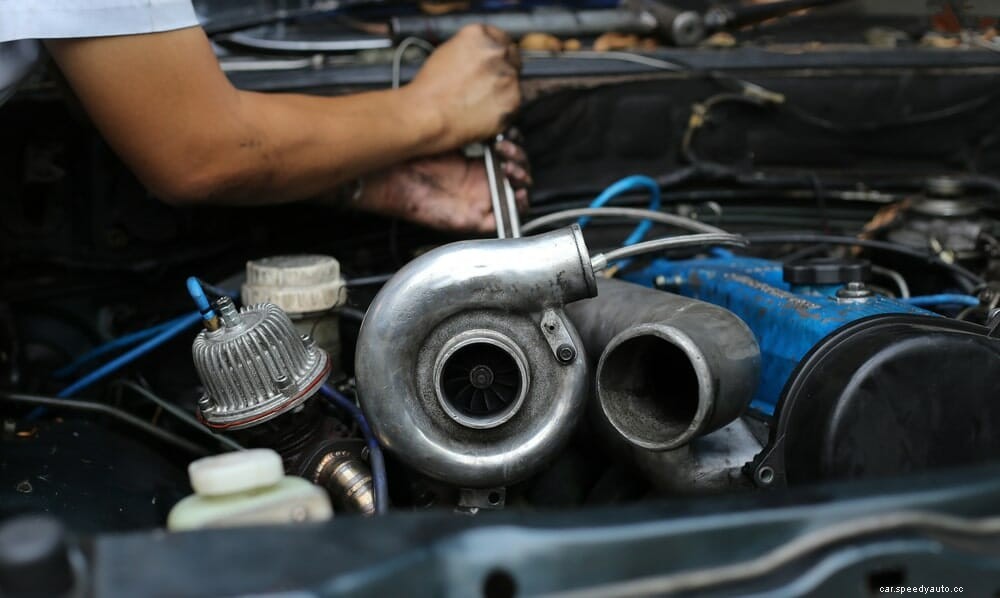
Yes, you can use an octane booster if your car has a turbocharger. However, you should only use boosters that are specifically designed for use with turbocharged engines. Using the wrong type of booster can damage your turbocharger.
If you are looking to improve the performance of your vehicle, consider using an octane booster that is designed for use with turbocharged engines. They are available at most automotive stores, and they are easy to use.
Just be sure to follow the directions on the bottle carefully, and always test the octane rating of your fuel before adding any boosters.<
No, octane boosters do not work in diesel engines. Diesel engines typically require diesel fuel. Octane boosters are designed for use with gasoline engines only.
No, you should not mix different types of octane boosters. Each type of booster is designed for a specific type of gasoline. Using the wrong type of booster can damage your engine.
If you are looking to improve the performance of your vehicle, consider using an octane booster that is designed for your type of gasoline
Yes, you can use an octane booster if your car runs on ethanol. However, you should only use boosters that are specifically designed for use with ethanol-powered engines. Using the wrong type of booster can damage your engine.
If you are looking to improve the performance of your vehicle, consider using an octane booster that is designed for use with ethanol-powered engines. They are available at most automotive stores, and they are easy to use.
Just be sure to follow the directions on the bottle carefully, and always test the octane rating of your fuel before adding any boosters.
In conclusion, you can mix E85 with regular gasoline without any problems. However, it’s always a good idea to check with your car manufacturer to make sure that your vehicle can handle different blends of ethanol.
Using a blend of ethanol and gasoline is the best way to keep your car running smoothly. And finally, remember that using E85 in a non-flex car may not result in any significant performance gains.
If you’re looking for better performance, you may need to upgrade your engine components or use an octane booster.
