
You’ve probably heard the terms unleaded and regular gas were thrown around before, but what do they actually mean? Are they the same thing?
In short, yes – unleaded gas is the same as regular gas. Leaded gas is forbidden since the 1970s and is no longer available at the pump because of health issues related to neurological diseases.
In this article, we will answer that question and explain the difference between unleaded and regular gas. We’ll also take a look at why leaded gas is no longer used in most parts of the world. Stay tuned for an in-depth explanation of these topics!
Unleaded gasoline is a type of gasoline that contains no lead. It was first introduced in the 1970s as a replacement for leaded gasoline.
Unleaded gasoline is less harmful to the environment and is the preferred choice for most motorists. It is also more expensive than leaded gasoline.
Lead was once used in gasoline because it helped to increase the octane level, which is a measure of a fuel’s ability to resist “knocking” or “pinging” during combustion.
However, lead is harmful to humans and can cause neurological damage, especially in children. It also contributes to air pollution.
Unleaded gasoline has largely replaced leaded gasoline in the United States and most other countries. Some older vehicles still require leaded gasoline, but these are becoming increasingly rare. Many automakers now produce only unleaded vehicles.
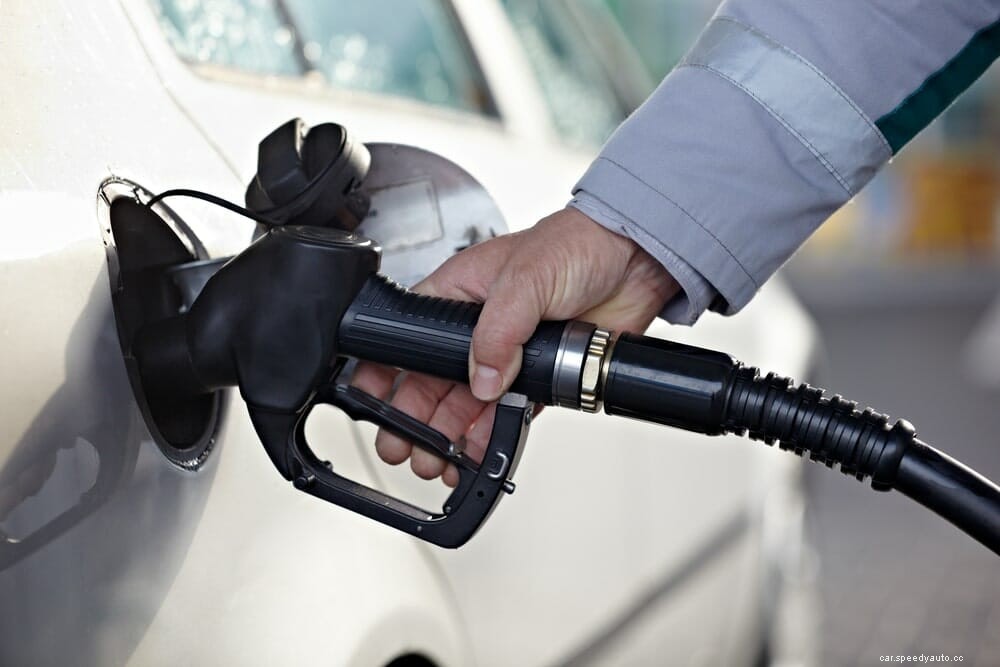
Regular gasoline is a type of gasoline that has a lower octane level than premium gasoline. It is the most common type of gasoline and is used in most vehicles.
Most vehicles require regular gasoline, but some require premium gasoline. In general, vehicles with high-performance engines or those that are used for racing require premium gasoline. Some luxury cars also require premium gasoline.
Many motorists use regular gasoline because it is less expensive than premium gasoline. However, using regular gasoline in a vehicle that requires premium can decrease performance
Yes, unleaded gas is the same as regular gas. Leaded gas is forbidden since the 1970s and is no longer available at the pump.
Today, unleaded gasoline is the standard choice for motorists because it is more environmentally friendly and has a higher octane level than regular gasoline. It is also more expensive.
However, many motorists find that using regular gasoline in a vehicle that requires a premium can decrease performance or damage the engine. For these reasons, it is important to always use the type of gasoline that is recommended for your vehicle.
There are many factors that go into the price of gasoline, including where you are buying it, what brand you are buying, and what type of gasoline it is. The main types of gasoline are regular and premium.
Regular gasoline usually has an octane rating of 87. Premium gas has an octane rating of 91 or higher. The higher the octane rating, the more compression the fuel can withstand before detonating.
Detonation can cause engine damage, so engines need to be designed to run on a specific octane rating. Engines that require premium gasoline can run on regular gasoline if it is of a lower octane rating, but the engine will not run as efficiently and may produce less power.
Some cars can also use E85 fuel, which is a blend of 85% ethanol and 15% gasoline. Cars that can use E85 usually have a flex-fuel badge on the rear bumper.
There are many factors that go into the price of gasoline, including where you are buying it, what brand you are buying, and what type of gasoline it is. The main types of gasoline are regular and premium.
The internal combustion engine is the most common type of engine in cars today. It works by burning gasoline and air in a small chamber called a cylinder.
This creates high pressure and heat that forces the piston down the cylinder, which turns the crankshaft and powers the car. The engine has four main components: intake, compression, power, and exhaust strokes.
The intake stroke begins when the piston moves down the cylinder and sucks in air and gasoline from the carburetor or fuel injection system. The compression stroke begins when the piston reaches the top of the cylinder and compresses the air and gas mixture.
This creates heat and pressure that ignites the mixture, causing the piston to move down again. The power stroke is the most important stroke because it creates the force that powers the car.
The exhaust stroke begins when the piston reaches the bottom of the cylinder and pushes the burnt gases out of the engine.
The engine is timed so that these four strokes happen over and over again, thousands of times per minute. The speed of the engine is controlled by the throttle, which is a valve that regulates how much air and gas mixture gets into the cylinders.
When you step on the gas pedal, you open the throttle, which allows more air and gas mixture in, and makes the engine run faster.
When you let go of the pedal, the throttle closes, which restricts the air and gas mixture and makes the engine run slower. Different engines have different numbers of cylinders, which affects the power and speed of the car. Larger engines have more cylinders, while smaller engines have fewer cylinders.
The engine also has a number of other components that help it run smoothly, including the oil pump, water pump, spark plugs, and valves. The oil pump circulates oil throughout the engine to keep the parts lubricated.
The water pump keeps the engine cool by circulating water through it. Spark plugs create a spark that ignites the air and gas mixture in the cylinders. And the valves open and close to let in air and gas and expel exhaust gases.
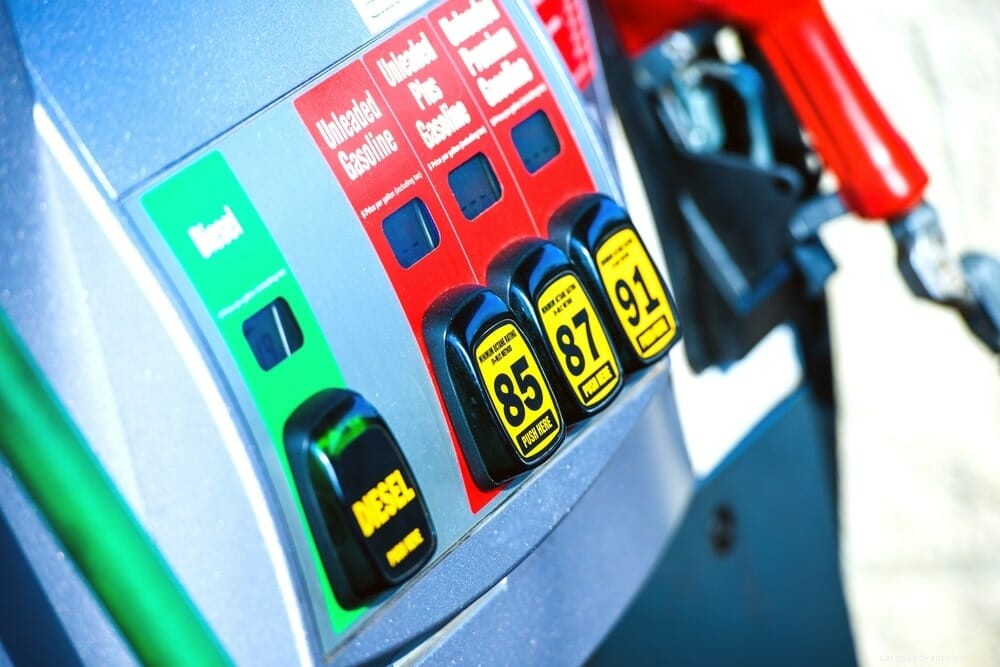
The octane rating is important because it affects the compression of the fuel. The higher the octane rating, the more compression the fuel can withstand before detonating.
Detonation can cause engine damage, so engines need to be designed to run on a specific octane rating. Engines that require premium gasoline can run on regular gasoline if it is of a lower octane rating, but the engine will not run as efficiently and may produce less power.
Your car’s owner’s manual will list the type of gasoline that your car requires. If you don’t have the owner’s manual, you can usually find the information on the fuel door or gas cap. The fuel door or gas cap will have a sticker that lists the type of gasoline that the vehicle needs.
Your car will not go faster if you change from regular to premium gasoline. The octane rating is important because it affects the compression of the fuel. The higher the octane rating, the more compression the fuel can withstand before detonating.
Detonation can cause engine damage, so engines need to be designed to run on a specific octane rating.
Engines that require premium gasoline can run on regular gasoline if it is of a lower octane rating, but the engine will not run as efficiently and may produce less power.
If you put the wrong type of fuel in your car, it can damage the engine. For example, if you put diesel fuel in a gasoline-powered car, the diesel fuel will not ignite properly and this can cause damage to the engine.
The short answer is maybe. The long answer is that it depends on the engine. Most engines these days are designed to run on regular unleaded fuel, and using premium gas can actually end up doing more damage than good.
However, there are certain engines that require or perform better with premium gasoline. If you’re not sure whether your engine falls into this category, it’s best to consult your car’s manufacturer or an automotive expert.
In general, using premium gasoline in a car that doesn’t need it is a waste of money.
You’re essentially paying more for a product that won’t do anything to improve your vehicle’s performance. So unless you know for sure that your engine needs premium fuel, stick with the regular stuff—your wallet will thank you.
Diesel fuel does not have octane ratings the way gasoline does. Diesel is formulated to ignite without a spark, making it perfect for use in engines that rely on compression to start combustion. This makes diesel a good choice for trucks and other vehicles that need to generate a lot of power.
However, because diesel doesn’t have octane ratings, it can be harder to tell whether you’re using the right type of fuel in your car.
Many newer diesel cars are designed to run on regular unleaded fuel, but if you’re not sure, it’s best to check with your car’s manufacturer or an automotive expert.
Using the wrong type of fuel in a diesel engine can lead to serious damage, so it’s important to make sure you’re using the right type of fuel for your car.
If you’ve accidentally put diesel fuel in your gasoline-powered car, don’t panic. There are a few things you can do to minimize the damage.
The first thing you should do is stop driving the car. This will help prevent further damage to the engine. Next, try to siphon out as much of the diesel fuel as possible. You can do this using a hose or a container.
Once most of the diesel fuel has been removed, fill up the car with gasoline and drive it until it’s empty. This will help clean out the remaining diesel fuel from the engine.
Finally, take your car to a mechanic for a tune-up. This will help repair any damage that may have been caused by the diesel fuel.
If you put gasoline in a diesel car, the most likely consequence is that the engine will stop running. This is because diesel and gasoline are two different types of fuel, and they don’t mix well together.
In addition to causing the engine to stop running, putting gasoline in a diesel car can also damage the fuel system and the engine itself. So if you do accidentally put gasoline in your diesel car, it’s important to take it to a mechanic right away for repair.
If you’ve put only a little gas in a diesel car, you can just fill the rest of the tank with diesel. It won’t cause any damage as the gas level won’t be significant enough to cause damage.
E85 is a type of fuel that contains 85% ethanol and 15% gasoline. It’s designed for cars that run on flex-fuel engines, which are able to run on either ethanol or gasoline.
If you have a car that runs on flex fuel, you can use E85 as your fuel source. However, if you don’t have a flex-fuel engine, using E85 will damage your car’s engine. So it’s important to make sure that your car is compatible with E85 before using it as a fuel source.

In the United States, the octane levels available for gasoline are 87, 89, 91, and 93. However, not all gas stations offer all three of these octane levels.
In conclusion, regular unleaded gasoline is the same as regular gasoline. The octane rating is important because it affects the compression of the fuel. The higher the octane rating, the more compression the fuel can withstand before detonating.
Detonation can cause engine damage, so engines need to be designed to run on a specific octane rating.
Engines that require premium gasoline can run on regular gasoline if it is of a lower octane rating, but the engine will not run as efficiently and may produce less power. If you put the wrong type of fuel in your car, it can damage the engine.
