
If you’re like most drivers, the thought of cleaning your exhaust tips probably doesn’t bring a lot of excitement. In fact, it’s probably pretty far down on your list of things to do.
But what if we told you that it’s actually not that difficult – and that you can use household items like WD40 to get the job done?
You can clean your exhaust tips with some common household items like WD40. First, make sure that the area around the exhaust tip is clear of any debris. Next, spray the WD40 onto a clean cloth and wipe down the surface of the exhaust tip.
Finally, use a toothbrush to scrub any stubborn dirt or grime off of the exhaust tip. Repeat these steps as necessary until the exhaust tip is clean. You can also use vinegar and Coca-Cola, but the procedure is a little bit different.
Carbon buildup can be a real pain, but with this guide, you’ll be able to clean your exhaust tips in no time!
There are many things that can cause carbon buildup on exhaust tips, but the most common causes are:
If you notice your exhaust tips turning black, it’s likely due to carbon buildup. There are several things that can cause this, but the most common causes are soot from burning oil and fuel additives.
To prevent carbon buildup, be sure to use the correct air/fuel mixture and avoid using any fuel additives that may increase carbon buildup. If you do use fuel additives, be sure to read the labels carefully to see if they may increase carbon buildup.
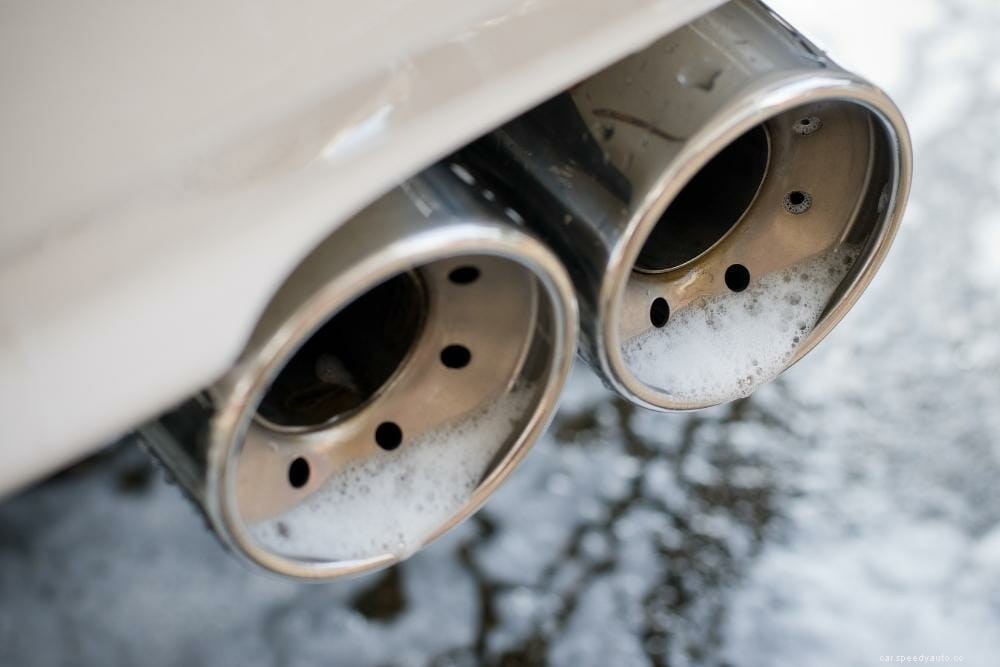
If you notice carbon buildup on your exhaust tips, there are several things you can do to prevent it in the future. The most important thing is to use the correct air/fuel mixture. You should also avoid using fuel additives and change your oil regularly.
If you have a carbon buildup that has already occurred, you can have your exhaust system professionally cleaned.
Yes, WD40 can clean exhaust tips. To clean your exhaust tips with WD40, first, make sure the area around the exhaust tip is clear of any debris. Next, spray the WD40 onto a clean cloth and wipe down the surface of the exhaust tip.
Finally, use a toothbrush to scrub any stubborn dirt or grime off of the exhaust tip. Repeat these steps as necessary until the exhaust tip is clean. You can also use vinegar and Coca-Cola, but the procedure is a little bit different.
If you have carbon buildup on your exhaust tips, you can clean them with WD40. Here’s how:
To clean your exhaust tips with WD40, simply spray it onto a clean cloth or paper towel and rub the affected area until the carbon buildup is removed. You may need to repeat this process a few times to remove all of the buildups.
Once the tips are clean, apply a thin layer of WD40 to help protect against future build-up.
There are a few household items that can dissolve carbon deposits. WD40 is one of the most popular options, but you can also use vinegar or Coca-Cola. To use WD40, simply follow the steps mentioned above.
For vinegar and Coca-Cola, stay tuned!
If you’re looking for an alternative to WD40, you can use vinegar. Here’s how:
No, vinegar will not damage stainless steel. In fact, it can be used to clean and polish stainless steel. However, you should always use vinegar in moderation as too much can cause corrosion. If you’re concerned about damage, test a small area before cleaning the entire exhaust system.
If you’re looking for an alternative to WD40, you can use Coca-Cola. If your exhaust tips are looking a little dull, you can try cleaning them with Coca-Cola. The carbonic acid in Coke can dissolve rust and dirt build-up.

Here’s how to do it:
Cleaning an aluminum tip is a bit different than cleaning a stainless steel one. First, you’ll want to make a paste out of baking soda and water.
Next, use a clean cloth to apply the paste to the surface of the aluminum exhaust tip. Finally, use a toothbrush to scrub the paste into the aluminum and remove any dirt or grime.
Repeat these steps as necessary until the aluminum exhaust tip is clean. You can also use vinegar or Coca-Cola, but the procedure is a little bit different.
It’s no secret that vehicle exhaust tips can get pretty dirty. Not only is there soot and build-up from the combustion process, but they can also collect road grime, dirt, and other debris. While it may not seem like a big deal, having dirty exhaust tips can actually cause problems with your car or truck.
So how often should you clean your exhaust tips? The answer may surprise you – experts say that you should clean them at least once a month!
Here are a few reasons why:
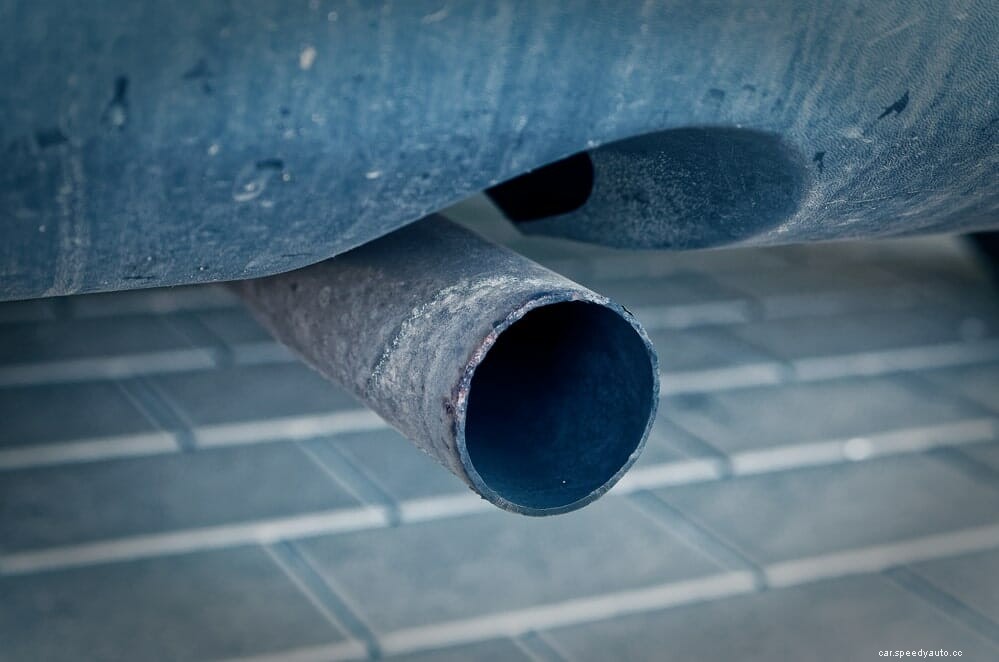
If you don’t clean your exhaust tips regularly, the build-up of soot and grime can actually start to cause problems. It can cause your exhaust system to work less efficiently, and it can also be a fire hazard. In extreme cases, it can even cause your car or truck to overheat.
Let’s face it – no one wants to look at a dirty car. Cleaning your exhaust tips will help to keep your car looking its best.
Cleaning your exhaust tips on a regular basis will actually save you money in the long run. By keeping them clean, you’ll help to extend the life of your exhaust system.
Cleaning your exhaust tips is actually pretty easy – all you need is WD40 and a soft cloth. You can do it in just a few minutes, and it doesn’t require any special tools or equipment.
So there you have it – four good reasons to clean your exhaust tips regularly. So next time you’re washing your car, take a few minutes to give them a good scrub. Your car will thank you for it!
The additives that are most effective at preventing carbon buildup are those that include detergents and dispersants. Detergents help to keep the fuel system clean by breaking up deposits and keeping them suspended in the fuel so they can be burned off.
Dispersants work similarly but also help to prevent new deposits from forming in the first place. Other additives that can help protect against carbon buildup include corrosion inhibitors and lubricity enhancers.
It’s important to use the right type and amount of additive in your fuel, as too much or too little can actually end up causing more problems than it solves. It’s best to consult your vehicle’s owner manual or a qualified mechanic to find out what’s recommended for your particular situation.
There are a few different professional cleaners that you can use for your exhaust tips. One is called polish restorer, which is designed to give back the shine after you remove the soot and grime. Another is called DPF cleaner, which is designed to clean diesel particle filters that cause soot.
These cleaners are available at most auto parts stores, and they’re relatively inexpensive. Using them on a regular basis will help to keep your exhaust system clean and free of carbon buildup.
To use these cleaners, simply follow the instructions on the product label. In most cases, you’ll need to dilute the cleaner with water and then apply it to the exhaust tips with a soft cloth. Let it sit for a few minutes, and then rinse it off with water.
You can also use these cleaners on your car’s engine if needed. Simply Dilute the cleaner with water and apply it to the engine with a soft cloth. Let it sit for a few minutes, and then rinse it off with water.
Yes, you can clean your exhaust tips with a pressure washer. However, you need to be careful not to damage them. Use a low setting on the pressure washer, and hold it at least 12 inches away from the exhaust tips.
Start by spraying the tips with water to loosen any dirt or grime. Then move the pressure washer back and forth across the tips, being careful not to press too hard. When you’re finished, rinse the tips off with clean water.
Yes, you can use a wire brush to clean your exhaust tips. However, you need to be careful not to damage them. Use a soft-bristled brush, and hold it at least 12 inches away from the exhaust tips.
Start by brushing the tips with the brush to loosen any dirt or grime. Then move the brush back and forth across the tips, being careful not to press too hard. When you’re finished, rinse the tips off with clean water.
If you have carbon buildup on your exhaust tips, there are several things you can do to clean them. You can use WD40, vinegar, or Coca-Cola. Simply spray or soak the affected area and scrub away the buildup.
Once the tips are clean, apply a thin layer of WD40 to help protect against future build-up.
