
There are many reasons why the Honda Civic has been one of the most popular cars for decades and still continues to top the charts today.
The Honda Civic is popular because it’s a dependable and fuel-efficient model that comes in a range of body styles and trim levels. The Civic has won numerous accolades throughout the years, making it a popular option for those searching for a high-quality automobile.
There are a few factors to consider when choosing between Civics, such as price and highway noise level, but overall it’s a fantastic vehicle that will serve you well for many years. In this article, we will take a closer look at the Honda Civic and explore why it has become such a popular choice for drivers all over the world!
The history of the Honda Civic can be traced back to its original release in 1972. The Civic was a response to the growing demand for smaller, more fuel-efficient vehicles in the 1970s.
It quickly became one of Honda’s best-selling models and has remained one of the most popular cars on the road for over 40 years.
The first-generation Civic was available as a 2-door coupe or 3-door hatchback. It featured a 1.2L four-cylinder engine that made up to 55 horsepower.
In 1975, a CVCC (Compound Vortex Controlled Combustion) engine was introduced, which helped the Civic meet stricter emissions standards. The CVCC engine would remain in use for several years.
The second-generation Civic was introduced in 1979 and featured a larger, more powerful 1.5L four-cylinder engine. It also marked the debut of the popular Honda CR-X, which was a two-seat hatchback with a sporty feel.
The third generation Civic saw another increase in size and power, as well as the introduction of the first Civic Si model. This generation also saw the debut of the Honda Prelude, which was a two-door sports coupe based on the Civic platform.
The fourth-generation Civic debuted in 1988 and featured a completely redesigned body. It was available in sedan, coupe, and hatchback body styles. The Si model received a more powerful engine, while the standard models were equipped with a fuel-efficient 1.5L four-cylinder.
The fifth-generation Civic was introduced in 1992 and featured a rounded, aerodynamic body style. It was also available in sedan, coupe, and hatchback body styles.
The Si model received a new dual overhead camshaft engine, while the standard models continued to use the single overhead camshaft engines.
The sixth-generation Civic was introduced in 1996 and featured an even more aerodynamic body style. It was available in sedan, coupe, and hatchback body styles.
The Si model received a new 200 horsepower engine, while the standard models continued to use the single or dual overhead camshaft engines.
The seventh-generation Civic was introduced in 2000 and featured a more aggressive body style. It was available in sedan, coupe, and hatchback body styles.
The eighth-generation Civic was introduced in 2005 and featured a more curvaceous body style. It also featured improved handling and a more comfortable ride. These factors, combined with its affordability, made the Civic an attractive choice for first-time car buyers and those looking for a dependable daily driver.
The ninth-generation Civic was introduced in 2011 and featured a more sleek and sophisticated body style. It was available in sedan, coupe, and hatchback body styles. The ninth-generation Civic was also the first to offer a hybrid powertrain option.
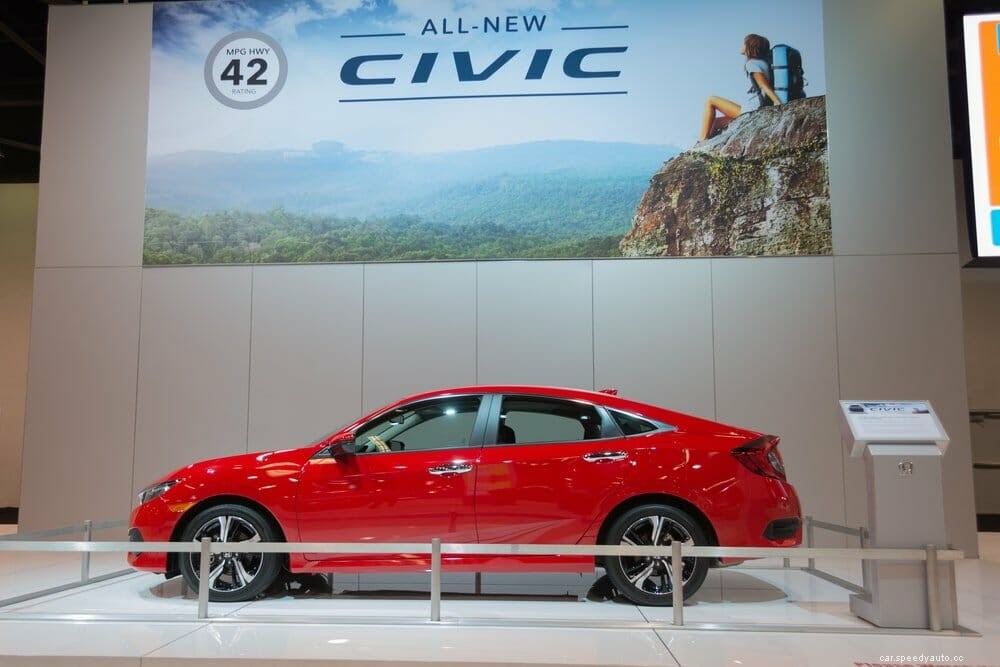
The tenth-generation Civic was introduced in 2016 and featured an even more modern and sporty body style. It is available in sedan, coupe, and hatchback body styles. The tenth-generation Civic is also the first to offer a non-diesel turbocharged engine option.
Today, the Honda Civic remains one of the most popular cars on the road. It is known for its reliability, fuel efficiency, and spacious interior. The Civic has won numerous awards over the years, including being named the North American Car of the Year multiple times.
Honda Civics are popular for a variety of reasons. They’re affordable, reliable, fuel-efficient, and spacious. They also offer a variety of body styles to choose from, so there’s a Civic model to suit every need.
The Civic has won numerous awards over the years, solidifying its status as one of the best cars on the market. Whether you’re looking for your first car or a dependable daily driver, the Honda Civic is an excellent choice.
When it comes to choosing a new car, the Honda Civic is always a good option. It’s affordably priced yet still offers all the features and amenities most drivers want and need. If you’re looking for a reliable and fuel-efficient car with plenty of space, the Honda Civic is a great choice.
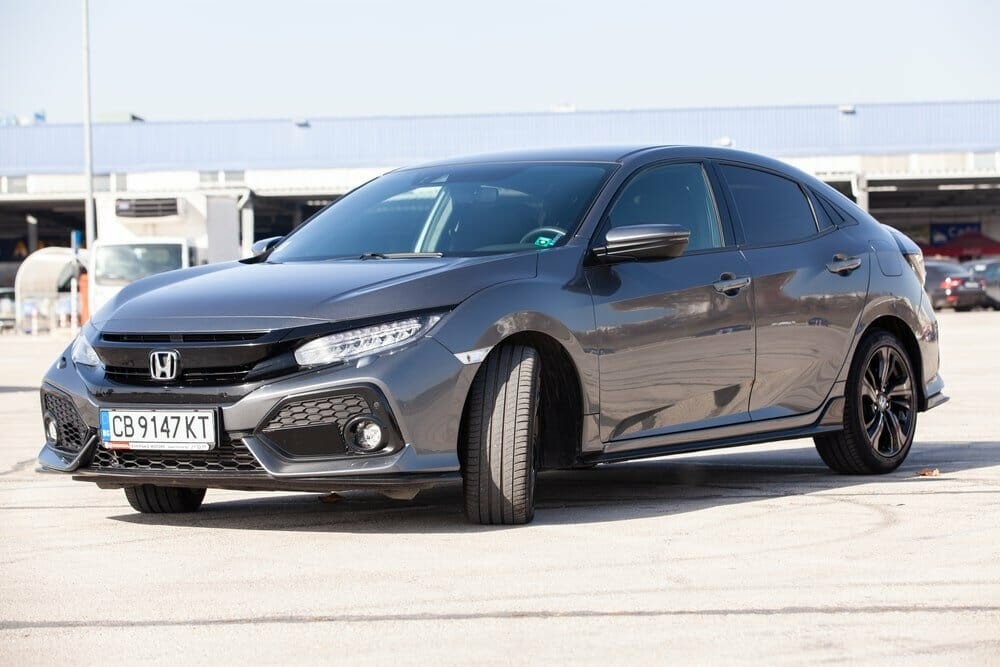
And if you’re looking for a little more power and performance, the Civic Si or Type R models offer an exhilarating driving experience. No matter what you’re looking for in a car, the Honda Civic is sure to meet your needs.
The Honda Civic is one of the most popular cars on the road for good reason. It’s reliable, fuel-efficient, and has a spacious interior. But what makes the Civic really special is its VTEC engine.
VTEC stands for Variable Valve Timing and Lift Electronic Control. It’s a system that allows the engine to switch between two different valve timing and lift profiles. This means that at lower rpm, the engine can run on a less aggressive cam profile for better fuel efficiency.
But when you need more power, like when you’re accelerating onto the highway, the VTEC system switches to a more aggressive cam profile for increased performance.
The result is an engine that gets great gas mileage and still has plenty of power when you need it. That’s what makes the Civic so special. And that’s why it’s been one of the most popular cars on the road for decades.
There are many pros to owning a Honda Civic. One pro is that the Civic is a very reliable car. This means that it will typically have few mechanical issues and will last for many years with proper maintenance.
Another pro is that the Civic gets great gas mileage, meaning it will save you money on fuel costs over time. The Civic also has a spacious interior, making it a comfortable car to drive.
Finally, the Civic has won multiple awards over the years, including being named the North American Car of the Year multiple times, so you can be confident that you’re getting a quality car when you purchase a Civic.
There are also a few cons to owning a Honda Civic. One con is that the Civic can be a bit pricey, especially if you’re looking for a fully-loaded model with all the bells and whistles.
Another con is that the Civic can be a bit noisy on the highway, so if you’re looking for a quiet car to commute in, the Civic may not be the best option. Finally, the suspension on the Civic can be quite firm, making for a jarring ride on rough roads.
A new Honda Civic will typically cost between $18,000 and $28,000. The exact price will depend on the trim level, body style, and options that you choose.
The Honda Civic is available in a variety of different trim levels, including the LX, EX, Si, and Type R. The LX is the base model and is equipped with features like a 2.0-liter four-cylinder engine, 16-inch alloy wheels, and a seven-inch infotainment display.
The EX model adds features like Apple CarPlay and Android Auto compatibility, 17-inch alloy wheels, and an eight-way power-adjustable driver’s seat.
The Si model is the performance-oriented option and comes with a more powerful turbocharged engine, 18-inch alloy wheels, sport seats, and a sport-tuned suspension.
Finally, the Type R is the top-of-the-line performance model and comes with a more powerful turbocharged engine, 19-inch alloy wheels, Brembo brakes, and a track-tuned suspension.
The right Honda Civic model for you will depend on your budget and what you’re looking for in a car. If you’re looking for a reliable and fuel-efficient car, the LX model would be a good choice.
If you’re looking for a bit more luxury and features, the EX or Si models would be better choices. And if you’re looking for the ultimate performance Civic, the Type R would be the best option.
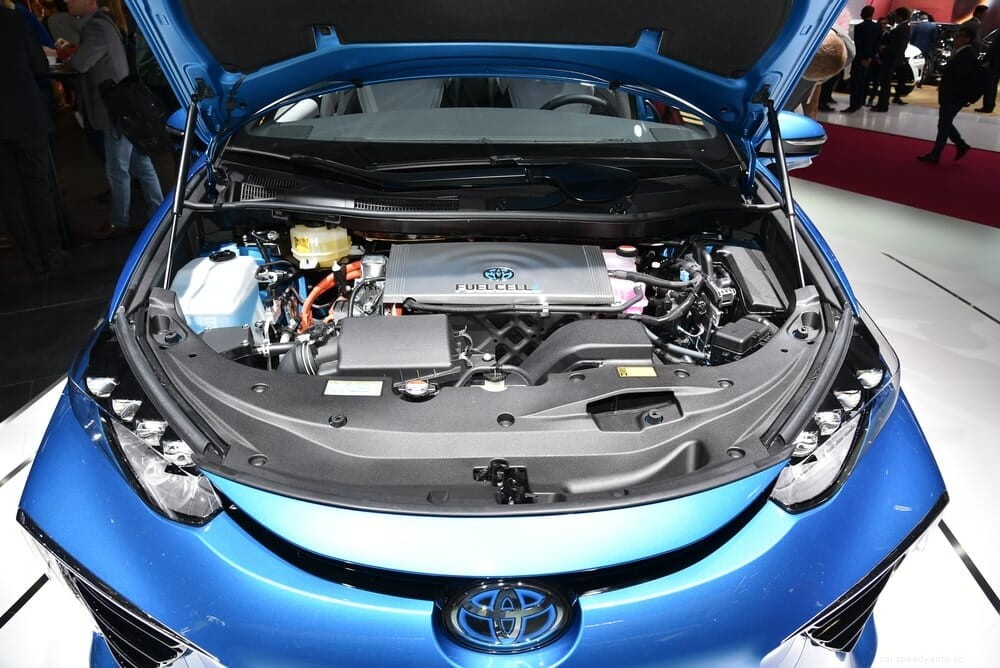
A VTEC engine is designed to last the lifetime of the car. So as long as you take good care of your Civic, you can expect your VTEC engine to run like new for many years to come.
Of course, there are a few things you can do to help keep your VTEC engine in top condition. First, make sure you always use the correct type and amount of oil. Second, have your Civic serviced regularly according to the maintenance schedule in your owner’s manual.
And finally, avoid extended periods of idling as this can put unnecessary strain on the engine. By following these simple tips, you can help ensure that your VTEC engine will continue to run like new for many years to come.
The Honda Civic is a reliable and fuel-efficient car, but it’s the VTEC engine that really sets it apart from the competition. And one of the keys to keeping a VTEC engine running like new is using the correct type and amount of oil.
VTEC engines don’t need special oil, but they require regular maintenance and the use of the correct oil. Failure to do so can result in engine damage and decreased performance.
So if you want to keep your Civic running like new, make sure you use the correct type and amount of oil, and have it serviced regularly according to the maintenance schedule in your owner’s manual.
The cost of servicing a Honda Civic will depend on a number of factors, including the type of service required, the model and year of the car, and the location of the service provider.
However, there are some general guidelines you can follow to get an idea of how much it will cost to service your Civic.
For example, a basic oil change will typically cost between $30 and $50, while a more comprehensive service could cost upwards of $100.
Of course, the best way to get an accurate estimate of the cost of servicing your Civic is to consult with a qualified mechanic or Honda dealer.
The frequency with which you need to service your Honda Civic will depend on a number of factors, including the model and year of the car, your driving habits, and the type of oil you use.
However, most mechanics recommend that you service your car every 6 months or 10,000 miles, whichever comes first. So if you want to keep your Civic running like new, be sure to have it serviced according to the schedule in your owner’s manual.
No, Honda does not currently offer any diesel engines. However, they do offer a wide range of gasoline and hybrid engines that are designed to be fuel-efficient. So if you’re looking for a reliable and fuel-efficient car, the Honda Civic would be a great choice.
The Honda Civic combines the most desirable car traits into one good-looking package. Reliable, cheap to maintain, and easy on the fuel consumption, the Civic manages to find its way into the driveways of more than 300,000 drivers every year. With that volume of production, both new and used spare parts are abundant, as are the good mechanics.
