
If your Honda Civic is having starting problems, you are not alone. Many Honda Civic owners have experienced the same thing. In this article, we will discuss some of the possible causes of this problem and how to fix it.
The most frequent reasons a Honda Civic won’t turn over are the battery or starter problems, which can be easily solved. These are common problems on any car and are not specific to Hondas. Be sure to check your battery voltage first and if it’s low, charge it during the night. If it doesn’t help, check if your starter works as it should.
We will also provide a few tips on how to prevent this problem from occurring in the future.
The Honda Civic is a popular compact car that has been manufactured by Honda since 1972. It is available in both sedan, hatchback, and coupe body styles, and there are several different trim levels to choose from. The Honda Civic is known for its reliability, fuel efficiency, and fun-to-drive nature.
The Honda Civic is available with either a 2.0L or 1.8L 4 Cylinder Engine (4 cylinders = 200HP) that can be mated to either a 5 and 6 Manual Transmission or an available Continuously Variable Transmission (CVT).
The base model Honda Civic Sedan offers up to 53 MPG on the highway, and the Honda Civic Coupe can get up to 41 MPG on the highway.
Honda Motor Company is one of the world’s largest engine manufacturers and produces more than 14 million engines annually.
They are known for their fuel-efficient cars, motorcycles, scooters, ATVs, Outboard Motors (humorously called WaveRunners), and some all-terrain ROVs (Rear-Engined/Four-Wheel Drive) which they use in some of their assembly plants.
Honda has received praise for its EX & S trims which offer better performance along with larger wheels and brakes compared to other trim levels. The Honda Civic EX usually has a sportier-looking body kit from the factory along with fog lights and aluminum pedals over its lower trims.
Honda is known for its standard features. On the EX trim, Honda’s VSA (Vehicle Stability Assist), Brake Assist System, and Daytime Running Lights come as standard equipment.
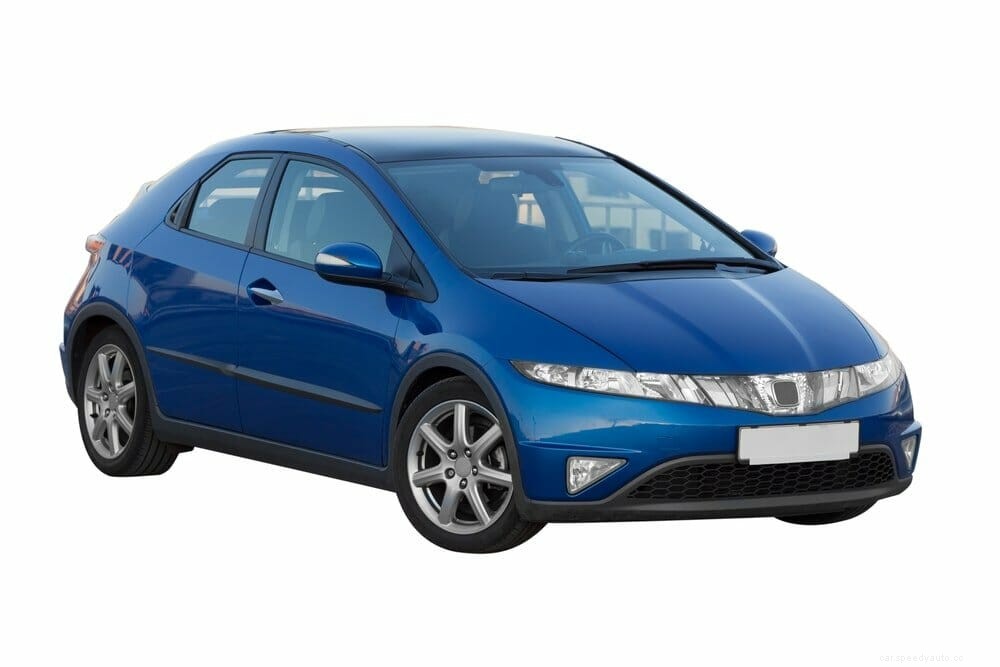
In addition to that, all Honda Civic Coupes have a sunroof as an option which you can purchase from their respective dealer. The Bose Stereo/CD player with Auxiliary input jack ensures good quality music from your digital devices.
The EX-L Variant also has leather seating surfaces instead of faux-leather seating surfaces on the LX variant. You could choose between a 5 or 6 Disc CD changer depending on your mood and musical preferences – but don’t forget to check what kind of radio head unit comes in both trims.
When it comes to choosing the Honda Civic, there are many options that you can pick from in order to get exactly what you want in a car. There’s at least one trim level for every kind of personality.
The base model LX is your average-daily-driver which offers excellent gas mileage to go with its driver-oriented interior complete with air conditioning, power windows/doors, 6 speakers, and a 6-CD changer sound system.
If you are looking to have some fun driving around town or even on the open road, the EX trim is your best option, especially when considering its sporty features including fog lamps, sunroof (manual), leather seats, alloy pedals, and Upgraded Stereo System with Auxiliary input jack.
Let’s not forget V-Tec, a legendary Honda trademark. V-tec is an engine design that allows for improved gas mileage (20% better) while also offering more power (10% more) at the same time.
This is because it has 2 different camshaft profiles in order to produce high-end torque during regular driving, but the other profile comes into play when your foot’s down on the accelerator which results in a burst of horsepower while also increasing fuel economy.
The Honda Civic was known as the Japanese Volkswagen until very recently when other competing automakers started producing vehicles that were just as economical and reliable, if not more so than Honda.
They still offer good solutions for commuters, but people are starting to see Hondas as status symbols instead of affordable transportation options due only to their popularity in pop culture over the past few years.
If your Honda Civic won’t turn over, it may be because of a bad battery or starter. It could also indicate that the engine is seized up and needs to be replaced with a new one (this would mean something else caused the problem).
If you’ve been having problems starting your car in cold weather then this might just save some money on gas – however, if there’s no sign of wear anywhere else besides inside the cylinder walls where compression occurs during combustion events then it might not need replacing yet!
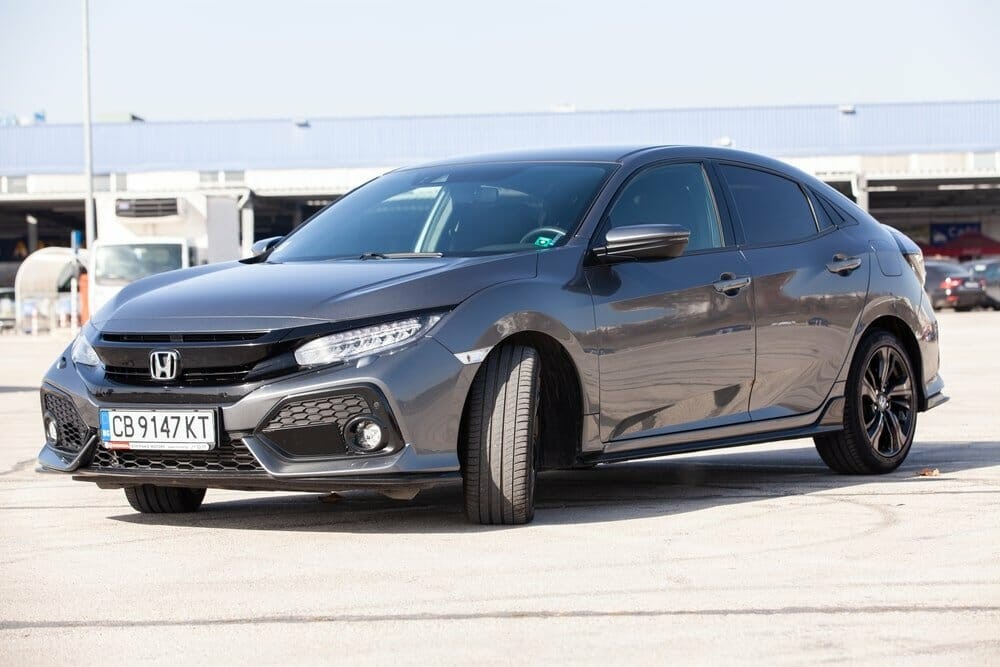
Yes, spark plug problems can cause your Honda Civic to have starting or turning over problems. When the plugs aren’t firing properly, it often results in a weak or no spark which makes the engine difficult to start.
If you’re not sure how to check your spark plugs or haven’t done so recently, we recommend taking your car into a shop for diagnostic testing. This will help identify any potential issues and get them fixed as soon as possible.
One possible reason your Honda Civic won’t turn over could be a bad alternator. This is the part of your car that charges the battery and keeps all of the electronic components running.
If you’re experiencing any problems with power such as dimming headlights, flickering instrument panel lights, or a dying battery, it’s possible that your alternator isn’t doing its job anymore. In this case, you’ll need to replace the alternator in order to get your car up and running again.
Car battery problems can be caused by a variety of things including bad alternator belts, low fluid levels in the radiator or coolant reservoir, old age for both parts and fluids (oil), and even extreme temperatures outside your garage/parking spot where you store it overnight when not driving around town on errands.
There’s nothing worse than having trouble starting up an engine after getting some rest, especially if there are other symptoms like stalling while idling too quickly or rough running when accelerating from a stoplight which could indicate that there’s something wrong with spark plugs.
You should always make sure everything is working properly before bed so that tomorrow morning will run smoothly!
As a car owner, you must know the symptoms of a bad car starter. The most common symptom is your car’s engine won’t turn over or it starts and then stalls out after a few seconds.
Other symptoms include grinding noise from the starter when turning the key in the ignition switch. Check whether your battery is getting enough power to start your vehicle by doing a load test.
If everything seems fine with your battery but your automobile still has one or more of these problems for more than three weeks, please get an expert to diagnose the trouble. It may be due to faulty transmission solenoids, etc.
Another reason might be that you have installed low-quality batteries while replacing original ones.
Some symptoms include:
There are many reasons why a starter can go bad, but most often they’re due to corrosion buildup from oil leaking onto electrical parts underneath your hood or old age causing general wear and tear which eventually causes them not to function properly anymore.
The Honda Civic is known for its reliability and durability so it’s no surprise that they last longer than most other cars on the road today – just make sure you keep up with routine maintenance like changing your oil every three months (or less) to ensure maximum engine life span while also saving money at the gas pump!
One of the main complaints with Honda Civics is that they require more maintenance than other cars in their class. This could be due to the fact that they’re older models and have been on the road for longer, or it simply may be because Hondas are just built better overall and tend to last longer than most others.
Regardless, it’s important to keep up with routine maintenance like changing your oil every few months (or even less if you drive in a particularly dusty area) in order to avoid more costly repairs down the line.
When your car doesn’t start, there’s a good chance the starter is at fault. The starter is responsible for turning the engine over and getting it running, so if it’s not working then your car isn’t going to go anywhere.
The most common reason a starter goes bad is because of corrosion buildup from oil leaking onto electrical parts underneath your hood, or old age causing general wear and tear which eventually causes them not to function properly anymore.
If you’re having problems starting your car in cold weather, this might just save some money on gas. However, if there’s no sign of wear anywhere else besides inside the cylinder walls where compression occurs during combustion events then it might not need replacing yet!
A dead battery can be caused by a number of different things such as leaving your lights on, using electronics while the car is off, or having an older car that doesn’t have enough juice left in it anymore.
If you’re experiencing any type of electrical problems like this one, then it’s usually a good idea to get your battery tested before replacing anything else so that way you don’t end up spending money unnecessarily (or worse yet – ending up stranded somewhere without power).
There are a few other common problems owners face when owning a Honda Civic, but most of them are due to high mileage. This could include things like transmission failure and water pump replacement, or less severe problems such as a faulty airbag sensor.
One thing to note is that many of these issues can be avoided by keeping up with routine maintenance like changing your oil every few months – so it’s important not to neglect your car just because it seems like it’s been running great for a while!
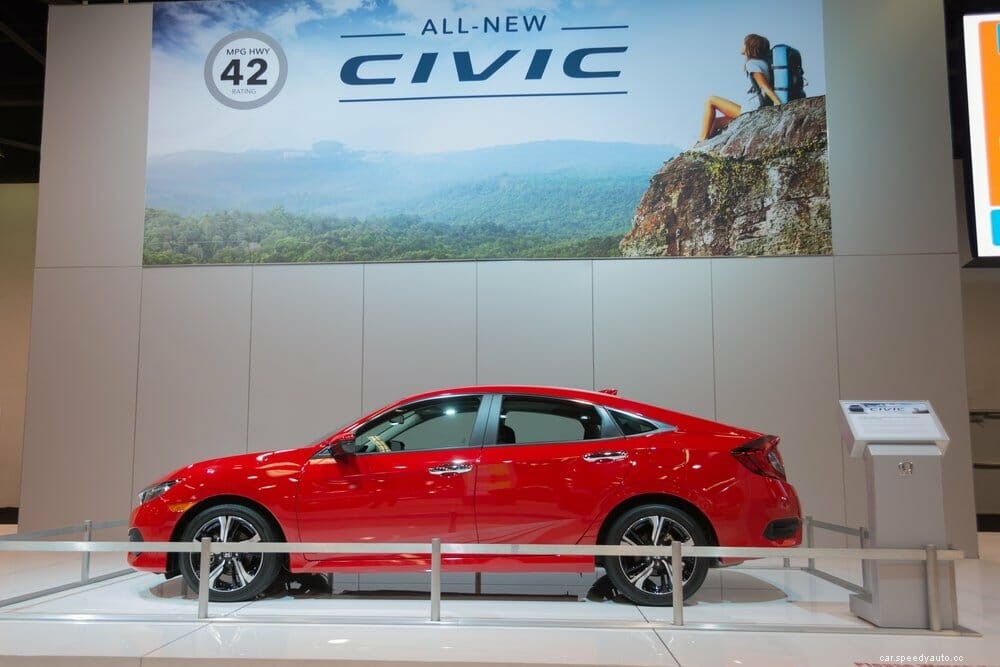
The Honda Civic is known for its reliability and durability so it’s no surprise that they last longer than most other cars on the road today. Just make sure you keep up with routine maintenance like changing your oil every three months to ensure maximum engine life span while also saving money on expensive repairs!
Hondas are some of the best cars on the road today, thanks to their reliability and affordability. If you’re looking for a reliable vehicle at an affordable price point then look no further than Honda!
Hondas aren’t necessarily known as being cheap or easy to fix, but they do tend to have higher quality parts that make them last longer than other brands like Toyota or Nissan. This means less money spent on repairs over time which is always good news when it comes down to your wallet!”
When it comes to petrol or diesel Honda Civic, the choice really depends on what you’re looking for in a car. If you want better fuel economy, then go with diesel – but if you want more power and performance then petrol is definitely the way to go.
The Honda Civic is a great car for both families and single people alike, thanks to its spacious interior and comfortable seating. It’s also got a ton of great features that make it perfect for long trips or daily driving.
The best time to buy a Honda Civic really depends on the current market conditions – so it’s always best to consult with your local dealership to get the most accurate information. Generally speaking, however, buying during the end of the year (especially around Black Friday) is usually your best bet.
Honda doesn’t really require any special maintenance that other cars don’t – just make sure you keep up with the basics like changing your oil and filter every few months. This will help to ensure maximum engine life span while also avoiding more expensive repairs in the future.
In conclusion, the Honda Civic is a great car that tends to last longer than most others on the road today. Just make sure you keep up with routine maintenance like changing your oil every few months to ensure maximum engine life span while also saving money on expensive repairs!
Now that you know a bit more about some of the common problems with the Honda Civic, what are you waiting for? Go out and buy one today!
