
Tire punctures are not that rare, but having a piece of the tire sidewall missing is a situation most drivers don’t find themselves in. It happens primarily to off-road vehicles, but even city drivers can chip their tires on a tall curb.
If a small chunk of tire sidewall is missing, you should swap to your spare and take the tire to a professional to inspect. Missing a very small chunk is forgivable, but if the damage is greater, it can lead to a tire blowout and loss of control while driving.
Depending on the severity of the damage, you may need to replace the tire. If the damage is only a tiny nick or cut, you might be able to repair it with a patch kit. However, repairing your own tire is only a short-term solution that isn’t as dependable as professional repair work.
Tire sidewall damage can be caused by many reasons, but often they are related to driving habits or environmental conditions. Here are some of the most common causes:
If you have a small chunk of tire sidewall missing, it’s important to inspect the rest of your tire for damage.
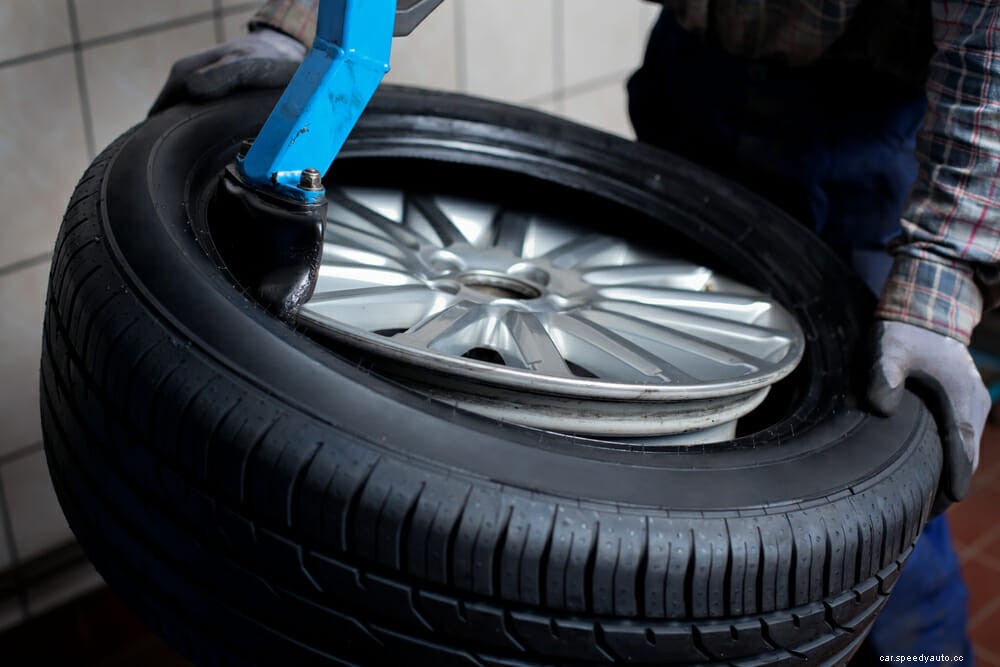
If you’ve ever driven on a tire with a chunk missing, you know it’s not a pleasant experience. The ride is bumpy and uncomfortable, and you can feel every pebble and piece of debris on the road.
But is it safe to drive on a tire with a chunk missing? The answer is no. Driving on a tire with a chunk missing is dangerous for several reasons.
First, the tire may blow out completely if the chunk gets too big. Second, even if the tire doesn’t blow out, it will continue to wear down and will need to be replaced sooner than if it wasn’t damaged.
So if you have a tire with a chunk missing, the best thing to do is to replace it as soon as possible. Don’t take the risk of driving on a damaged tire – it’s not worth it.
In most cases, it is not possible to fix a tire sidewall. Once the sidewall is damaged, it needs to be replaced.
However, if the damage is minor and only affects the tread of the tire, it may be possible to have the tire patched. This should only be done by a professional, however, as improper patching can cause further damage.
If you have a small chunk of tire sidewall missing, the best thing to do is take your car to a mechanic and have them fix it.
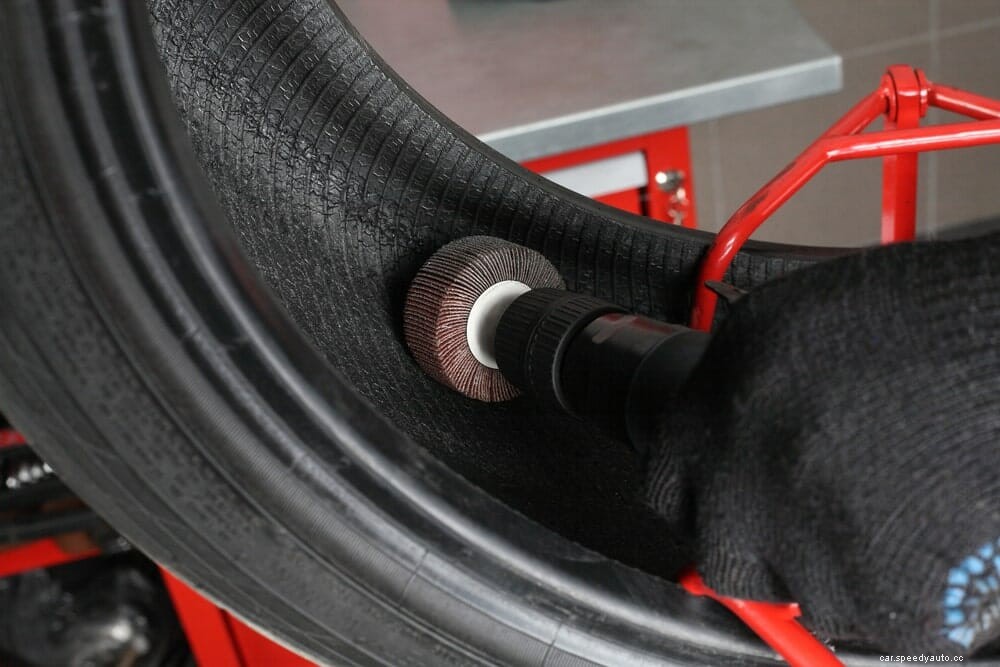
If you have a small chunk of tire sidewall missing, it is best to replace the tire as soon as possible. If the damage is more extensive, you may need to have the tire repaired by a professional.
If you want to fix it yourself, you should follow these steps:
If you have a small chunk of tire sidewall missing, the best thing to do is take your car to a mechanic and have them fix it. Another solution is to try to patch it by using a tire patching kit.
This should only be done by a professional, however, as improper patching can cause further damage. If you want to attempt to patch your tire yourself, here are some detailed instructions:
First, clean the area around the hole in the tread with alcohol or soap and water. This will help ensure that the patch will adhere properly.
Next, use a utility knife to cut away any damaged or frayed edges around the hole.
Now, take the tire patch and peel off the backing. Press the sticky side of the patch onto the hole in the tread, making sure to smooth out any air bubbles.
Finally, use a roller or your hands to press down on the patch and make sure it is firmly attached.
Now you’re ready to put your tire back on and hit the road! Just remember to drive carefully until you can get your tire patched by a professional.
Patching your own tire is a temporary fix and is not as reliable as getting it done by a professional.
If you have a small chunk of tire sidewall missing and you try to patch it yourself, it is important to know the signs that your tire isn’t properly patched.
The most common sign is if the patch doesn’t stay glued down. If this happens, you’ll need to take your tire off and start the process over again.
Another sign that your tire isn’t properly patched is if the hole in the tread is still visible. If you can see the hole, it means that air can still get through, and your tire won’t be as reliable.
There are a few different brands of tire patch kits on the market. You can see the most popular ones below!
Both of these kits come with everything you need to properly patch a hole in your tire. They include a utility knife, alcohol wipes, sandpaper, patches, and instructions.
If you’re not sure which kit to get, we recommend reading some online reviews to see which one is right for you.
There are a few different types of tire patch kits that you can choose from. The most common type is the cold patch kit, which is what we described in the previous section.
Another popular type is the hot patch kit. These kits use a special adhesive that needs to be heated up before it can be used.
The last type of kit is the plug-and-play kit. These kits come with everything you need to properly plug a hole in your tire.
If you’re not sure which type of kit to get, we recommend reading some online reviews to see which one is right for you.
A tire plug is a temporary fix that is meant to get you to a safe place so you can properly fix your tire. A tire patch is a permanent fix that will hold up over time.
If you have a small chunk of tire sidewall missing, we recommend taking your car to a mechanic and having them fix it. Another solution is to try to patch it by using a tire patching kit.
However, this should only be done by a professional, as improper patching can cause further damage.
No, you should not use a tire plug on a tire sidewall. Tire plugs are only meant to be used on your tire’s tread. If you try to use one on the sidewall, it will not hold and can cause further damage.
The best way to prevent a tire puncture is to avoid driving over sharp objects. If you can’t avoid them, make sure to drive slowly so that they don’t cause as much damage.
You should also regularly check your tires for any signs of wear and tear. If you see anything suspicious, take your car to a mechanic and have them take a look.
Doing these things will help to ensure that your tires stay in good condition and last for a long time.
A tire patch should last for the life of the tire. If it’s done properly, you shouldn’t have to worry about it coming undone or causing any further damage.
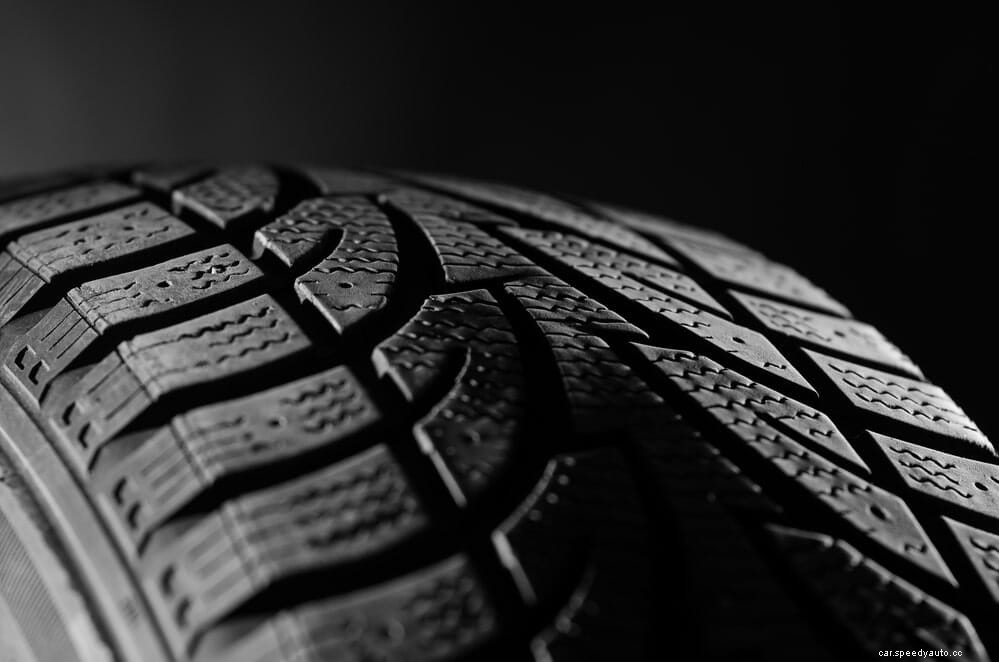
It’s not recommended to drive on a tire with sidewall damage. The sidewall is what supports the weight of your car, so driving on a damaged one can cause further damage and potentially cause a blowout.
If you have to drive on it, go slowly and be careful of any sharp turns or sudden stops.
If you don’t fix a cut in your tire, air will slowly start to leak out. This will cause your tire to lose pressure and could eventually lead to a blowout. It’s best to get it fixed as soon as possible so that you don’t have to worry about it getting worse.
Yes, you can drive on a tire with a plug. However, it’s not as reliable as a patch and is only meant to be a temporary fix. We recommend getting your tire patched by a professional as soon as possible.
Yes, you can drive on a tire with a patch. While it’s not a permanent fix, it’s much more reliable than a plug and will hold up over time.
If the hole is small and in your tire’s tread, you should be fine to drive on it if you’re not losing a lot of pressure.
However, if the hole is big or in the sidewall of your tire, we recommend getting it fixed as soon as possible. Driving on a damaged tire is dangerous and can cause further damage.
The location of tire damage can significantly affect its state, and not all issues are equally serious. A nail inside the tire tread is no cause for concern, as Fix-A-Flat can solve the issue temporarily, while a tire patch fixes the tire permanently.
Sidewall damage is always more serious. If a tire tread is a missing tile on the roof, then sidewall damage is equivalent to knocking out a brick from the wall. It’s a key structural part of the tire, and even minor damage can lead to tire blowout over time.
In some cases, you can continue to drive on a slightly damaged tire, but before you do so, have it inspected by a professional.
