
If you’re like most people, you probably don’t think about the boiling point of coolant and antifreeze until there’s a problem. But it’s something that is worth understanding.
The boiling point of coolant and antifreeze is greater than that of water. The precise boiling point will differ based on the type of fluid you use, so double-check the manufacturer’s recommendations.
In general, the coolant’s boiling point ranges from 300 to 400 degrees Fahrenheit, while the antifreeze’s boiling temperature ranges from 225 to 300 degrees Fahrenheit.
In this article, we will talk about what the boiling point is, why it matters, and how to protect your engine from damage.
Antifreeze, as its name suggests, it’s a fluid that prevents freezing. It is used in both automotive and non-automotive applications. Ethylene glycol is the most common type of antifreeze, although there are others that use propylene glycol or a mixture of both.
Antifreeze not only prevents freezing but also raises the boiling point of the coolant, which helps to keep the engine from overheating.
Without antifreeze, your car would be susceptible to extreme temperatures and would likely break down. In addition, antifreeze can help protect your engine from corrosion and wear.
It’s important to choose the right type of antifreeze for your vehicle and to change it according to the manufacturer’s recommendations.
Coolant is a fluid that helps to keep your engine cool. It does this by absorbing heat from the engine and then circulating it through the radiator, where it can dissipate. Coolant also contains additives that help to protect the engine from corrosion and wear.
Just like with antifreeze, it’s important to choose the right type of coolant for your vehicle and to change it according to the manufacturer’s recommendations.
Speaking broadly, antifreeze and coolant are not the same things. Antifreeze is a type of coolant, but not all coolants are antifreeze. Antifreeze contains additives that help to prevent freezing, while coolant can be just water.
It’s important to use the right type of fluid in your vehicle. Using the wrong type of fluid can cause damage to your engine. Be sure to check your owner’s manual or ask a mechanic before adding any fluids to your vehicle.
Most manufacturers recommend changing your antifreeze or coolant every 2 years or 24,000 miles, whichever comes first. However, some newer vehicles have extended-life coolants that can last up to 5 years or 100,000 miles. Consult your owner’s manual or service advisor to find out what is recommended for your vehicle.
If you notice any of the following signs, it’s a good idea to have your antifreeze or coolant checked:
These could be signs that you need to change your antifreeze or coolant. If you’re not sure, ask a certified technician to take a look.
If you’re comfortable working on your own car, you can change your antifreeze or coolant yourself. Here’s a detailed guide on how to do it:
That’s it! You’ve successfully changed your antifreeze or coolant. Be sure to dispose of the old coolant properly.
The boiling point of antifreeze is higher than that of water, which means it can help to prevent your engine from overheating. The exact boiling point will vary depending on the type of antifreeze you use, so be sure to check the manufacturer’s recommendations.
In general, however, the boiling point of antifreeze is between 225 and 300 degrees Fahrenheit.
The boiling point of the coolant is also higher than that of water but not as high as the boiling point of antifreeze. The exact boiling point will vary depending on the type of coolant you use, so be sure to check the manufacturer’s recommendations.
In general, however, the boiling point of the coolant is between 300 and 400 degrees Fahrenheit.
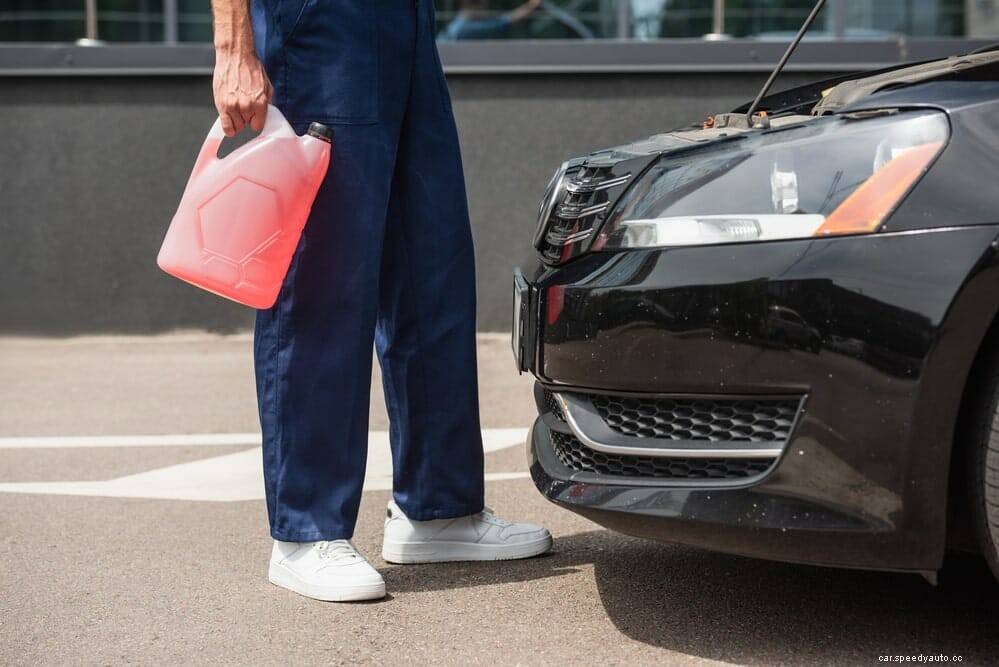
When choosing an antifreeze or coolant for your vehicle, it’s important to consider the climate in which you’ll be driving. If you live in a cold climate, you’ll want to choose an antifreeze with a higher boiling point so that your engine doesn’t freeze.
If you live in a hot climate, on the other hand, you’ll want to choose a coolant with a lower boiling point so that your engine doesn’t overheat.
Your owner’s manual should have recommendations for the type of antifreeze or coolant to use in your vehicle. You can also ask a certified technician for help choosing the right product.
Antifreeze and coolant help to keep your engine cool by circulating water and glycol through the radiator. This prevents the water from freezing in cold weather and helps to prevent overheating in hot weather.
Antifreeze and coolant also contain rust inhibitors that help to protect your engine from corrosion.
There are a few different types of antifreeze and coolant on the market, so be sure to choose one that is compatible with your vehicle.
This is a common question that people ask when they are trying to figure out the best way to keep their car’s engine cool. Antifreeze helps to protect your engine from freezing while coolant, also known as radiator fluid, helps to protect it by circulating and reducing the heat.
Water alone will not provide the same level of protection and can actually cause your engine to overheat.
The answer to the question of whether you should mix antifreeze with water or with coolant really depends on what type of engine you have. If you have a standard engine, it is generally okay that you mix antifreeze with water in a 50/50 ratio.
This will help to protect your engine from overheating and will also help to prevent corrosion. Still, you should definitely use coolant instead, as it’s more efficient than water.
If you have a more performance-based engine, such as those found in high-performance cars, it is generally recommended that you mix the coolant with antifreeze in a 70/30 ratio.
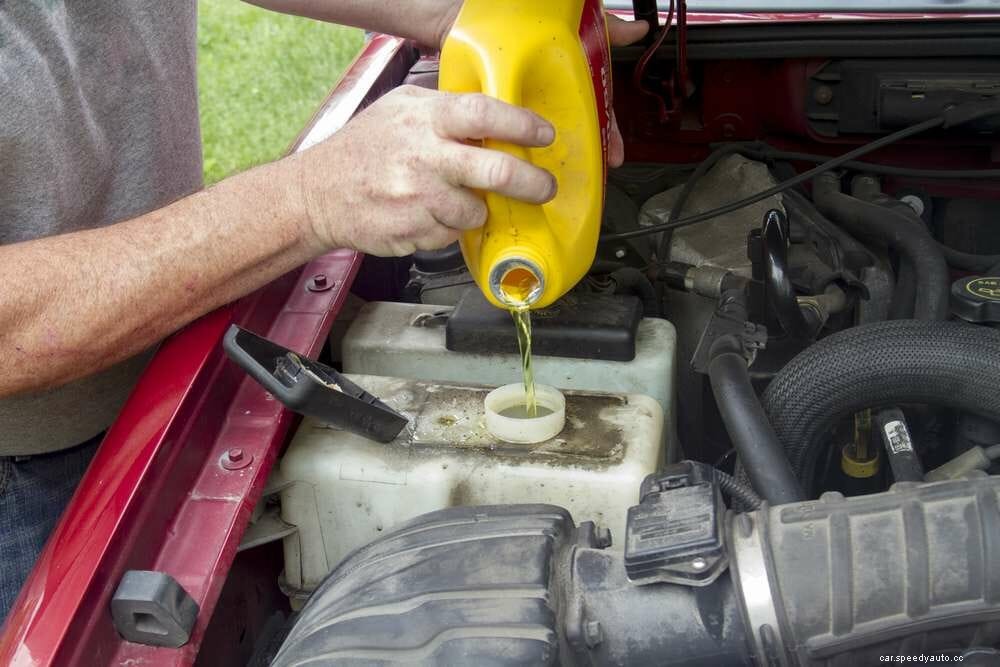
This higher ratio of coolant to water will help to keep your engine cooler, which is important for preventing engine damage. It is also important to note that if you are using a synthetic coolant, you should not mix it with water. Synthetic coolants should only be used with other synthetic coolants.
In general, it is best to mix antifreeze with either water or coolant in order to protect your engine from overheating. The type of engine you have will determine the ratio that you should use.
If you are unsure, it is always best to consult with a professional to get the best advice for your specific engine type.
The freezing point of antifreeze is lower than that of water, but the exact temperature will vary depending on the type of antifreeze you use. In general, however, the freezing point of antifreeze is between -30 and -50 degrees Fahrenheit.
This means that it can help to prevent your engine from freezing in very cold weather. It’s important to note, however, that adding too much antifreeze to your system can actually cause your engine to overheat.
Be sure to follow the manufacturer’s recommendations for the proper ratio of antifreeze to water.
There are a lot of talks out there about synthetic coolants and whether or not they’re actually any better than traditional coolants. So, what’s the verdict? Are synthetic coolants really worth the extra money?
The answer may not be as simple as you think. It really depends on a few factors, including the specific properties of the coolant, the application it’s being used for, and your own personal preferences.
Let’s take a closer look at some of the pros and cons of synthetic coolants to help you make a more informed decision.
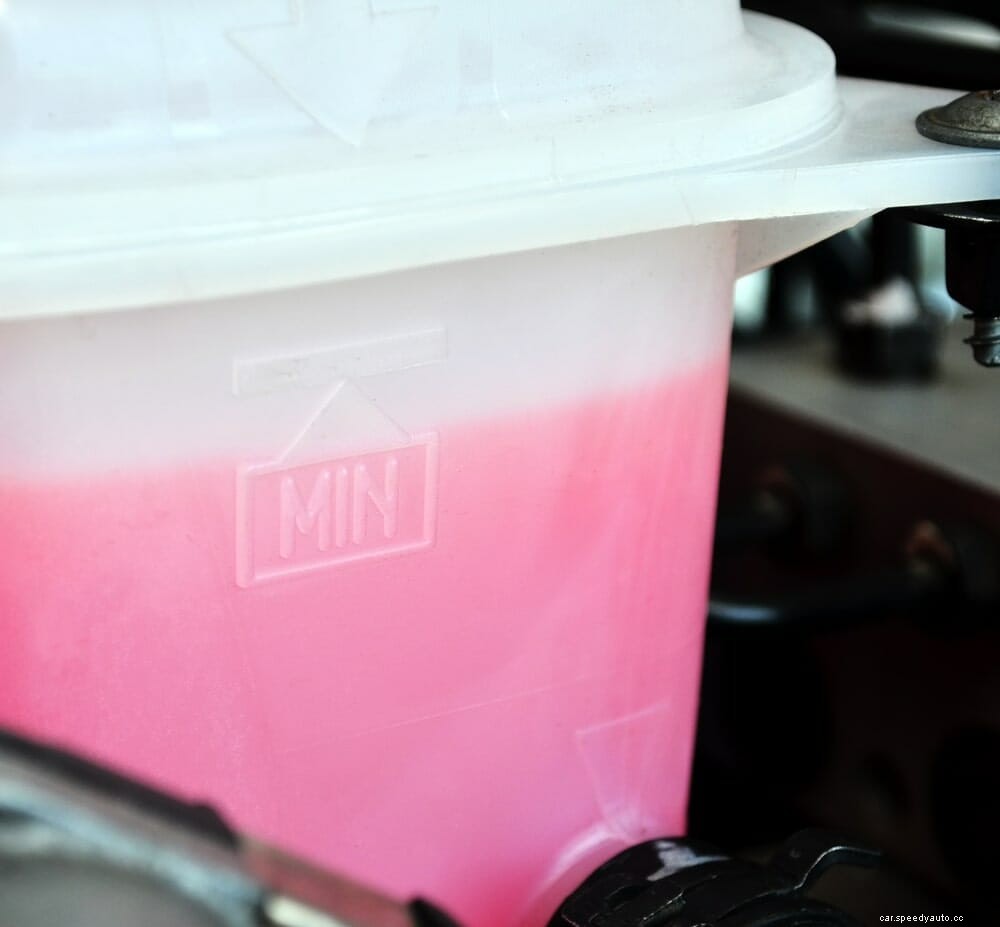
So, what’s the verdict? Are synthetic coolants really any better than traditional coolants? The answer is definitely yes. There are some definite advantages to synthetic coolants that may make them worth the extra cost for some people.
Yes, too much antifreeze can actually damage your car. It can cause your engine to overheat and can also lead to corrosion. Be sure to follow the manufacturer’s recommendations for the proper ratio of antifreeze to water.
When antifreeze boils, it can cause your car to overheat. This can lead to engine damage and potentially even a fire. Be sure to check the manufacturer’s recommendations for the proper boiling point of your specific type of antifreeze.
If you notice any signs that your vehicle is overheating, be sure to have it checked by a certified technician.
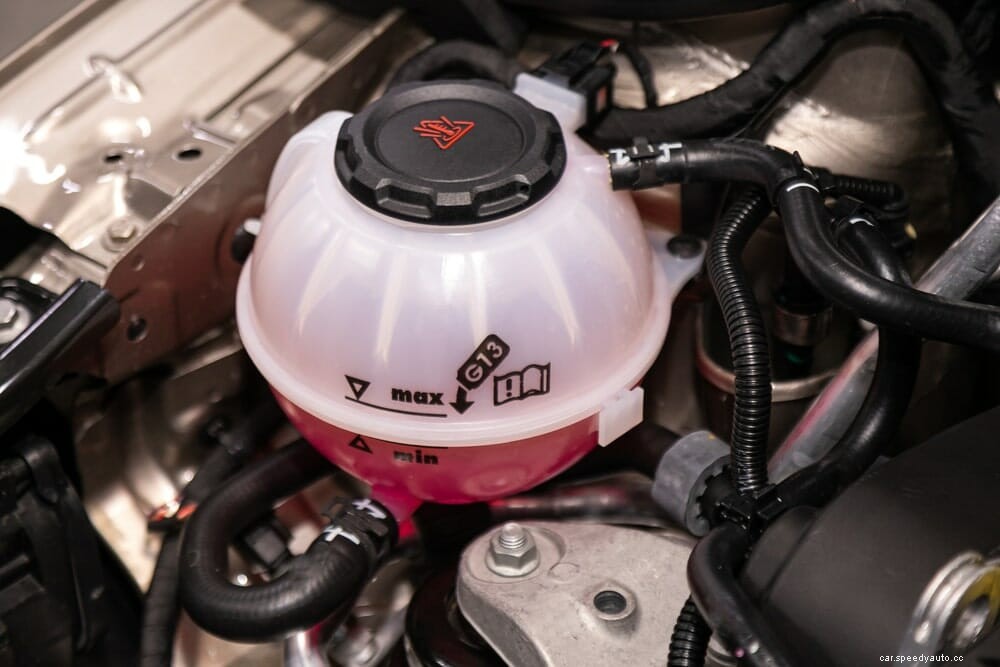
No, you should not mix the synthetic coolant with water. Synthetic coolants should only be used with other synthetic coolants. Be sure to follow the manufacturer’s recommendations for the proper mixture of coolant and water.
The boiling point of antifreeze is lower than that of water, but the exact temperature will vary depending on the type of antifreeze you use. In general, however, the boiling point of antifreeze is between 225 and 300 degrees Fahrenheit.
You can drive without antifreeze, but it’s not recommended. Antifreeze helps keep your engine cool and prevents overheating. It also protects against freezing in cold weather.
Without antifreeze, your car could overheat or freeze. Either way, driving without antifreeze is risky and could damage your car.
The boiling point of coolant and antifreeze is higher than that of water. The exact boiling point will vary depending on the type of fluid you use, so be sure to check the manufacturer’s recommendations.
In general, however, the boiling point of the coolant is between 300 and 400 degrees Fahrenheit, while the boiling point of antifreeze is between 225 and 300 degrees Fahrenheit.
If you notice any signs that your vehicle needs a new cooling system fluid, such as overheating or leaks, be sure to have it checked by a certified technician.
Changing your fluids yourself is relatively easy, but if you’re not comfortable working on your own car, it’s best to leave it to the professionals.
