
Have you ever heard of a charge pipe? If not, don’t worry; you’re not alone. A lot of people have never heard of this component before. So what is it? A charge pipe is a piece of hardware used to increase the power and performance of an engine.
A charge pipe is a fantastic upgrade that directs exhaust from the engine through a turbocharger. This allows more air to enter the engine, resulting in greater power and torque.
Charge pipes are usually constructed of metals like steel or aluminum, but they can also be produced of other materials such as polymers or composites. If you want to improve the performance of your engine, consider upgrading to a charge pipe. This blog post will discuss what a charge pipe is, how it works, and why you might need one for your vehicle!
A charge pipe is a component in an engine that helps route exhaust from the engine through a turbocharger. This increases power and torque in the engine by allowing more air to flow into it. The charge pipe is not used to decrease backpressure on an exhaust system like downpipes.
Charge pipes are typically made from metals such as steel or aluminum but can also be made from other materials such as plastics or composites.
Charge pipes are designed to withstand the high pressures associated with their use. They are often reinforced with metal or composite materials to further increase their strength and durability.
Charge pipes can be customized to meet the specific needs of each application, making them an essential component in many industries.
No, a charge pipe is not the same as a downpipe. A downpipe is used to reduce backpressure on an exhaust system.
Backpressure is created when exhaust gases flow through an engine and are forced to make turns or bends. This can cause the engine to work harder and ultimately decreases performance.
A downpipe helps to reduce backpressure by providing a straighter path for exhaust gases to travel. This allows them to exit the engine more quickly and efficiently, increasing power and torque.
Downpipes are typically made from stainless steel or titanium but can also be made from other materials such as aluminum or composite.
The way a charge pipe works is fairly simple. It uses airflow to help increase power and performance in an engine. By routing exhaust from the engine through a turbocharger, more air can flow into the engine. This allows for more power and torque to be generated by the engine.
There are several reasons why you might need a charge pipe. If you are looking to increase the power and performance of your engine, a charge pipe can help you achieve this. Additionally, if you have an exhaust system that produces too much backpressure, a charge pipe can help reduce this.
While not often the case, some cars come with charge pipes. These cars are mostly performance models designed to generate more power and torque. If you are looking for a charge pipe for your car, you will likely need to purchase one aftermarket.
If you are looking for a way to improve the performance of your car, then upgrading to an aftermarket charge pipe is a great option. Many benefits come with this upgrade, including increased power and improved fuel economy.
In addition, an aftermarket charge pipe can also help protect your engine from damage caused by heat or debris. Here are some more details about the benefits of upgrading to an aftermarket charge pipe:
One of the main benefits of upgrading to an aftermarket charge pipe is the increased power you will experience. With a larger piping diameter, there is less restriction on airflow, which allows your engine to breathe better.
This results in more power being produced by your engine and, ultimately, faster acceleration.
Another benefit of upgrading to an aftermarket charge pipe is improved fuel economy. By reducing the restriction on airflow, your engine will be able to run more efficiently, which will lead to better gas mileage.
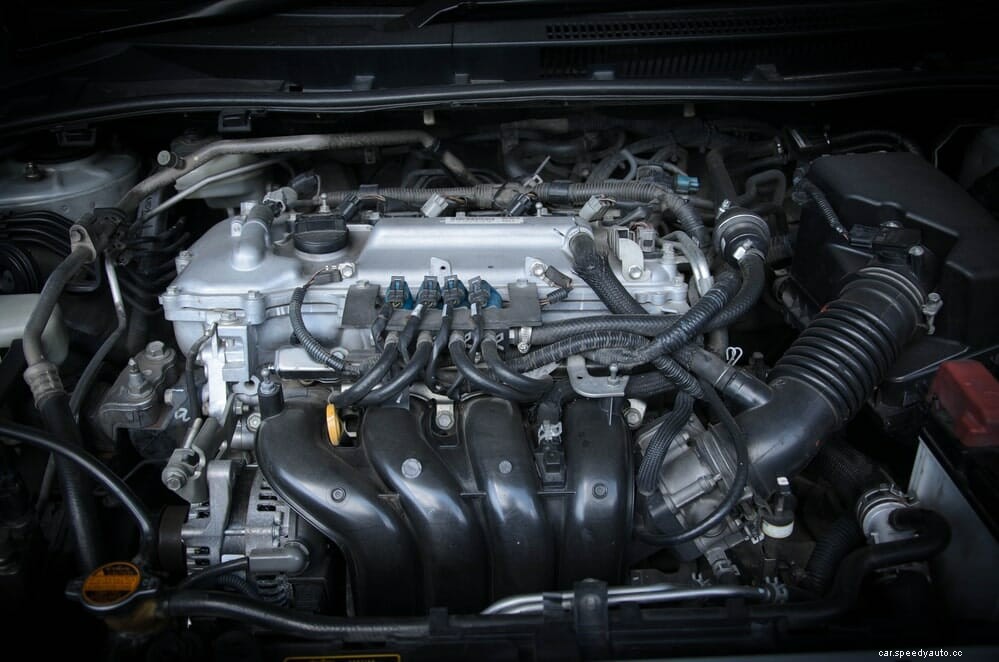
An aftermarket charge pipe can also help to protect your engine from damage caused by heat or debris. By redirecting hot air away from sensitive engine components, you can prevent them from overheating and being damaged.
In addition, an aftermarket charge pipe can also help keep debris out of your engine bay, which can prevent damage to vital components.
These are just a few of the benefits of upgrading to an aftermarket charge pipe. If you are looking for a way to improve the performance of your car, then this is definitely a great option.
You will experience increased power and improved fuel economy, but you will also be able to protect your engine from damage caused by heat or debris.
So, if you are looking for a way to make your car perform better, then an aftermarket charge pipe is definitely something to consider.
When it comes to picking a charge pipe, there are several things that you need to consider.
First, you need to decide what material you want your charge pipe to be made from. Stainless steel and aluminum are the most popular options, but there are also charge pipes made from composite materials.
Next, you need to decide on the size of your charge pipe. The larger the piping diameter, the less restriction on airflow, which will result in more power being produced by your engine. However, if you go too large, you may experience turbo lag. So, it is important to find a balance between these two factors.
Finally, you need to decide on the style of your charge pipe. There are straight pipes and bellmouth pipes available. Straight pipes are the simplest option, and they offer the best airflow.
Bellmouth pipes, on the other hand, offer better airflow at high speeds but can cause turbo lag at lower speeds.

Yes, it is possible to build a charge pipe yourself, but it is not recommended unless you have experience working with turbocharged engines. Building a charge pipe requires knowledge of how the engine works and how the charge pipe fits into the overall system.
If you are not familiar with these concepts, it is best to leave the task to a professional.
Changing a charge pipe isn’t hard. You can do it by following this guide:
If you have any questions about installing a charge pipe or if you need help selecting the right pipe for your car, please contact us, and we will be happy to assist you.
In most cases, a remap is not necessary after installing a charge pipe. However, if you are planning on increasing the boost pressure or making other modifications to the engine, a remap may be required in order to avoid damaging the engine.
It is always best to consult with a professional before making any changes to your car’s engine.
No, a charge pipe cannot be installed on a car without a turbocharger. The charge pipe is designed to carry air from the turbocharger to the engine, so it will not function properly without a turbocharger.
If you are interested in installing a charge pipe on your car but you do not have a turbocharger, you may be able to install a turbocharger. This requires ECU tuning and other modifications, so it is best to consult with a professional before making any changes to your car.

An intercooler pipe is a pipe that carries air from the turbocharger to the intercooler. The charge pipe is a pipe that carries air from the turbocharger to the engine. Both pipes are essential for the proper functioning of the turbocharged engine.
The charge pipe is a key component of the emission reduction system in many vehicles. The charge pipe connects the engine’s exhaust manifold to the catalytic converter.
The purpose of the charge pipe is to help reduce emissions by providing a “path of least resistance” for exhaust gases to travel through the emission control system.
The charge pipe helps to reduce emissions by allowing exhaust gases to flow more freely through the system. This reduces back pressure on the engine and helps to keep the engine operating at its most efficient level.
In addition, the charge pipe can also help to improve fuel economy by helping the engine to burn cleaner and more efficiently.
No, a charge pipe cannot increase mileage. The charge pipe is designed to route exhaust from the engine through a turbocharger. This increases power and torque in the engine by allowing more air to flow into it.
While this can improve fuel economy, it will not increase mileage on its own. You should also change your driving habits and make sure your car is well-maintained to see the biggest improvement in fuel economy.
If you are looking for ways to improve fuel economy, you should consult with a professional about ECU tuning or other modifications that can be made to your car.
There are many benefits of installing a charge pipe on your car. Some of these benefits include:
If you are looking for a way to improve the performance of your car, then a charge pipe might be the right choice for you!

A charge pipe is a pressurized tube that delivers air to the engine from the turbocharger. The charge pipe is under a great deal of stress and can be damaged if not properly maintained.
If you think your charge pipe may be damaged, it is important to have it checked out by a professional as soon as possible as it can damage your engine and turbocharger.
No, a charge pipe does not void your warranty. The charge pipe is an aftermarket part that can be installed on your car without affecting your warranty.
However, if you install a charge pipe and it causes damage to your car, the damage may not be covered by your warranty. It is important to consult with a professional before making any changes to your car.
The best material for a charge pipe is typically aluminum or steel. These materials are strong and durable and can withstand the high temperatures and pressures of the turbocharged engine.
While plastic pipes are cheaper, they can’t handle the pressure in most cases. Too much pressure can cause a puncture, which can cause engine damage. If you are looking for a charge pipe, be sure to get one made from aluminum or steel.
A charge pipe is a great upgrade that helps to route exhaust from the engine through a turbocharger. This increases power and torque in the engine by allowing more air to flow into it.
Charge pipes are typically made from metals such as steel or aluminum but can also be made from other materials such as plastics or composites. If you are looking for a way to increase the power and performance of your engine, then a charge pipe might be the right choice for you!
