
Have you ever been driving and heard a strange noise coming from your car? If you have, there’s a good chance that it was caused by bad rotors. In this blog post, we will discuss what bad rotors sound like and how to fix them.
Bad rotors can cause a squeaking and rumbling noise when the brakes are applied. This is usually the first symptom that something is wrong. If you notice this, it’s important to have the problem checked out by a mechanic as soon as possible.
We will also cover the symptoms of bad rotors so that you can diagnose the problem yourself. Thanks for reading!
A rotor is a disc that sits inside your car’s wheel. The brake pads press against the rotor to slow the wheel down. Over time, the rotors can become worn out and need to be replaced.
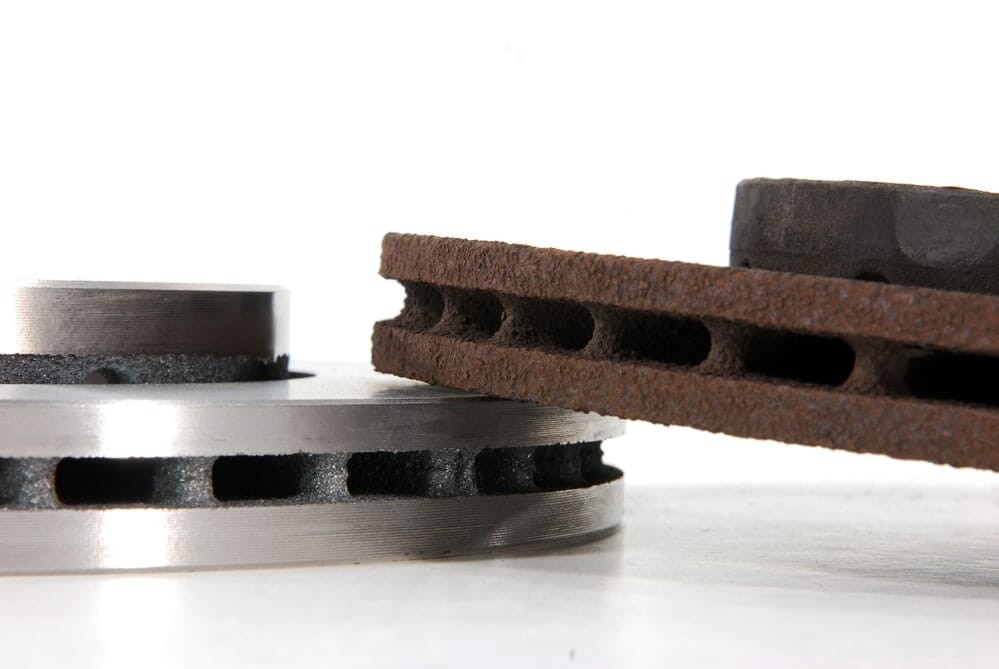
There are two main types of brake rotors: solid and vented. Solid rotors are made from a single piece of metal, while vented rotors have cooling fins in between the discs. Vented rotors dissipate heat better than solid rotors and are less likely to warp under heavy braking.
When shopping for new brake rotors, you’ll want to keep an eye on the thickness of the rotor. If it’s too thin, it won’t be able to dissipate heat properly and could warp. If it’s too thick, it will be difficult to stop the wheel.
You’ll also want to make sure that the rotor is compatible with your car’s brake pads. Some rotors are designed to work with specific types of pads. For example, ceramic pads typically work best with vented rotors.
If you’re not sure what kind of rotor to get for your car, consult a mechanic or the dealership where you purchased the vehicle. They should be able to point you in the right direction.
As we said, the pads on your brakes press against the rotors to create friction, which in turn slows down the wheels.
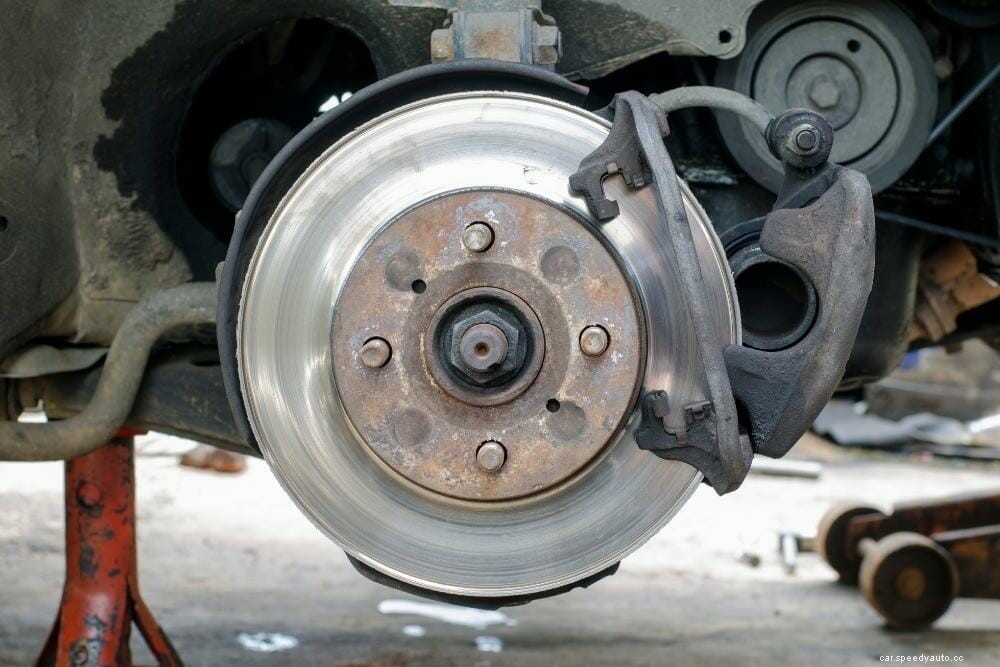
Think of it like this: if your car’s wheels are spinning at 1000 revolutions per minute (RPM), it will take much longer to stop if you’re pressing on the brakes than if you’re not.
The more pressure you apply to the brake pedal, the more friction is created between the pads and rotors. This increased friction helps to quickly slow down the wheel without locking up and skidding.
Over time, though, the rotors can become worn out from all the braking. When this happens, they become less effective at slowing down the wheels.
You may notice that your car takes longer to stop or that the brake pedal feels “spongy” when you press on it. These are both signs that it’s time to replace the rotors.
In some cases, you may only need to replace one rotor. But if both rotors are worn out, it’s best to replace them at the same time. This will help ensure that your car stops evenly and doesn’t pull to one side while braking.
As we mentioned earlier, there are two main types of rotors: solid and vented. Solid rotors are made from a single piece of metal, while vented rotors have cooling fins in between the discs.
Vented rotors have cooling fins in between the discs. These fins help to dissipate heat, which prevents the rotor from warping under heavy braking.
Vented rotors are commonly utilized on high-performance vehicles that perform a lot of heavy braking. That’s because vented rotors can handle heat better than solid rotors.
They are, on the other hand, more expensive and harder to come by. They also need to be replaced more frequently as a result of their design.
Solid rotors are made from a single piece of metal. They’re typically cheaper and easier to find than vented rotors.
Solid rotors don’t dissipate heat as well as vented rotors, but they’re less likely to warp under heavy braking. That’s because the metal is more resistant to heat.
However, solid rotors can become warped over time if they’re not properly cooled. That’s why they’re often used on cars that do mostly city driving and don’t put as much stress on the brakes.
Bad rotors can cause a variety of problems, including a squeaking noise when the brakes are applied, vibrations in the steering wheel, and premature wear on the brake pads.
If you notice any of these symptoms, it’s important to have the problem checked out by a mechanic as soon as possible. Left unchecked, bad rotors can eventually lead to more serious problems, such as damage to the engine or transmission.
If you’re not sure whether or not your rotor needs to be replaced, the best way to find out is to take your car to a mechanic and have them check it for you. They will be able to tell you if the rotor is damaged and needs to be replaced.
In some cases, it may be possible to repair the rotor rather than replace it. However, this is usually not the best option because it can lead to further damage down the road.
If you do need to replace your rotor, you’ll need to make sure that you get one that’s compatible with your car. The best way to do this is to take your car’s make and model number to a parts store and have them order the correct part for you.
Once you have the new rotor, you’ll need to install it. This is a relatively simple process that most people can do themselves. However, if you’re not confident in your ability to do it, you can always take it to a mechanic and have them do it for you.
If your car’s rotors are going bad, you may hear a squeaking or grinding noise when you apply the brakes. This noise is caused by the pads vibrating as they press against the warped rotor. The noise will usually get worse the longer you let the problem go on.
Eventually, the pads will wear down completely, and you’ll start to hear a metal-on-metal scraping sound. If this happens, it’s important to replace the rotors immediately.
Bad rotors can also cause the steering wheel to vibrate. This is usually caused by one of the rotors being warped. The vibration will usually get worse the longer you let the problem go on. Eventually, it can lead to damage to the engine or transmission.
If you notice any of these symptoms, it’s important to have your car checked out by a mechanic as soon as possible. Left unchecked, bad rotors can eventually lead to more serious problems.
No, a bad rotor does not necessarily sound like bad brake pads. However, if you notice a squeaking or grinding noise when you apply the brakes, it’s important to have your car checked out by a mechanic because that sound is similar to worn brake pads or a bad disk.
There are a few things you can do to prevent your rotors from going bad in the first place. One of the most important things is to make sure that they’re properly cooled. This means avoiding extended periods of heavy braking.
If you do need to brake heavily, make sure to give the rotors a chance to cool down afterward. You can do this by driving at a slower speed for a while.
Another thing you can do is to have your brakes checked regularly. This will allow you to catch any problems early on and prevent them from getting worse.
Finally, make sure to replace your brake pads when they start to wear down. Worn-out pads can damage the rotors, so it’s important to replace them before they get too low.
Bad rotors can cause a variety of problems, but if you’re proactive about preventing them, you can avoid most of the issues. Just be sure to keep an eye on your brakes and have them checked regularly.
If you do start to experience problems, don’t hesitate to take your car to a mechanic.
Worn-out brake pads can damage the rotors, so it’s important to replace them before they get too low. If you wait too long, you may need to replace the rotor as well.
The calipers squeeze the brake pads against the rotors when you press the brake pedal. The friction between the pads and rotors slows down the wheels.
Over time, the brake pads will wear down from this friction. If they get too low, they won’t have enough material to grip the rotors properly. This can cause the pads to slip and grind against the rotors, damaging them in the process.
If you let your brake pads wear down too much, you may need to replace the rotors as well as the pads. Replacing both is usually more expensive than just replacing the pads, so it’s best to do it before it gets to that point.
You’ll need to replace your car’s rotors when they become worn out or damaged. Depending on how often you use your car, this can be anywhere from 20,000 to 70,000 miles.
Of course, if you do a lot of stop-and-go driving or live in a mountainous area, you may need to replace them sooner.
You’ll know it’s time to replace the rotors when you hear a squeaking or grinding noise when you apply the brakes. You may also notice that the brake pedal feels “spongy” when you press on it.
If you’re not sure whether or not your rotors need to be replaced, take your car to a mechanic, and they’ll be able to tell you for sure. Once you’ve determined that the rotors need to be replaced, here’s what you’ll need to do:
If you’re not comfortable replacing the rotors yourself, you can always take your car to a mechanic and have them do it for you. However, keep in mind that this will likely be more expensive than doing it yourself.
You can drive with bad rotors, but it’s not recommended. Bad rotors can cause a variety of problems, including decreased braking power and steering control. If you do need to drive with them, make sure to go slowly and avoid any sharp turns.
The cost of replacing your car’s rotors will vary depending on the make and model of your car. In general, though, you can expect to pay anywhere from $100 to $300 per rotor. Of course, if you have a luxury or performance vehicle, the price will be on the higher end.
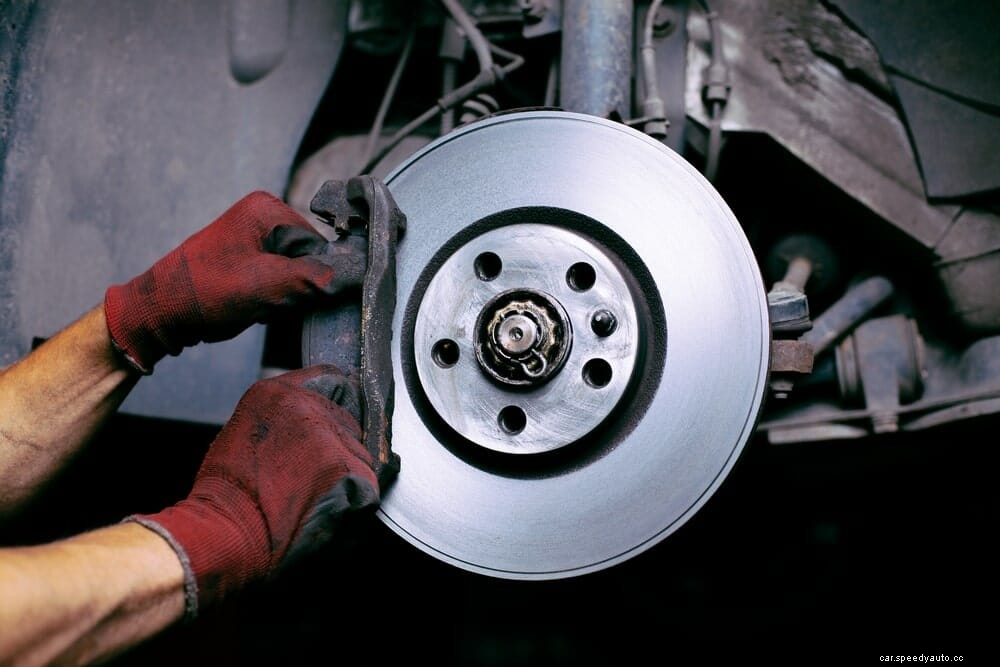
If you’re not comfortable replacing the rotors yourself, you can always take your car to a mechanic and have them do it for you. Keep in mind, though, that this will likely be more expensive than doing it yourself.
You can replace just the pads, but eventually, you’ll need to replace the rotors as well. When brake pads wear down, they can damage the rotors. So if you wait too long to replace them, you may end up needing to replace both the pads and rotors.
The frequency with which you need to replace your car’s brakes will depend on several factors, including your driving habits and the type of vehicle you have. In general, though, most people will need to replace their brakes every 20,000 to 70,000 miles.
Of course, if you do a lot of stop-and-go driving or live in a mountainous area, you may need to replace them sooner. You’ll also need to replace them more often if you have a performance or luxury vehicle since they tend to be heavier and put more strain on the brakes.
If you’re not sure how often you should be replacing your car’s brakes, consult your owner’s manual or take it to a mechanic for an inspection.
Bad rotors can cause decreased braking power and steering control. Additionally, they can lead to more serious problems if left unchecked. As a result, it is not recommended to drive with bad rotors. If you must drive with them, be sure to go slowly and avoid any sharp turns.
Bad rotors have a squeaky sound when they go bad. You can also feel vibrations in the steering wheel. Most of the time, you will need to replace the rotor, but sometimes you can repair it.
It is important to take your car to a mechanic as soon as you notice any of these symptoms. Left unchecked, bad rotors can eventually lead to more serious problems.
