
If your car is sputtering or not running as well as it used to, it might be time to replace the fuel injector. This can be a difficult task if you are not familiar with how to do it.
A fuel injector replacement takes around an hour. If you’re a do-it-yourselfer, plan on spending approximately two hours. The procedure is straightforward, but ensuring that the new injectors are correctly placed is critical. Otherwise, you might wind up damaging your car’s engine.
In this blog post, we will discuss how long it takes to replace a fuel injector and some of the steps that need to be taken to do so.
A fuel injector is a device that helps deliver gasoline to an engine. It’s an important component in any car, and it needs to be working properly for the engine to run smoothly. There are several different types of fuel injectors, but they all work by injecting fuel into the engine’s cylinders.
If one or more of your fuel injectors is not working properly, it can cause a number of problems with your car. The most obvious problem is that the engine will not run as smoothly as it should.
You may also notice that your car is wasting gasoline because the injectors are not delivering the right amount of fuel to the engine. In some cases, fuel injector problems can also cause your car to emit too much pollution.
If you think there may be a problem with one of your fuel injectors, the best thing to do is to take your car to a mechanic and have it checked out. Fuel injector problems can be difficult to diagnose, so it’s important to get professional help if you think there may be an issue.
Fuel injectors are designed to deliver a precise amount of fuel to an engine. They do this by spraying fuel into the engine’s cylinders. The amount of fuel that is sprayed into the cylinders depends on how much power the engine needs to produce.
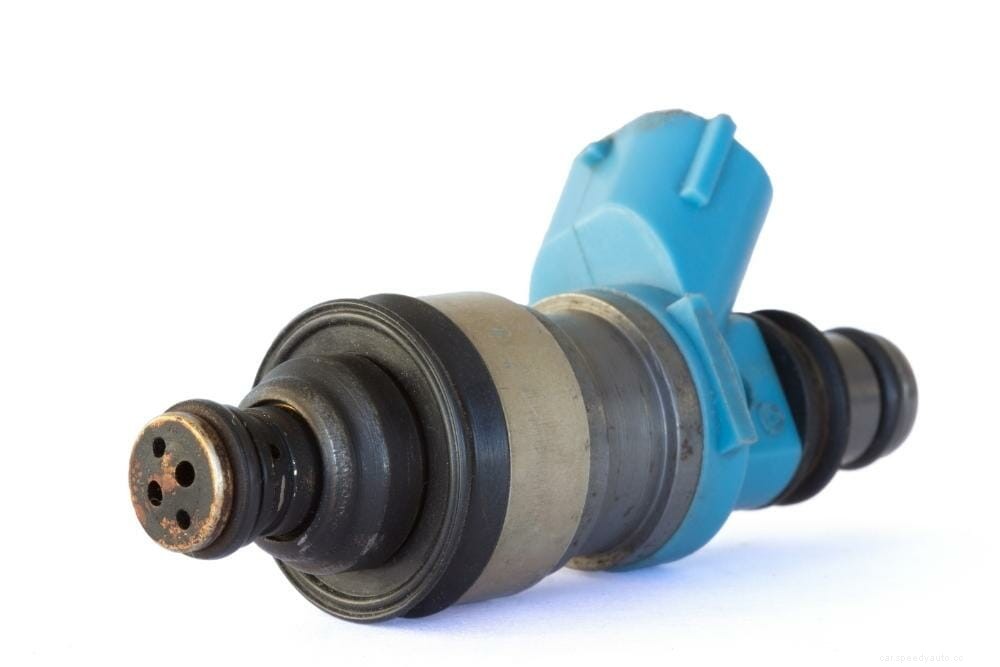
When the engine is running at low speeds, less fuel is needed. When the engine is running at high speeds, more fuel is needed.
The way that a fuel injector works are fairly simple. Fuel is delivered to the injector under pressure from the car’s fuel pump. The injector then sprays a fine mist of fuel into the cylinder. The amount of fuel that is sprayed into the cylinder can be controlled by the car’s computer.
There are several different types of fuel injectors, but they all work by injecting fuel into the engine’s cylinders. The most common type of fuel injector is the port injection system. This type of system uses a set of injectors that are mounted in the intake manifold.
The other type of system is called direct injection. Direct injection systems use a set of injectors that are mounted directly on the cylinder head.
Both port injection and direct injection systems have their advantages and disadvantages. Port injection systems are less expensive to manufacture, but they tend to be less efficient than direct injection systems.
Direct injection systems are more expensive to manufacture, but they are more efficient because they can deliver more fuel directly to the cylinders.
Fuel injectors are designed to last for many years, but they can become clogged or damaged over time.
If you notice that your car is starting to have problems with fuel economy or engine performance, it’s a good idea to take your car to a mechanic and have the injectors checked. The problem can be fixed by cleaning or replacing the injectors in most cases.
The injectors are located in the intake manifold if you have a port injection system. The best way to clean them is to remove them from the manifold and soak them in a solution of detergent and water.
After they have soaked for a few hours, you can use a brush to scrub away any dirt or debris that is on the injectors.
Once the injectors are clean, you can reinstall them in the intake manifold. The injectors are located on the cylinder head if you have a direct injection system. You will need to remove them from the head in order to clean them.
The best way to clean direct injection fuel injectors is to soak them in a solution of detergent and water for several hours.
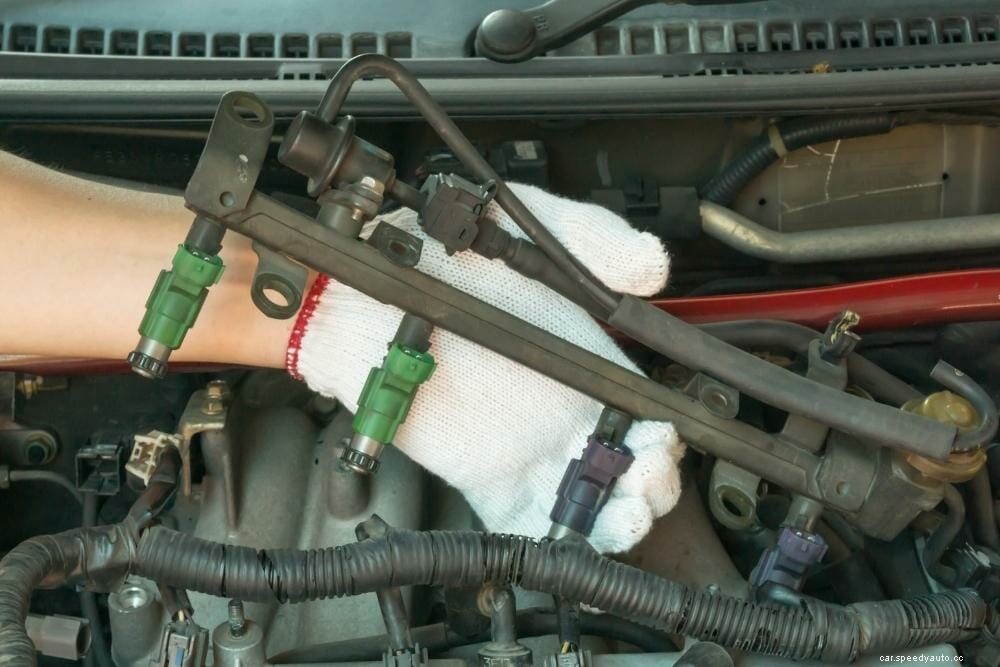
If a fuel injector is damaged, it can cause a number of problems with your car. The most common problem is that the engine will not run as smoothly as it should.
You may also notice that your car is wasting gasoline because the injectors are not delivering the right amount of fuel to the engine. In some cases, fuel injector problems can also cause your car to emit too much pollution.
It’s important to get professional help if you think there may be an issue with one of your fuel injectors. Fuel injector problems can be difficult to diagnose, and they can cause serious damage to your car if they’re not fixed.
Bad fuel injector symptoms can include any of the following:
If you notice any of these symptoms, it’s important to take your car to a mechanic as soon as possible. Fuel injector problems can be difficult to diagnose, and they can cause serious damage to your car if they’re not fixed.
If your fuel injectors are damaged or worn out, they will need to be replaced. This is usually a fairly simple process, but it’s important to make sure that the new injectors are installed correctly. You can change fuel injectors by following these steps:
Replacing a fuel injector is usually a fairly simple process, but it’s important to make sure that the new injectors are installed correctly. Otherwise, you could end up damaging your car’s engine.
It typically takes a mechanic about an hour to replace a fuel injector. A DIY mechanic would like around two hours to replace an injector. However, the exact time will depend on the make and model of your car.
Aftermarket fuel injectors can increase performance, but they may also void your car’s warranty. It’s important to talk to your mechanic about the risks before you install aftermarket parts on your car.
In general, it’s best to stick with OEM (original equipment manufacturer) parts whenever possible. These are the parts that were specifically designed for your car, and they’re more likely to work well with the rest of your car’s components.
That said, aftermarket parts can sometimes be a good option if you’re trying to increase performance or save money.
Talk to your mechanic about the pros and cons of aftermarket fuel injectors before you make a decision. They’ll be able to help you choose the right option for you and your car.
Most fuel injectors should last between 50,000 and 100,000 miles with proper maintenance and care.
There are several things you can do to help extend the life of your fuel injectors, such as using the proper type and grade of oil, changing your oil regularly, and using a fuel system cleaner regularly.
If you notice any problems with your fuel injectors, such as decreased performance or increased emissions, it is important to have them checked by a qualified technician as soon as possible.
You can clean your fuel injectors yourself using a commercial fuel system cleaner, such as Sea Foam, or you can have them professionally cleaned.
To clean your injectors yourself, simply add the recommended amount of cleaner to your gas tank and fill up as usual. The cleaner will help remove any deposits that may have built up on your injectors over time.
If you decide to have your fuel injectors professionally cleaned, the technician will use a special machine that hooks up to your car’s battery and sends an electric current through the injectors to loosen any deposits. The technician will then flush the deposit out with solvent.
The cost to replace a fuel injector can vary depending on the make and model of your vehicle, as well as the type of injector you need. In most cases, you can expect to pay between $100 and $1,000 for a new fuel injector.
There are several things you can do to help keep your injectors in good shape, such as using the proper type and grade of oil, changing your oil regularly, and using a fuel system cleaner regularly.
In addition, it is important to have your fuel injectors checked by a qualified technician if you notice any problems with their performance or emissions. By taking these simple steps, you can help ensure that your fuel injectors will last for many miles to come.
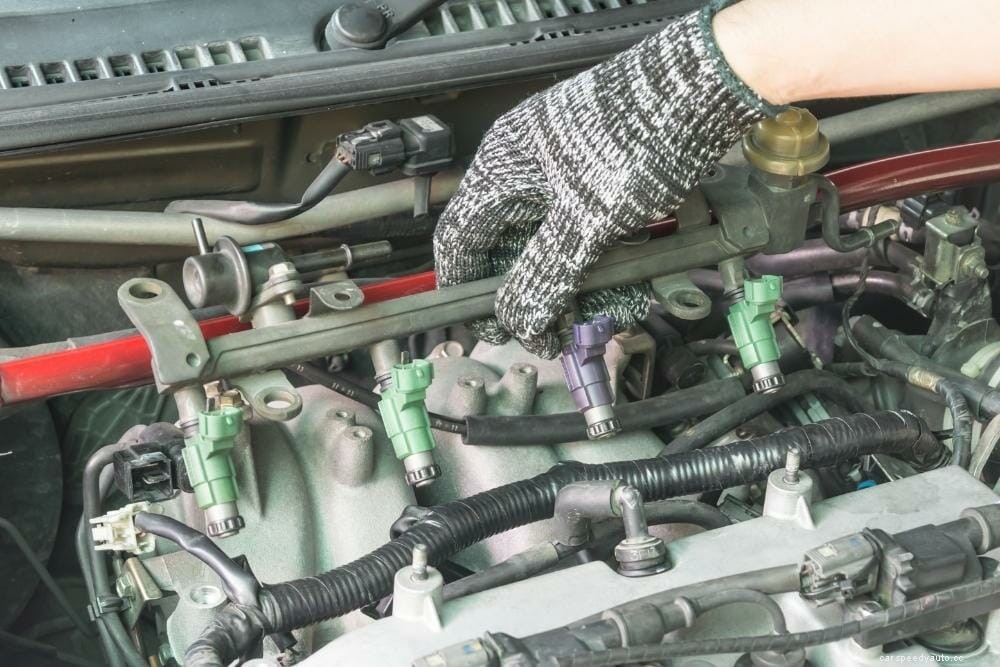
If you have a bad fuel injector, it is important to have it repaired or replaced as soon as possible. Driving with a bad injector can cause decreased performance, increased emissions, and even damage to your engine.
It is also important to note that if one of your injectors is going bad, it is likely that the others will eventually go bad as well. Therefore, it is often recommended to replace all of the injectors at the same time. This can help prevent further damage to your engine and save you money in the long run.
Bad fuel injectors can cause your car to consume more fuel than it should. This is because the injectors are not able to properly atomize the fuel, which can lead to incomplete combustion.
In addition, bad injectors can also cause your car to emit more pollutants into the atmosphere. Therefore, it is important to have them repaired or replaced as soon as possible.
No, fuel injectors and carburetors are not the same. Fuel injectors are a more modern type of fuel delivery system that is found in most cars today. Carburetors were used in older vehicles and are no longer used in new cars.
A mechanic needs around an hour to replace a fuel injector. If you are a DIY mechanic, expect to spend around two hours. The process is simple, but the new injectors must be installed correctly. Otherwise, you could end up damaging your car’s engine.
Be sure to have your mechanic check the rest of your car’s fuel system when you replace the injectors. This includes the fuel pump, fuel lines, and fuel tank. These components can also become worn out over time and cause problems with your car.
