
A purge valve is an important component of your car’s engine. It represents a part of the Evaporative Emissions Control (EVAP) system and prevents the fuel vapors from escaping into the environment.
If the purge valve is not working properly, it can cause a number of problems for your car. Today, we discuss the five symptoms of a bad purge valve.
The 5 symptoms of a bad purge valve are: the engine becomes difficult to start or won’t start at all, the engine runs rough or stalls out, the car doesn’t accelerate smoothly, there is a loss of power, and the Check Engine light comes on.
The purpose of a purge valve is to maintain a positive pressure in the fuel tank, so that fuel does not flow back into the filler pipe when the engine is stopped. It also ensures that no air or vapors can enter the tank from outside.
A purge valve is a device fitted to the fuel system of an internal combustion engine. It is used to expel unwanted air and vapors from the fuel tank, and to draw in fresh fuel and air. The purge valve is opened when the throttle pedal is depressed, and closed when the engine is idling or stopped.
There are many reasons why a purge valve may become faulty. The following are five of the most common:
If the wiring to the purge valve is damaged, it can cause the valve to malfunction. Similarly, if the connectors are corroded or dirty, they can prevent the purge valve from working properly.
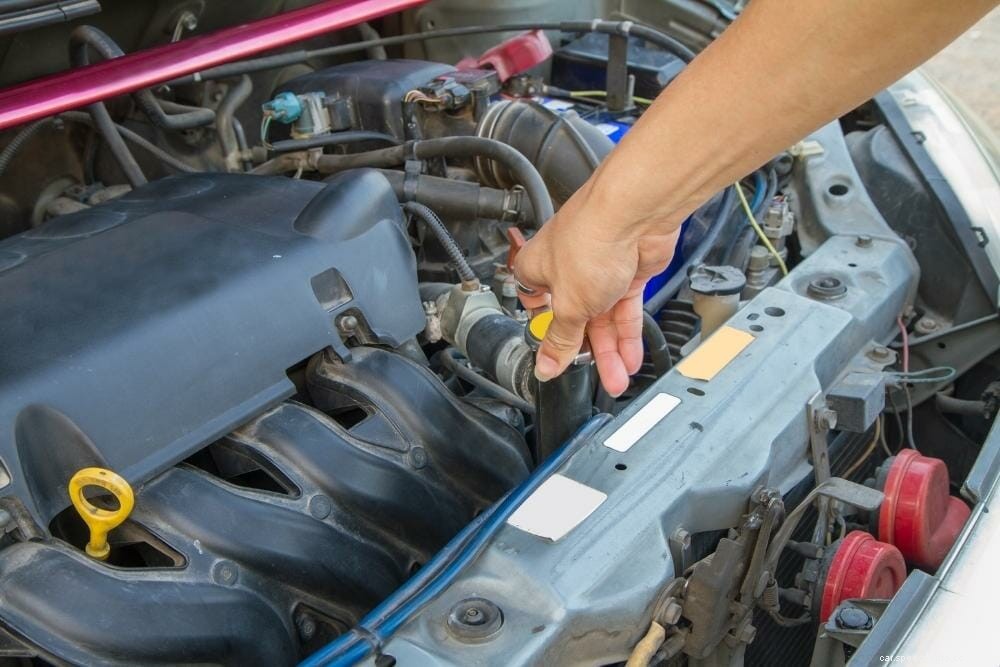
The purge valve solenoid is the component that controls the opening and closing of the purge valve. If it fails, the purge valve will not operate properly.
When the purge valve becomes blocked or dirty, it will not be able to function correctly. This may be due to a build-up of fuel deposits, dirt or debris, or corrosion.
In case the purge valve is leaking, it will not be able to maintain a positive pressure in the fuel tank. This can cause fuel to flow back into the filler pipe when the engine is stopped, and may also allow air or vapors to enter the tank from outside.
If the ECU (engine control unit) is not functioning correctly, it may cause the purge valve to malfunction. This can be due to a fault in the ECU itself, or incorrect settings that are causing the valve to operate incorrectly.
In case your car won’t start, the purge valve may be to blame. The purge valve is responsible for maintaining a positive pressure in the fuel tank, so that fuel doesn’t flow back into the filler pipe when the engine is stopped.
When there’s a problem with the purge valve, it can cause all sorts of problems with the car’s performance.
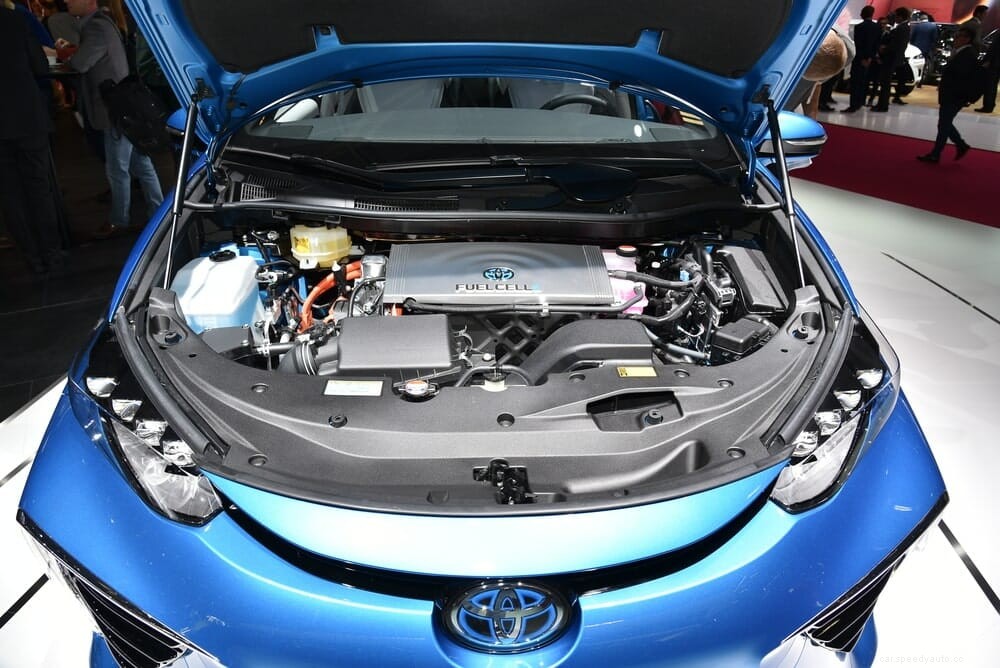
In case your engine runs rough or stalls out, it could be a sign that your purge valve is bad. Other symptoms of a bad purge valve include poor gas mileage, difficulty starting the engine, and black smoke from the exhaust pipe.
When you notice any of these symptoms, have your car inspected by a mechanic as soon as possible. A faulty purge valve can cause serious damage to your engine.
The car hesitates when you step on the gas pedal. This is often a sign that there’s something wrong with the purge valve. When the purge valve is working properly, it helps to clear out any leftover fuel from the engine.
If it’s not functioning correctly, this can cause problems with acceleration.
One of the most common symptoms of a bad purge valve is the check engine light coming on. If your car’s purge valve is not working properly, it can cause the engine to misfire and the check engine light will come on.
You may also notice a decrease in gas mileage and difficulty starting your car.
Another common symptom of a bad purge valve is an unpleasant smell coming from the engine. When the purge valve isn’t working properly, excess fuel can leak out and cause the engine to smell like gasoline.
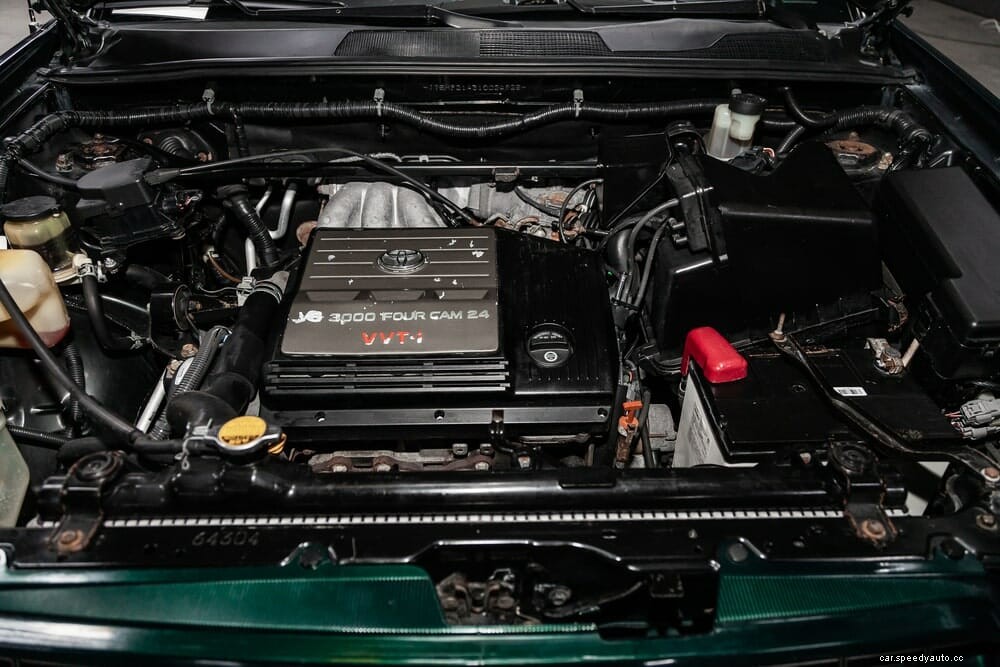
This can be especially noticeable when you’re driving or when it’s cold outside.
When you notice black smoke or fluid coming from your car’s exhaust pipe, that’s a clear sign that there’s something wrong with the purge valve. The purpose of the purge valve is to expel all the fuel and air from the engine after it’s been shut off.
In case this valve isn’t working properly, then gas and air will be forced out through the exhaust pipe, resulting in black smoke. You’ll also likely hear a loud popping noise when the purge valve malfunctions.
When the purge valve is not working correctly, the engine may overheat. This is because the purge valve helps to get rid of any extra fuel in the engine. If there is too much fuel in the engine, it can cause the engine to overheat.
You may notice that your car’s temperature gauge is reading higher than normal, or you may see steam coming from under the hood. If you notice either of these things, it is a sign that your purge valve needs to be fixed.
When your purge valve isn’t working properly, you might start noticing a decline in your gas mileage. When the purge valve is clogged or malfunctioning, it can’t release the air from the fuel system, which means that the engine has to work a lot harder to compensate.
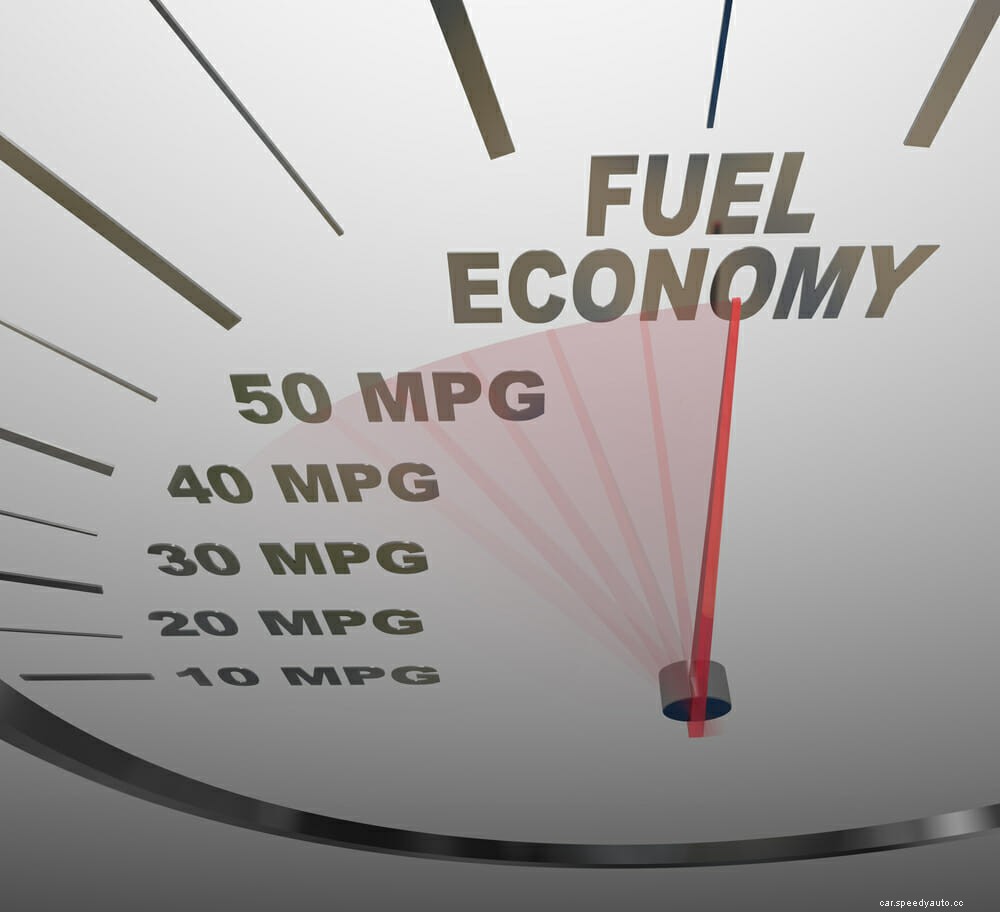
This can lead to decreased fuel efficiency and higher fuel costs. So if you’ve been noticing that your gas mileage has been declining, it’s worth checking out your purge valve to see if there might be an issue.
It’s possible to drive with a busted purge valve, but we don’t recommend it. You run the danger of damaging the EVAP system and other vehicle components if you use an insecure purge valve for a long time. Fuel may be lost and emissions may be higher than necessary.
If the vapor canister purge valve is stuck shut rather than open, it will not push any fuel vapors back into the engine. Instead, they’ll run straight out of the exhaust, resulting in considerably higher emissions levels.
A leaking purge valve can cause a difficult start and rough engine operation after being refilled with vapors from the fuel. The shifting difficulty is most likely not caused by the purge valve. This appears to be a shift solenoid or a pressure control valve that is malfunctioning.
The average cost of replacing a purge valve is between $151 and $172, depending on the make and model of your automobile. Labor costs are predicted to be between $42 and $53, while parts cost between $109 and $119.
This range does not include taxes or fees, as well as any additional repairs that may be required.
The purge valve is a part of the EVAP system and regulates the flow of gasoline fumes to the engine to ensure a complete burn and minimal impact on the environment.
When the purge valve goes bad, you can expect the following issues:
We hope that this article has helped you to understand a little bit more about your car’s purge valve. If you think that your purge valve may be malfunctioning, we recommend taking it to a mechanic or dealer for diagnosis and repair.
