
To keep your car performing effectively, regular maintenance is needed. Just like keeping tires inflated and engine oil topped up is important, having a clean car radiator is essential for optimum performance too. Here are our top tips on how to flush a radiator with a garden hose.
The car radiator is found at the front of the engine where debris and coolant/antifreeze sediments can build up over time. If left, the build-up of debris can cause the radiator to overheat and the cooling system may fail.
Rust can also form inside the radiator and if not flushed after approximately every 30,000 miles (see car owner’s manual for exact time frame), the rust can cause corrosion inside the pipes. The old antifreeze in the radiator can cause a build-up of corrosive residue and a radiator flush is an effective solution to this problem.
In this article, we share a step-by-step guide to flushing your car radiator with a garden hose at home. Mechanics can be expensive and with the correct knowledge and equipment, you can easily flush your car radiator yourself.
Before you attempt to flush your car radiator with a garden hose, you need to be sure your radiator does in fact need this maintenance work. There are several signs that your car needs a radiator flush
If your car is overheating, this may be down to problems with the radiator cooling system. When debris and sediments of rust and antifreeze build up in the radiator, the pipes can become blocked, preventing the coolant fluid from moving freely around the system.
If you notice a burning smell or steam coming from below the car hood while you are driving, your engine is most likely overheating. Flushing your car radiator may solve the overheating issue and prevent any further smell or steam.
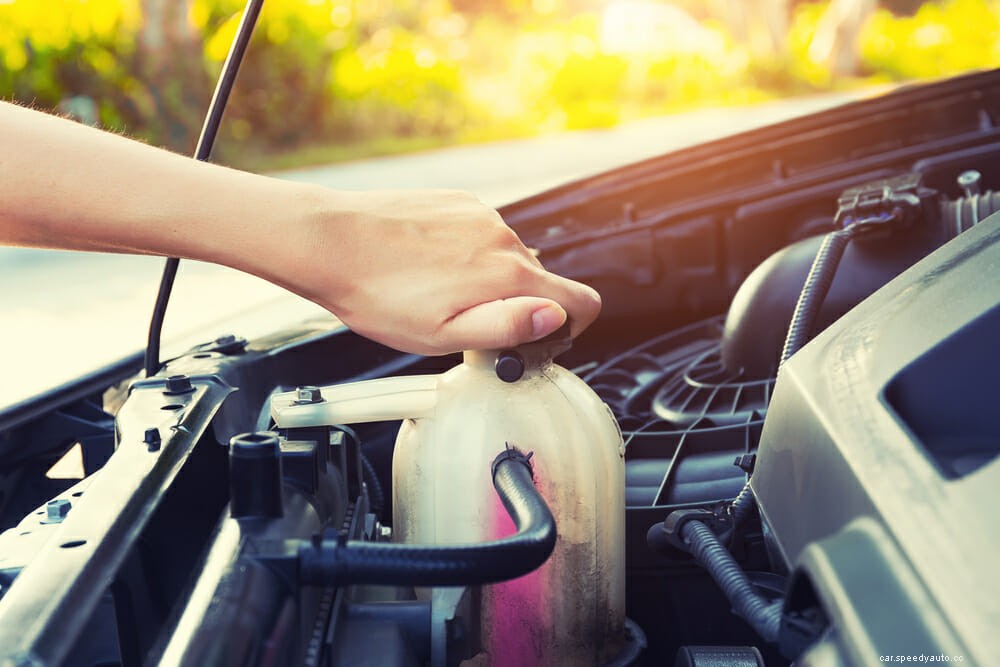
If you notice coolant fluid is leaking from beneath your engine, a radiator flush may be needed. However, if the new coolant also leaks following the radiator flush, there may be another problem that needs to be fixed by a professional mechanic.
If the radiator cooling system is failing, you may notice a grinding or knocking sound when driving. A radiator flush will remove all of the old antifreeze and built-up toxins and the radiator will function correctly once the new coolants are added.
If your engine is overheating you will notice the temperature gauge creeping up towards the red zone. A warning light may also flash on your dashboard when it is time for a radiator flush.
There is debate over how often a car radiator needs to be flushed, some experts say every 100,000 miles, others say 30,000 and others say 50,000. The car owner’s manual should detail exactly how often your car requires a radiator flush
Flushing the car radiator can have lots of benefits for the health of your car, but is it a maintenance task best left to the professionals? We have good news, it is possible to flush your car radiator yourself at home. In fact, there are several methods you can try to flush a car radiator at home, including flushing the radiator with vinegar or baking soda.
If you want to flush a car radiator using a garden hose, follow our step-by-step guide. You will need to take your time and follow the steps carefully, the radiator plays an essential role in your car’s ability to function and you don’t want to damage it while performing the radiator flush.
Before you flush your car radiator, you are going to need a few essentials.
| Title | Price | Buy | |
|---|---|---|---|
 | DEWALT DPG82-11C Concealer Clear Anti-Fog Dual Mold Safety Goggle, Clear Lens, 1 Pair | ||
 | Flexi Hose with 8 Function Nozzle Expandable Garden Hose, Lightweight & No-Kink Flexible Garden Hose, 3/4 inch Solid Brass Fittings and Double Latex Core, 50 ft Black | ||
| Amazon Basics Working, Gardening Gloves, Green, XL, 5-Pair | ||
 | Performance Tool W1654C Pro Anti-Freeze Tester | ||
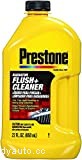 | Prestone AS105 Radiator Flush and Cleaner - 22 oz. , yellow | ||
 | RPI W20525-4000.0 Distilled Water, 4L | ||
 | Rubbermaid Commercial Products 2.5 Gallon Brute Heavy-Duty, Corrosive-Resistant, Round Bucket, Red FG296300RED |
Once you have your radiator flushing kit ready, you can begin the process of flushing your car radiator with a garden hose.
1. Park the car on a flat surface and wait for the engine to be completely cool.
2. Locate the radiator cap, coolant reservoir cap, and radiator drain.
3. Place bucket underneath the radiator drain, ready to catch the flushed liquid.
4. Open the radiator drain and allow all antifreeze/fluid to drain out into the bucket.
5. Close the radiator drain.
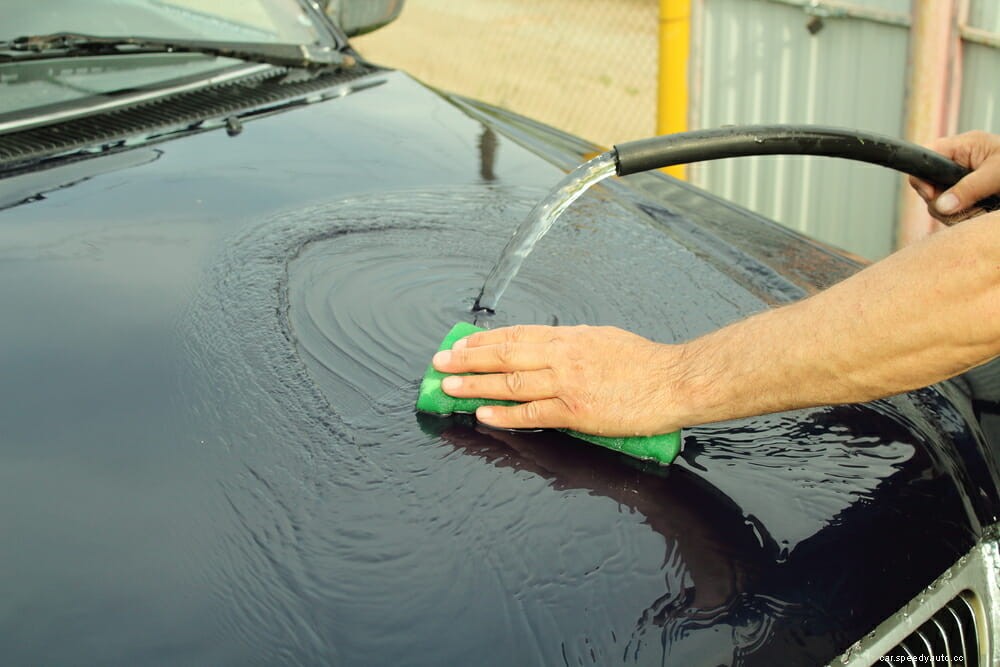
6. Open the radiator cap and pour in the radiator flush liquid. Using the garden hose, add water to the radiator until the water level is approximately an inch away from the top of the radiator’s neck.
7. Close all caps on the radiator and turn on the engine.
8. Run the engine and turn on the heating system in the car. Turning the heater on high will open the thermostat and the water and flushing liquid will flow inside the radiator.
9. Wait 10-15 minutes.
10. Turn off the engine and allow the car to cool down again.
11. Place a bucket below the radiator caps and the radiator drain.
12. Drain the water and cleaning liquid out by opening the caps and draining.
13. Loosen the hose clips on the radiator to remove the top and bottom radiator hose.
14. Place your garden hose into the top radiator drain, sealing with rags and cloths if needed.
15. Run your garden hose and let the water rinse through the system.
16. Stop the flow of water when you see all the sediment has been removed and the water coming out of the system is now clear.
17. Close the drain and add the antifreeze and diluted coolant with distilled water to your radiator (check your product packaging to get the mix right)
18. Start the engine again and run until the antifreeze stop bubbling and you can see the level rising.
19. Top up water in the expansion tank if necessary.
20. Make sure all caps and drains are closed and in their correct place.
Flushing the car radiator at home may seem like a complicated process at first, but you don’t need to hire a professional to get the job done. To flush your car radiator with confidence at home using a garden hose, make sure you read all of the instructions on your flushing product, antifreeze, and coolant and you correctly locate the radiator caps and drains by referring to your car’s manual.
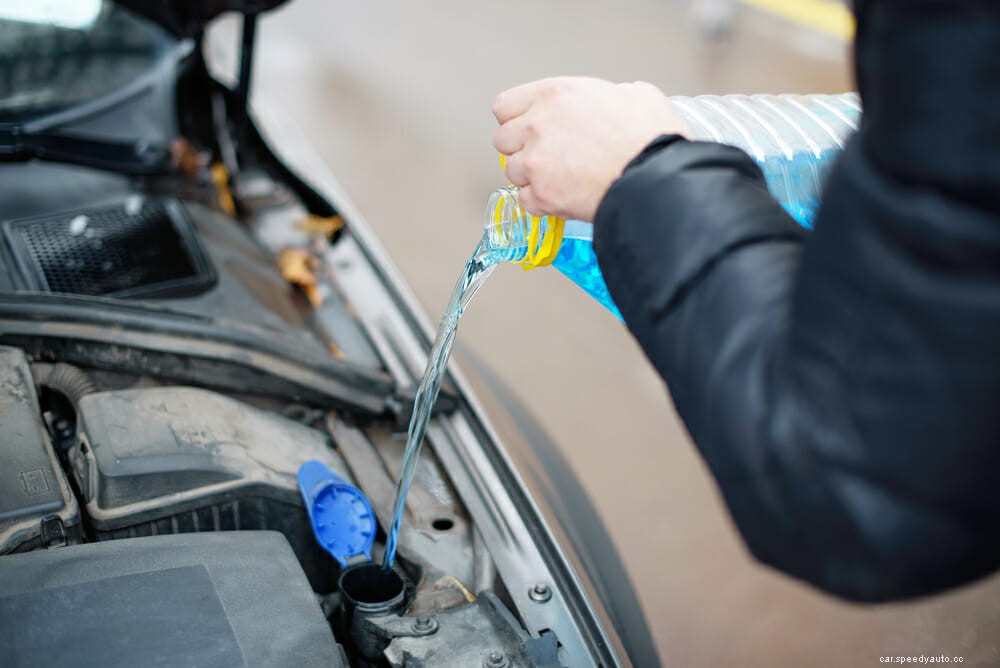
A standard radiator flush may not be enough to remove stubborn sediment and clear large amounts of built-up rust and debris. In these circumstances, you may want to try a reverse flush of your car radiator. This process is more complicated than the method we shared above. However, it is possible to reverse flush a car radiator at home using a garden hose.
You will need to purchase a radiator backflush kit in order to complete this process yourself at home.
Here is a brief step-by-step guide to reverse flushing a car radiator with a garden hose.
1. Switch off the car engine and allow it to cool completely.
2. Disable vehicle central heating system and turn off the radiator water supply.
3. Release the system pressure by unscrewing the radiator cap, located at the top of the radiator.
4. Place a bucket beneath the radiator drain plug.
5. Open the radiator drain and allow all liquid to drain out into the bucket.
6. Using a utility knife, cut the heater hose that is connected to the engine and the radiator (use your vehicle manual for assistance).
7. Insert the radiator hose to the T-shape junction pipe from your back flush kit.
8. Use a screwdriver and tighten the clamps on the junction pipe to keep everything secure.
9. Attach your garden hose onto the free end of the T-shape junction pipe.
10. Add the diverter from your back flush kit to the top of the car radiator, where the radiator cap is. If you want to reduce mess, connect a hose to the diverter so flushed fluids can be directed into a bucket.
11. Turn the car heating system on.
12. Turn on the garden hose and flush the anti-freeze/coolant from the system.
13. Keep the garden hose turned on until the water running out into the bucket is clear and free of rust and debris.
14. Turn off the car engine and the garden hose. Drain the radiator again to remove water used during the flush and then reseal the drain cap.
15. Remover the diverter from the radiator.
16. Add coolant/anti-freeze into the cooling system, fill the radiator and seal the radiator cap.
If you have any concerns about backflushing your car radiator, refer to the instructions that were provided with your backflushing kit. If you have an old car, you may want to avoid back flushing the radiator as there is the possibility the process can cause damage to the aluminum radiator.
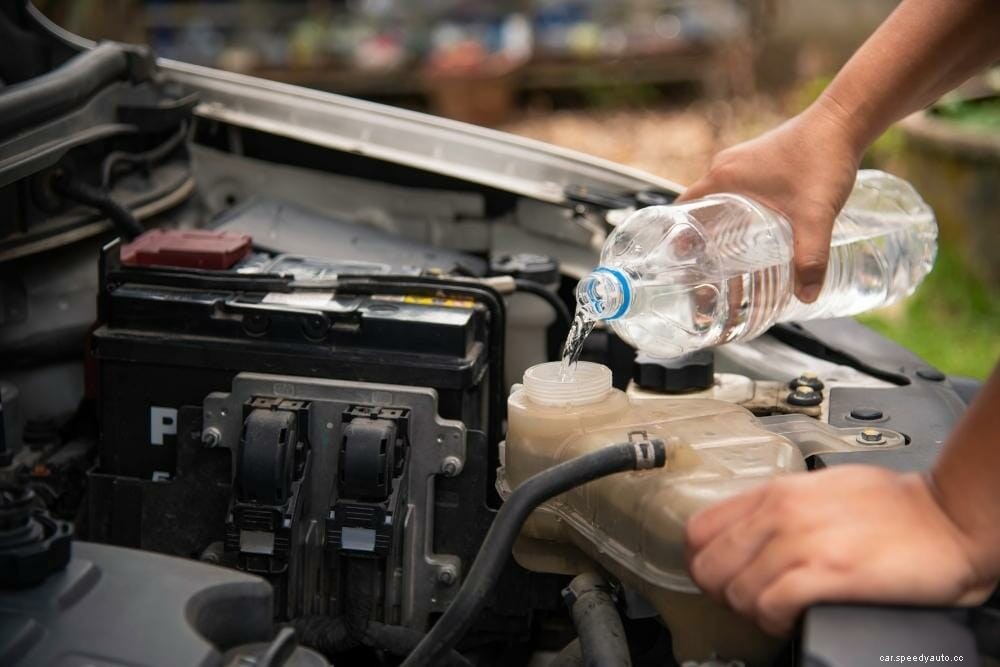
You should never use dish soap to flush a car radiator. The soap is not designed to effectively clean a car cooling system and dish soap will create suds when mixed with water and moved through the system. To effectively and safely flush your car radiator, it is always recommended you use a flushing product specifically designed for this purpose.
You can clean sludge from your car radiator by flushing the system, as explained in this article. If the sludge is particularly thick and stubborn, backflushing may be the best method to use. Backflushing allows water and cleaning products to run in the opposite direction through your car radiator, effectively dislodging any sludge and debris a standard flush has missed.
When done correctly, radiator flushes are safe and effective. However, if the process is not performed correctly, some debris may be dislodged and left in the system, potentially clogging up the radiator and causing problems. However, a radiator flush can be beneficial and help your car to run better than ever, but it must be completed properly.
Vinegar is a mild acid and is effective at removing debris and residue that has built up in your car radiator. If you want to try this flushing method at home, check out our detailed step-by-step guide on how to flush a radiator with vinegar or baking soda.
If your car is showing signs your radiator needs flushing, it is possible to flush a car radiator using a garden hose at home. The process may seem complicated at first but if you follow the instruction carefully and refer to your vehicle owner’s manual for assistance, you will be able to successfully flush your car radiator. Flushing or backflushing a car radiator when necessary can keep your vehicle running smoothly for longer.
Read through these articles for tips about car radiators:
Bad Radiator Cooling Fan Symptoms
No Pressure in Radiator Hose – Causes and Possible Solutions
Why Is My Coolant Reservoir Empty But The Radiator Is Full
