
If you hop in your car just to find out that your Toyota Camry won’t start, it can be frustrating. There are several things that can cause this problem. These are the most common things that will prevent your car from starting, how to determine what the problem is, and what you can do to get your car back on the road ASAP.
One of the most common reasons that a Toyota Camry won’t start is due to a dead battery. Batteries tend to lost their power over time, and the cold weather could have just killed your battery.
One of the easiest ways to tell if you have a dead battery is by looking at your car when you try to start it. You’ll notice that the headlights dim, or that your car has a slow crank when you turn the key. Electrical components in your car, like the radio, won’t function properly.
If your batter is a few years old or has corrosion on the battery cables, you more than likely need a replacement battery. However, if you don’t notice any problems with your battery and it’s under a few years old, it’s time to break out the jumper cables and call a friend.
If your headlights, etc. do not work, it means that your battery is completely dead. Because of that, it can take longer to jumpstart your car.
A Toyota Camry that starts with a jump is a Toyota Camry that needs a new battery.
To double-check, head to your nearest AutoZone and ask them to test it. Most auto parts stores will test your battery for free. You don’t have to remove the battery for this, either. The employee will simply connect the device to your battery terminal.
If you don’t have signs of a weak battery, such as dimming lights, but your car still shows signs of a dead battery, it could be your battery connection.
First, pop the hood on your Toyota Camry. Your battery should be conveniently located in the front on the driver’s side.
Make sure that the key is not in the ignition when doing this. Then, grab the battery terminal and wiggle it. You want to do this with both the positive terminal and the negative terminal.
If you find that the terminal moves, it means that you have a loose connection. The battery terminals should be tight. Either screw them in yourself or call a mechanic to get the job done.
Corrosion on your battery terminals can also give you a bad battery connection. This can lead to symptoms of a weak battery or your car not starting. Look at your battery terminals. If there is a layer of white, greenish or bluish stuff on your battery terminals, that is corrosion.
Clean it off, and see if your car starts. This is a great article about the causes of battery corrosion and what you can do about it.
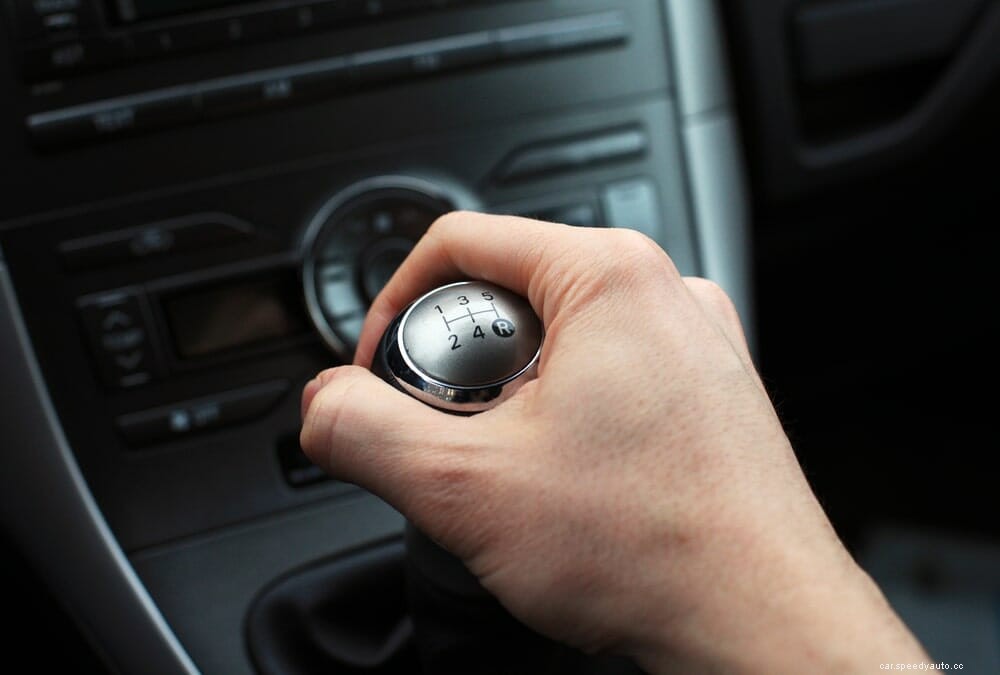
If you have a manual transmission, it’s easy to accidentally turn the car off without it being all the way in park. Make sure that your car is in “park”, and try to start it again.
Just like batteries, alternators tend to go out over time. This is particularly common if you have a killer sound system hooked up in your car. Extra speakers use a little bit more juice than factory systems do. If you suspect that you have a faulty alternator, there are a few ways that you can tell whether it’s your alternator or something else.
Generally speaking, you need a good battery to start the car and a good alternator to keep the car running. When you start the car, it runs for a brief moment and then promptly dies. This is a sure-fire sign that you need a new alternator.
Before replacing it, remove the alternator and take it to your local auto parts store. Most will test it for free.
Your car has fuses in a circuit board just like your house does. If you’ve blown a fuse or need a new one, power might not be reaching your starter relay, which is necessary for a car to start.
Break out the owner’s manual, find your fuse box, and determine if you need a new fuse. A mechanic will do this repair pretty cheap.
If you need new spark plugs, it can make your car have a rough idle, give you engine misfires, and a slew of other problems, like rough acceleration. If you noticed these problems, and then your Toyota Camry won’t start, it’s probably your spark plugs.
Contact a local repair shop for a visual inspection and replacement. Spark plugs should also be replaced during regular maintenance.

If your light was on signaling you to fill up your gas tank before you parked the car, there’s a good chance that you don’t have enough gas in your gas tank to start the car. Check your gas tank to determine if that’s the problem.
Every car has a fuel filter. This is designed to catch gunk and debris. If this debris doesn’t get to your fuel lines, it also can’t get to your engine. People that tend to run their car low on gas are more likely to experience this problem because the dirt and gunk in the bottom of your gas tank are getting stuck in the filter.
However, other people can still experience their car not starting due to a clogged fuel filter. If this is the case, your lights and everything else will work when you put the key into the on position. Your car still won’t start though. It may crank like it is out of gas.
A bad fuel pump will make a whining noise before it goes out completely. If you heard this noise coming from your car but blew it off, and suddenly your car won’t start, that’s a sign that you have a bad fuel pump on your hands. Other signs of a failing fuel pump include:
You will see these signs if you do get your car started and it needs a new fuel pump.
If you turn the key but your car doesn’t start, there’s a good chance that you need an ignition switch. A bad ignition switch will not affect whether or not your car has power, but just whether it will start. Other signs of this include:
A great way to prevent this is to make sure that you have lightweight keys. Keychains with plenty of items on them are heavy and tend to pull on the ignition when the key is in the car. Avoid heavy keychains to help prevent this from re-occurring in the future.
An experienced service technician can replace your ignition switch.
It’s common for cars to have a hard time starting in the cold. The most common issue is a dead battery. Turn your key into the on position, and see if your lights work. If they do not turn on, it’s a sure fire sign that your battery is too dead to start the car.
This is another way to tell that you have a dead battery. The buzzing sound is a low electrical current that is coming from your Toyota Camry. Turn the key into the on position to determine if electrical components work. They may work, but not as well. for example, your headlights might be dimmer than usual.
If a car starts and then suddenly dies, including a Toyota Camry, that’s a sign that your alternator is bad. Your battery helps your car start, but your alternator helps keep it running. Have your alternator tested at your local auto part store to determine if it needs to be replaced.
The main reasons you’ll find that your Toyota Camry won’t start are because you have a dead battery, need a new alternator, or perhaps a new starter. Use these tips to figure out what the problem is so that you can fix it.
