
Nobody wants to get in their vehicle and find that it will not start, especially when you have places to be and errands to run.
If your Lexus won’t start and has no power this can be an indicator of a long list of issues such as faulty batteries or loose cables, faulty fuel pumps, engine failure, old spark plugs, or a bad starter motor amongst several other issues.
There are many reasons why your Lexus has power yet won’t start. Problems with the battery and terminals, Starter motor, onboard computer, spark plugs, or fuel systems can all be a cause for your Lexus not starting.
Discovering the fault in your Lexus can save you time and money in the garage and it is easier than you may think to diagnose why your Lexus won’t start but has power.
Your Lexus is struggling to turn over but has power, meaning that one aspect of your vehicle fails to do its job correctly. In most cases where a Lexus will not start, the fault lies within the battery and terminals.
One of the first assessments you need to make is which parts are the most worn/aged or in need of replacement? These could be to blame for your Lexus being unable to start.
If your car is newer then this means it is much less likely to be a major fault such as a fuel injector and you should focus more on your battery health. Unfortunately in older Lexus models, you will be more prone to a range of issues due to the age and health condition your Lexus may be in.
When you crank your engine the turn of your key will charge from the battery and into the starter motor that rotates the crankshaft whilst fuel from the fuel tank is pumped into the engine via your fuel pump via the fuel lines, fuel rail, and finally the injectors.
At the same time, your air filter will be sucking up air and entering the engine through the intake manifold. If you have a gasoline engine then a distributor will send sparks to your aptly named spark plugs in the engine to ignite the air and fuel mixture to create the power for your Lexus.
So what may seem like a simple turn of a key on the outside, leads to a knock-on effect under the hood that involves several key components working harmoniously to get your Lexus up and running.
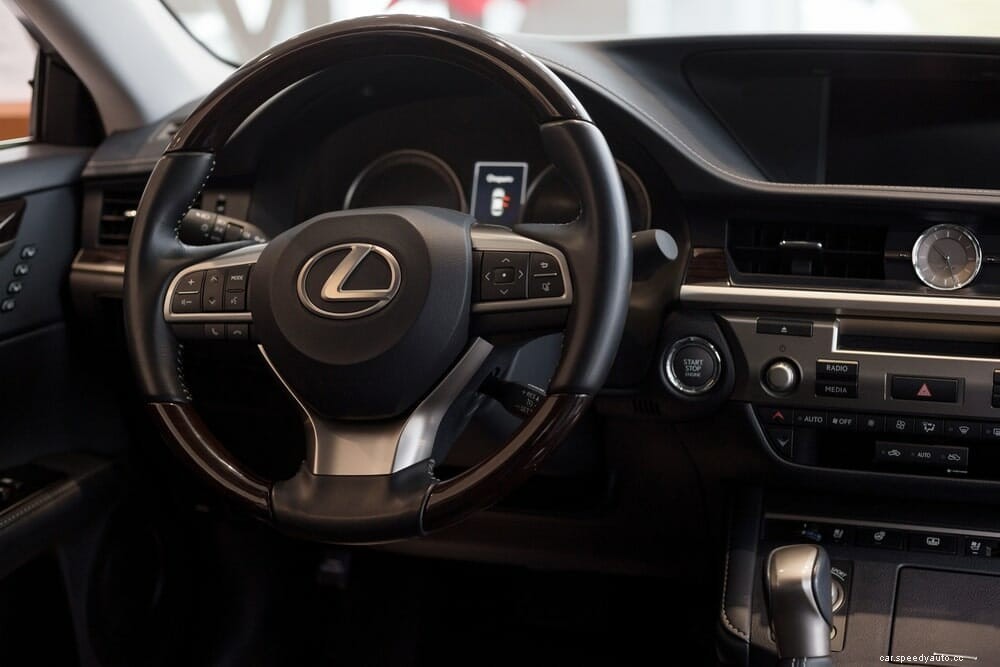
There is no reason to be overwhelmed with the long list of possible diagnoses for your Lexus’s start-up issues as troubleshooting the issues is not as difficult as you may think.
There are several reasons which can lead to a lack of power and the details of each are vitality important to help you spot the telltale signs of the fault in your Lexus.
Here’s our list of the most likely causes for your Lexus not starting but having power, and what you need to do to get things back up and running.
The most obvious issue with your Lexus may also be the one you suspect the least. As your vehicle has got the power you may not expect your battery to be at fault, however, this doesn’t mean your battery is not the cause of this issue.
A car with a completely dead battery will not power any of the lights, horns, or other systems or might just provide a very weak performance. If your battery’s voltage drops then it may not have enough power to start your engine but will still manage to power your accessories.
Check that your battery is working correctly using an amp meter or try charging it to see if this solves the issue. If not, then you may need to fit a new battery.
If your battery is new or providing a steady reading then it may not be the amount of charge at fault. Corroded battery terminals can cause a voltage drop leaving your Lexus’s engine unable to start. You can clean away any corrosion to prevent this issue and see if this helps your vehicle to start easily.
If you haven’t got any corrosion then you could have something as simple as a loose battery cable that needs tightening using a wrench. This can happen over time as your vehicle vibrates and loosens fittings in your vehicle.
If after assessing your battery you have found no faults then you may have an issue with your engine computer failing or causing power interruption. This can make your vehicle stall, or die suddenly.
You should take your vehicle to a professional to receive an accurate diagnosis where they can safely check all the electrical components in your vehicle or any damage.

A bad starter motor can also lead to your Lexus not being able to start, but still having power. The starter motor is directly connected to your engine’s crankshaft and rotates it to initiate strokes of the engine when you turn the key. If your starter motor has failed, then this can lead to your engine not being able to fire up.
If you turn the key and are met with silence and no cranking or noise then this is a strong indicator of your starter motor requiring replacement. If your battery and alternator are both still working then this can also point you towards your starter motor.
We suggest you go to your local garage for a replacement and fix this scenario as they can check for any further issues in your Lexus too.
Spark plugs can easily be worn down over time and leave no spark to burn the fuel for your car to start, meaning you will still have power in your vehicle.
The spark plug ignites the fuel that is injected into each cylinder so you can easily remove these and see if there are any signs of cracks, damage, or gunk build-up preventing your Lexus from starting.
If your spark plugs look fine when you remove them, you can use a multimeter to test them and check for power to help point you in the right direction.
Your fuel system will differ depending on if you have a gasoline or diesel model, but both can be problems. If your ignition system and battery are fine, then you can check a few different areas to diagnose your fault.
You can suspect a fuel pump fault in older vehicles, or if you have used some low-quality fuel in your vehicle. If you notice a hum coming from the rear of your vehicle this can indicate your fuel pump is not flowing fuel ready for injection and your engine will refuse to start.
If your pump is fine then look into your fuel rail/ line as this may be hiding a clog preventing fuel from flowing. It is less likely to be an issue with your fuel injector as this is rarer in vehicles that have power and will not start, but you can still check the injectors yourself to be safe.
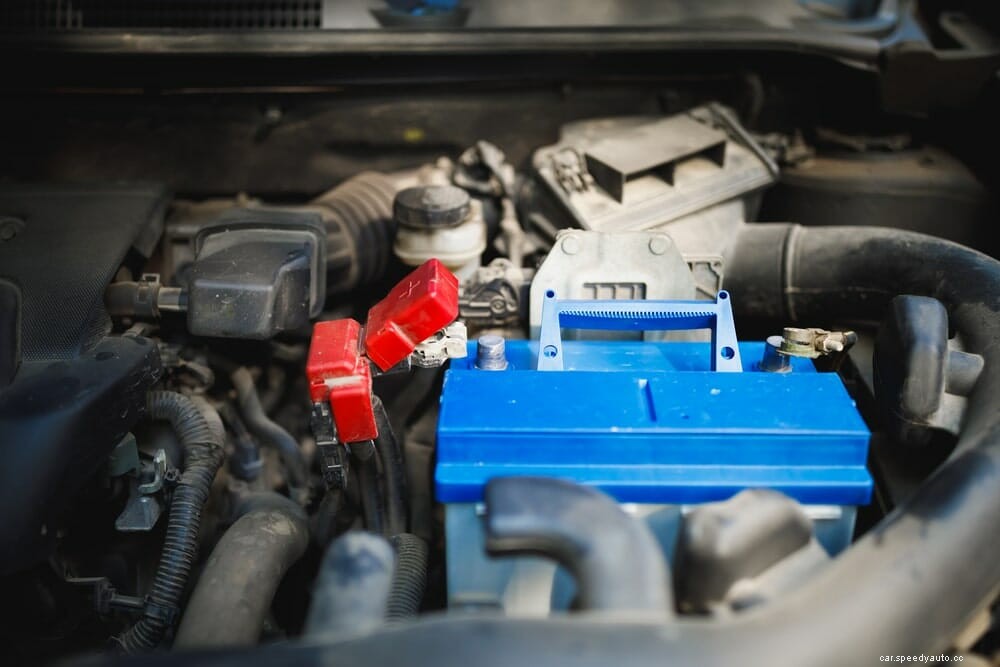
Connect the red cable clamps to the positive terminal on your dead battery then the other to the good battery positive terminal.
Connect one of the black clamps to the good battery negative terminal, attach the final black clamp to an unpainted metal surface on the frame of your car that is away from the battery, and with all 4 clamps secure start the engine of the good vehicle and leave it run for a few moments.
Detach the battery cable for 2-3 minutes and then reconnect and start your Lexus. Drive the car for 10 miles to let engine control units find any issues, if nothing comes up then your vehicle is good to drive!
If your Lexus is not starting then this doesn’t mean that you have a major fault. You can usually diagnose the issues yourself at home using simple tools that most people will have in their garage.
As we have said there could be a few different reasons as to why your Lexus won’t start but still has power such as onboard computer issues, a faulty battery, corroded terminals, or a problem with your starter motor.
The first thing that you would need to do is to start eliminating potential problems, start by checking all aspects of your battery’s cables, terminals, and voltage then you can go on to checking your starter motor and spark plugs until you find the issue preventing your engine from starting up.
A vehicle not starting doesn’t necessarily mean that there is a huge and expensive problem at fault. If you can’t diagnose the issue yourself or you continue to have problems, we recommend you take it to a local shop or Lexus service center for diagnosis.
