
Testing a fuel pump without a pressure gauge can be done, but it is not recommended. There are several methods that can be used to test a fuel pump, but the most accurate way is to use a pressure gauge.
If you do not have access to a pressure gauge, there are other methods that can be used to test the fuel pump.
In this blog post, we will discuss three methods that can be used to test a fuel pump without using a pressure gauge.
A fuel pump is an essential part of your vehicle, but it can be easily overlooked by many drivers. In short, a fuel pump uses electric power to push gasoline from the storage tank to the engine.
This allows your car to run smoothly and efficiently as if there were no interruption of supply at all. However, it’s vital that you check on your fuel pump from time to time – because one day, you might find out too late that it stopped working!
Today we will teach you how a fuel pump works and why it occasionally stops working – so keep reading if this sounds interesting!
While most cars today have a computerized system for delivering gasoline/diesel from the tank to the engine, there are still many vehicles that use a simple fuel pump. No matter if your car has an old-fashioned pump or a modern electronic system, this device works on the same general principle of physics.
The electric motor takes energy from the battery and transforms it into kinetic force. This power drives a series of gears that give energy to the fuel pump’s plunger (or piston). As this plunger moves up and down, gasoline goes through a pipe into the engine.
If you have an older car with no computerized fueling system, then your car will rely more heavily on its fuel pump. The design of this device is mostly unchanged since the 1920s, but components have certainly been replaced over time!
Older pumps are more susceptible to wear and tear since there are many moving parts inside of them – which means they need occasional servicing or replacement. For example, you might need to change out old hoses or screens if there are any blockages or tears.
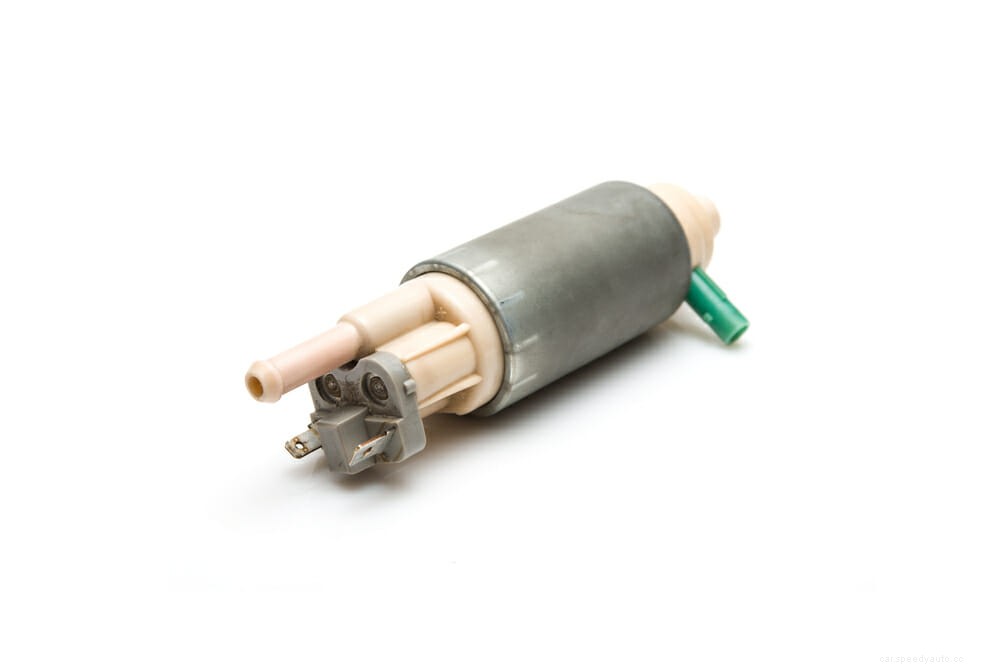
Since the 1980s, fuel pumps have been designed with a fail-safe mechanism that shuts off the flow of gasoline if the vehicle stops running. This is called an “intelligent” pump and it can shut down quickly if there’s any problem!
Older vehicles didn’t have this safety feature – which meant you had to run out of gas or risk getting stranded on the road with no way to power your car!
Just like almost every other component on your car, a fuel pump has a limited lifespan and eventually needs replacement once its performance starts degrading. There are three main reasons why this happens:
In this case, the fuel pump will have to work harder in order to get gasoline into your car’s tank – which can cause it to wear out more quickly! This type of problem is more common in older vehicles with no electronic components.
The fuel tank itself works at atmospheric pressure while the engine typically runs at 50 psi (pounds per square inch).
On an older vehicle, you might have some rubber tubing that connects these two systems together. Leaks from this part may not happen very often, but they do happen on certain models of vehicles built between the 1940s and 1990s!
This can be caused by high heat, age, extremely cold temperatures, or even the wrong kind of gasoline being used in your car. If you notice any leaks or other problems with your fuel pump, then it’s time for a replacement part!
If your car has an electric fuel pump, then you’ll want to check the voltage on it using a multimeter. Set your meter for DC current and connect the leads from a red (positive) lead of the multimeter to one side of each terminal in turn while the black (negative) lead is connected to the car’s chassis.
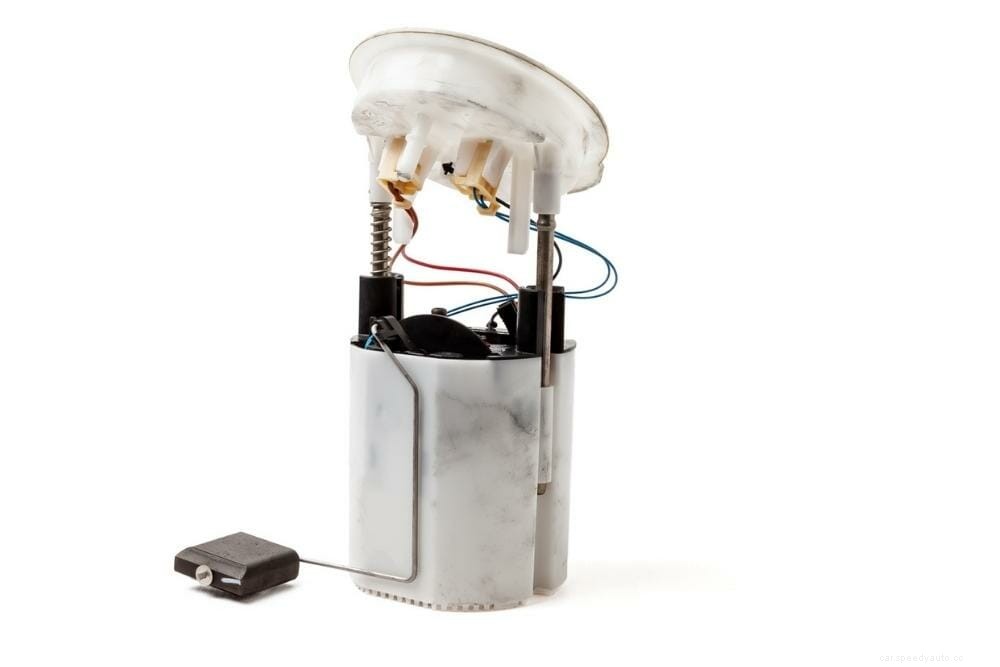
The pump should show a voltage reading between 12 and 14 volts when you’re engine is running. If it doesn’t, then there may be a problem with your fuel pump or its wiring!
If you have an older vehicle with a mechanical fuel pump, then listen for any unusual sounds when the engine is running. A fuel pump that’s starting to wear out may make a “rattling” noise, especially when you’re accelerating or braking.
You can also check for leaks – both under the car and around the fuel tank cap. If you notice any of these problems, then it’s time to replace your fuel pump!
Testing your fuel pump without a pressure gauge is actually pretty easy to do. All you need is a clear container with enough gasoline in it to cover the top of the pump (at least).
If your fuel pump doesn’t have enough pressure, then you’ll want to replace it as soon as possible! This testing process can help you determine whether or not your fuel pump is working properly without having to spend money on an expensive part.
If your fuel pump is working properly, then congratulations! You’ve just saved yourself hundreds of dollars by not having to replace this part yet. But you still might want to do some more testing before closing up shop and calling it a day…
You can expect to pay somewhere between $300 and $500 for a new fuel pump if you need one. Keep in mind that the actual price will vary depending on where you live, as well as what type of vehicle you own. For example:
In any case, be sure to keep your receipt when replacing a part like this so that you can get a refund if it turns out to be defective! Also, ask your mechanic about warranty help before getting work done so that everything is documented properly.
Ideally, you want your fuel pressure to be somewhere between 30 and 45 psi. If it falls outside of this range then there’s a good chance that either your fuel pump or injectors are faulty and need to be replaced.
Remember: higher pressure doesn’t always mean that everything is running smoothly. In fact, if the pressure is too high it could cause problems with your engine as well!
Again, you ideally want your fuel pressure to be between 30 and 45 psi when you’re driving. Anything outside of this range may indicate a problem with your fuel pump or another component in your vehicle’s fuel system.
If the pressure stays within these parameters while you’re driving but drops below them when idling then there’s likely an issue with either your injectors or something else under the hood like clogged lines etc.
If you notice that the pressure stays within these parameters while you’re driving but drops below them when idling then, there could also be a problem with either your fuel pump itself (bad bearings), low level of gas in the tank, dirty filter screens inside carburetor causing air leaks where they shouldn’t be getting any at all!
Fuel pressure gauges work by reading the amount of force (psi) that’s being applied to gas as it goes through a line. The higher this number is, then the more likely it’ll start up when you turn your key and try starting on cold days when all else fails.
This gauge can also be used to check if there’s any air in the system which would cause low-pressure readings or if there are leaks somewhere between where you connect fuel lines together so those need sealing properly before attempting anything else!
Replacing a fuel pump generally isn’t an easy task, especially if you’re not too familiar with cars. It’s usually best to leave this job to the professionals unless you have some experience in this area and are comfortable working on delicate engine components.
In any case, always consult your vehicle’s owner’s manual before attempting anything. It’ll give you specific instructions on how to replace various parts (including the fuel pump) as well as what tools/parts you’ll need!
If your car has an external (on top of the engine) fuel tank and pump, then you could pay as little as $200 instead of around $300/400 depending on what vehicle you have.
Testing your fuel pump without a pressure gauge is actually pretty easy to do. All you need is a clear container with enough gasoline in it to cover the top of the pump (at least), and then you can follow these simple steps to figure out whether or not your fuel pump is working properly.
If it’s not, don’t worry – we’ve got you covered! Just head on over to our website and take a look at our wide selection of fuel pumps that are guaranteed to fit your vehicle. Thanks for reading and we hope this article was helpful!
