
Engines containing internal combustion produce energy when the gasoline is fired, and the power is transmitted through the spark plug. When the firing process takes place carbon powder residue forms on the piston’s head and engine valve from the gasoline.
Over time this can lead to engine problems that affect your fuel consumption, engine sound, and power. In a worst-case scenario, as the vapor coming from the heating oil turns the buildup into gunk, this can lead to a complete engine breakdown.
The best way to prevent this costly repair is to ensure you are carrying out proper cleaning and maintenance of your piston, which includes removing built-up carbon and can be done without removing the pistons. We are going to be looking at the best ways to clean your pistons without removing parts.
When piston damage occurs this can result in many problems throughout your engine and lower the performance of your vehicle. Piston failure is easy to spot, but can often be easily avoided with the right knowledge.
Poor quality gasoline can lead to an increased rate of carbon build-up so make sure you use good quality gas wherever possible. Although this may not completely prevent damage in the future, it can definitely slow down the rate.
Dirt and carbon build-up can clog the valves meaning less fuel/air can enter the cylinder which can reduce the power and efficiency of the vehicle as well as cause an uneven power stroke to your engine.
It can also lead to your vehicle failing pollution tests due to increased emissions from wrongly burned fuel, so it is important you maintain proper function to prevent any unwanted faults.
You may notice excessive smoke coming from your exhaust if your piston rings are dirty or faulty. It may appear thick and gray with a blue tone to it accompanied by the smell of burning oil. This can obviously be a sign of other issues too, but if paired with other faults we have listed this can all point towards dirty piston rings.
Another common fault linked to dirt and build-up is the loss of acceleration power. This occurs as your pistons are worn down and less compression can take place. It will also create a much slower acceleration time and in worst cases not speed up at all.
In this scenario, we suggest that it is safer to replace your pistons instead of cleaning them.
When the rings are worn this leads to engine oil leaks, so you will find yourself topping up on oil much more frequently than the recommended 3,000-5,000 miles. You should try cleaning your pistons first before replacing them unless there are obvious faults to try to save some money.
Your vehicle’s pistons transfer the expanding gas in the cylinder to the crankshaft and have two primary functions. They seal off combustion gas and transfer heat to the piston walls and also regulate the amount of lubricant to the correct areas.
With such important features, it is vital your pistons are in fully functioning order to prevent damage to your vehicle and loss of power.
Cleaning dirty pistons when regular carbon build-up is present is key to preventing breakdowns, so next time you’re thinking of cleaning your vehicle, stop to think if the pistons in your vehicle could benefit from cleaning too!
We are going to take a closer look into how to remove carbon build-up on your pistons and make it as easy as possible so you don’t have to remove any internal parts or valves from your engine.
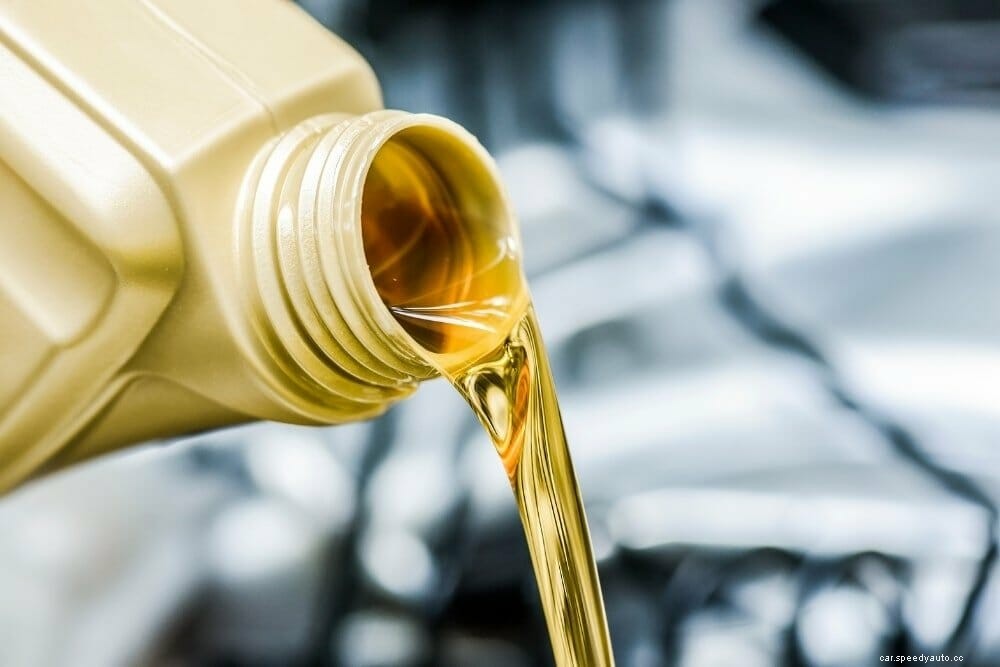
An easier and less hands-on method works by internally cleaning the areas prone to build-up in your vehicle and loosening away any sludge by taking advantage of the heated vapors from your engine oil. Here’s how:
If your piston rings are stuck, try to remove your spark/glow plugs and pour some brake fluid (100ml per piston) down to loosen the piston rings. Leave it to sit overnight if need be.
As a temporary fix, you can use a thicker oil than normal to help your rings seal the combustion chamber better than normal oil. This can maximize the life of your piston rings until you can get a replacement fitted.
Seafoam can be run through the intake of your engine or sprayed into cylinder cavities to soak your pistons and clean the intake valves too.
Piston rings are designed to last around 100,000 miles but you should seek to replace them as soon as they show signs of wear and damage.
It is often not until a fault occurs we realize that piston rings are a highly important part of the performance of our vehicles. So knowing how to clean them properly is a good way to maintain your engine health, improve performance and prevent the dreaded loss of power.
