
If your car’s radiator isn’t getting the cooling air it needs, it can overheat and seriously damage your engine. One of the main components responsible for bringing in that cooling air is the radiator cooling fan. If this fan isn’t working properly, you’ll experience a wide range of symptoms.
In this article, we’ll discuss some of the most common bad radiator cooling fan symptoms like smoke coming from the hood and engine overheating, so you can identify them and get them fixed before they cause any serious damage.
A radiator cooling fan pulls air through the radiator, helping to cool the engine. It’s an important component, especially in hot weather or when you’re driving at high speeds.
If your car’s radiator cooling fan isn’t working properly, it can cause the engine to overheat. This can lead to serious damage and expensive repairs.
A cooling fan for a car radiator is comprised of three separate components that work in unison to provide effective cooling. The electric motor that it runs on is hooked up to the car’s charging system and turns the blades whenever there’s power provided. These blades are attached directly to the engine or radiator, which means they spin when said components need cooling.
However, most modern engine blocks feature “passive” radiators, which is essentially aluminum block with no moving parts whatsoever; instead, these passive radiators rely upon airflow across their surface area to cool them down (the same principle is used in dehumidifiers).
If you’ve ever taken your gloves off after working with a car engine, you’ll notice that the block is often warm to the touch. This heat is removed by passing airflow over the surface of the radiator and, depending on how effective it is, can be very hot indeed.
For this reason, cooling fans need to start working as soon as the engine starts up so as not to overheat these passive radiators, causing damage.
If they fail to do their job properly your engine will quickly overheat which could potentially mean blown head gaskets or worse if action isn’t taken quickly enough.
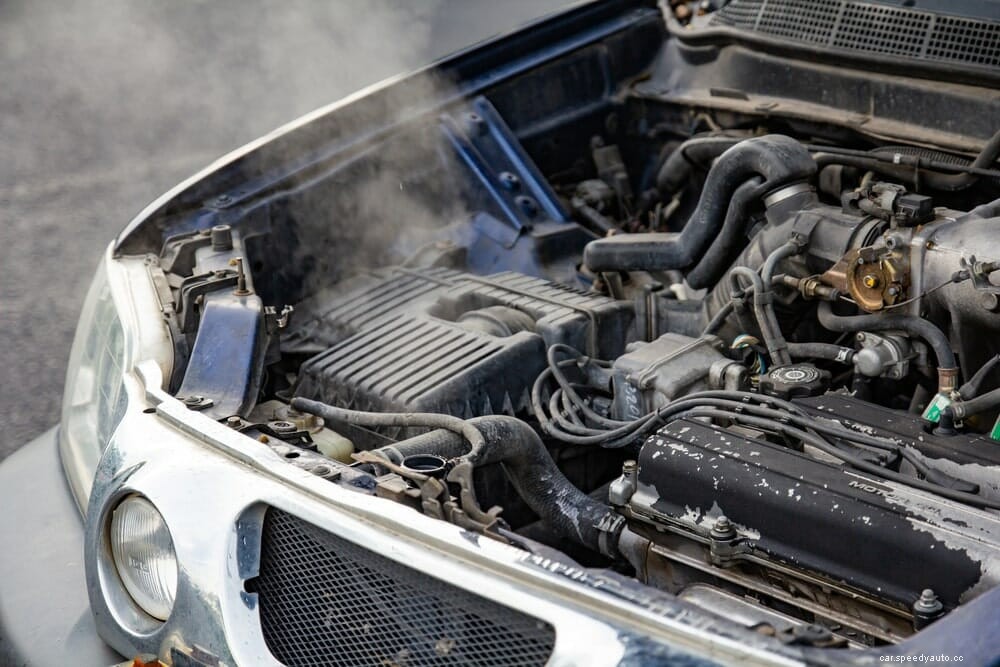
To test whether your cooling fan system is working effectively all you need to do is start your engine and turn on your air-conditioning. If your car has a cooling fan, you should see it spinning and creating airflow over the radiator and engine block.
You can also test this by putting your hand on the front of the engine whilst it’s running; if there is significant heat coming from here, but only small amounts from other areas such as the exhaust manifold, then this suggests that your cooling fans aren’t working as effectively as they could be.
Here are some of the most common symptoms that you’ll notice when your radiator cooling fan isn’t working properly.
Engine Overheating: If your car’s engine overheats, it can cause serious damage to your vehicle and cost a lot of money to repair. One of the main causes is a bad radiator cooling fan.
When this component fails, it won’t be able to pull enough air through the radiator, which means that coolant won’t get cooled off as it moves through the system.
This will lead to an increase in engine temperature and eventual overheating if left unchecked for too long. So if you’re noticing your car running hot more than usual or experiencing any other signs of engine overheating, it’s likely that your radiator cooling fan isn’t working properly and needs to be fixed.
Decreased Fuel Efficiency: If your car is running hot, it’s using more fuel than usual to stay cool. This will lead to decreased fuel efficiency and higher gasoline costs over time.
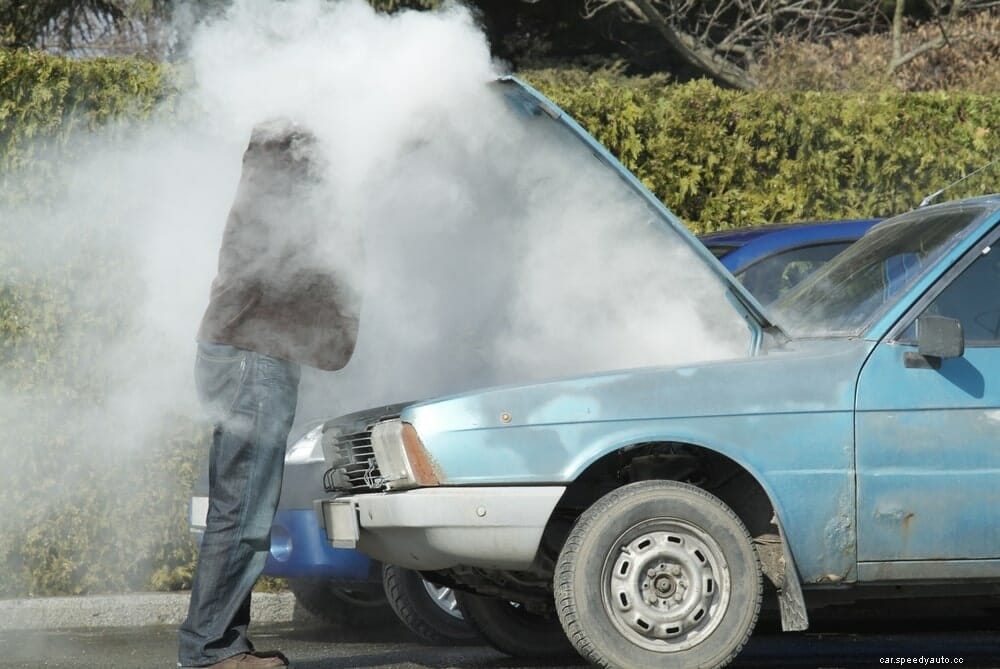
Smoke Coming From The Hood: A bad radiator cooling fan can also cause smoke to come from the hood of your car. This smoke is usually an indicator that the engine is too hot and is being damaged as a result.
If you’re experiencing any of these symptoms, it’s important to take your car in for repair right away. Otherwise, you could end up with a seriously damaged engine on your hands. So don’t wait — if you notice signs of a bad radiator cooling fan, make an appointment with your mechanic as soon as possible.
If you’re experiencing any of the symptoms above, it’s important to take your car in for repair right away. Your mechanic will check the radiator cooling fan and other components to diagnose the problem and fix it before serious engine damage occurs.
You can also try diagnosing this problem yourself by testing various sensors or fuses related to this component (if applicable).
For example, many vehicles have temperature sensors that control when their fans turn on/off based on how hot they are running at any given time — so if these aren’t working properly then neither will their corresponding fans.
So if you’re experiencing any of the bad radiator cooling fan symptoms listed above, don’t hesitate to take your car in for a diagnosis. It’s always better to be safe than sorry when it comes to your vehicle!
Sometimes the best way to save money is by doing it yourself. When you’re faced with a problem like this one, you might want to consider fixing your radiator cooling fan instead of replacing it entirely.
This can be done without too much trouble and will cost less than buying new parts from an auto shop or dealership in most cases. It may also take some time before they arrive at your house if ordered online (especially during busy seasons), so plan accordingly!
If you don’t have any mechanical knowledge then we recommend hiring professional help for this job — otherwise, use the following step-by-step guide as reference materials when starting out on this project:
The first thing that needs to happen is to remove the fan shroud from your radiator. Usually, there are two or three bolts holding it on and they should be easy enough to spot as they’re usually located near where one end of this part connects with another component (like an engine oil cooler).
Once these have been removed then use a wrench or socket set to make sure everything has been disconnected properly before taking out what’s leftover inside:
First, take off any plastic covers that might cover up other hard parts like screws/nuts if they exist because we want access to everything below them without having to worry about tearing something else apart from in order to get at those pieces next time around!
Then loosen all hose clamps near where these components connect so nothing gets damaged during the removal process.
After that’s done, remove any wiring harnesses from the fan itself before carefully lifting it up off its mount.
Be careful not to hit or break anything while doing this part because there could be sharp edges lurking underneath each one which would make things much more difficult later when trying again with a replacement piece (not to mention expensive repairs needed afterward!)
Also, note where all these connectors go so they’re properly reinstalled upon reassembly.
One of the most common problems with car cooling systems is that they simply stop working altogether! This can usually be attributed to one of two things:
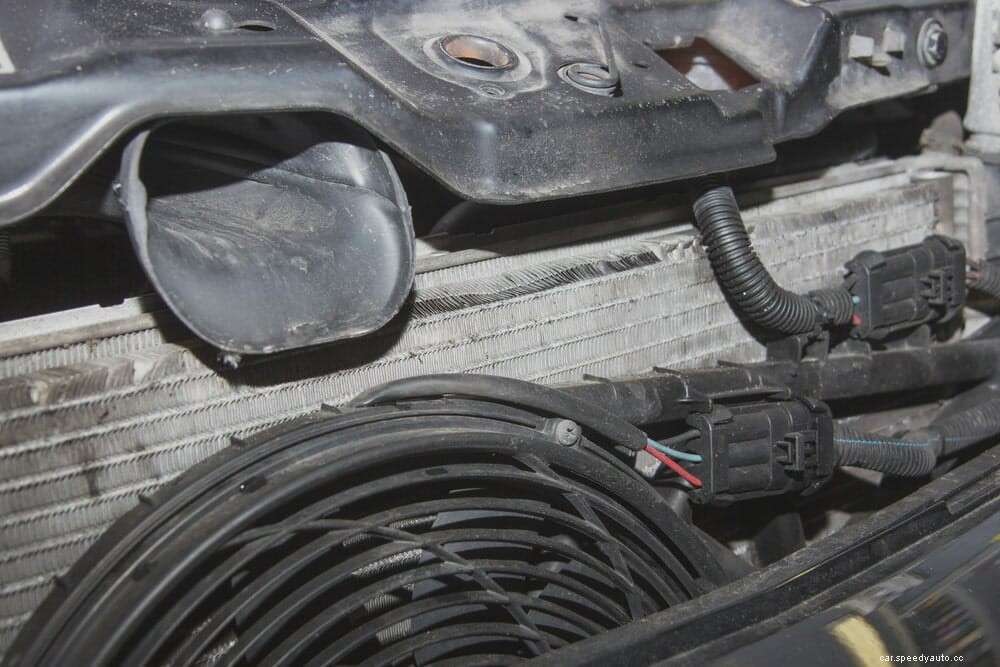
A cooling fan motor that doesn’t work will cause your engine to overheat, which is not fun for it or you. It’s also dangerous as the car could catch fire! This means that if your cooling fans aren’t working, ensure they are getting power through the electrical system.
If this checks out okay, then there might be a mechanical issue with either the connection between the motor and blades or with the way it’s attached to the radiator/engine block itself.
You can test whether these parts are fine using a multi-meter by testing the resistance of each part to ensure there are no breaks in their circuits. If everything tests out okay here but your fans still don’t switch on then you’ll need to replace the fans and their motor.
As mentioned above, faulty water pumps can also cause cooling fan systems to stop working; if this is the case it could be because of a popped or broken impeller (the part that draws coolant through the engine block and distributes it throughout). Replacing this piece can get your cooling fans back operating like new.
Especially in older cars, radiator cooling fans tend to make quite a bit of noise when they’re running at top speed. This is because over time and with regular use these parts wear down and become loose inside their housing, causing them to rattle around when turned on.
This is why you’ll often hear people just simply replacing their radiator cooling fans without even checking to see if anything else is wrong with them.
If your car’s cooling fan blades need replacing, this will make a loud clicking noise as the blades rub against the housing or other cooling fan blades; here you’ll need to tighten up any bolts and replace any corroded parts with new ones.
However these problems rarely arise as most of the time they’re caused by simple wear and tear as mentioned above, but it’s always worth checking over all of your radiator components when you’re looking into why your fans aren’t working properly.
There are many different things that can cause overheating problems with cars ranging from extremely serious, expensive problems such as bad head gaskets and broken engine blocks to minor, inexpensive problems such as sticky radiator caps or even dirty fans.
If you ever find yourself with an overheating problem, be sure to bring your car to a professional.
An average radiator cooling fan costs between $200 and $400 dollars, depending on the make of your car. There are many different brands out there that offer these fans for varying price ranges so it’s important to shop around before buying one.
In addition to needing proper airflow through their housing while running at top speed (which is achieved by having enough clearance above them), radiator cooling fans also require some other things like being properly mounted/installed into place on either side of your car’s radiator.
If they’re not securely fastened then they might wobble and vibrate, which will only cause problems in the long run.
Additionally, if your car has more than one cooling fan then it’s important to make sure that both of them are running at the same time; if one is off or not working properly then this can create hotspots on the engine which can lead to further overheating problems down the line.
There are many different reasons why a radiator cooling fan might stop working, but some of the most common ones are a broken motor, clogged blades due to dirt and dust build-up, bad wiring or connectors, and faulty water pump.
The most common cause of a radiator cooling fan not working is that it’s either broken or clogged, as mentioned above.
However, in some cases, the problem may lie with your car’s wiring system which could result from any number of issues like corrosion on wires inside the engine compartment (if this happens then you’ll need professional help to fix them).
Other reasons include bad connectors at various points throughout your vehicle such as coolant hoses–these can also be replaced by hand if necessary but again it might take some time depending upon how extensive damage has occurred there too!
It depends on the type of car you drive, but generally speaking, a radiator cooling fan can last anywhere between five to ten years.
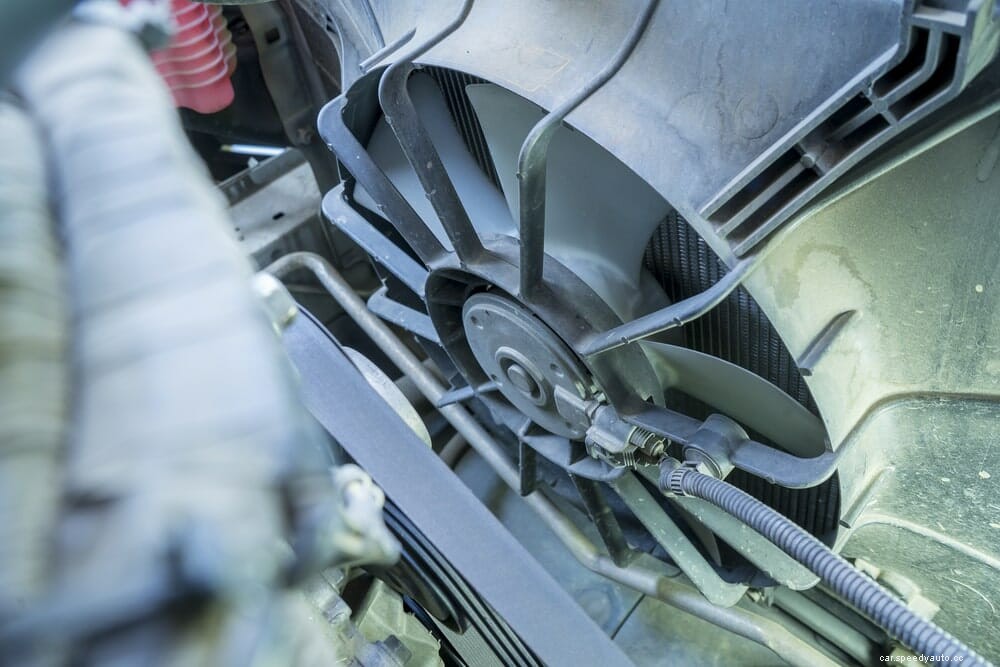
In theory, yes, but don’t try it out. If your car starts to overheat then you’ll quickly realize why it’s important to have one!
A bad radiator fan can sound like a number of different things, but some of the most common ones are a high-pitched squealing noise, a rattling or clicking noise, or even just a humming noise. If you’re hearing any of these then it’s definitely time to get your car looked at by a professional!
Conclusively, if your car keeps overheating then there might be many reasons why; first and foremost you should check that your cooling fan mechanism is working and also check whether all of the other key cooling systems are up to scratch (i.e. radiator cap).
Once you’ve covered these basics you can start checking more specific such as water pump issues, dirty cooling fans, and the like.
If you’re still having issues then the best thing to do is take your car to a mechanic as they’ll be able to diagnose and fix any problems that might arise with it. Hopefully, this article has been of use to those looking for information on radiator cooling fans!
