
Do you ever notice a weird noise when turning the steering wheel while your car is stationary? If so, don’t worry. You’re not alone. Many drivers experience this strange phenomenon, and often wonder what’s causing it.
There are multiple reasons why your steering can make sounds while you’re stationary, but the most common ones are bad steering bearings or lack of fluid.
Make sure to check you don’t have any leaks when you park the car as it could mean you’re losing fluid. Also check your suspension and tires, because worn-out tires can make quite a sound.
In this article, we will explore some of the possible causes of this noise, and provide some tips on how to fix it. Keep reading to learn more!
Before we can explore the causes of noise when turning the steering wheel, it’s important to understand how steering works. The steering wheel is connected to the front wheels of your car via a series of gears and linkages.
When you turn the wheel, it spins these gears, which in turn rotate the front wheels.
This system allows drivers to steer their cars in any direction they want, by rotating the wheel left or right. It also helps power the car forward or backward, depending on which way the front wheels are pointing.
There are several possible causes of noise when turning the steering wheel while stationary. Let’s take a look at some of them:

One of the most common causes of steering wheel noise is bad bearings. If the bearings in your steering wheel are worn out, they will produce a loud grinding noise when you turn the wheel.
Another possible cause of steering wheel noise is damage or misalignment of the gears connecting the steering wheel to the front wheels. If these gears are damaged or out of alignment, they may grind or squeak when you turn the wheel.
Another common source of noise when turning the steering wheel is worn-out tires. If your tires are old and bald, they will produce a loud squealing noise when you turn the wheel.
If your car’s steering fluid is low or dirty, it may cause a loud whining noise when you turn the wheel.
If you have a fluid leak in your car’s steering system, it will often cause a loud hissing noise when you turn the wheel.
A bad steering rack can also cause noise when turning the wheel. If your car’s steering rack is defective, it will produce a loud clunking noise when you turn the wheel.
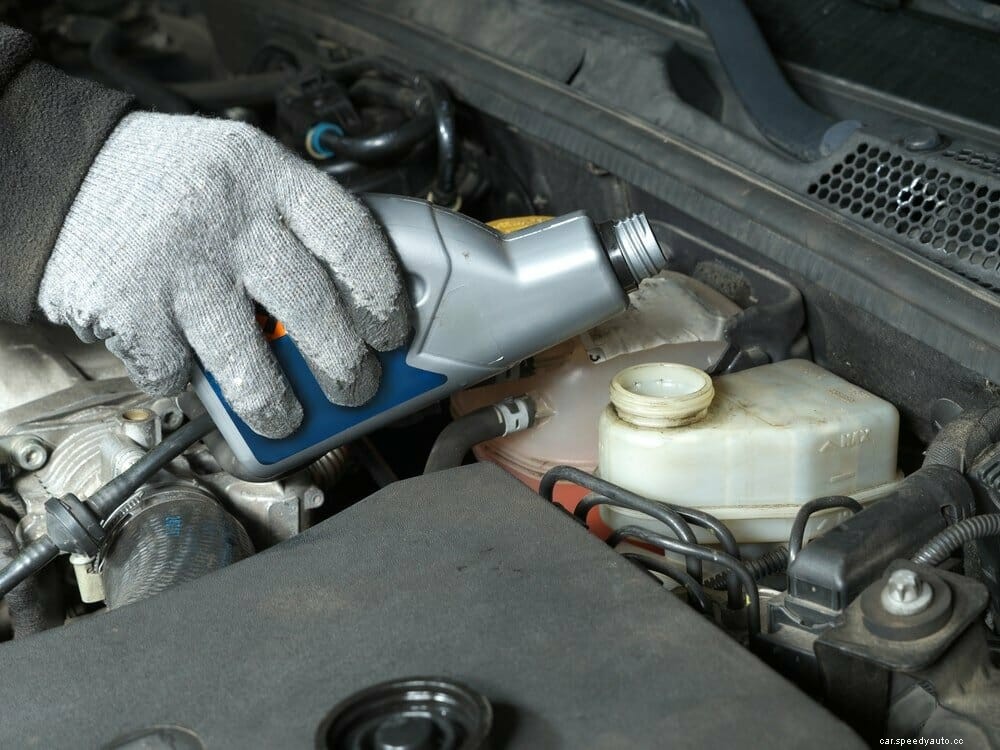
A low level of steering fluid can also cause noise when turning the wheel. If your car’s steering fluid is too low, it may cause a loud whining noise when you turn the wheel.
If there are bubbles in your steering fluid, it will often cause a loud popping noise when you turn the wheel.
If your car’s steering belt is bad, it will often cause a loud squealing noise when you turn the wheel.
A bad steering wheel can also cause noise when turning the wheel. If your car’s steering wheel is defective, it may produce a loud clunking sound when you turn the wheel.
Another common source of noise when turning the steering wheel while stationary is dirty or clogged power-steering pumps.
The pump contains high-pressure fluid that helps to control movement in your vehicle’s wheels as they spin around corners and over bumps on rough roads; this means it gets exposed to dirt, grime & grease from other parts of the car engine.
When you experience steering wheel noise while stationary, there are a few things that could be causing it. The most common source is a worn-out tire or bad bearings in your vehicle’s wheels.
However, this can also happen due to other reasons such as faulty gears connecting the steering column with front axles & problems within fluid reservoirs used by power-steering systems.
To properly diagnose these kinds of issues, check all tires for signs of wear and tear including bulges/bald spots on treads which may indicate uneven pressure distribution within them, resulting from lackluster maintenance habits or low-quality materials being used during the manufacturing process (an important feature when driving at high speeds).
If these do not seem like they’re going anywhere anytime soon, next you should inspect the car’s axles for any visible damages that could have been done while driving as this is usually the first place problems with bearings manifest.
If all of these check out, it might be time to start looking at power-steering components like hoses, belts, and pumps – especially if your car has just reached a certain age (manufacturers generally recommend replacing these every 50k miles).
You can either do this by yourself or take it to a professional mechanic who will be able to tell you exactly what the problem is and how much it’ll cost to get it sorted.
In some cases, noises when turning the steering wheel while stationary may also indicate an imminent failure in one of the aforementioned parts so don’t wait until it’s too late!
If you are experiencing noise when turning the steering wheel while stationary, there are several things you can do to fix it:
If your bearings are bad, you will need to replace them. This can be a difficult job, so it’s best to take your car to a mechanic if you’re not comfortable doing it yourself.
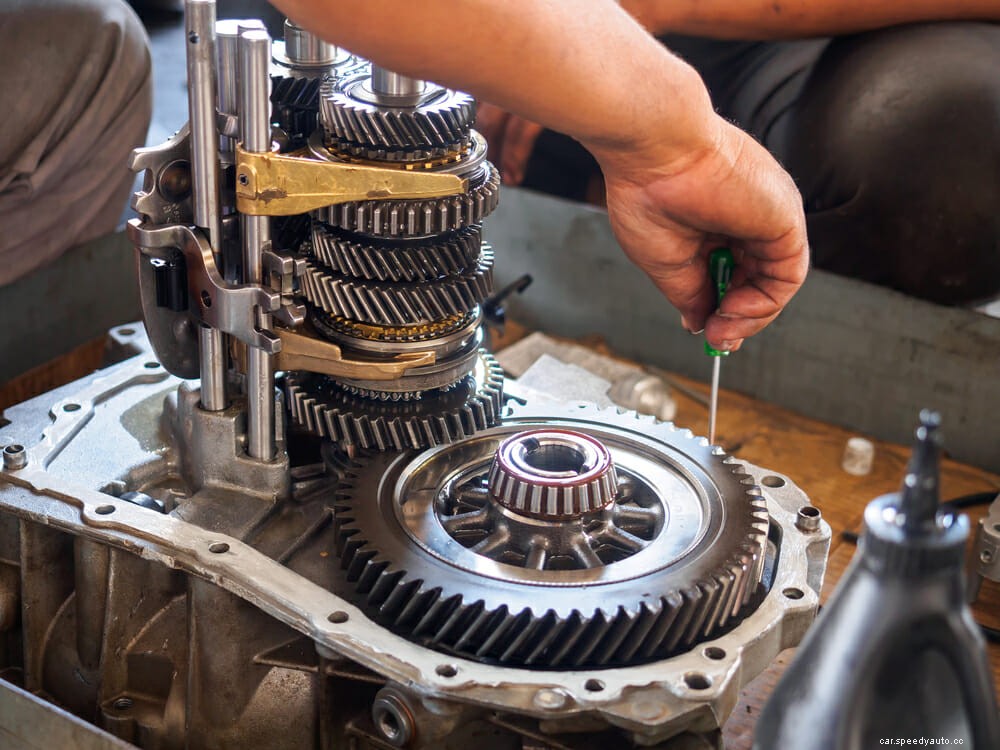
If the gears connecting the steering wheel to the front wheels are damaged or misaligned, you may be able to fix them yourself. However, this can be a difficult job, so it’s best to take your car to a mechanic if you’re not comfortable doing it yourself.
If your tires are worn out, you will need to replace them. This is a relatively easy task and can be done at home or at a tire shop.
If your car’s steering rack is defective, you will need to replace it. This can be a difficult job, so it’s best to take your car to a mechanic if you’re not comfortable doing it yourself.
If your car’s steering belt is bad, you will need to replace it with a new one. This is a relatively easy task and can be done at home or by taking the vehicle into any auto repair shop.
To fix this issue, simply remove all dirt and debris from inside of the power-steering fluid reservoir using compressed air & small brushes then clean out any accumulated grime on exterior surfaces by wiping dry with a clean cloth or paper towels
If you would like to refill your steering fluid on your own, here is how you can do it:
Open the hood of your car and locate the power-steering fluid reservoir. It will be a translucent container located near the front of the engine. If it is not translucent, you may need to remove the cap in order to see inside.
Using a funnel, pour new power-steering fluid into the reservoir until it is full. Be sure not to overfill, as this can cause damage to your car’s engine.
Replace the cap on the reservoir and close the hood of your car. Startup your vehicle and allow it to idle for a few minutes so that the new fluid can circulate throughout the system.
If you are still experiencing noise when turning the steering wheel while stationary after trying these tips, it is best to take your car to a mechanic for further inspection. They will be able to determine the source of the noise and fix it accordingly.
You should only use the fluid recommended by your vehicle’s manufacturer. But don’t worry, using universal fluid won’t damage your vehicle if it meets your manufacturer’s specifications.
There are several things that could be causing the noise, so it is best to take your car to a mechanic for further inspection. Some of the more common problems include bad steering wheel bearings, damaged or misaligned gears, worn-out tires, and a bad steering rack.
If the noise is coming from your suspension, it is likely that one or more of your car’s shocks or struts are worn out and need to be replaced. You can buy replacement shocks or struts at any automotive parts store.
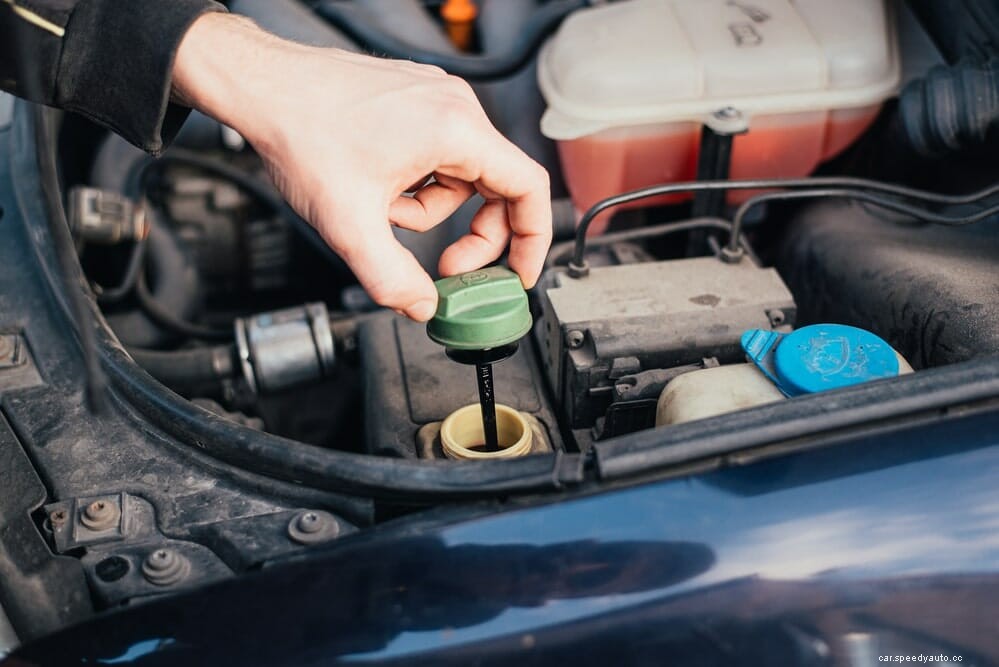
There is no set frequency for changing power-steering fluid, as it will depend on how often you use your car and the type of fluid that is used. However, most mechanics recommend changing the fluid every two to three years.
If you are experiencing noise when turning the steering wheel while stationary, there are several things you can do to fix it. In some cases, however, the problem may be more serious and require the attention of a professional mechanic. Don’t wait until it’s too late – get your car checked out today!
There is no set frequency for replacing suspension components, as it will depend on how often you drive and the type of driving you to do. However, most mechanics recommend replacing shocks or struts every 50,000 miles.
You should also replace other suspension components such as ball joints, tie rods, and control arms every 100,000 miles.
The frequency for changing your tires will depend on how often you drive, the type of driving you do, and the condition of your tires. Most mechanics recommend replacing your tires every four years.
The frequency for replacing your steering belt will depend on how often you drive, the type of driving you do, and the condition of your steering belt. Most mechanics recommend replacing your steering belt every 50,000 miles or five years (whichever comes first).
The frequency for replacing your steering rack will depend on how often you drive and the type of driving that you do. Most mechanics recommend replacing a bad power-steering rack every 100,000 miles or ten years (whichever comes first).
Replacing a steering belt is a relatively easy task and can be done by most people with basic mechanical skills. All you need is a wrench, screwdriver, and replacement belt.
For most cars, this is the general order that needs to be followed in order to get everything back in place correctly after removing each belt until you’re all done:
Replacing a steering rack is not a job that most people can do on their own. It requires specialized tools and knowledge, so it is best to take your car to a mechanic if you are experiencing problems with your steering rack.
If you are still experiencing noise when turning the steering wheel while stationary after trying these tips, it is best to take your car to a mechanic for further inspection. They will be able to determine the source of the noise and fix it accordingly.
Replacing suspension components is not a job that most people can do on their own. It requires specialized tools and knowledge, so it is best to take your car to a mechanic if you are experiencing problems with your suspension.
If you are experiencing noise when turning the steering wheel while stationary, there are several things you can do to fix it. However, in some cases, the problem may be more serious and require the attention of a professional mechanic.
Don’t wait until it’s too late – get your car checked out today!
