
Do you hear a knocking sound when accelerating your car? If so, don’t worry – you’re not alone!
Engine knocking is normally caused by low octane gasoline or defective spark plugs.
Additionally, in rarer cases, it can be caused by dirty injectors or engine wear. In most cases, it can be easily repaired by you or a mechanic, or you can use aftermarket products to solve the problem.
This is a common problem that many drivers experience. In this article, we will discuss the causes of this knocking sound and how to fix it.
The combustion process begins when the spark plug fires, creating a spark that ignites the air-fuel mixture in the cylinders. The flame then spreads rapidly from the spark plug to the rest of the mixture.
The heat from the burning fuel and air causes the pistons to move up and down, which in turn drives the crankshaft. The crankshaft converts the reciprocating motion of the pistons into rotational motion, which powers all of the car’s systems.
The burning air-fuel mixture also creates a lot of pressure inside the cylinders. This pressure pushes the piston downward, which turns the crankshaft and makes the car move forwards or backward.
The heat from the burning air-fuel mixture causes the pistons to move up and down, which in turn drives the crankshaft. The crankshaft converts the reciprocating motion of the pistons into rotational motion, which powers all of the car’s systems.
When the air-fuel mixture detonates too early, it can cause a knocking sound. This is because the pressure waves from the premature combustion collide with each other and create noise.
Engine knocking can also be caused by deposits on the piston or valves. When these deposits ignite, they can cause knocking as well.
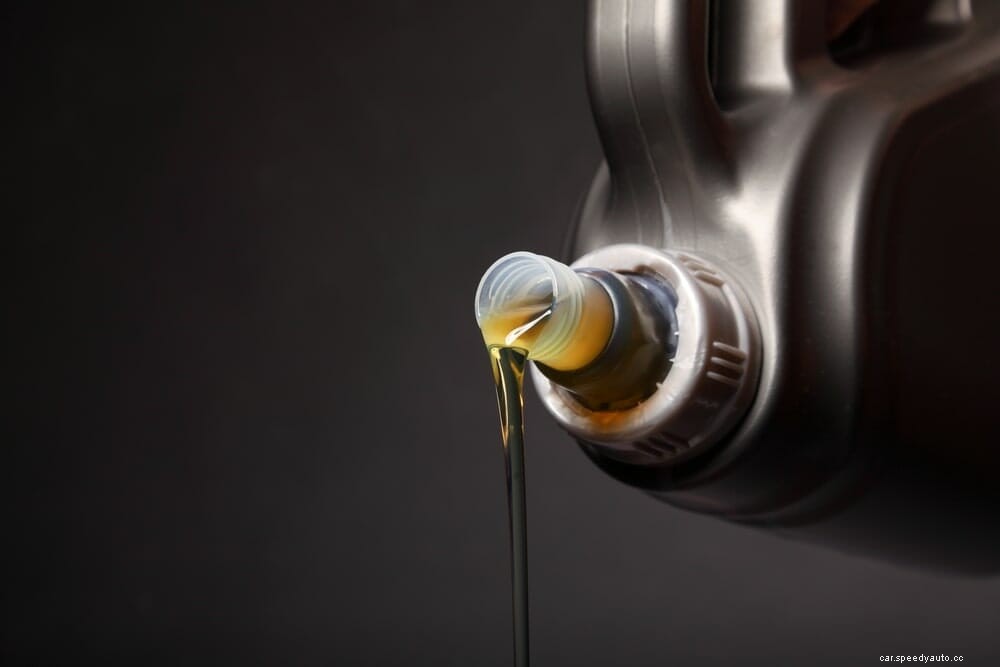
There are a few different things that can cause engine knocking, and an oil change is not likely to solve the problem. In fact, if you have engine knocking, it’s best to take your car to a mechanic so they can diagnose the issue and recommend a solution.
However, if you’re just looking to change your oil anyway, there are a few things you should keep in mind. First of all, make sure you use the right type of oil for your car.
You can find this information in your owner’s manual. Also, be sure to follow the recommended intervals for changing your oil. Over time, old oil can start to wear down your engine components and lead to knocking.
So, while an oil change may not solve your engine knocking problem, it’s still a good idea to keep your car well-oiled and running smoothly. For more information on engine knocking and how to fix it, please contact a mechanic in your area. Thanks for reading!
If the air-fuel mixture is not burning evenly, it can cause the engine to knock. This knocking sound is caused by the uneven combustion of the fuel and air mixture.
The most common causes of engine knocking are:
Low octane gasoline is not bad for your car, but it can cause the engine to knock. If you have a car that requires premium gasoline, using low octane fuel will result in decreased performance and may damage the engine.
There are also some aftermarket products available that can help reduce engine knocking. One such product is called Gasoline Octane Booster.
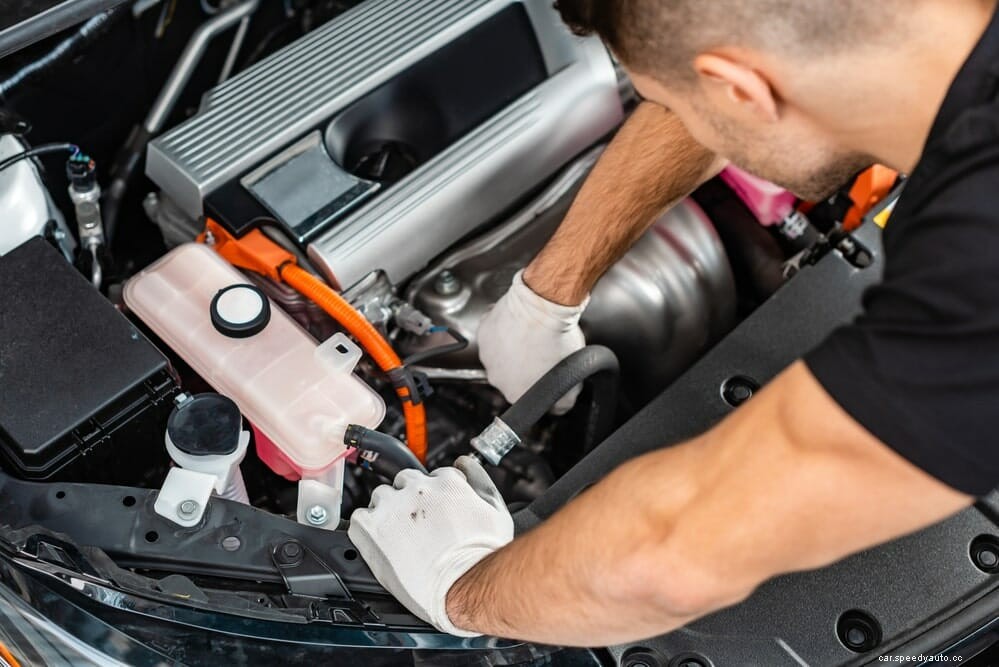
If you have a car with dirty or clogged injectors, you may experience the following symptoms:
In order to avoid these problems, it’s important to have your injectors cleaned on a regular basis. Dirty or clogged injectors can cause serious damage to your engine, so it’s always better to be safe than sorry.
If you’re not sure whether your injectors need cleaning, bring your car in for a tune-up and ask your mechanic to take a look.
The best way to clean dirty injectors is to use an ultrasonic cleaner. This type of cleaner uses high-frequency sound waves to clean the injectors. You can also clean the injectors by spraying them with carburetor cleaner or brake cleaner. Be sure to read the safety instructions before using any of these products.
A defective spark plug can cause a number of problems in your car. Some common symptoms are:
If you are experiencing any of these symptoms, it is important to have your car’s spark plugs checked.
If you are looking for a replacement spark plug, be sure to choose one that is designed for your car’s make and model. There are many different types of spark plugs available, so it is important to select the right one. Talk to your mechanic if you are not sure which plug is best for your vehicle.
Replacing your car’s spark plugs can be a difficult task. If you are not comfortable doing it yourself, you may want to take it to a mechanic. They will be able to replace the plugs quickly and easily, and it will save you the hassle of trying to do it yourself.
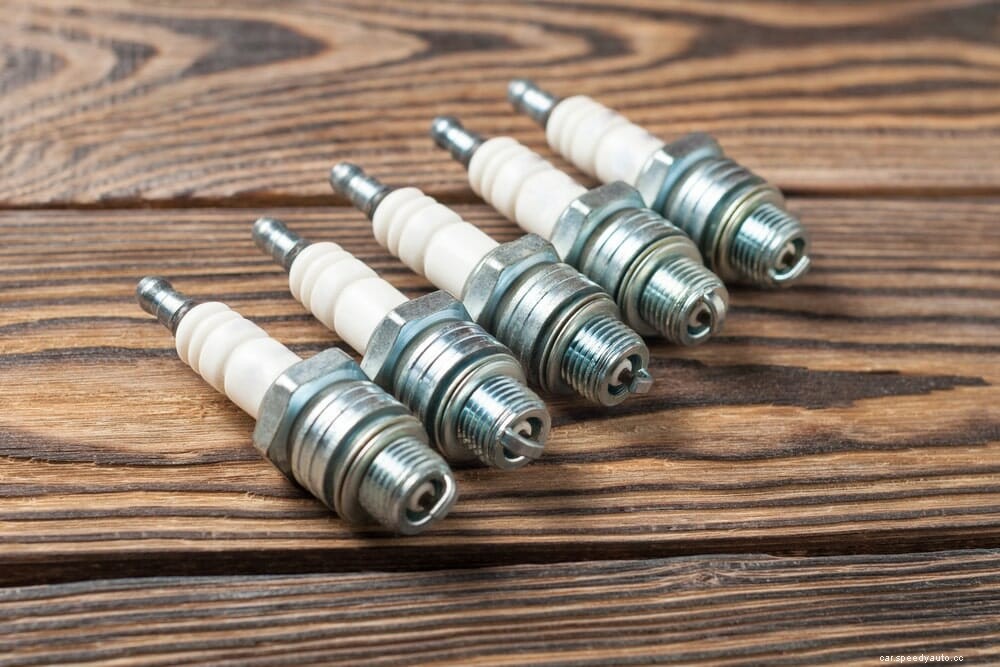
The easiest way to test for defective spark plugs is to use a spark plug tester. This type of tester attaches to the spark plug wires and measures the voltage that is produced when the plugs fire. You can also test for bad spark plugs by removing them and checking for signs of wear or damage.
If you have a car with worn-out engine parts, you may experience the following symptoms:
Symptoms of worn-out engine parts can include a knocking noise, difficulty starting the engine, or a decrease in fuel economy. If you are experiencing any of these symptoms, it is important to have your car inspected by a mechanic as soon as possible.
Worn-out engine parts can significantly reduce the lifespan of your car, and can also be dangerous. Ignoring the symptoms of worn-out engine parts can lead to more serious problems down the road.
The best way to test for worn-out engine parts is to use a compression tester. This type of tester attaches to the spark plug wires and measures the compression that is produced when the plugs fire. You can also test for bad spark plugs by removing them and checking for signs of wear or damage.
If you’re hearing a knocking sound when accelerating your car, there are a few things you can do to fix it.
Following these tips should help reduce or eliminate the knocking sound when accelerating your car. If the problem persists, you may need to take your car to a mechanic for further diagnosis and repair.
There are a number of additives on the market that claim to reduce engine knocking. However, there is no scientific evidence to support these claims. The best way to reduce engine knocking is to use higher octane gasoline and keep your spark plugs and injectors clean.
It is generally safe to drive with a knocking engine, but it is recommended that you take your car to a mechanic for further diagnosis and repair.
No. If you have a car that requires premium gasoline, using low octane fuel will result in decreased performance and may damage the engine.
An ultrasonic cleaner is a type of cleaner that uses high-frequency sound waves to clean the injectors.
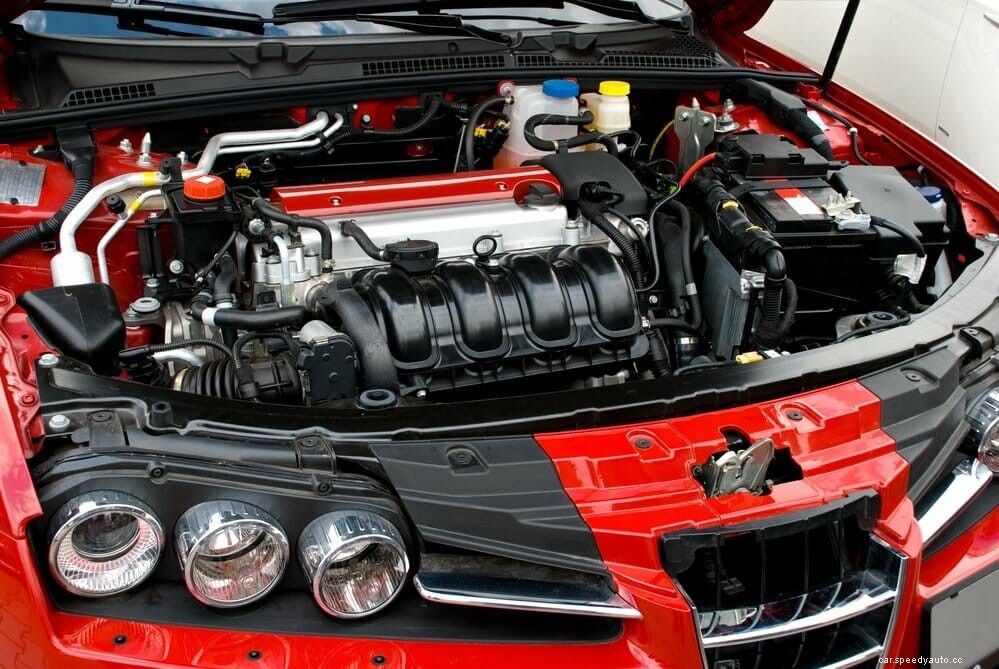
The best way to clean dirty injectors is to use an ultrasonic cleaner. This type of cleaner uses high-frequency sound waves to clean the injectors.
It is not recommended to use brake cleaner to clean the injectors. This type of cleaner can damage the seals and gaskets on the injectors.
RON is the measure of a fuel’s ability to resist “knocking” or “pinging” during combustion, while octane is simply a measure of how much compression the fuel can withstand before detonating.
The answer to this question is a resounding “yes.” If your car is knocking, and you haven’t changed your oil in a while, that’s most likely the culprit. Old oil can cause all sorts of engine problems, including knocking.
When oil gets too old, it starts to break down. This can lead to all sorts of issues, including engine knocking. The good news is that this problem is easy to fix. All you need to do is change your oil and your car will be running like new again.
If you’re not sure how often you should change your oil, consult your car’s owner’s manual. Most manuals recommend changing your oil every 3,000 or 5,000 miles. However, if you drive in a particularly dusty or dirty environment, you may need to change your oil more often.
If your car is knocking and you haven’t changed your oil recently, don’t panic. Just change your oil as soon as possible and your car will be running like new again.
The answer to this question is a bit complicated. In general, you can use a higher octane fuel in your car, but it’s not always necessary. You should consult your owner’s manual to find out what octane level your car requires.
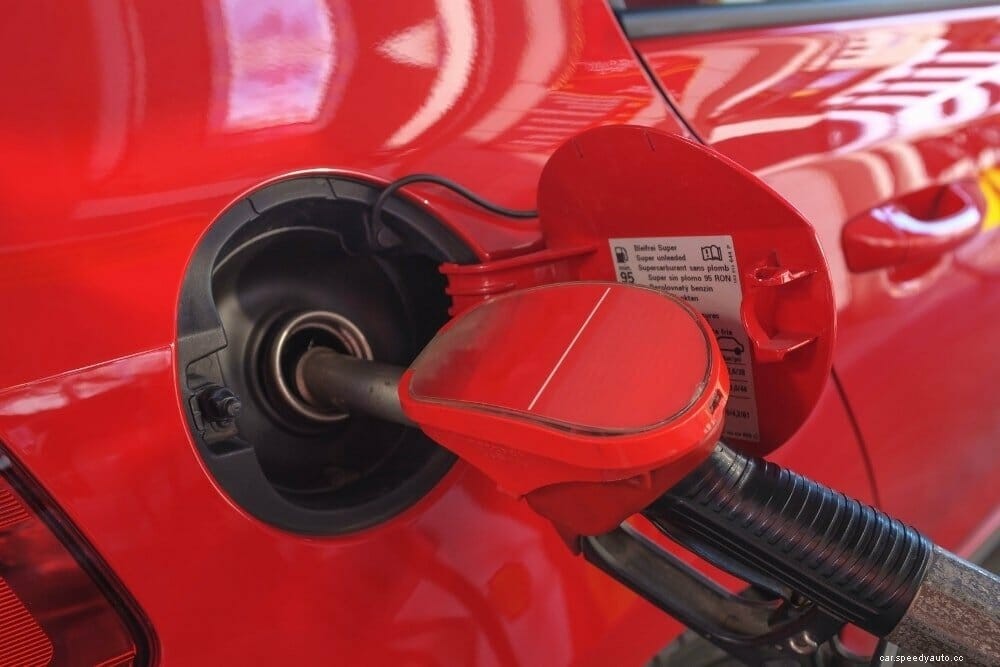
If you’re using a higher octane fuel than what your car needs, you may not see any benefits. Additionally, using a higher octane fuel can actually be harmful to your engine if you’re not using the right type of oil. So, before making any changes, make sure you understand what’s involved.
Generally speaking, using a higher octane fuel than what your car needs will not cause any problems. However, it’s important to note that not all carbs are created equal.
Some engines are designed to run on a higher octane fuel, while others are not. If you’re not sure whether or not your car can benefit from a higher octane fuel, consult your owner’s manual or talk to a mechanic.
The cost to fix a knocking engine can vary depending on the severity of the problem. However, in most cases, it’s not a very expensive repair. It normally costs around $200.
If you’re experiencing engine knocking, take your car to a mechanic for further diagnosis and repair. In most cases, this type of problem can be fixed without spending a lot of money. So don’t worry – you won’t have to break the bank to get your car running like new again.
In conclusion, if your car is making a knocking noise when accelerating, there are several things you can do to help reduce the chances of damaging your engine. If the problem persists, however, you may need to take your car to a mechanic for further diagnosis and repair.
If you’re hearing a knocking noise when accelerating your car, there are a few possible causes. The most common cause is low octane gasoline, but other potential causes include dirty or clogged injectors, defective spark plugs, and worn-out engine parts.
There are also some aftermarket products available that can help reduce engine knocking. If the problem persists, you may need to take your car to a mechanic for further diagnosis and repair.
