
There may come a time when you need to manually engage the AC compressor clutch in your car. This could be because the AC compressor is not turning on, or it’s not staying on.
The best way to manually engage an AC compressor clutch is by connecting a jumper wire directly to the wire on the compressor. Be sure to fill the compressor with oil before doing this and check if you have enough refrigerant.
In this article, we will walk you through the steps of how to do this. It’s important to note that this procedure should only be done as a last resort after all other troubleshooting measures have failed. Let’s get started!
An air-conditioning unit in a car is made up of five main components: the compressor, condenser, expansion valve, evaporator, and receiver drier. The compressor is located in the engine compartment and is belt-driven by the engine.
The other four components are located in the passenger compartment.
The refrigerant enters the compressor as a low-pressure gas and is compressed to high pressure. The high-pressure gas then flows into the condenser, which is located next to the radiator. The heat from the radiator causes the refrigerant to change from a gas to a liquid.
The liquid refrigerant then flows into the expansion valve, where it expands back to a gas. This change in the state allows the liquid to absorb a lot of heat from the air in the passenger compartment. The gas refrigerant then flows into the evaporator, which is located in the dash.
The gas absorbs more heat from the air and changes back to a liquid. The liquid refrigerant then flows into the receiver drier and back to the compressor, where the cycle starts over again.
There are a few reasons why your car air conditioning unit might not be working. The most common reason is that the AC compressor is not turning on. This could be due to a lack of refrigerant, a problem with the compressor clutch, or a faulty electrical system.

Another common problem is that the AC fan is not working. This could be due to a blown fuse, a faulty fan motor, or a clogged air filter. Finally, the AC condenser might be clogged with debris or blocked by ice.
If your car’s AC unit is not working, take it to a mechanic to have it inspected. There might be a simple fix, or it might require more extensive repairs. In any case, it’s important to get the problem fixed as soon as possible, especially during the summer months.
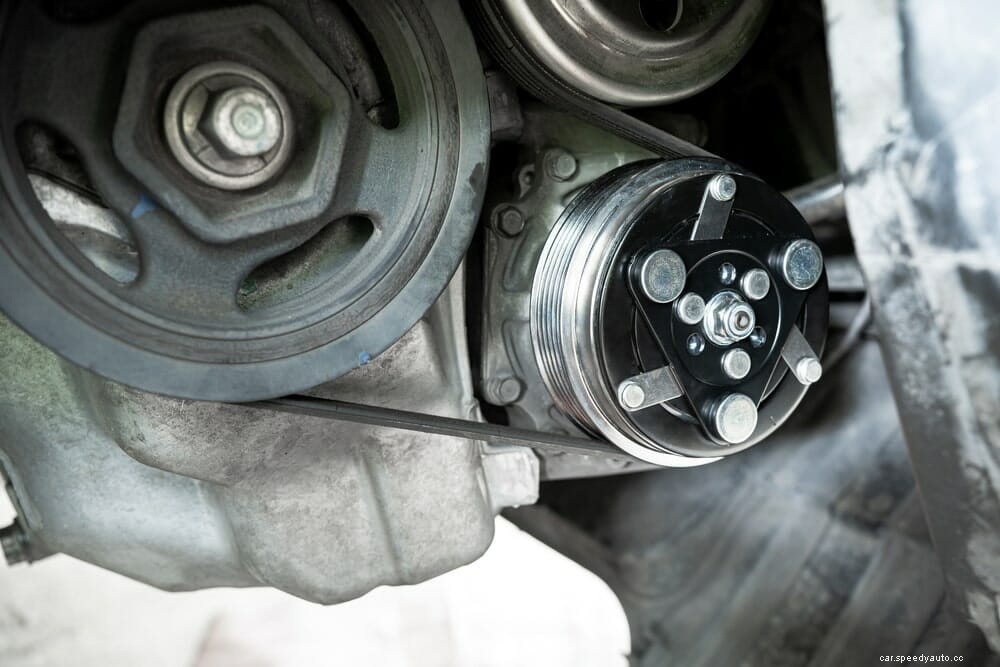
The AC compressor clutch is a device that allows the compressor to engage and disengage from the engine. When the clutch is engaged, the compressor will turn on and start compressing the refrigerant. When the clutch is disengaged, the compressor will not turn on.
In most cases, the AC compressor clutch is controlled by an electromagnetic coil. When current flows through the coil, it creates a magnetic field that pulls the clutch plate towards the pulley. This engages the compressor.
When there is no current flowing through the coil, the magnetic field disappears and the spring pulls the clutch plate away from the pulley. This disengages the compressor.
Yes, an AC compressor clutch can get stuck. This is usually caused by a lack of lubrication or a problem with the electromagnetic coil. When the clutch is stuck, it will not disengage from the pulley, which will cause the compressor to stay on all the time.
A manual AC compressor clutch is a type of clutch that can be engaged and disengaged without the use of electricity. This means that the clutch can be engaged even if there is no power flowing to the coil.
There are two types of manual AC compressor clutches: engage and release. Engage clutches to have a lever or knob that can be used to engage the clutch without power. Release clutches have a lever or knob that can be used to disengage the clutch without power.
If your AC compressor clutch is not engaging, the first thing you should check is the coil. To do this, you will need a multimeter. Set the multimeter to measure resistance and touch the leads to the terminals on the coil. If there is no continuity, then the coil is most likely defective.
Another way to test the coil is to use an ohmmeter. This will tell you if there is continuity between the two terminals on the coil. If there is no continuity, then the coil is most likely defective.
The best way to test a relay is with a voltmeter or test light. First, find the relay in question and identify which terminal is connected to the power. Then, turn on the ignition and touch the voltmeter or test light to this terminal.
If there is voltage, then the relay is working. If not, then the relay is most likely defective.
The best way to test a switch is with a multimeter. Set the multimeter to measure continuity and touch the leads to the terminals on the switch. If there is continuity, then the switch is working. If not, then the switch is most likely defective.
There are a few reasons why you might need to manually engage an AC compressor clutch. The most common reason is that the electrical system is not working. This could be due to a blown fuse, a faulty relay, or a problem with the wiring.
Another reason you might need to manually engage the AC compressor clutch is if the compressor itself is not working. This could be due to a problem with the bearings, seals, or piston rings.
Finally, you might need to manually engage the AC compressor clutch if the air conditioning unit is low on refrigerant.
If your car’s AC unit is not working and you can’t find a problem with the electrical system, you might need to manually engage the AC compressor clutch. This procedure should only be done as a last resort after all other troubleshooting measures have failed.
First, locate the AC compressor clutch. It will be located in the engine compartment near the compressor. There may be a cover or shroud over it that needs to be removed.
After you have located the AC compressor, you have to disconnect the clutch oil cable. This will prevent the compressor from getting damaged when you try to engage the clutch.
After you have disconnected the clutch oil cable, make sure you have sufficient refrigerant. This may also be a great chance to fill it up if the car’s AC unit is low on it.
Also, make sure that your compressor has enough oil and check for any potential leaks. Next, you need to find a way to apply power to the coil. This can be done by using a jumper wire or connecting the coil directly to the battery.
Once you have power flowing to the coil, the clutch should engage and the compressor should start running. If not, there might be a problem with the coil or other parts of the AC system.
It’s important to note that engaging the AC compressor without refrigerant can damage the compressor. Remember to make sure that your car has enough refrigerant before engaging the compressor manually!
Once the clutch is engaged, reattach the belt and replace any covers or shrouds that were removed. Reconnect the negative battery cable and start up the car. The AC compressor should now be working properly.
If you have any problems with this procedure, take your car to a mechanic for further assistance.
The best way to check the level of refrigerant is by using a pressure gauge. You can find these at most auto parts stores or by clicking the link below.
A pressure gauge is a device that attaches to the AC system and measures the pressure of the refrigerant inside. There are two types of gauges: low-pressure and high-pressure. A low-pressure gauge is used to measure the pressure in a sealed system, while a high-pressure gauge is used to measure the pressure in an open system.
To use a pressure gauge, you need to know which type of gauge you have. If you’re not sure, consult your car’s owner’s manual or take it to a mechanic. Then locate the Schrader valve on your AC unit. This is where you will attach the gauge.
Once you have attached the gauge, start up the engine and turn on the AC. The compressor should be running. You can then take a reading from the gauge. If the pressure is low, you will need to add refrigerant. For more information, consult your car’s owner’s manual or take it to a mechanic.
The Schrader valve is located on most AC units near the compressor. It may be covered by a shroud or hose and might require removal for access. Consult your car’s owner’s manual or take it to a mechanic if you’re not sure where it is.
Yes, you can add refrigerant to your car if it is low. However, adding refrigerant without first engaging the AC compressor clutch can damage the compressor. Make sure the compressor is engaged before adding refrigerant.
You can find more information in your car’s owner’s manual or by taking it to a mechanic.
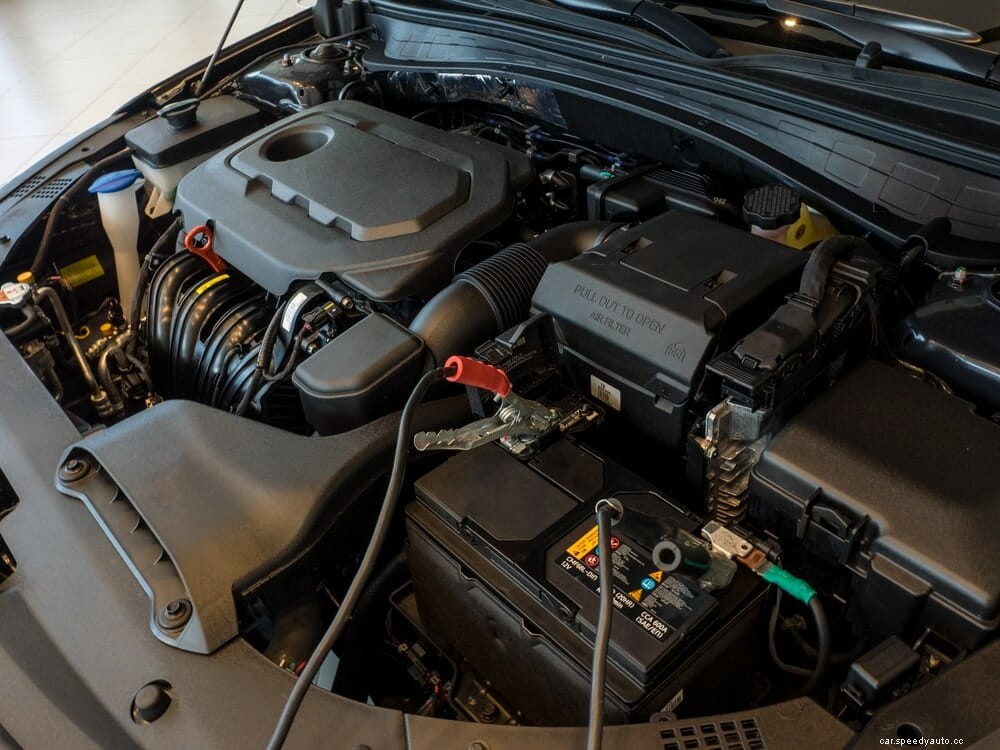
Yes, you can connect the coil directly to the battery if you have power flowing to it. Be very careful when doing this, as too much current can damage the coil or other parts of the AC system. Consult your car’s owner’s manual or take it to a mechanic for more information.
Most cars will require about 20-30 pounds of refrigerant. However, it’s always best to consult your car’s owner manual for specific guidance.
You should check on your AC unit at least once per year, preferably more. Checking the level of refrigerant and ensuring there are no leaks is important, as is making sure the compressor clutch is in good working order. You should also clean any debris from the condenser on a regular basis.
An AC compressor can last anywhere from 50,000 to 100,000 miles, depending on how often it’s used and how well it’s maintained. If you use your car’s AC unit frequently or don’t keep up with maintenance, you might need to replace the compressor sooner.
Conversely, if you take good care of your car and its AC system, the compressor could last much longer.
Yes, you can use a jumper wire to apply power to the coil. This is a good way to get the compressor running if there is no other way to provide power to the coil. Just be careful not to overload the system with too much current!
Yes, it is dangerous to engage the AC compressor without refrigerant. Not only could you damage the compressor, but you could also cause an electrical fire. Make sure your car has enough refrigerant before trying to engage the clutch!
Manually engaging your car’s AC compressor clutch should only be done as a last resort. Make sure you have enough refrigerant and oil, and that there are no leaks in the system.
Be very careful when applying power to the coil, as too much current can damage the compressor. If you’re not comfortable with this procedure, take your car to a mechanic for help. Thanks for reading!
