
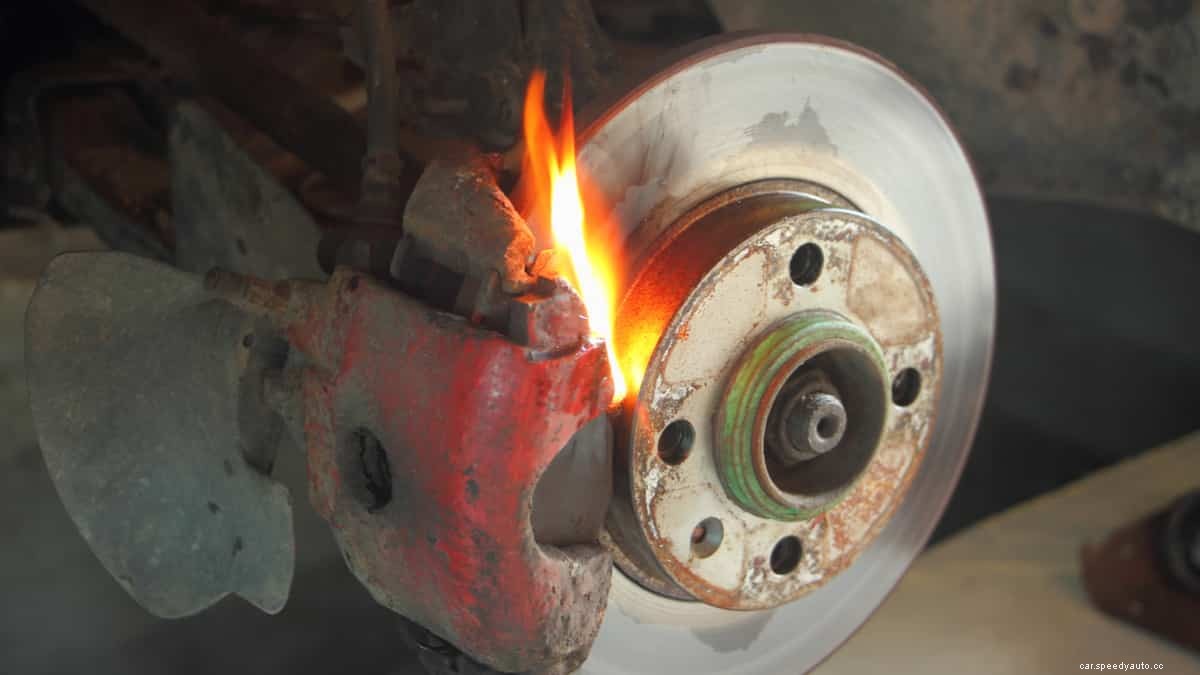
Sticking brakes is something that probably every car owner will experience at least once in their lifetime.
Car brakes can seem like a simple thing, but actually, it is often a pretty complex system that requires a lot of maintenance.
In this article, we will discuss the reasons for sticky brake calipers and how you can prevent them. So let’s begin with what could cause a sticky brake caliper?
The most common cause of a sticking brake caliper is a rusty caliper piston caused by a damaged piston boot. It can also be caused by stuck brake pads pushing on the brake discs. If it’s a rear brake caliper, it could be a faulty parking brake cable.
However, some other more rare things could cause a sticking brake caliper, so let’s take a look at these also. Here is a more detailed list of the 7 most common causes of a sticky brake caliper:
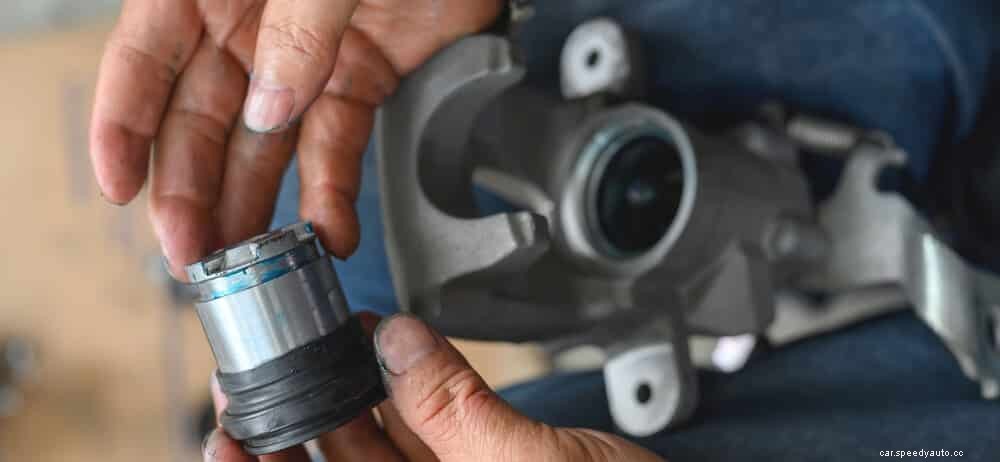
The caliper pistons are an essential part of the brake system. They are pushing the brake pads against the brake disc to make the car reduce the speed.
The brake caliper pistons have a rubber boot around them to prevent dust and other particles from coming into the brake system.
It is quite common for this boot to get damaged, and water and other dust will come into the piston. This will cause the piston to start rusting, and finally, it will stop moving completely – which will cause the brake pads to get stuck against the brake disc.
Check for any damages around the caliper boot and try to lift it a little bit to see if you can see any rust.
If it is rusty, you can push the piston out and clean it a little bit – but do not forget to replace the boot, which can be difficult without the knowledge.
Replacing the whole caliper is often not super expensive, and I do actually recommend it instead of renovating it.
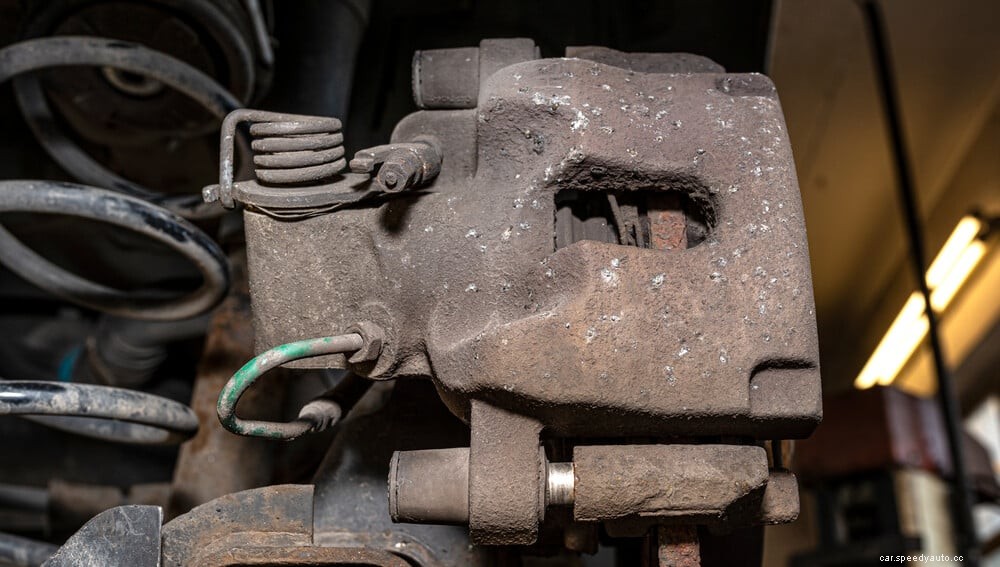
The second most common cause of a sticky brake caliper is actually rusty brake pads. The brake pads have their guides, which should be lubricated for the brake pads to glide forward and backward on the brake caliper bracket easily.
When dust and rust get collected on these bracket slides, the brake pads will get stuck in the brake pad bracket and push at the brake disc.
To fix this, you have to remove the brake pads and clean the brake pad bracket with a file or sandpaper and lubricate it with copper paste or something similar.
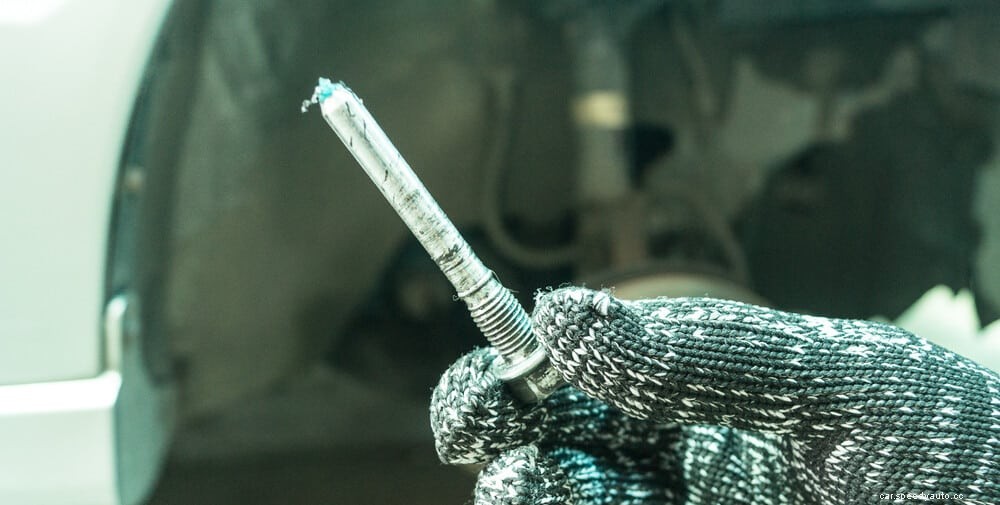
The brake caliper guide pins are located at the brake caliper bracket and help the caliper to slide forward and backward when you are braking.
Commonly, these guide pins will get stuck by rust, which will prevent the brake caliper from functioning properly and, therefore, cause sticking brakes.
These guide pins have rubber boots around them to protect them from water and dust. Check the rubber boots and remove, clean, and lubricate the guide pins again.
They can be a pain to remove when they have been stuck for a while – so a torch is a must to warm them up when trying to remove them.
If your sticking caliper problem comes from the vehicle’s rear, there is a big chance of a problem with the parking brake.
Many modern cars do not have the handbrake inside of the brake disc but on the brake caliper. Water and other dust can come into the handbrake wires and cause them to rust.
This will cause the brake calipers not to release properly when you release the handbrake.
To fix this, you can try to lubricate the handbrake cable and the arm on the caliper and move it backward and forward a hundred times to see if it gets better. In the worst case, you have to replace the parking brake cables or the caliper.
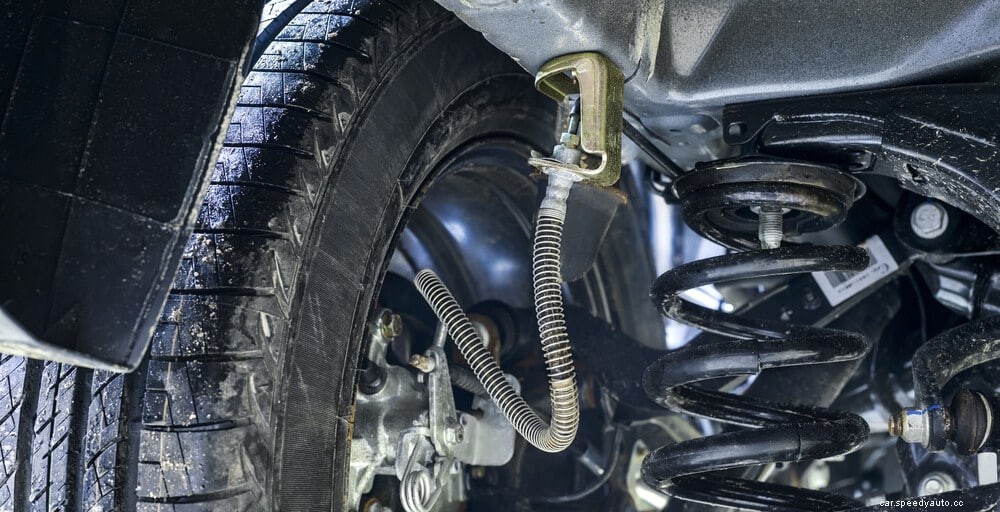
The brake hose allows brake fluid to flow to the braking system and back to the master cylinder. However, if there is a small breakage in the brake hose, the brake fluid will flow to the brake pistons but not back.
This will cause the calipers to stick. This is not a very common problem, but I have noticed it in some cars. If you have tried everything else and the problem still insists, you should try replacing the brake hose.
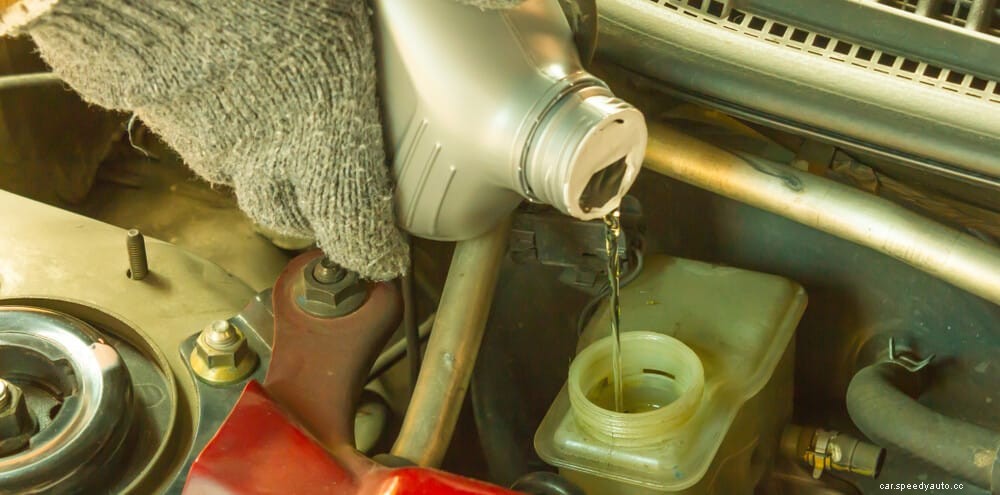
Dirty or old brake fluid is actually the main cause of a lot of brake problems. Brake fluid is drawing water from the air, and therefore it should be replaced every 1 or 2 years.
If you are not replacing it, it will contain a lot of water, which will make your brakes rust from the inside.
Most of these problems do not have to happen so often if you regularly take care of your brakes. There are some things you can do to avoid these kinds of problems in the future. Here are the most common ones:
