
If the heart of an automobile is the engine, then the heart of the engine is the oil pump, pumping engine oil to lubricate moving parts, remove waste heat, and drive hydraulics. On many older vehicles, an oil pressure gauge in the instrument cluster gave a visual indication of actual oil pressure, usually topping out at 50 to 60 psi. Most modern vehicles, though, have done away with the oil pressure gauge, replacing it with a simple low oil pressure warning light, which illuminates when oil pressure drops below 5 to 7 psi.
Generally-speaking, if your vehicle is equipped with an oil pressure gauge, it should never dip into the red zone at the bottom of the gauge. In case your vehicle is only equipped with a warning light, then it should never come on while the engine is running. If the gauge drops into the red or the warning light stays on, stop driving immediately and shut the engine down. Insufficient oil pressure will quickly lead to expensive engine damage.
Oil pressure depends on several critical factors, such as oil supply, oil type, engine condition, oil pump condition, and the weather, to name a few. Here are a few possible causes of low oil pressure and how to fix them.
01 of 04Logically, if there is not enough oil getting to the oil pump, then the oil pump won’t be able to generate enough pressure in the engine lubrication system.
Most modern engines run multi-viscosity engine oils, most of them in all seasons. In northern climes, seasonal temperatures can swing over 100 °F, from Summer highs, over 90 °F, to Winter lows, below -10 °F. Multi-viscosity oils flow thin in cold weather, but thicken as temperatures increase, maintaining proper lubricant properties. Using a low-viscosity oil in Winter improves cold-start lubrication but would be too thin at Summer hot-engine running conditions, leading to low oil pressure and possible engine damage.
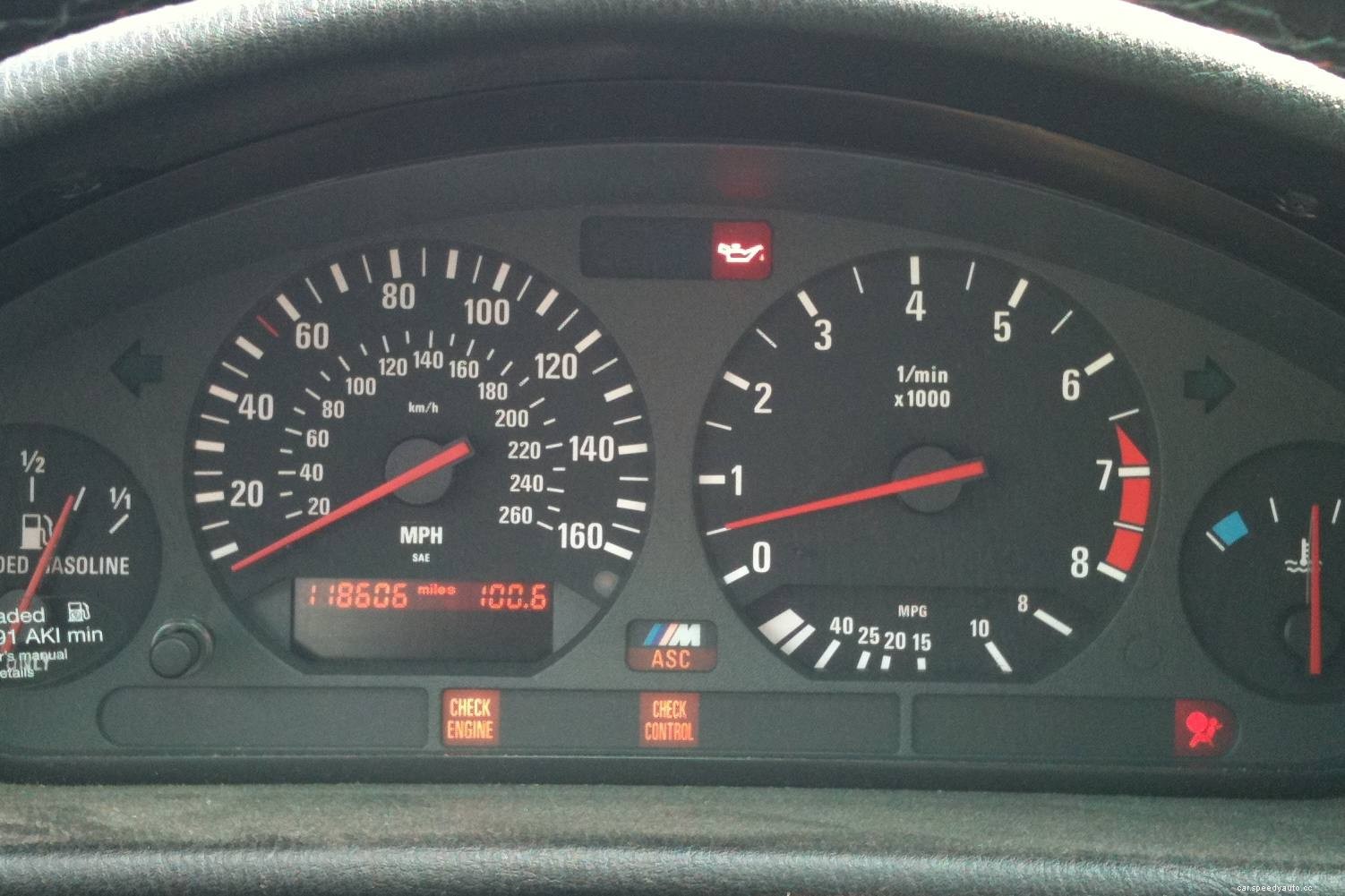
While many older oil pressure gauges were actual hydromechanical gauges, warning lights and most modern gauges are electrical or electronic. When investigating low oil pressure problems, the best way to test actual oil pressure is with an oil pressure gauge, which you might be able to rent from an auto parts store. If actual oil pressure is good, electrical problems could cause erroneous warning lights or meter readings.
When the engine is new and oil clearances are their tightest, as low as 0.002 inches, oil pressure will be at its highest, because that restriction determines oil flow and oil pressure, all else being equal. As the engine racks up the miles, bearing clearance, particularly at the back of the engine, opposite the oil pump, tends to increase. The increased bearing clearance allows oil to flow faster, lowering pressure in the entire system. Similarly, wear in the oil pump might bleed off pressure before it gets into the system.
No matter the mileage of the car you’re driving, it’s a good idea to pay attention to its life-blood, the correct viscosity at the correct level, adjusting for engine wear and seasonal changes. If the oil pressure warning light comes on, stop and check everything over before lack of lubrication turns your engine into a lawn ornament.
