
If you’ve noticed that your car’s engine is producing milky oil, don’t panic. This is a common issue, and there are several ways to fix it.
There are three common causes of milky oil in an engine: condensation in oil mostly caused by leaks, a blown head gasket, and excessive heat. While they’re hard to fix, you can do it by following this simple guide and changing a few habits. While milky oil isn’t dangerous in the short term, it’s generally advised you should solve it as soon as possible.
In this article, we will discuss the causes of milky oil and the best ways to correct the problem. So don’t worry – your car isn’t about to blow up! Read on for more information.
There are many factors that can cause milky oil. One is simply condensation. When your engine is cold, the metal surfaces inside attract moisture from the air. The moisture condenses on the metal and drips into the oil pan.
Over time, this can create a significant amount of water in the oil.
Another common cause of milky oil is a blown head gasket. If the head gasket is damaged, it can allow coolant to enter the combustion chamber and mix with the oil. This will often cause the oil to become milky in appearance.
Finally, excessive heat can also cause the oil to break down and turn milky. This is most common in older engines that have not been properly maintained. If the oil is too hot, it can start to vaporize and create a cloudy appearance.
If you are experiencing any of the following symptoms, it’s likely that your car has milky oil:
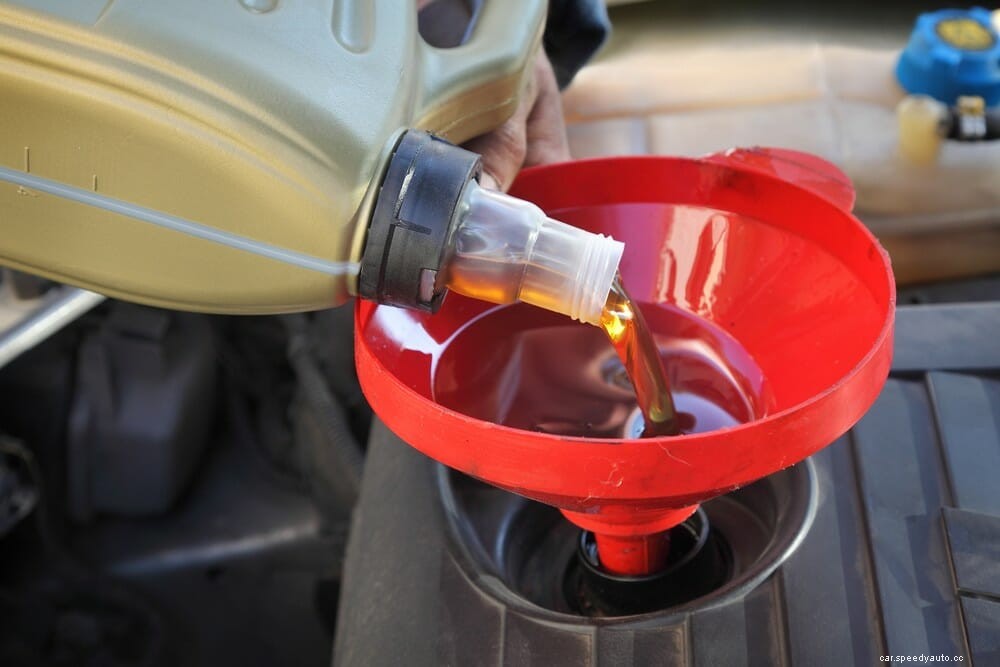
There are several ways to troubleshoot milky oil. The best way to determine the cause is to have a qualified mechanic inspect your vehicle. They will be able to test the oil and find out what is causing the milky appearance.
The water that accumulates in oil is typically the result of condensation. When hot air meets a cold surface, the moisture in the air will turn into liquid droplets.
This same process can occur when warm oil comes into contact with a colder container or machine part. If the environment is humid, the likelihood of condensation increases.
Another possible cause of moisture in oil is leakage. If there are any tears or cracks in the equipment, it can allow moisture to seep in and mix with the oil. In some cases, water may even be introduced intentionally into oil systems for cooling or other purposes.
However, this practice can lead to problems down the road and should only be used as a last resort.
Once moisture has entered the oil, it can be difficult to remove. The water will usually settle at the bottom of the container, where it can corrode parts and cause other problems. Some companies use special filters or centrifuges to remove water from oil, but these methods are not always 100% effective.
The best way to prevent moisture in oil is to take steps to avoid condensation. This means keeping equipment clean and dry, using proper ventilation, and avoiding sudden temperature changes. In some cases, it may also be necessary to add a desiccant to the system to absorb any moisture that does occur.
Moisture in oil can cause a variety of problems, including corrosion, decreased performance, and even equipment failure. It is therefore important to take steps to prevent it from occurring.
One of the best ways to do this is by keeping equipment clean and dry, using proper ventilation, and avoiding sudden temperature changes. If moisture does occur, it is important to remove it as quickly as possible using special filters or centrifuges.
By taking these precautions, you can help ensure that your oil remains in good condition and does not cause any damage.
There are a few symptoms that may be indicative of moisture in oil. One is the presence of water droplets on surfaces or in the oil itself. Another is corrosion or rust on metal parts.
This can be caused by water reacting with the metals present in the oil. Additionally, if water is present in the oil, it may cause foaming or bubbling. Finally, if the moisture content in the oil is high enough, it may cause the oil to become cloudy or opaque.
If any of these symptoms are present, it is important to take steps to remove the moisture as soon as possible. If left unchecked, moisture can cause serious damage to equipment and lead to decreased performance or even failure.
Additionally, moisture can also lead to the formation of acids, which can further damage the equipment. By taking steps to prevent moisture in oil and remove it if it does occur, you can help ensure the good condition of your oil and avoid any costly repairs.
A damaged head gasket can cause the engine oil to become cloudy or milky. This is because the head gasket seals the cylinders and valves in the engine, and when it is damaged, it can allow engine coolant and oil to mix together.
The combination of these two fluids can create a cloudy or milky appearance in the engine oil. If this occurs, it is generally a sign that the head gasket is damaged and needs to be replaced.
If the problem is not fixed, it can eventually lead to engine damage. Thus, it is important to have a damaged head gasket repaired as soon as possible.
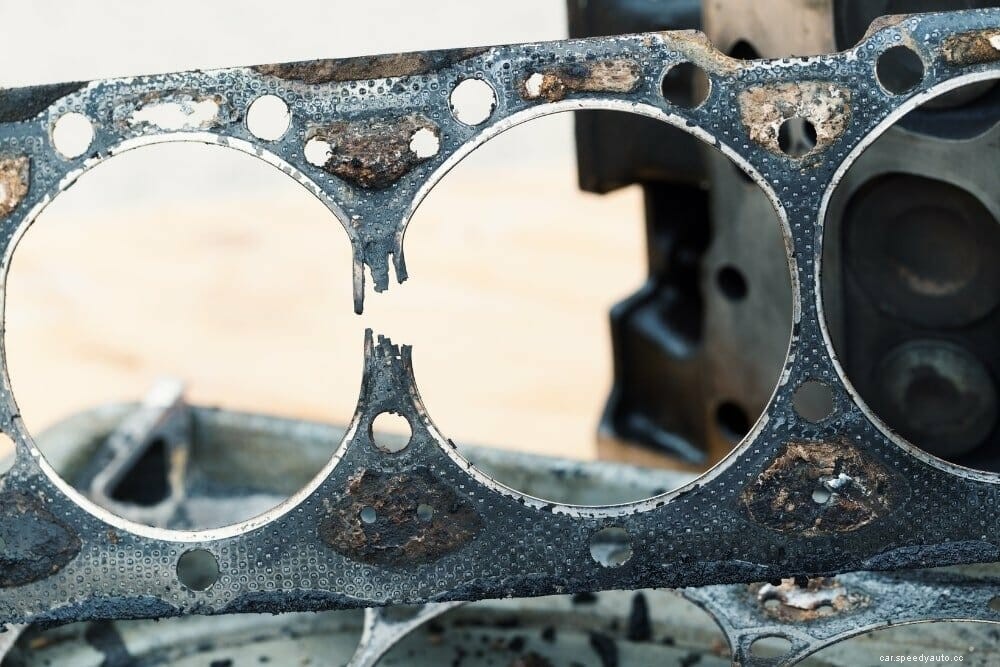
A damaged head gasket can cause a variety of problems with your vehicle, ranging from decreased performance to engine failure. The most common symptoms of a damaged head gasket are:
If you notice any of these symptoms, it’s important to have your vehicle checked by a mechanic as soon as possible. A head gasket repair is a major job, but it’s often necessary to prevent further damage to your engine.
If your head gasket is damaged, the best option is to take it to a mechanic and have them repair it. This is a major job, so it’s not something that you can do yourself. The cost of a head gasket repair will vary depending on the severity of the damage and the type of vehicle.
If you’re not comfortable with taking your vehicle to a mechanic, there are some things that you can do to try to postpone the repair. One is to add an additive to your engine coolant which helps to seal leaks.
You can also try to stop the leak by using a sealant or stop leak product. However, neither of these methods are permanent solutions and they should only be used as a last resort.
Excessive heat can cause the engine oil to become cloudy or milky. This is because when the oil is exposed to high temperatures, it begins to break down and form a substance called sludge. Sludge is a thick, tar-like substance that can clog up the engine and reduce its performance.
If the oil becomes too thick, it may not be able to flow properly through the engine. This can lead to overheating and other problems. Additionally, if the sludge accumulates in certain areas, it can start to burn.
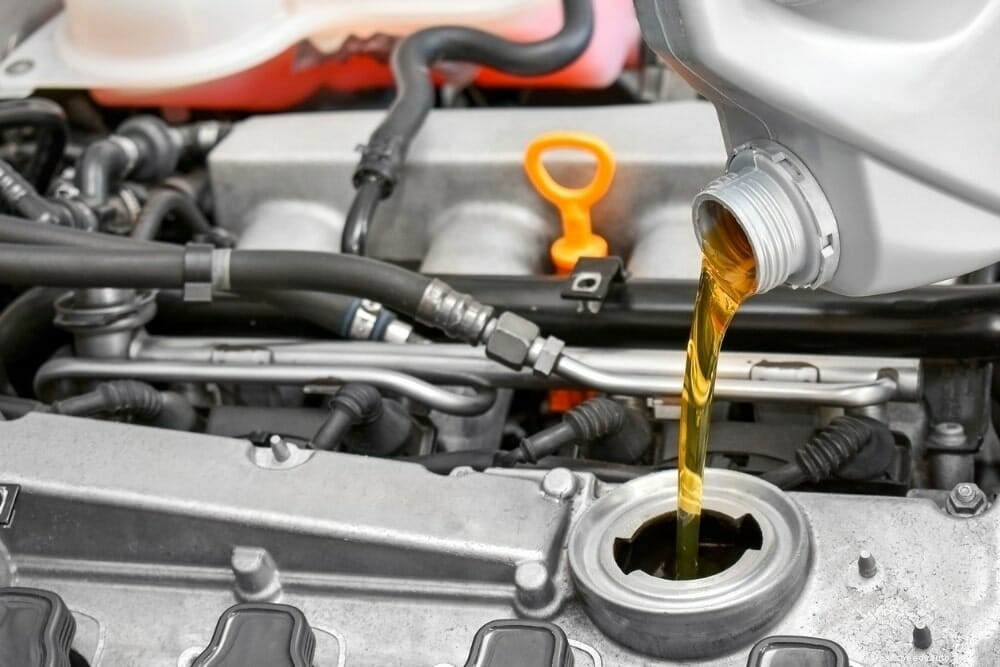
When this happens, it can release harmful fumes into the air and cause damage to the engine.
To prevent excessive heat from causing damage to your engine oil, it is important to keep your vehicle in a cool, dry place. Additionally, you should avoid driving in hot weather and excessive idling. If your vehicle does overheat, be sure to have it checked by a mechanic as soon as possible.
The most common symptoms of excessive heat are:
If you notice any of these symptoms, it’s important to have your vehicle checked by a mechanic as soon as possible. Excessive heat can cause major damage to your engine if it is not repaired.
There are several things that you can do to help prevent moisture in oil and excessive heat from causing damage to your engine.
A head gasket sealant is a product that is used to help seal leaks in the engine. It is important to follow the instructions on the product carefully so that you do not damage your engine.
If your car overheats, it is important to pull over and turn off the engine as soon as possible. Driving with an overheated engine can cause serious damage to the engine. You should have your vehicle towed to a mechanic so that they can check for any damage and make any necessary repairs.
A head gasket is a seal between the engine block and cylinder head. It seals in the combustion chamber and keeps the coolant from leaking into the cylinders. A blown head gasket can be caused by several things, such as overheating, physical damage, or even manufacturing defects.
Overheating is the most common cause of a blown head gasket. When an engine overheats, the metal expands and puts pressure on the head gasket. This can cause it to warp or crack, allowing coolant or oil to leak into the cylinders.
Physical damage can also cause a head gasket to fail. If the engine is dropped or hit hard enough, it can crack the block or cylinder head, causing the head gasket to fail. Even a small crack can cause a head gasket to leak.
Manufacturing defects are another possible cause of a blown head gasket. If the head gasket is not made correctly, it may not seal properly and will eventually fail.
A blown head gasket can lead to a number of problems, such as engine overheating, oil leaks, and coolant leaks. If left unchecked, it can eventually cause the engine to seize up and stop working. It is therefore important to have any signs of a blown head gasket checked out by a mechanic as soon as possible.
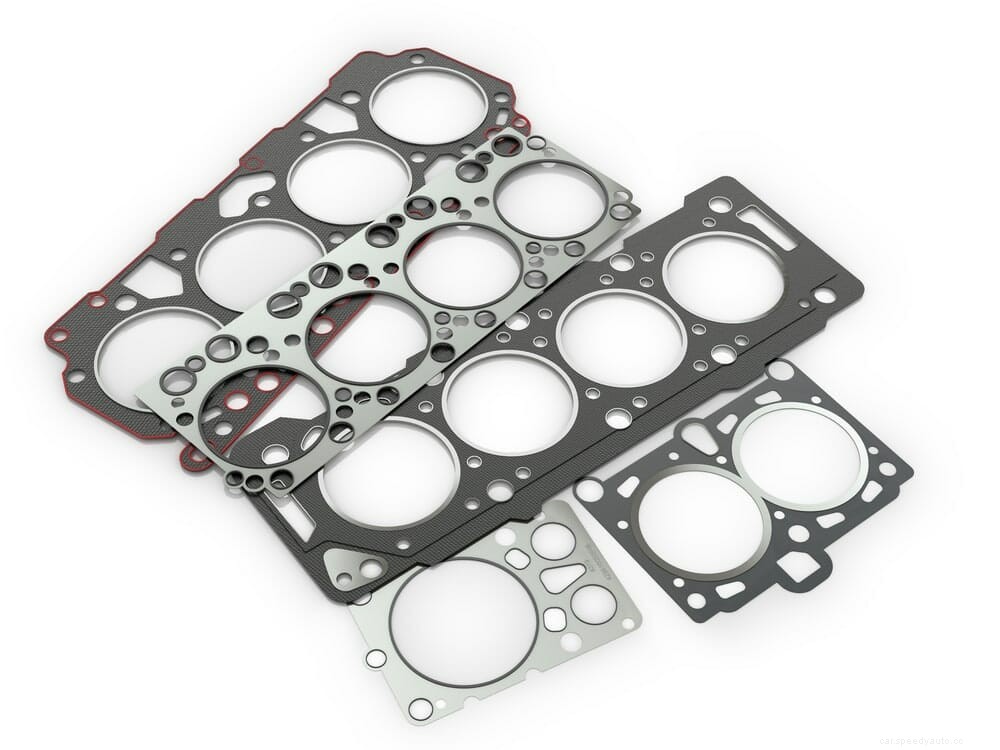
If you have a blown head gasket, it is important to take your vehicle to a mechanic so that they can make the necessary repairs. Trying to fix a blown head gasket yourself can be very dangerous and could cause further damage to your engine.
A head gasket is located between the engine block and the cylinder head, while a valve cover gasket is located between the cylinder head and the valve cover. Both types of gaskets help to seal in oil and prevent leaks.
If you’re not comfortable with taking your vehicle to a mechanic, there are some things that you can do to try to postpone the repair. One is to add an additive to your engine coolant which helps to seal leaks.
You can also try to stop the leak by using a sealant or stop leak product. However, neither of these methods are permanent solutions and they should only be used as a last resort.
To prevent excessive heat from causing damage to your engine oil, it is important to keep your vehicle in a cool, dry place. Additionally, you should avoid driving in hot weather and excessive idling. If your vehicle does overheat, be sure to have it checked by a mechanic as soon as possible.
If you notice any of these symptoms, it’s important to have your vehicle checked by a mechanic as soon as possible. An excessive head can cause major damage to your engine if it is not repaired.
