
Squeaking and bumping and burning, oh my! There are a lot of ways to tell whether you have a looming auto repair. Paying attention to your senses while driving is one way. There are several things you can look out for, smell, hear, or feel, both while driving and by looking at your parked car. Let’s take a look at a few key signs you may need to make an appointment with your mechanic.
Do a good walkaround for your car. In particular, take a look at the wear on your tires, brake pads, and rotors. These all wear out gradually, so it can be hard to tell early on that you need to have them replaced. They can also be dangerous if they go too long without being taken care of. Both your tires and brakes help keep you safe on the road.
Take a peek at the underside of your car. If you notice drips on the ground or coming from parts on the underside, it could mean a number of fluids are leaking. Any fluid leaking from your car is cause for concern but if you suspect it’s an oil leak or transmission fluid leak, take extra precautions. Both can lead to major auto repairs – even engine or transmission failure.
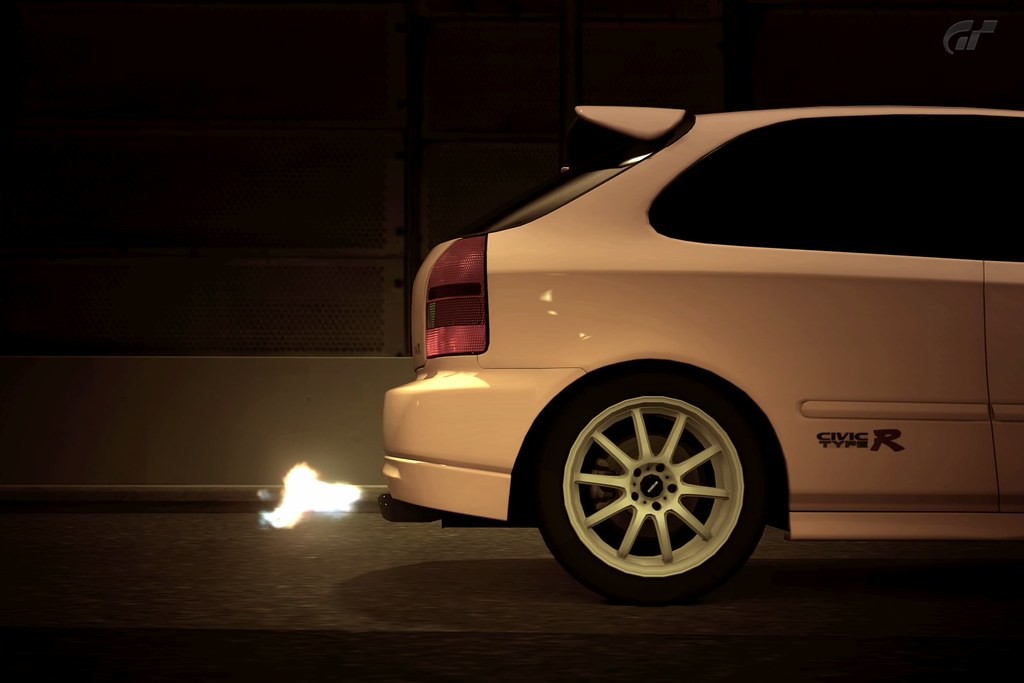
When it’s cold out, you may notice more visible exhaust than usual, especially when just starting your car. Otherwise, noticing more exhaust can mean you need a repair. This is especially true if you notice black, white, or blue smoke coming from your tailpipe, in particular during mild temperatures.
Any time you smell burning while driving, it should be cause for alarm. However, different types of burning smells can mean different things. If you smell burning rubber while braking, you may need a brake repair. If you smell burning while the engine is running, maybe like an electrical fire smells, it’s time to check under your hood.
Driving down the road and start to smell bad eggs? Your catalytic converter could be to blame. When it starts to fail, it’s unable to properly convert the gases coming out of your engine, causing some strange, and often unpleasant, smells. Your catalytic converter is also responsible for converting toxic carbon monoxide into carbon dioxide. If you have an exhaust leak in the right place and your catalytic converter has failed, toxic gases could be able to leak into the passenger cabin of your car.
Hear squealing when you brake? Check your brake pads. Notice a squeaking sound coming from under the hood when your engine is running? Could be a worn belt. These sounds can come on gradually, so it can be tough to realize they’re something to pay attention to until it’s suddenly urgent. Don’t disregard squeaking or squealing while driving.

One of the last sounds you want to hear coming from under your hood is rattling or clunking. These sounds are a sure sign that you have a mechanical issue on your hands that could be causing even more damage the longer you drive with it. It could also be a sign of a necessary exhaust repair, which can cause more damage than just some bad exhaust.
If you start to notice your brake pedal vibrating, it can mean that your rotors have uneven wear. This may not seem like a big deal, but it could lead to more problems down the road and likely means there are already other problems with your brake system. In a manual transmission car, a vibrating clutch pedal can signal a warped clutch disc, which can lead to major transmission repairs.
Feel like you’re on a roller coaster instead of driving your car? You probably need a suspension repair. There are a couple different parts that are likely to blame if you’re feeling every bump in the road. Both your struts and shock absorbers, whichever your car has, can cause this problem – and both are easily fixed by a mechanic.
