
Got drips? Your car uses many different types of fluids to help keep each system working smoothly. Any of those systems may develop a leak that allows essential fluids to drip out of your car. Some fluid leaks are more common than others and each has its own set of symptoms that can help point you and your mechanic in the right direction.
When it comes to fluid services, the most common cause is an engine oil leak. Your engine uses oil to keep moving metal parts lubricated, which also helps keep your engine from overheating due to friction. While your engine is a closed system, it uses a number of seals, gaskets, and other connections to keep parts together and over time, those will wear out, allowing engine oil to leak.
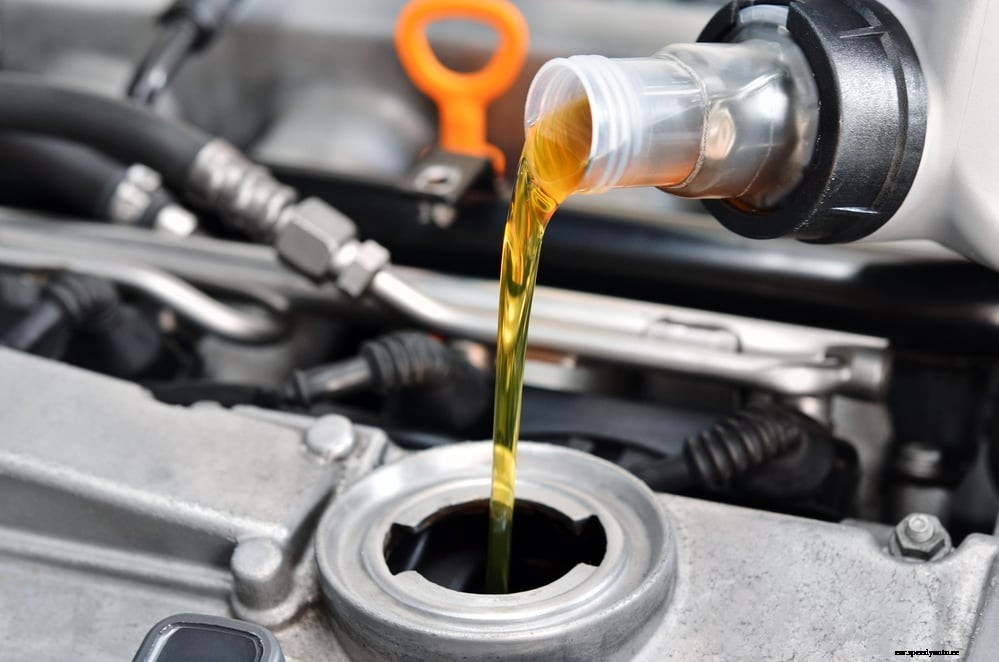
A commonly noticed symptom of an engine oil leak are spots under your car. They’ll be towards the front of the car, below the hood, and generally will appear darker in color on the pavement. The best way for you to determine whether your fluid service will involve engine oil and a possible engine repair is to check the oil level using the dipstick under your car’s hood. If your engine oil is low, it’s a good indicator that you have a leak.
Your cooling system relies on antifreeze, or coolant, to help keep your engine temperature at healthy levels while driving. Alongside engine oil, this is one of the most common fluid leaks you’ll likely encounter with your car. Fortunately, this type of fluid leak is often not serious, unless it goes on too long and presents with a number of symptoms.
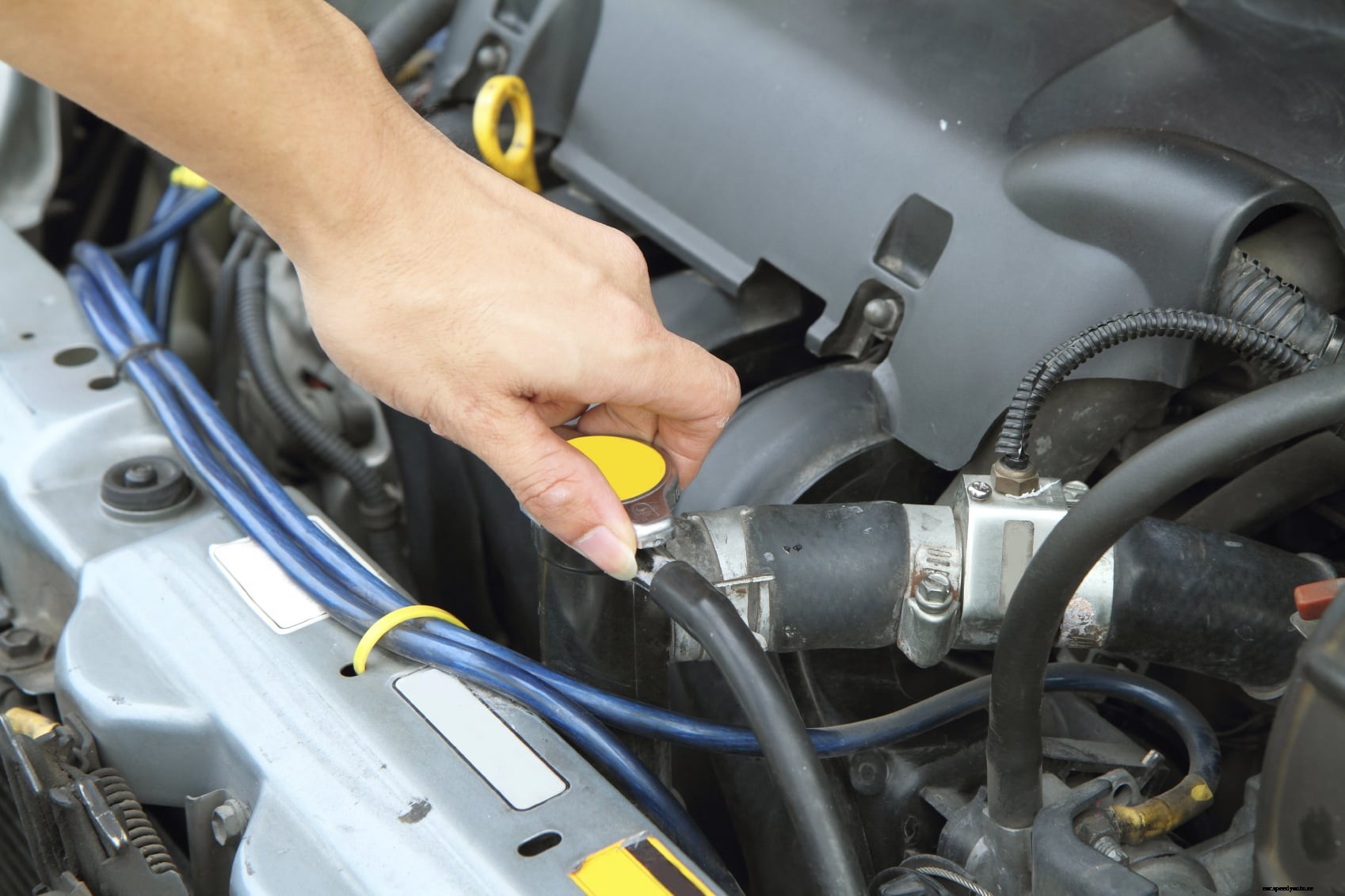
It’s possible you’ll notice spots under your car from a coolant leak, though it’s difficult to accurately diagnose which type of fluid leak you’re dealing with just from spots on the pavement. Instead, it’s a good idea to check your coolant levels by popping the hood and looking for the cap with a thermometer on it. Only do this with a cool engine. A more serious symptom of a coolant leak is a high engine temperature or overheating engine. If you notice this symptom, it’s urgent that you bring your car to a mechanic for a repair and fluid service.
Most brake systems use brake fluid to pressurize the brakes. It’s possible for this system to start leaking with use and wear. If you suspect you need a brake fluid service, it’s important not to procrastinate, since it can lead to brake failure if left alone for too long. Without adequate brake fluid, your brake system will not be able to adequately bring your car to a stop.

One symptom unique to a brake fluid leak is a spongy brake pedal or a decrease in effectiveness of your brake system. Similar to when you have air pockets in your brake fluid, the soft brake pedal you’re feeling is due to ineffective pressure in the hydraulic brake system. If you’re car care savvy, you can try bleeding the system, which should fix the spongy brake pedal if it’s just air pockets. Otherwise, and if you notice spots under your car, it’s best left to a mechanic to find the source of the leak.
A lesser-known possibility is a differential fluid leak. Your car’s axles stay lubricated thanks to differential fluid, also known as gear oil. If your car develops a differential fluid leak, it can cause extra wear and damage to parts of your axles.
Unlike other fluid leaks from your car, differential fluid tends to leak continuously, whether you’re driving or not. That means you’ll likely see it leaking near your car’s wheels and may even hear it when you’re standing next to your car. This is also a fluid service that is best done by a mechanic, since working with differentials can be a tricky repair service.
