
If you make a list of the most frequently replaced items in a modern vehicle, serpentine belts will definitely be on one of the top positions. Considering the lifespan of V belts in older vehicles, these last longer but wear out, eventually. If you like to fix things in your garage, it will be handy to know how to change a serpentine belt.
There is no recommended replacement period for a serpentine belt. The general rule of thumb is to inspect it at every oil change, which means every 30,000 to 50,000 miles or once a year. The replacement is required only when the belt’s condition is bad.
Besides, you may replace the belt at the time of servicing the cooling system. In some engines, the belt also runs the radiator fan, water pump, heater core, and supercharger. You have to change it when replacing or repairing any of these components.
There are some signs to watch out for a bad serpentine belt. The symptoms are mostly noises coming from different components. The belt will slip and create noise when the V-ribs on its lower side wear out.
SEE MORE
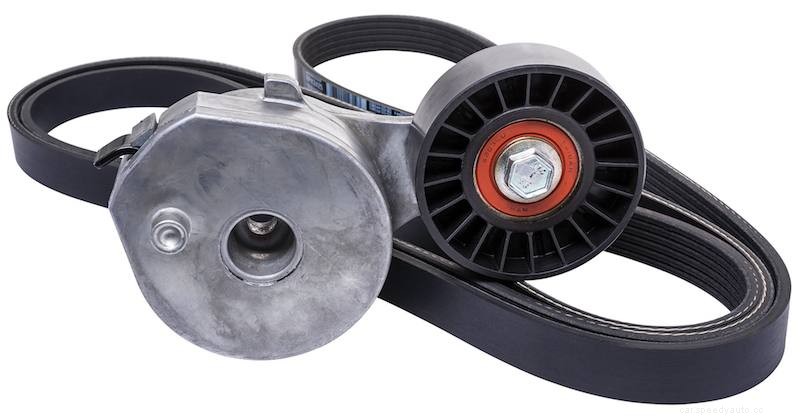
Misalignment of the pulleys is another reason for the noise. Several types of pulleys including an automatic belt tensioner pulley, idler pulley, power steering pump pulley, and water pump pulley can create the belt noise. A loose or worn out harmonic balancer can also create a similar sound.
The worn out bearings of the idler pulleys can also create such noises. In that case, you have to replace the pulleys because it is not possible to apply lubrication to the bearings or re-seal them.
The serpentine belt runs through all engine-driven accessories including the water pump, power steering pump, AC compressor, and alternator. The long belt simplifies the operation of all pumps and pulleys under the hood.
You will need these tools and follow the steps to replace it.
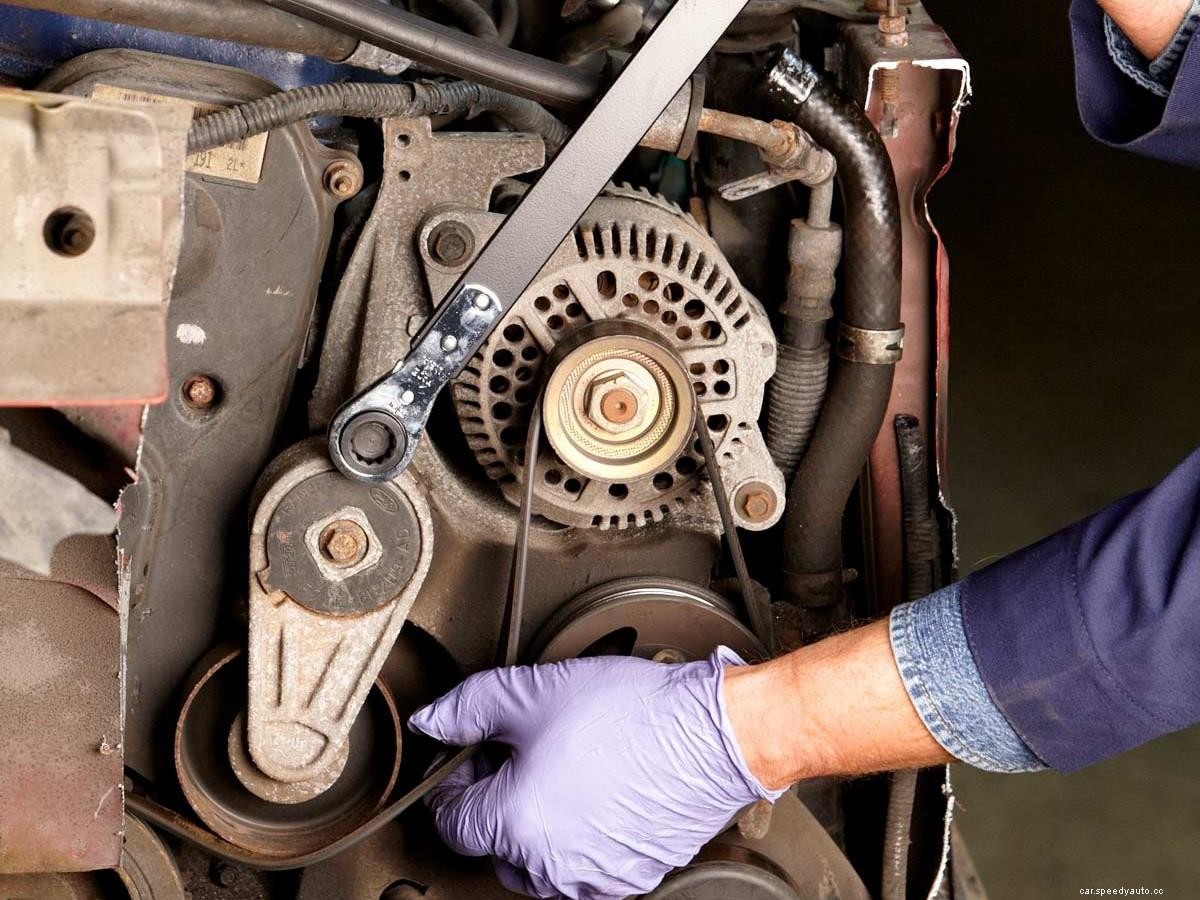
Tighten the tensioner. This is how to change a serpentine belt.
