
If your vehicle gets 36 mpg, you’ll burn one gallon of fuel on the average daily drive of an American, along with some 9,000 gallons of air, enough to fill a 12 x 20-foot pool to five feet. That air isn’t just air, however. There’s dust, pollen, insects, sand, dirt and even bits of rubber. The engine air filter keeps this stuff from damaging the engine, and a dirty air filter is a sign it’s actually doing its job.
With regular scheduled maintenance, most manufacturers recommend changing the engine air filter every 10,000 to 20,000 miles, mostly as a preventative step. Really, the idea is to change a dirty air filter before it’s too far gone. On carbureted engines, a dirty air filter can impact performance and fuel economy, foul spark plugs and eventually cause misfires. On fuel-injected engines, it can impact performance, but efficiency is usually unaffected.
Either way, a degraded air filter may allow unfiltered air into the engine.
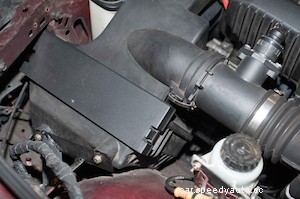 Fortunately, checking the air filter on most cars is fairly easy. You’ll need is a screwdriver, and you may also have to disconnect an electrical connector or two. Check your owner’s manual for the location and removal procedure. Basically, you open the air box, remove the air filter and look at it. There is no real testing procedure, just a purely visual inspection.
A new air filter may be white, off-white, yellow or another color, but you should expect to see at least mild discoloration of a used air filter.
However, you should replace your air filter if any of the following conditions exist:
Pro Tip: Never use compressed-air to “clean” an air filter. This ruins the filter, allowing dirt and other contaminants to get into your engine, leading to accelerated internal wear. If you live in a particularly dusty area, consider a washable foam pre-filter, if applicable, to capture the majority of the dust, and you won’t have to replace your air filter as often.
If you know how to check an air filter, you already know how to replace it. Buy the correct filter for your vehicle year, make, model and engine size, and compare the old and new, side by side, to confirm proper fit. When closing the air box, make sure the air filter and tabs are properly seated, and that screws or latches close the box securely. Then just reconnect anything you had adjusted before starting the car, and you’ll be good to go.
