
Snow tires are designed for the best possible performance on Canada's wintry roads, with studded tires providing the best traction on ice. Whether you own premium or lower-budget tires, most should last five or six seasons. However, that can change depending on your driving and tire maintenance practices, as well as factors like road conditions, vehicle maintenance, and proper storage.
It makes little sense from a safety or functional standpoint to use an existing set of winter tires if they are worn, compromised, or even both. You should first ensure that the tires you have are actually usable. Here are some tips.
Upon inspection, tires that have noticeable cracks around the tread and sidewall are a red flag. Because it is difficult to determine the severity and depth of some cracks, it is better to assume that the structural integrity of the tire is already compromised. Strongly consider a fresh set of winter tires if you find cracks.
Winter tires also have a built-in method that determines if they need replacement. Each tire should have visible, off-colour tread wear indicators between the blocks of tread. When tread blocks wear down to where they are even with the indicators, then it is time to replace your winter tires. Tread that has worn to this point is much less effective and can increase the chances of dangerous handling.
Another way to inspect winter tire tread depth is to do a physical measurement. Winter tire treads that are below six millimetres deep provide another clue for replacement. This is an alternative method if your tires do not include tread wear indicators.
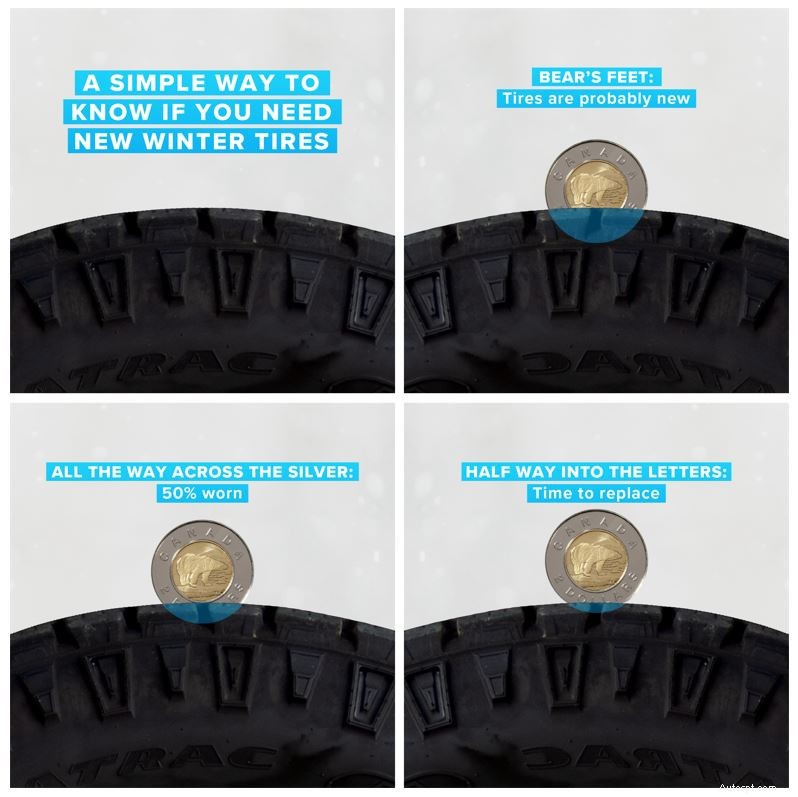
There’s also the “toonie test” we discussed in our Ultimate Guide to Winter Tires in Canada story here. See our graphic below:
Beyond the initial inspection, several factors can influence how long your winter tires last. Understanding these factors can help you adjust your driving and maintenance habits to maximize their lifespan.
Your driving style plays a significant role in tire wear and performance.
Aggressive Driving: Rapid acceleration, hard braking, and sharp cornering can accelerate tire wear. Smooth and cautious driving extends tire life.
Speed: High-speed driving generates more heat in the tires, which can cause faster deterioration, especially since winter tires are designed for colder temperatures.
The type of surface you drive on and the condition of the roads can significantly affect tire wear.
Surface Type: Rough or unpaved roads can cause more wear compared to smooth asphalt.
Potholes and Road Debris: Hitting potholes or driving over road debris can damage your tire's internal structure, leading to bulges, cracks, or even blowouts. These impacts can severely shorten the life of winter tires.
Temperature Fluctuations: Frequent changes between freezing and thawing can affect tire rubber, making it more susceptible to wear.
Salting and Chemicals: Winter road maintenance often involves salting or using chemicals to de-ice roads. While essential for safety, these substances can degrade the rubber in winter tires over time, especially if left on for extended periods. Rinsing your tires after exposure to road salt or chemicals can help prevent this type of wear.
Proper vehicle maintenance can help ensure your winter tires wear evenly and last as long as possible.
Wheel Alignment: Misaligned wheels cause uneven wear. Regular alignment checks ensure even tire wear.
Tire Rotation: Rotate tires every 8,000 to 10,000 km to distribute wear evenly and prevent premature damage.
Suspension System: Worn suspension parts cause uneven tire wear. Keep the suspension in good condition for better tire performance.
Brake Maintenance: Poorly adjusted or worn brakes lead to uneven tire wear. Ensure brakes are properly maintained.
Even if tires have minimal wear, their age can affect their performance and lifespan.
Rubber Degradation: Over time, tire rubber deteriorates from exposure to oxygen, sunlight, and temperature changes, becoming brittle and prone to cracks. Replace tires after about six years, regardless of tread depth, and check the DOT code for the manufacturing date.
Storage Conditions: Store tires in a cool, dry, dark place to prevent accelerated aging from heat and moisture during the off-season.
Mileage: High-mileage drivers wear out tires faster, but low-mileage drivers should still replace older tires due to rubber degradation over time.
All-season tires are built for year-round use in moderate climates, and they generally last longer than winter tires in terms of tread life. These tires use harder rubber compounds that wear more slowly in warm weather, so you can often get 3 to 5 years (60,000 to 100,000 km) of driving out of a set of all-seasons under normal conditions. Many all-season models come with long treadwear warranties (some up to ~100,000 km), reflecting their durability. Driving habits, weather exposure, and proper tire care—like maintaining the right tire pressure and checking tread depth regularly—also affect how long your all-season tires last.
In winter weather and freezing temperatures, all-season tires harden and lose their grip, especially on icy roads or snowy roads. That’s why they’re not recommended for use during winter months in most of Canada. But when paired with winter tires for seasonal use, all-seasons can last longer by avoiding harsh winter wear. If stored properly—out of direct sunlight and away from heat—your all-season tires will maintain their rubber compounds and performance over time.
Swapping between winter and all-season or summer tires is an essential part of driving in Canada, but it does come at a cost. On average, a tire changeover costs:
Some tire shops also offer additional services like seasonal storage, which typically costs $60 to $100. Keeping your winter tires properly inflated during storage and avoiding storing tires in places with temperature extremes will help extend their lifespan.
It’s recommended to replace winter tires when the tread wears thin or the rubber shows signs of age. Following Transport Canada guidelines for safe tread depth and proper storage can help keep your tires in top condition.
Winter tires are made with softer rubber compounds designed to stay flexible in freezing temperatures. But in warm weather, this softness becomes a disadvantage. Driving winter tires in summer causes them to wear out much faster—often 30% to 60% faster—than if they were only used in cold conditions.
In dry or wet conditions during warm months, winter tires don’t offer better grip and may even reduce fuel efficiency. Their deeper tread is optimized for snowy and ice covered roads, but on hot pavement, the rubber becomes too soft and wears unevenly. The result is visible wear and reduced traction by the next winter season.
Using the right tires for the season not only improves performance but also saves you money. Most winter tires, when used correctly, last four to six seasons. But if driven year-round, they may only last one or two.
Snow tires are a valuable investment. Proper maintenance is simple and will help your tires last longer and perform at their best on challenging roads and paths. Though there are some pros and cons to these softer tires, highlighted below:
Here are some tips to help you get the most out of them.
Tires wear out faster in frigid conditions. Ice and snow cause tires to slide and rotate more often than in dry weather. This additional friction speeds up wear and tear on the rubber. Slowing down in wintry weather allows the tires to grip more naturally, which reduces the distance required to stop and diminishes unnecessary friction.
Tire pressure drops in cold weather, and monitoring is a must. Proper tire inflation promotes the best possible handling on snow and ice. Most drivers understand how improperly inflated tires behave on dry roads, and wintry elements can amplify this behaviour. A small time investment in checking and maintaining tire pressure helps your snow tires perform to their intended design.
If one tire is ready to be replaced after inspection, then replace all four tires. Replacing only one tire will cause your vehicle to handle the road differently, and your vehicle won't have the best ability to take on road conditions. Plus, treads on your remaining tires will wear unevenly and speed up the end of their service life. For the best and safest results, replace all four tires when one becomes unusable.
Snow tires take a beating during Canada's winter season. When it is time to switch them out with all-season tires, this creates another opportunity for you to prolong their life.
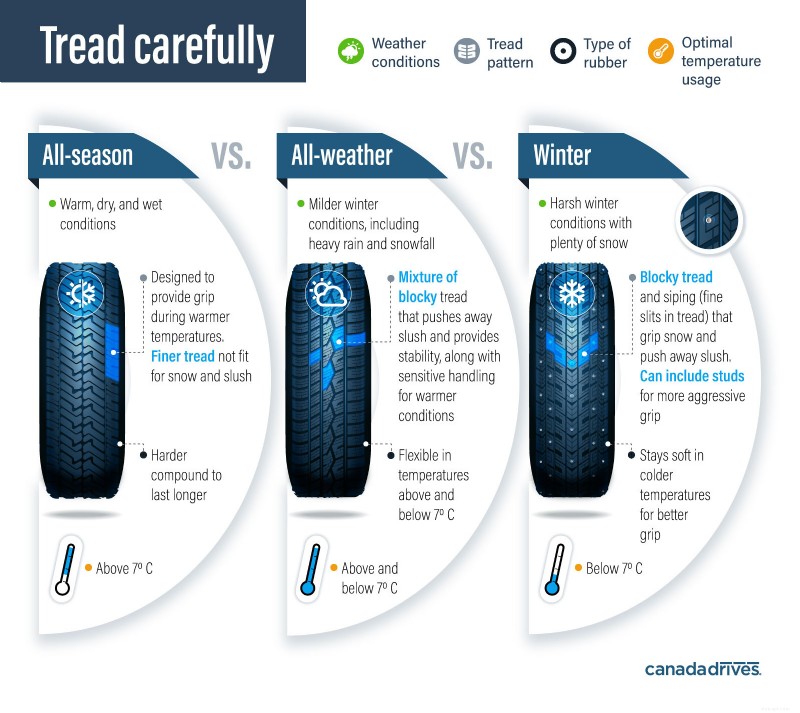
Speaking of all-season tires, below is a quick look at what separates all-season tires from snow-rated tires:
There are also indirect ways you can increase the life of your snow tires.
In Conclusion, here's a quick look at the pros and cons of these softer tread tires designed for conquering the snow, sleet, and ice:
Michelin winter tires like the X-Ice series are built for durability and performance. With proper maintenance, rotation, and seasonal use, they typically last four to six winter seasons. Regularly checking for tread wear, sidewall damage, and rubber aging will help ensure they’re safe to use each year.
Most winter tires last four to six seasons with proper care. High-mileage drivers or those who drive aggressively in heavy snow may see shorter lifespans, while moderate drivers can stretch the full lifespan by following good maintenance and storage practices.
It's not recommended. Winter tires wear out faster in warm temperatures due to their softer rubber. They also don’t perform as well on dry or wet summer roads and can reduce fuel efficiency.
Replace winter tires when tread depth drops below 4-5mm or if you see visible wear like cracking. Even with good tread, tires older than six years may have aged rubber and should be replaced for safety.
No. Most winter tires are designed to handle both snowy and ice covered roads. However, studded tires or higher-end winter models may offer better grip on sheer ice. Always choose the right tires for your typical driving conditions.
