
Most engines don’t fail with fireworks. They grumble, sip coolant like it’s a new hobby, and drop tiny hints that are easy to ignore when life is busy and the car still “mostly” drives fine.
The trouble is that a head gasket issue can hide behind normal Prius quirks for a while, then suddenly get loud.
That’s usually the moment people start thinking about Prius head gasket repair near me and hope the universe replies, “false alarm.”
A better approach is to read the clues like a short story: the first chapters are subtle, but the plot keeps repeating.
Catching it early is less about panic and more about noticing patterns before heat, pressure, and time team up.
A rough start that clears in 10–30 seconds is one of the earliest tells. Overnight, a small leak can let coolant slip into a cylinder, so the first combustions are uneven and the idle feels a bit shaky.
If the same stumble shows up morning after morning, or misfire codes appear and disappear like an unreliable friend, it stops being “old car vibes.” It becomes an early warning that deserves real testing, not just optimism.
If the reservoir drops but the driveway stays clean, the coolant may be leaving through the exhaust path, one tiny gulp at a time.
This is where boring documentation beats guessing: a weekly photo of the coolant level, taken when the engine is cold, can be surprisingly revealing.
Also watch whether the cabin heater suddenly gets moody on hills, because trapped gas can interrupt circulation.
Here are symptoms that often show up as a “combo meal”:
If three show up together, that’s your plot twist.
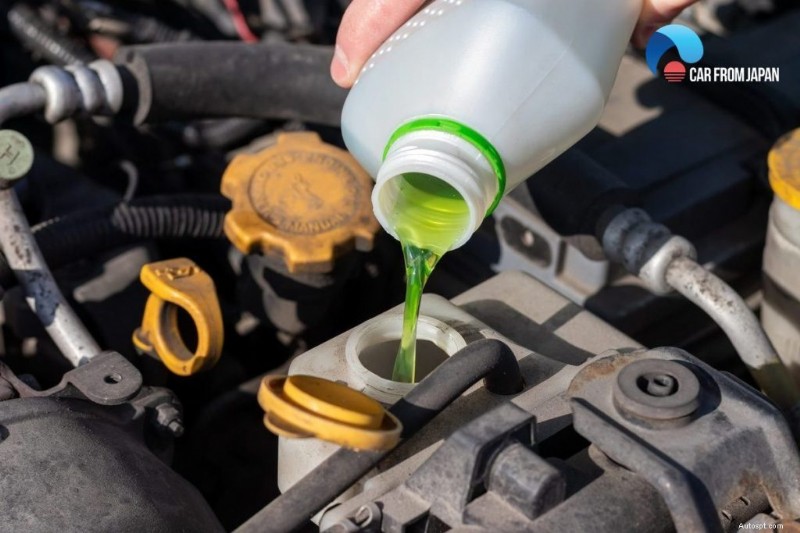 If the reservoir drops but the driveway stays clean, the coolant may be leaving through the exhaust path. (Photo: Mt Roskill)
A gasket leak can push combustion gases into the cooling system, creating hot spots and disrupting flow.
Around town, everything may look normal; on a long grade or a sustained cruise, temperature starts climbing like a bad mood.
One overheat can warp surfaces, so the smart move is to stop early, not “see if it fixes itself.” If the heater blows cold while the gauge rises, treat it as a serious signal, because heat is often the expense multiplier.
DIY advice ranges from brilliant to chaotic, sometimes in the same thread. A solid diagnosis is boring in the best way: scan for misfire history, pressure-test the cooling system, and use a combustion-leak test to see whether exhaust gases are entering the coolant.
The experience of service providers such as Maxat Hybrid Repair shows that the key to accurate diagnosis is identifying repeatable conditions (cold starts, uphill load, prolonged idling), rather than relying on random part replacement.
This pattern narrows the root cause far faster than guesswork ever could. Head gasket repair is a common reason for service visits, and routine preventive maintenance can often help catch and prevent the issue at an early stage.
Think “calm detective,” not “heroic gambler.” Keep loads light, avoid hard acceleration, and skip marathon highway runs until testing is done.
Check coolant at the same time each day for several days, then log what shows up: smoke, smells, misfire behavior, heater changes, and when the temperature shifts.
If results confirm a gasket leak, repairing sooner usually protects the catalytic converter, bearings, and budget. The goal is simple: stop the problem from recruiting extra problems, and get back to quiet commuting.
