
Winter roads may be safer with salt, but does road salt damage cars? Unfortunately, the answer is yes. While road salt helps melt ice and improve traction, it can also lead to serious damage to your vehicle over time. Understanding how road salt car damage occurs and how to prevent it can save you from costly repairs down the line.
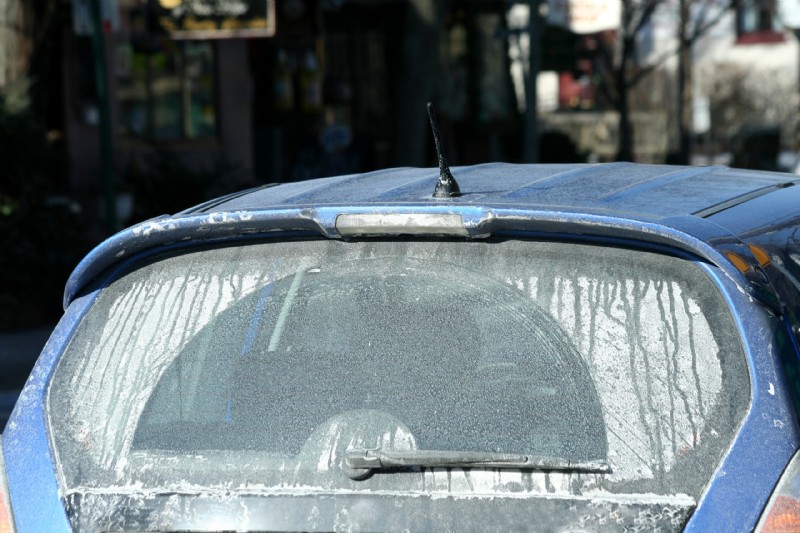
During winter, road crews spread salt on streets and highways to prevent ice buildup and improve driving conditions. As you drive, your tires kick up salt, which then sticks to the undercarriage, wheel wells, and lower body panels of your car. Since salt is very corrosive, it can stay on your vehicle for weeks, wearing down exposed metal and paint.
Moisture from snow and ice exacerbates the issue. When salt mixes with water, it speeds up the oxidation process, leading to rust and corrosion. The longer the salt stays on your vehicle, the greater the risk of permanent damage.
Salt damage on cars can affect multiple parts of your vehicle, especially those most exposed to slush and road debris. Here are some of the most common problems caused by road salt:
Without proper care, road salt car damage can lead to major repair costs and even compromise your vehicle’s safety.
Regular washing is the best way to prevent road salt damage on cars. Here are a few tips to keep your car in good condition during winter months:
Regular washing and maintenance help reduce road salt damage and keep your car lasting longer.
If road salt has taken a toll on your vehicle and you need replacement parts, Aero Auto Parts has you covered. We sell quality used auto parts at low prices, making it easy to fix rusted or damaged parts without spending too much. Call us today or stop by our Chicago location to find the parts you need to keep your car running well all winter.
