
A vehicle’s ability to retain its value is a key component in lowering the overall ownership cost. That, in a nutshell, is the reason for Kelley Blue Book’s annual Best Resale Value Awards. You can be sure you are making the right car buying decision by finding the brands and individual models that perform best when it comes time to sell or trade.
Beyond these high-performing makes and models, however, some categories of cars and trucks perform better. So, the type of vehicle you buy may have as much impact on its resale value as the brand itself.
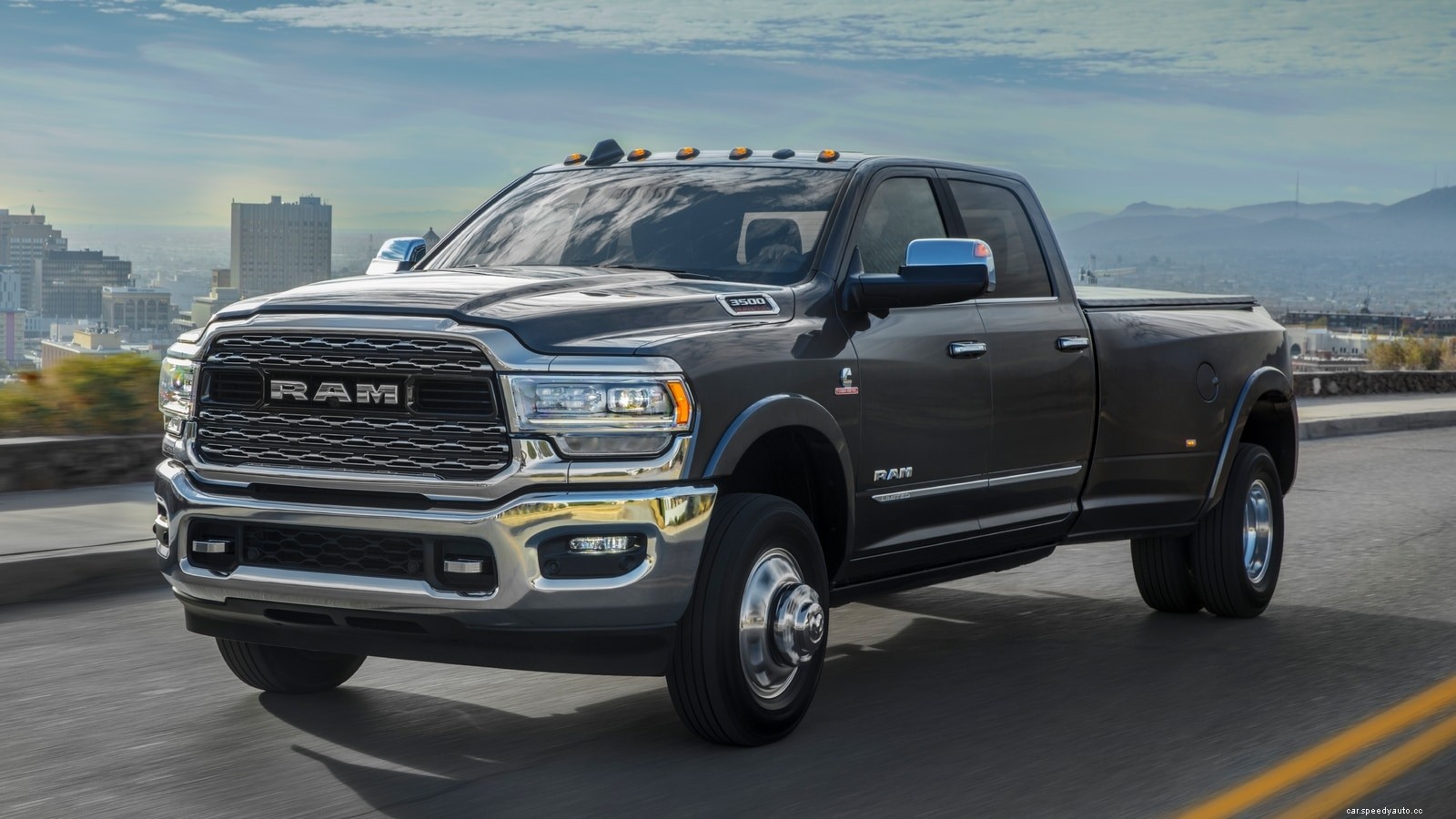
Heavy-duty pickups retain more of their value after 36 months than any other type of vehicle. That’s the conclusion of some recent analysis from Kelley Blue Book parent company, Cox Automotive.
Three years after purchase, the average heavy-hauler pickup retains more than 63 percent of its value, analysts found.
Every category’s residual value rose in this year’s results – likely a function of the higher demand for used cars triggered by the COVID-19 pandemic and associated anxieties about public transit.
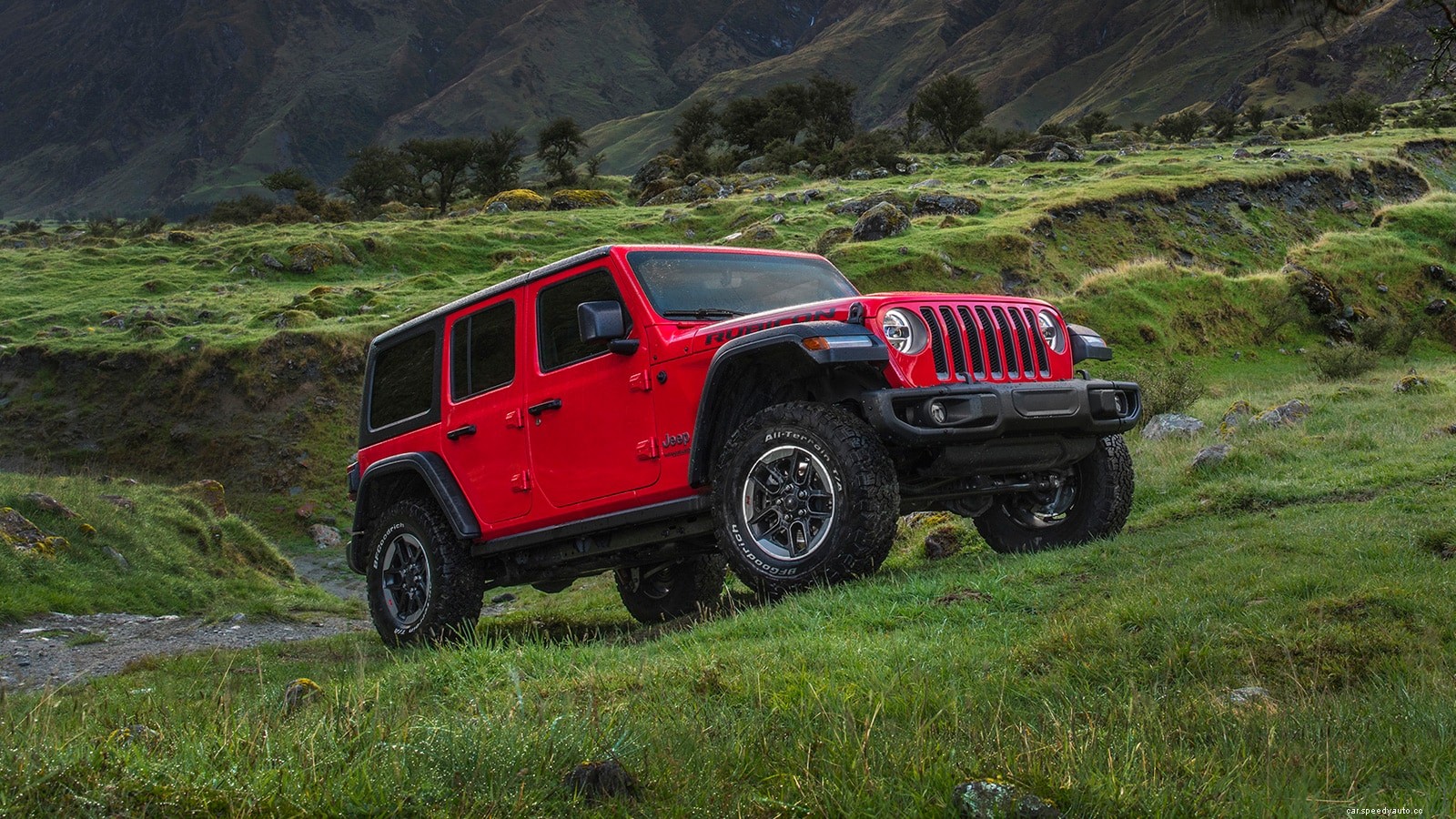
Special-use vehicles that might not be practical as family haulers do well. Sports cars follow full-size pickups with just under 61 percent, on average, of retained value. Off-road-oriented sport utility vehicles, like the Jeep Wrangler, come in at just under 60 percent. Midsize trucks and full-size trucks round out the top five.
Despite their impressive sales numbers in recent years, midsize SUVs appear in the seventh slot of the 25 categories studied. They retain about 53 percent of their value if they have three rows of seats and 51 percent if they have only two rows.
The results reflect demand, as might be expected. Americans now buy more trucks than cars or SUVs, and for the last two years, SUVs have outsold sedans two-to-one.
If you depend on your next car to hold its value over time, the worst decision you could make is to buy a luxury car. Long known to lose value quickly, luxury cars perform true to form in the study – after 36 months, the average luxury car fetches just 41 percent of its purchase value on resale. It’s extremely difficult to recoup the premium you pay for prestige. In addition to the high cost going in, repairs on luxury vehicles can also be expensive. Few shoppers in the used car market want to take on the risk of buying a collection of aging premium parts. Luxury makers seek to address these fear through Certified Pre-Owned vehicle programs that have become an industry standard.
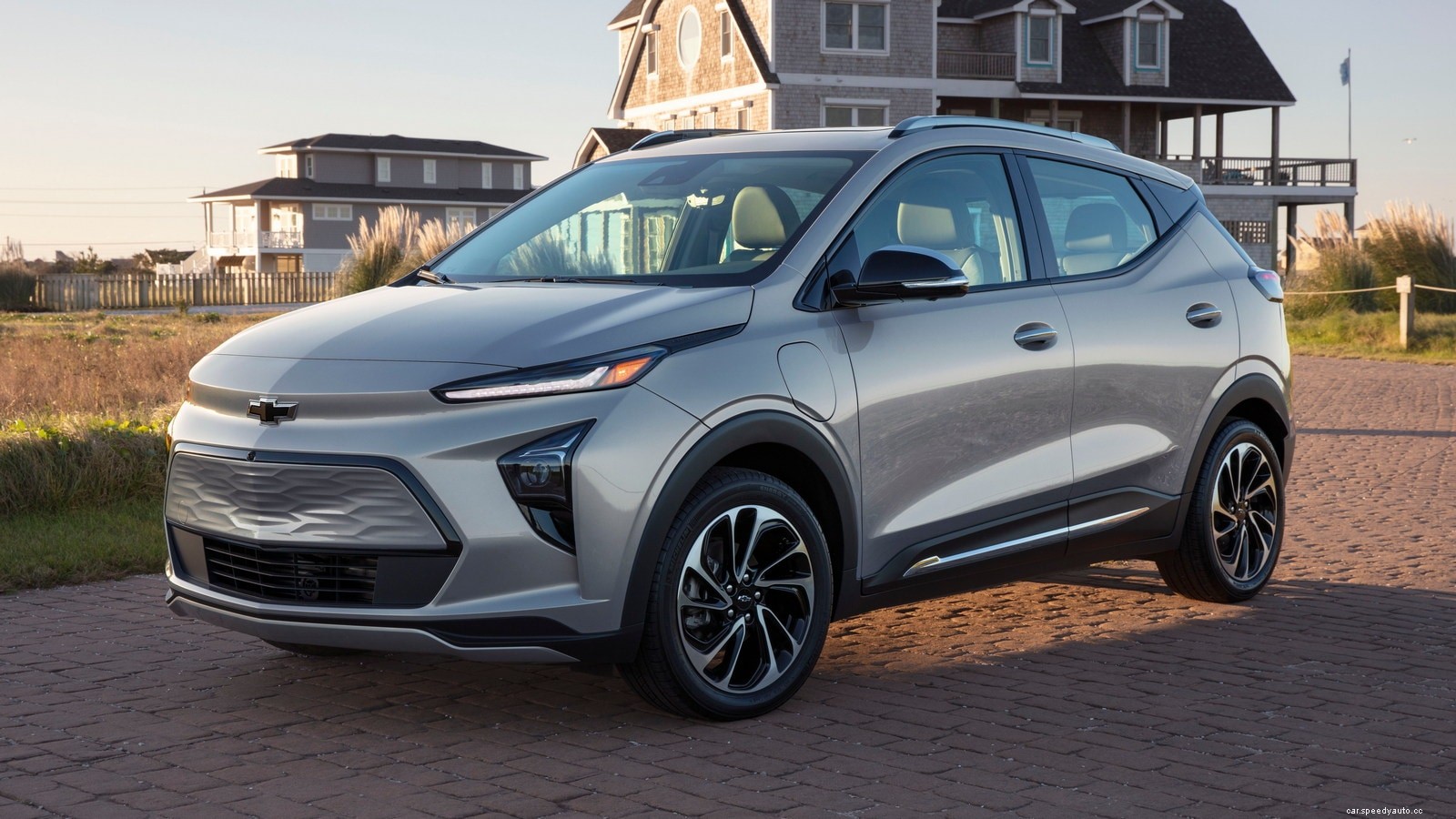
Electric vehicles (EVs) come in third to last among the 25 categories. They hold only 47 percent of their value after three years. Practical electric cars have only been on the American market for a short time, and, to date, sales of used electric vehicles are rare. Most owners aren’t done with their first yet.
The category’s ranking, however, tells only half the story. Tesla, which performs well in Kelley Blue Book’s Best Resale Value Awards, actually helps pull up the category’s average. Resale value on early EVs with limited range, often of just barely 100 miles, is terrible. As longer-range vehicles, some now with 150 to 200 miles, hit the used vehicle market, resale values are beginning to rise. Expect that trend to continue as new and longer-range affordable EVs like the Chevrolet Bolt, Hyundai Kona, and Nissan Leaf Plus are joined by other mainstream electric vehicles with the ability to go 250 to 300 miles between recharging become part of the mix.
The flip side of these advances in battery technology is that they may hold down some older electric car values. If Toyota does manage to produce the 600-mile-range solid-state battery it may unveil this year, today’s EVs, with their range generally less than half that number, may look dated fast. But, as EVs come to dominate the market (we calculate that about 100 models of EV will be on dealer lots by the end of 2021), they will come to dominate the used market as well.
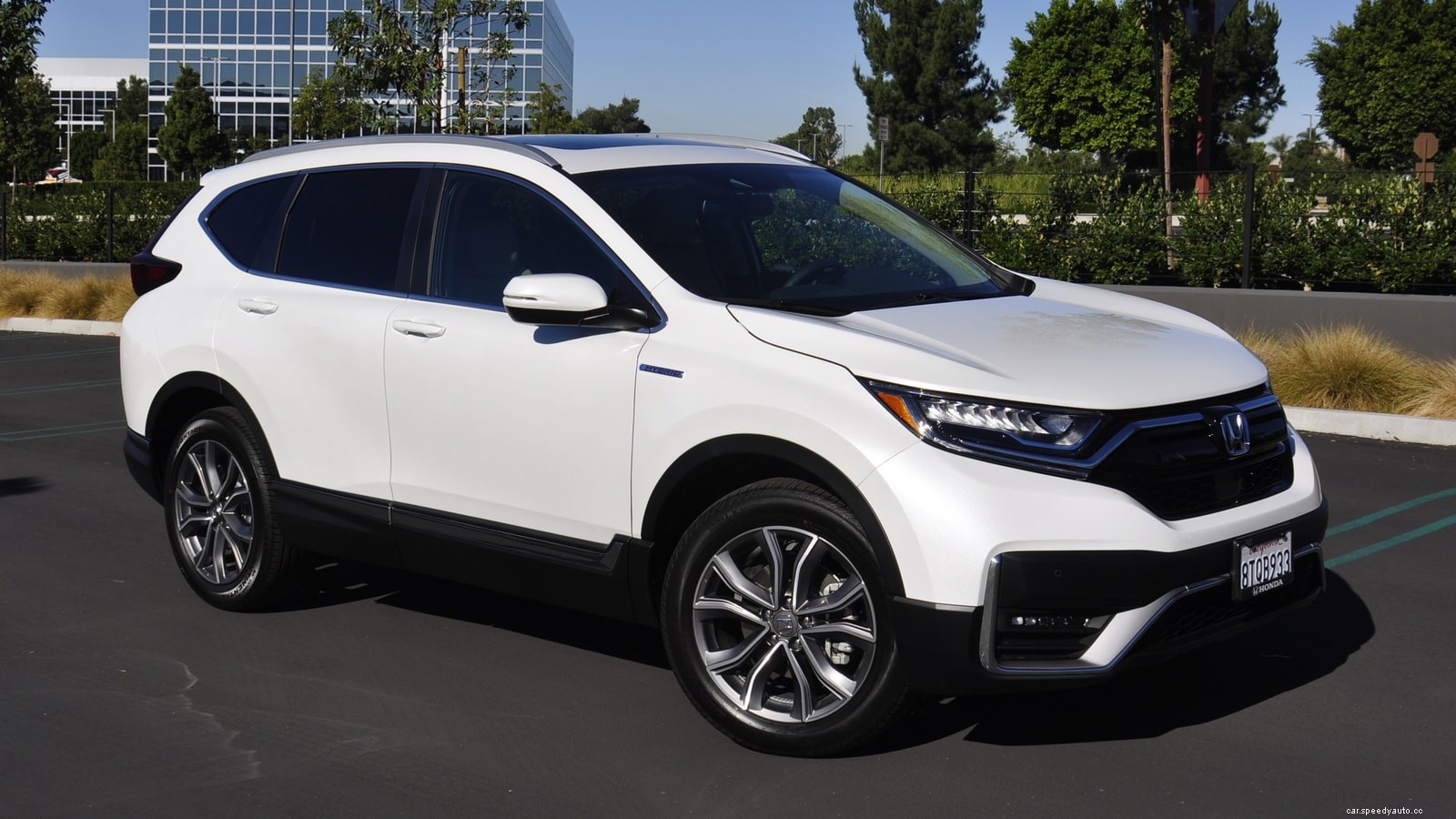
That’s not to say that environmentally-friendly cars are always a bad investment. Hybrids and Plug-in Hybrid EVs placed ninth, holding 52 percent of their value after 36 months. This performance may be due to their inherent flexibility – the range anxiety and limited charging options that can keep some buyers away from purely electric vehicles aren’t concerns when the car can also use gasoline. After all, Americans buy far more hybrids, even as EVs grab the headlines. As EV infrastructure improves, hybrids’ retained value may not slip, but their advantage over purely electric cars likely will.
See Kelley Blue Book’s Best Resale Value Awards
