
Are you wondering, “How long can I drive with a misfiring cylinder?” Then you’ve come to the right place! In this article, we’ll talk about the causes of misfires, how to identify them, and what to do if you think your car’s having this problem. Let’s get started!
Table of Contents
Three main things can cause cylinder misfires:
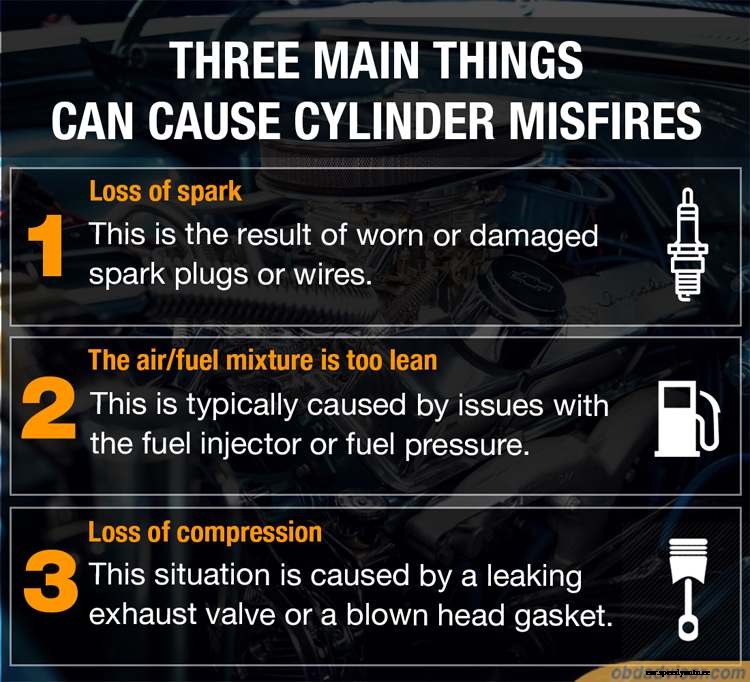
You will notice a significant loss of power from a driver’s perspective if you are experiencing misfires. It means one of the cylinders is not generating power, so in a four-cylinder engine, that is a 25% drop in engine output.
Other misfire signs include a sudden drop in fuel economy or a sudden increase in harmful emissions. The engine may also shake when it is idling. Sometimes, you can feel the vibrations through the steering wheel, and you can experience stalls.
Theoretically, you could drive thousands of miles with a misfiring cylinder in most vehicles. The other cylinders in the engine will continue to provide power, so though you may shake and stall along the wall (and will not get much in the way of speed or acceleration), the vehicle will still run.
That said, you should not drive a car with a misfiring cylinder any further than you have to. Many modern cars will go into “limp mode” when a misfire is detected, limiting the maximum speed and making the car annoying to drive.
So while you can drive for a while with a misfiring cylinder, the best answer is that you should only drive it as far as the nearest mechanic or safe place to stop, then make repairs before going any further.
Yes. It can be dangerous to drive with a misfiring cylinder. First of all, you could lose engine power completely if a second cylinder goes out, as well. This can lead to accidents if it happens when you are not expecting it.
Misfires can also cause engine damage over time. When you have misfires, the fuel in the chamber is not burning properly. This means fuel enters the catalytic converter and increases its heat, potentially causing damage. It can also damage the pistons and cylinders or cause warping in the valves and pistons.
The first step to making repairs is identifying the root of the problem. For most people, the easiest option is to head to a mechanic. That said, if you are a DIYer and want to give it a shot, here is how you can go about repairing a misfire:
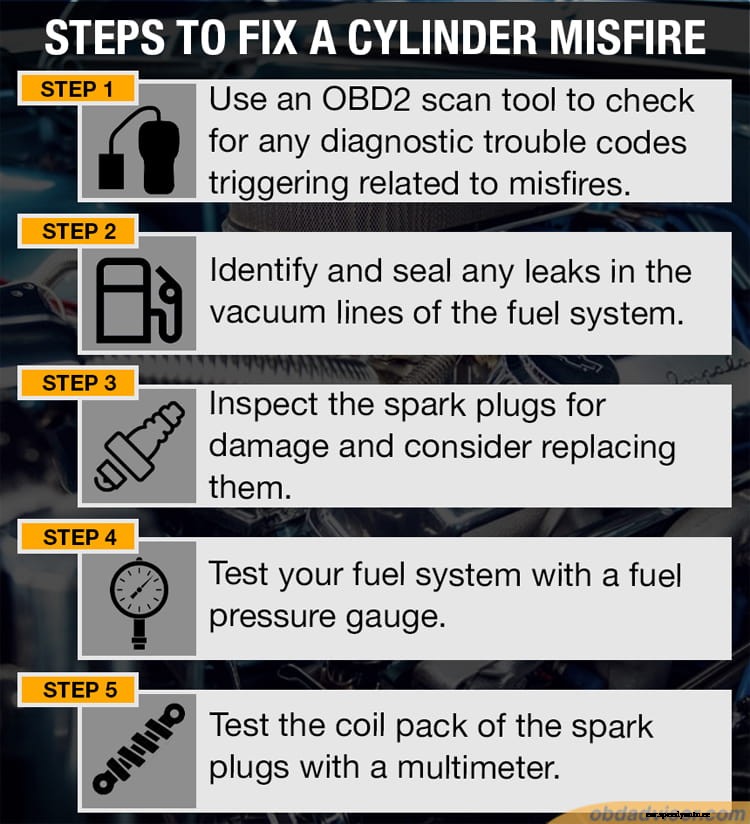
Step 1. Use an OBD2 scan tool to check for any diagnostic trouble codes that have triggered related to misfires. This can help to guide your diagnosis. Even codes unrelated to misfires can sometimes help, such as a code regarding the fuel delivery system, MAF sensor, or oxygen sensors, resulting from the same issues causing the misfire.
ANCEL AD310 OBD2 Code Reader
FOXWELL NT301 OBD2 Scanner
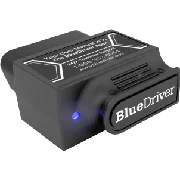
Bluedriver Bluetooth OBD2 Scanner
Step 2: Identify and seal any leaks in the vacuum lines of the fuel system. Air leaks are one of the leading causes of a bad air/fuel ratio, a common cause of misfires.
Step 3: Inspect the spark plugs for damage. If they are soiled with oil or worn, replace them.
Step 4: Test your fuel system with a fuel pressure gauge. If the reading is low or inconsistent, you likely need to replace the fuel filter or the fuel pump itself.
Step 5: Test the coil pack of the spark plugs with a multimeter. The resistance should be the same across the spark plug wires. If it is not, a coil needs to be replaced.
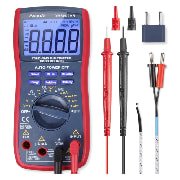
AstroAI TRMS 6000 Digital Multimeter
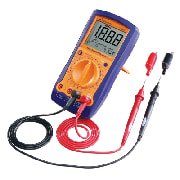
Actron CP7677 Digital Multimeter
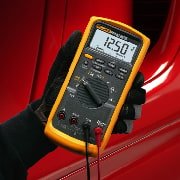
Fluke FLUKE-88-5 Automotive Multimeter
Since there are various potential causes for misfires, diagnosing, and repairing the problem can be tricky. This is one reason why it is often best to go to a mechanic unless you are an experienced DIYer.
Engine misfires can be dangerous and hazardous, so you want to take them seriously. An OBD2 code reader can be a very helpful tool in both identifying and repairing this problem. Once you’ve addressed the underlying cause, you can get back on the road worry-free.
Read the information about the P0300 – Random/Multiple Cylinder Misfire Detected HERE
