
According to the State of California, a record 29.1% of new vehicles sold in Q3 of 2025 were all-electric (BEVs). Essentially, one in every third passenger vehicle sold in the last quarter in California was fully electric. This is a historic moment as California continues to make progress on its plans to 100% electric car sales by 2035. With 10 years to go, the State is well on its way to reach its ambitious goal. That being said, the need for EV charging infrastructure is great to support all of these EVs on the road.
To assist with this, effective January 1, 2026, the 2025 California Building Standards Code (Title 24) brings major updates to electric-vehicle (EV) charging requirements for new construction and major renovations. These changes, found mainly in the Green Building Standard (known as CALGreen) (Part 11) and cross-referenced in CBC (Part 2) and Energy Code (Part 6), greatly expand EV-ready infrastructure across multifamily, hotel, and nonresidential projects.
If you design, build, or own property in California, understanding these new EV rules will be critical for code compliance, utility sizing, and cost control.
These changes effectively make 100% of new multifamily units EV-ready, a major leap from the 2022 code that required only 40%. Additionally, a requirement for Level 2 chargers still remains for certain sites.
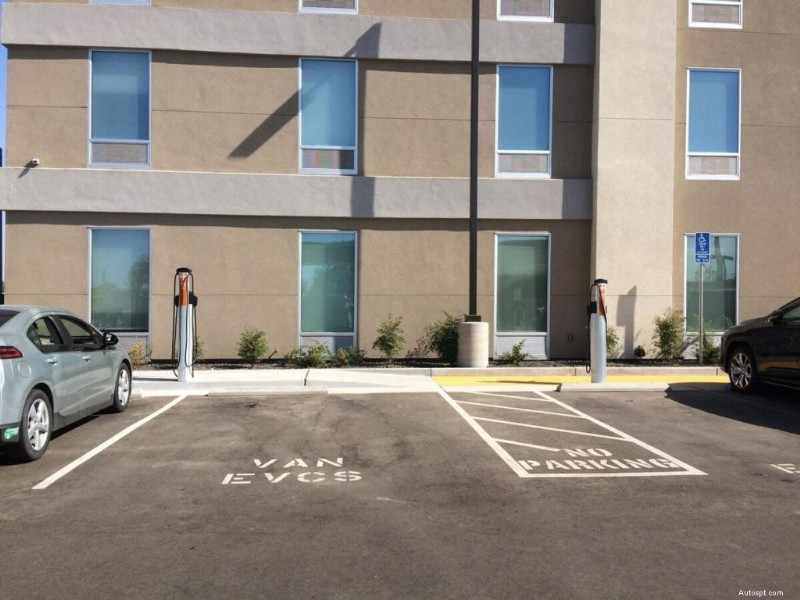
Hotels should plan for larger electrical service panels and conduit infrastructure to support for future EV demand. Hotels are a great choice for EV chargers since they offer drivers a convenient way to charge overnight. EV charging at hotels is quickly becoming a new standard amenity like breakfast and Wi-Fi.
TABLE 5.106.5.3.1 — EV CAPABLE SPACES AND EVCS
Total Number of Actual Parking SpacesNumber of Required EV Capable SpacesOther Than Office and Retail — Number of Required EVCSOffice and Retail — Number of Required EVCS1–900010–2542326–5084651–75136876–10017813101–150251219151–200351826201 and over20% of actual parking spaces50% of EV capable spaces75% of EV capable spacesThese updates continue to make EV infrastructure a baseline building amenity, not an optional upgrade. Additionally, as shown in the table above, there is a new column for office and retails projects. For example, large retail project with 200 parking spaces under the 2022 California Green Standards Code were required to provide 9 EV chargers. With the 2025 Code, that number increases to 26. Altogether, these updates increase the number of EV capable and EV chargers are installed at new developments.
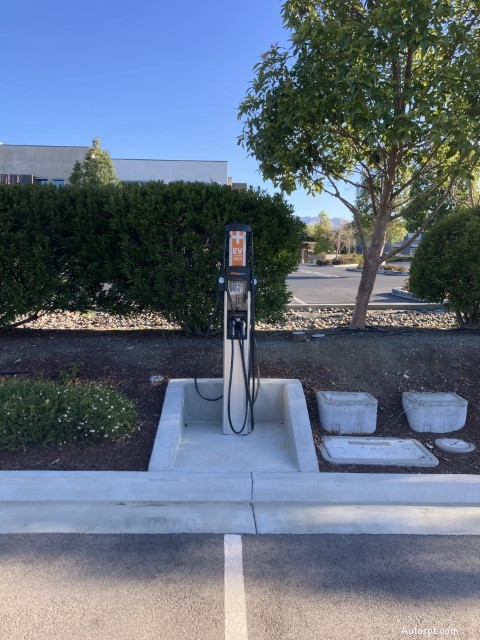
Projects adding or modifying parking spaces under a building permit must equip each new or altered stall with:
Minor exceptions exist for Level 1 (120 V) outlets in limited cases.
This ensures incremental retrofits contribute to statewide EV readiness.
It is important to note that cities and counties may adopt reach codes exceeding state minimums. Many jurisdictions, such as the City of San Luis Obispo, already mandate 100% EVSE-installed parking or higher power levels. As a result, it is recommended to always verify local amendments before design.
Summary
The 2025 California Building Code and CALGreen Code (Title 24 Parts 2 and 11) mark the most significant expansion of EV charging infrastructure requirements to date. By moving from “EV-capable” wiring to full EV-ready and installed Level 2 chargers, the state aims to future-proof new developments for the accelerating shift to electric vehicles.
Starting January 1, 2026, all new residential, hotel, and commercial projects in California must be prepared for an electric mobility future. While exceptions still exist, the amount of EV charging infrastructure at new developments will significantly increase with the latest California Building Code.
Should you have any questions about the new California EV charging requirements in the 2025 Building Code, please feel free to reach out to us at Charged Future. As a turnkey EV charging consultant, we help businesses of all kinds plan and install their EV charging projects.

Hi there! I’m the founder and project manager at Charged Future: the EV charging consultancy. Charged Future helps businesses achieve their EV charging goals. Specifically, I serve as the project manager for your EV charging project, which can save you both time and money! Additionally, I can search and apply to all eligible rebate applications, which can typically cover a large portion of the project cost.
Request a free quote for your EV charging project!
