
Is a gas engine better than a diesel? As a mechanic who handles all types, my answer: it depends on your driving, hauling, and longevity needs.
Gas and diesel engines have different strengths. Gas engines are smooth, affordable, and easy to maintain. Diesel engines focus on torque, durability, and efficiency during heavy use.
This guide compares gas and diesel engines from a mechanic’s view, so you can pick what fits your needs without sales talk.
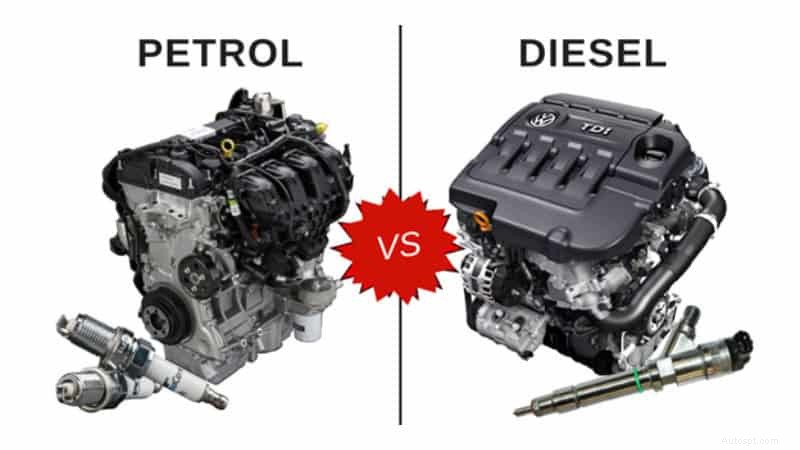
A gasoline engine is the most common engine type on American roads, powering cars, SUVs, and light trucks. I work on gas engines the most. They use spark ignition—spark plugs fire to ignite the gasoline-air mixture, producing power.
Gas engines have lower compression ratios than diesels. They rev higher and accelerate smoothly, making them more responsive in city and highway driving. They run quieter, vibrate less, and feel more refined—most daily drivers appreciate this.
Gas engines are popular for their simplicity and low cost. They’re cheaper to build, buy, and repair. Common parts like spark plugs and sensors are affordable and easy to find. Most repairs don’t need special diesel tools, so fixes are quick and affordable.
You’ll see gas engines in sedans, crossovers, minivans, and half-ton trucks not meant for heavy towing. They shine in stop-and-go traffic, short trips, and everyday commutes. If you care about comfort, low ownership costs, and easy maintenance, a gas engine is usually your best bet.
Diesel engines are built for power and durability. From my shop experience, they’re true workhorses. Diesel engines use compression ignition: air is compressed so tightly that diesel fuel ignites without spark plugs.
Because of this design, diesel engines operate at much higher compression ratios than gasoline engines. That high compression is what gives diesels their signature low-end torque, which is why they’re the top choice for towing, hauling, and heavy-duty use. When you’re pulling a trailer, carrying tools, or driving long highway miles under load, diesel engines stay strong and consistent.
Diesel engines also feature heavier internal components—stronger crankshafts, thicker cylinder walls, and reinforced pistons. As a result, they often last significantly longer than gas engines when properly maintained. It’s not uncommon to see diesel trucks with 300,000 miles or more still running solid.
Diesel engines are more complex and expensive to maintain. Modern diesels use turbochargers, high-pressure fuel injection, and emissions systems like DPFs and DEF. These controls cut emissions but raise maintenance costs and make repairs harder.
You’ll mostly find diesel engines in pickups, commercial trucks, RVs, and fleet vehicles. They’re best for drivers who tow a lot, log long highway miles, or depend on their vehicle for work.
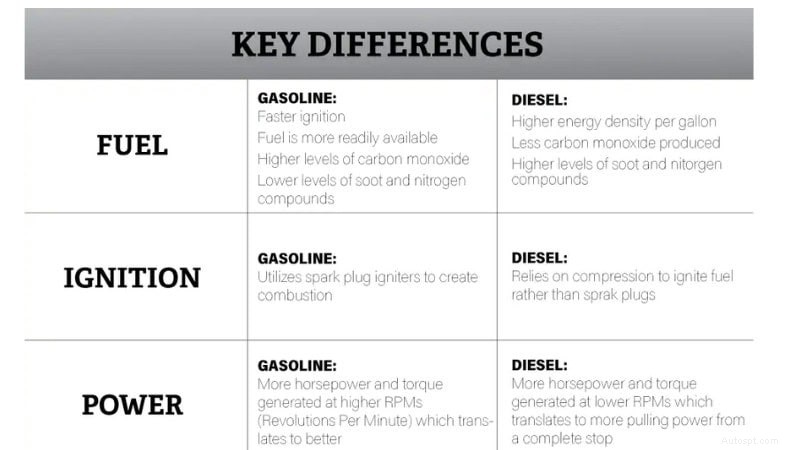
This section gives the side-by-side comparison customers want. The table below lists true differences between gas and diesel engines—no marketing.
Mechanic Insight
If you drive for work, school, or errands, a gas engine usually makes sense. If you tow, haul, or drive many highway miles, diesel pays off in the long run.
This comparison helps most buyers make a quick decision. But knowing the advantages and disadvantages is even more important, as is the next step.
Most vehicles in my shop run on gas. For everyday drivers, gas engines fit well into daily life. Here are the top gas engine advantages from a mechanic’s view.
One big advantage is lower up-front cost. Gas-powered vehicles are usually thousands cheaper than diesels. This helps first-time buyers, families, and anyone on a budget. Even for trucks, choosing gas saves at the dealership.
Gas engines are easier and cheaper to maintain. Parts are available and affordable. Most repairs don’t need special diesel tools, so costs stay low and predictable.
Gas engines run quieter and smoother, especially at idle and low speed. Less vibration and noise make for a more comfortable drive. For comfort, gas wins.
Gas engines start more easily in cold weather. They don’t use glow plugs, and gasoline doesn’t gel like diesel. Gas vehicles are more reliable in winter, especially for short trips and overnight parking.
Gas engines are made for city and short trips. Diesel engines need longer drives to keep emissions systems healthy, but gas engines handle city life easily.
Gas engines work well for most, but they’re not perfect. I always explain the drawbacks—especially for towing, hauling, or long-term use.
Gas engines make less torque at low RPM. Towing, hauling, or climbing hills is harder. You’ll rev higher, wear parts faster, and burn more fuel.
Gas engines don’t last as long as diesels. They run at higher RPMs and use lighter parts, so they wear faster. Even well-maintained, a gas engine rarely outlasts a diesel.
Gas engines do fine on fuel for daily driving. But add a trailer or heavy load, and mileage drops fast. They burn more gas than diesels when towing.
If you tow often or drive long stretches of highway, gas engines struggle. They downshift, run hotter, and burn more fuel than diesels.
For work like construction or farming, a gas engine won’t last as long. Heavy loads mean faster wear and more repairs.
Diesel engines are for work, not errands. They’re strong, efficient, and built to last. Here are the top advantages of diesel engines, based on years in the shop.
Diesels make a lot of torque at low RPM. They excel at towing, heavy loads, and tough climbs. Power comes instantly, without high revs.
Diesel fuel holds more energy than gasoline, so diesel engines get better mileage—especially on the highway or when towing. If you rack up miles or tow a lot, you save on fuel.
Diesels use stronger parts for high compression. That’s why they last longer. With good care, many go past 300,000 miles.
If your truck is a tool, not just for driving, diesel is best. Contractors, farmers, RV owners, and fleets rely on diesel for serious power and long-term reliability.
Diesel trucks hold value better. People know diesels last, so even with high miles, they sell well.
Diesels are powerful and durable, but not for everyone. Many owners are surprised by the downsides. Here’s the mechanic’s view.
The biggest downside is cost—diesel trucks cost thousands more up front. If you don’t tow or haul often, you might not recoup that money.
Diesel engines have complex, expensive parts—high-pressure injectors, turbos, fuel pumps, and emissions systems. Labor costs are higher, and not all shops work on diesels.
Modern diesels use a DPF and DEF for emissions control. They work best on long drives. Short trips can clog filters and lead to costly repairs.
Diesels are louder and vibrate more, especially at idle. New models are better, but they’re still not as smooth or quiet as gas engines.
Diesels struggle in cold weather. They need glow plugs to start, and diesel fuel can gel when it’s really cold. Winter driving is harder without a proper setup.
Diesels like steady, long drives. Lots of short trips keep the engine and emissions systems from warming up, leading to more wear and repairs.
For daily driving, here’s where the debate ends. I always ask: how do you really use your vehicle? For most folks, daily habits matter more than towing specs or numbers on paper.
Gas engines are better for normal commuting. They warm up fast, love stop-and-go, and don’t mind short trips. If your days are work, school, and errands, gas engines stay reliable and efficient—plus, maintenance is simple, and emissions systems don’t cause headaches.
Gas vehicles are quieter and smoother—great for long commutes. If your routine is mostly city streets and short highway trips, gas is the smart, economical pick.
You can daily drive a diesel, but it’s not ideal for everyone. Diesels want long, steady highway runs. Short trips keep the engine cold and can clog up emissions systems, leading to warning lights and repairs.
If you drive long highway miles daily, diesel can work. But for city-focused driving, higher maintenance costs usually outweigh any fuel savings.
Mechanic’s Verdict
For most daily drivers in the U.S., gas wins. Diesel is only worth it for long highway miles or regular heavy loads.
When towing or heavy work comes up, the gas vs diesel decision is all about the right tool for the job—not just what feels good on a test drive.
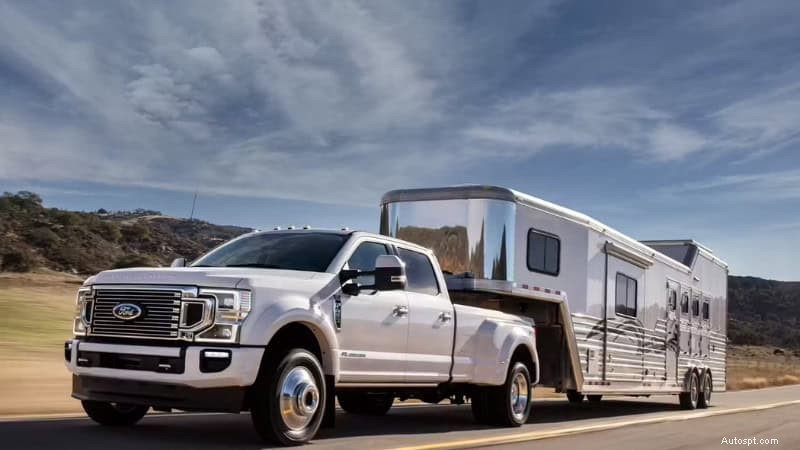
Diesels dominate towing and heavy-duty work. Their big low-end torque means trailers get pulled with less engine and transmission strain. Whether it’s a camper, boat, or work trailer, diesels keep steady power and don’t downshift all day.
Diesel trucks also have powerful engine braking on downhills, saving your brakes and giving better control. For work crews, RVers, and fleets, diesels deliver reliable performance under load every day.
Gas engines can tow, but they’re better for light to moderate loads. They need higher RPMs for power, so fuel use and wear go up under heavy towing. On steep hills or long hauls, gas engines downshift more and run hotter than diesels.
Modern gas engines are much better than they used to be. For occasional towing—a small camper or utility trailer—a gas engine is cost-effective and avoids diesel’s higher costs.
Mechanic’s Verdict
If you tow frequently or tow heavy loads, diesel is the smart long-term choice. For light or occasional towing, gas is usually enough—and way cheaper to own.
I get this question all the time: “Which costs less over the years—gas or diesel?” The answer depends on how you use your vehicle, but as a mechanic, the cost differences are real.
Gas engines are cheaper to buy and insure. You save money right away. Diesel costs more upfront, and you’ll only make that back if you really use its strengths.
Over time, gas engines cost less to keep up. Oil changes and parts are cheaper, and repairs are simpler. Diesels need pricier oil, fuel filters, and emissions service—plus, repairs get expensive fast.
Diesels get better mileage, especially on highways and when towing. If you drive a lot or haul, those savings help. For city or low-mileage drivers, fuel savings rarely cover the higher costs.
Diesels last longer—if used right. Short trips and light use can shorten a diesel’s life due to problems with the emission system.
Mechanic’s Verdict
For most drivers, gas engines are cheaper to own in the long term. Diesel only saves money if you tow a lot, drive long distances, or use your truck for work.
Environmental impact is another major factor when comparing gas vs. diesel engines, especially given today’s strict U.S. emissions standards. As a mechanic, I see firsthand how these systems work in the real world—not just on paper.
Gasoline engines put out less soot and fewer nitrogen oxides than old diesels. Modern gas vehicles use simple, reliable emissions systems. For daily drivers, gas engines meet emissions standards with fewer long-term problems.
Diesels burn less fuel and make less CO₂ per mile, but they produce more soot and NOx. Modern diesels use DPF and DEF systems to control these pollutants.
These systems work best on long drives. Short trips can clog filters, trigger warnings, and lead to expensive fixes—something many owners don’t expect.
In the real world, city-driven gas engines have fewer emissions headaches. Diesels only shine environmentally when you use them for long highway drives and heavy loads.
Mechanic’s Verdict
For short trips and light duty, gas engines are cleaner and simpler. Diesels are efficient when worked hard—but only if you drive them right.
After years in the shop, here’s my advice: It’s not about what’s toughest or most popular. It’s about how you use your vehicle.
Choose a Gas Engine If:
For most families, commuters, and casual truck owners, gas is the practical, cost-effective choice. It’s easier to live with and less demanding over time.
Choose a Diesel Engine If:
Diesel engines shine when they’re worked hard. If you don’t use that capability, you’ll pay more without seeing the benefits.
Final Mechanic Advice
Don’t buy a diesel just because it “sounds tougher”—and don’t skip it if you really need it. Pick the engine that matches your daily habits, and you’ll save money and avoid hassle down the road.
In general, diesel engines last longer than gas engines because they’re built with heavier-duty internal components and operate at lower RPMs. That said, longevity depends heavily on how the vehicle is used. A diesel that only does short city trips can develop emissions problems and may not last as long as a well-maintained gas engine. When used correctly—on long drives and for regular towing—diesel engines often exceed 300,000 miles.
Yes, diesel engines usually cost more to maintain. Oil changes are more expensive, fuel filters need regular replacement, and parts like injectors, turbos, and emissions components cost significantly more. Gas engines are simpler and cheaper to service, which is why they’re more affordable for average drivers.
Diesel engines produce high torque at low RPM, which is exactly what towing requires. This allows diesel trucks to pull heavy loads without revving high or stressing the transmission. Gas engines can tow, but they require higher RPMs and burn more fuel to do the same job.
Diesel fuel is often slightly more expensive than gasoline, though prices vary by region and season. While diesel engines get better fuel economy, higher fuel prices can reduce savings—especially for drivers who don’t drive long distances or tow regularly.
They can, but it’s not ideal. Frequent short trips don’t allow diesel engines to fully warm up, which can cause issues with the emissions system, such as clogged DPF filters. Gas engines handle city driving much better with fewer long-term problems.
Gas engines are generally better in cold weather. They start easier and don’t rely on glow plugs or special fuel additives. Diesel engines can struggle in extreme cold unless properly equipped and maintained.
There’s no one-size-fits-all answer—only the engine that fits your life. From years in the shop, the biggest mistake is buying on reputation, not real-world needs.
Gas engines cost less to buy, are easier to maintain, and run quieter—perfect for short trips and city driving. That’s why they’re the best choice for most U.S. drivers and families.
Diesels are built for power, efficiency, and long life under heavy load. If you tow, haul, or drive long miles for work, diesel can be a smart investment—if you use it the way it’s meant to be used.
Bottom line: Match the engine to your driving habits. Do that, and you’ll avoid expensive repairs and enjoy your vehicle for years.
