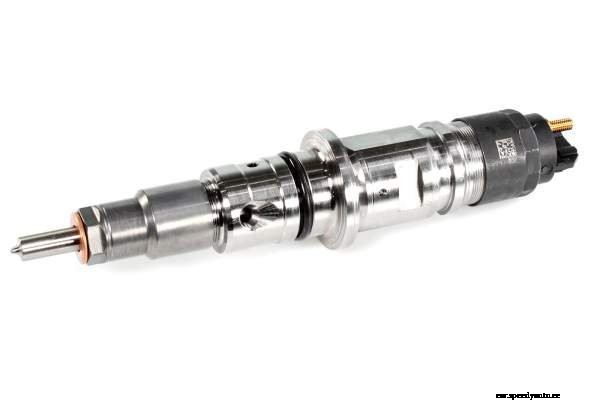
Black Engine Smoke In Cummins ISB? Common Rail Fuel Injector Failure Symptoms
Black engine smoke in your Cummins ISB diesel engine could be a result from common rail injector failure.
We’re taking you through this problem so you can better understand what’s going on in your engine, and so that you can prevent these problems in the future!
Need more information on common rail fuel injectors? Call the DFI phone number (855) 212-3022 or stop by our location in Bay City, Michigan.
Why Do I Have Black Exhaust Smoke Coming From My Cummins ISB?
Black smoke is most commonly associated with failing fuel injectors. This occurs when the air-to-fuel ratio is not balanced, and there’s too much fuel or not enough oxygen.
If you have black smoke, your truck is not getting the fuel mileage that it should. Simple as that.
If there’s a mechanical fault in your engine, and you don’t get enough air, combustion won’t be able to occur properly. Improper burning means the fuel doesn’t burn completely, resulting in that thick black smoke coming out of your exhaust.
What Kind Of Mechanical Problems Are Indicated By Black Smoke?
Faulty Fuel Injectors
Fuel Injectors Sticking
Bad Injection Pump
Bad Air Filter
Bad EGR Valve
Diesel Engine Part Options For Your Cummins ISB Common Rail Injector
At DFI, we don’t sell inferior fuel injectors from discount suppliers. We only sell you the best quality fuel injectors for your needs, at fair, affordable prices. Not only that, we’re a reputable, OE-Certified remanufacturing facility with over 40 years experience.
Our expert technicians solve virtually any diesel fuel system problem, offer you a fast and accurate estimate, and provide expert repair and installation advice, so you can make a confident purchasing decision.
We know that you need to get parts fast to service your customers. That’s why we at DFI make sure that we have readily available fuel system parts for your specific diesel engine and can typically ship your parts the same day.
Our injectors are remanufactured to the highest quality standards, with upgraded partsthat meet or exceed OEM specifications. Parts are tested using the latest OE-approved diagnostic testing equipment and technology.
All wearable components are replaced with new OE parts and meet the latest emissions requirements.