
Dan Ferrell writes about do-it-yourself car maintenance and repair. He has certifications in automation and control technology.
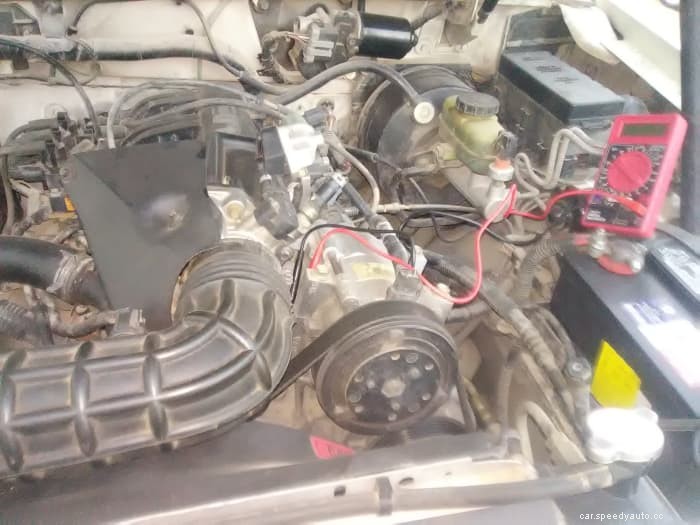
Camshaft position sensor symptoms can manifest in various ways and may include:
Depending on your particular vehicle model, the ECM (electronic control module or car computer) may use the CMP sensor to synchronize and sequence fuel injectors and/or set direct ignition timing.
However, these symptoms are not exclusive of a bad or failing CMP sensor. Furthermore, depending on the particular fault and vehicle model, one or more of these symptoms may be present. If a failing sensor meets the enable criteria programmed into the car's computer, the fault will trigger the Check Engine Light (CEL).
So you won't necessarily see the CEL turn on. Even if the engine light comes on and you retrieve a CMP sensor fault trouble code, it's a good idea to test the sensor to make sure you are dealing with a faulty component, a fault in the wire or connector or a related component.
The next sections will help you test your CMP sensor. You may want to have the vehicle repair manual for your particular vehicle make and model. The manual gives you the electrical value specifications, specific tests you may run for your sensor, help you identify wires and locate the sensor, if necessary.
If you don't have a copy of the manual yet, you can buy a relatively inexpensive copy through Amazon. Haynes manuals come with step-by-step procedures and images for many maintenance, troubleshooting and component replacement projects.
| Table of Content |
|---|
I. Camshaft Sensor Types |
II. Camshaft Sensor Location |
III. Camshaft Position Sensor Visual Inspection |
IV. Camshaft Position Sensor Test |
Testing a Magnetic type CMP Sensor |
Testing a Hall Effect Type CMP Sensor |
V. Camshaft Position Sensor Codes |
VI. Camshaft Position Sensor Replacement |
VII. What If My CMP Sensor Tests OK? |
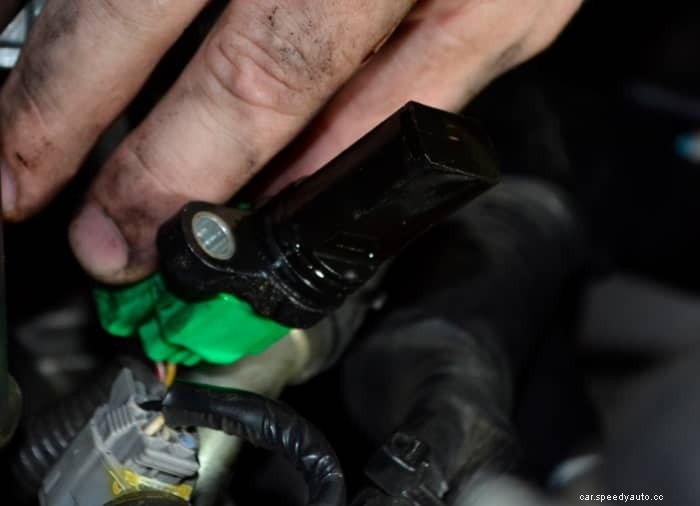
In general, you can find two types of camshaft position sensors:
Make sure you know what type of sensor you have in your system. On some models a magnetic type may have a third, shielded wire used to cancel noise. If necessary, consult your vehicle repair manual.
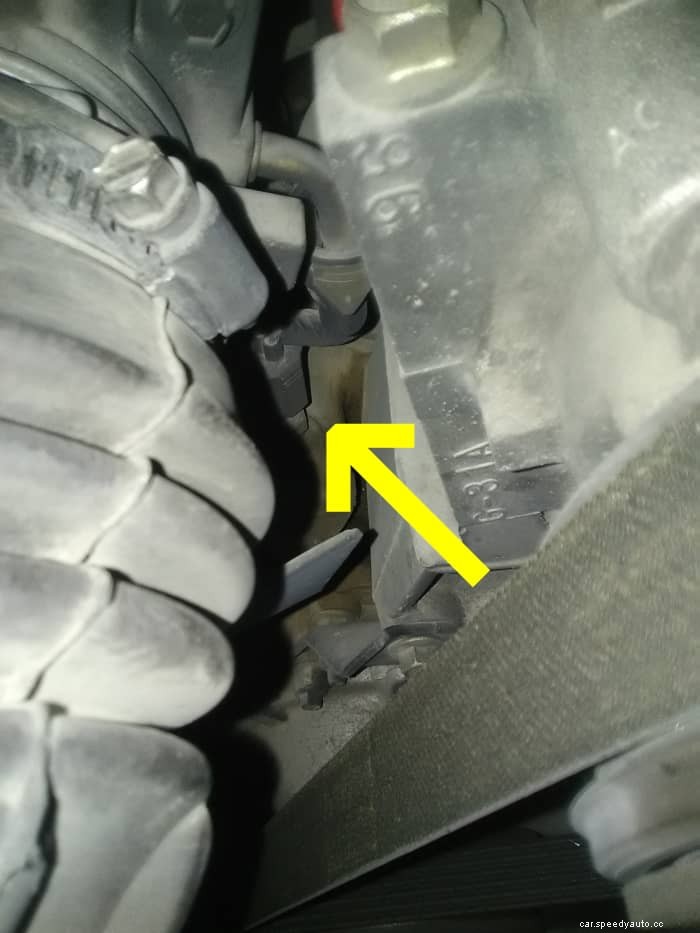
Broadly speaking, you'll find the sensor on top of the engine, on the left side of the valve cover or the front of the engine right by the camshaft sprocket.
Also, keep in mind that, depending on your particular model, you may have more than one CMP sensor. Your vehicle repair manual will help you locate and identify the sensor, if necessary.
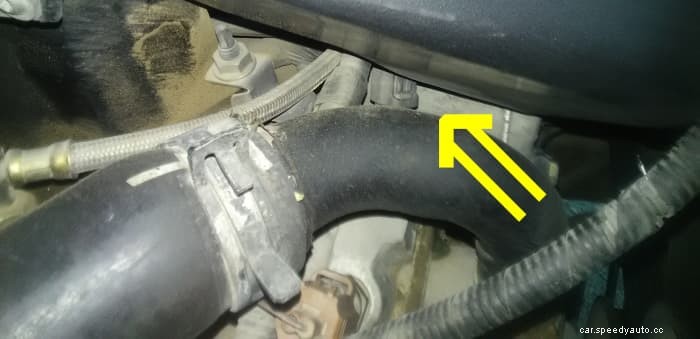
Before testing the sensor or circuit wires, make a visual inspection. Damage or contamination of a sensor or wiring can prevent a CMP sensor from sending the required signal to the computer.
Check the connector for:
Check the wires for:
And, depending on the sensor location and accessibility, decide how your are going to test the sensor.
When testing the CMP sensor:
Back probe the CMP sensor, if at all possible, to prevent damage to the sensor, wires or connector.
Another alternative is to unplug the sensor and place a copper strand on each terminal pin and then plug the connector back. Use the strands of copper sticking out of the connector as DMM connecting points during your tests.
If none of these alternatives is possible, you may pierce the sensor wires with a pin. Just make sure to repair the pierced points with electrical tape to prevent corrosion from creeping under the insulation and damaging the wires.
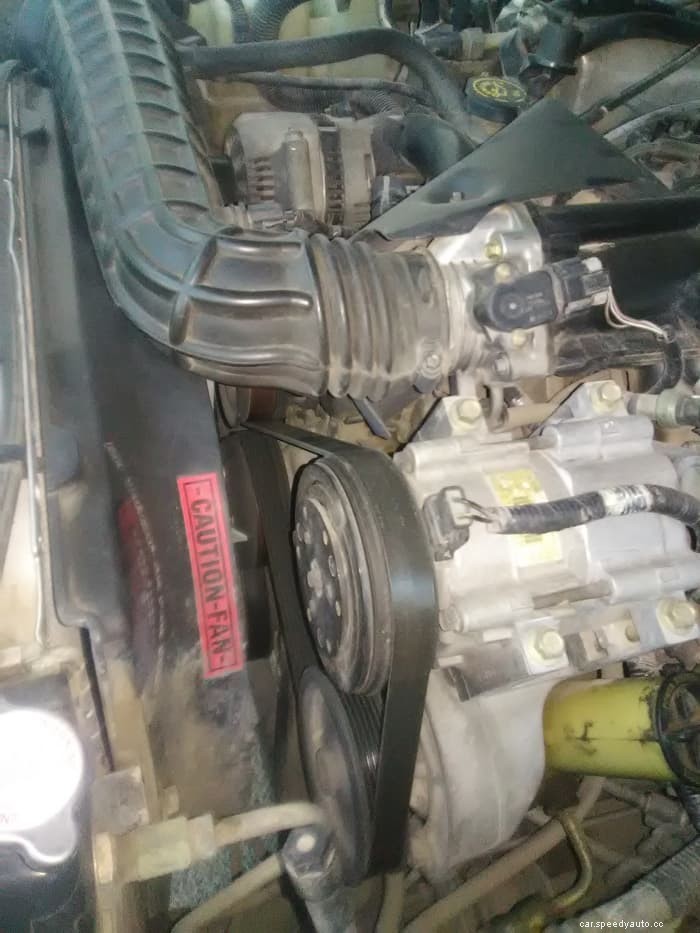
Usually, the CMP sensor signal has a low frequency at idle that a fairly decent DMM is able to read both sides of the wave. So, you may see the measured voltage signal fluctuating on your DMM display.
Magnetic type CMP sensors produce their own AC (sine wave) signal. You'll need a digital multimeter (DMM) that can test for AC (alternating current) voltage.
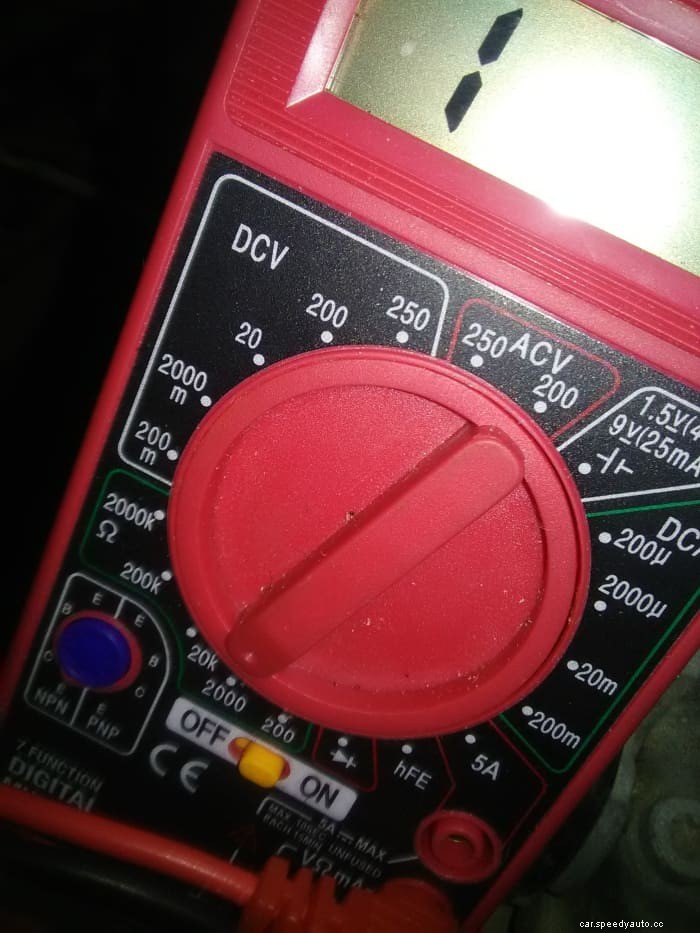
Camshaft position sensor resistance test
You can also measure your CMP sensor resistance. Look up the resistance value for your sensor in your vehicle repair manual.
Set your multimeter to Ohms and touch your meter leads to the sensor terminal pins. If there is infinite resistance, the sensor is open and you need to replace it. On some models, you'll get a resistance value between 200 and 900 ohms. Consult your repair manual specifications.
Camshaft position sensor bench test
If you have easy access to the CMP sensor and can remove it from the vehicle, you can bench test the sensor as well.
Set your DMM to AC volts and connect the meter leads to the sensor connector pins.
Pass a metal object, a blade for example, in front of and close to the sensor's magnet. You should see a pulsing voltage signal every time you pass the object in front of the magnet; otherwise, the sensor is not working.
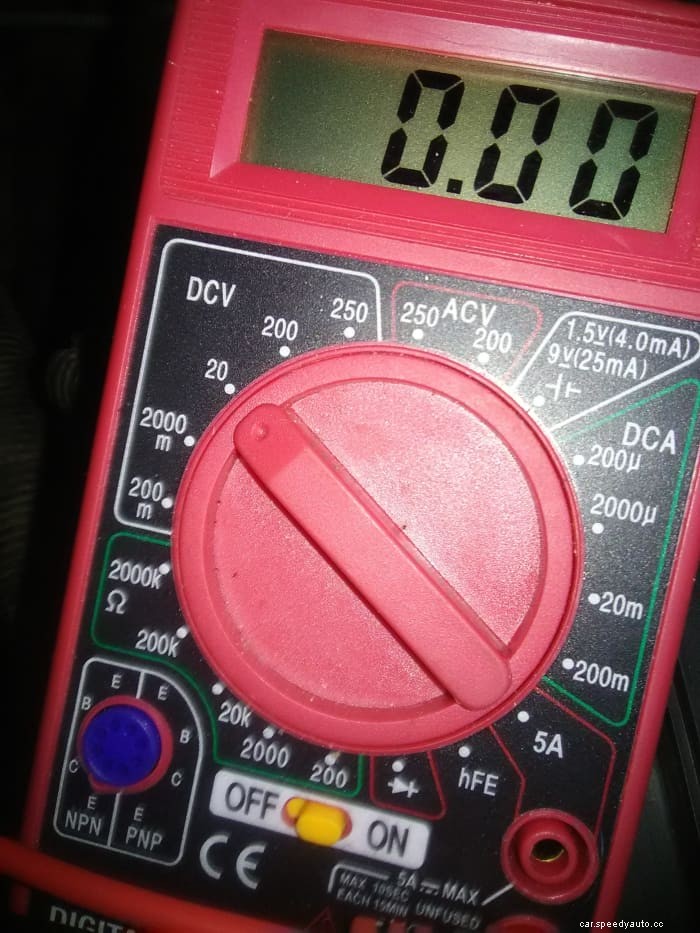
A Hall effect sensor produces a squared, digital signal, representing the highest and lowest voltage points.
If your signal values seems to be off the mark, but power and ground values are OK, replace the CMP sensor. Consult your vehicle repair manual for the electrical value specifications for your particular model, if necessary.
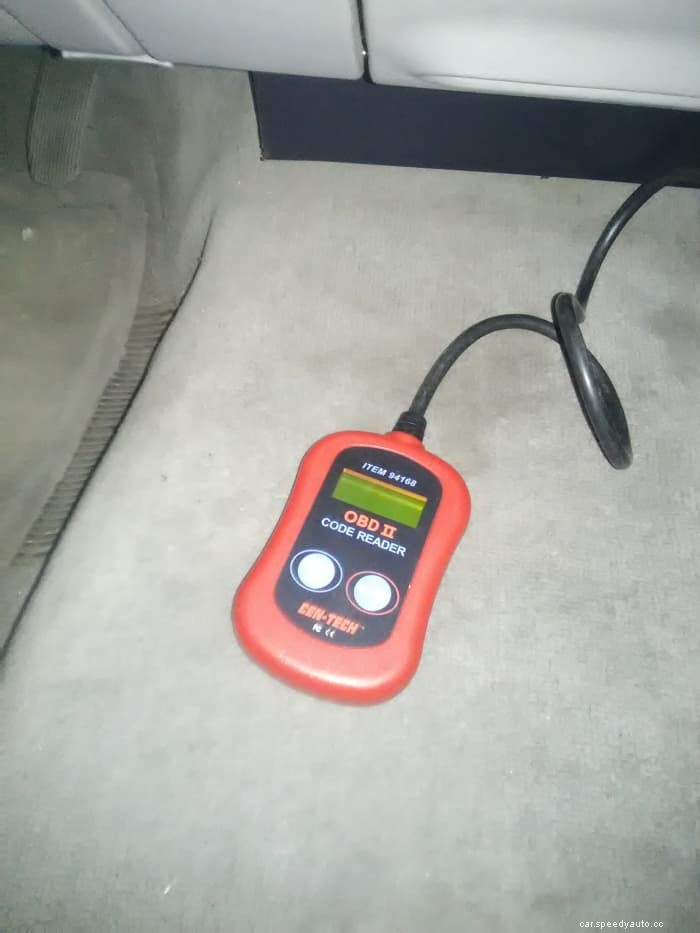
Often, a problem with the camshaft position sensor, or its circuit, will trigger the check engine light. In this case, you'll find one or more diagnostic trouble codes (DTC) associated with this sensor. These codes may include one or more of the following:
P0340. This code may indicate
P0341:
P0342:
P0343:
P0344:
P1340:
P1341:
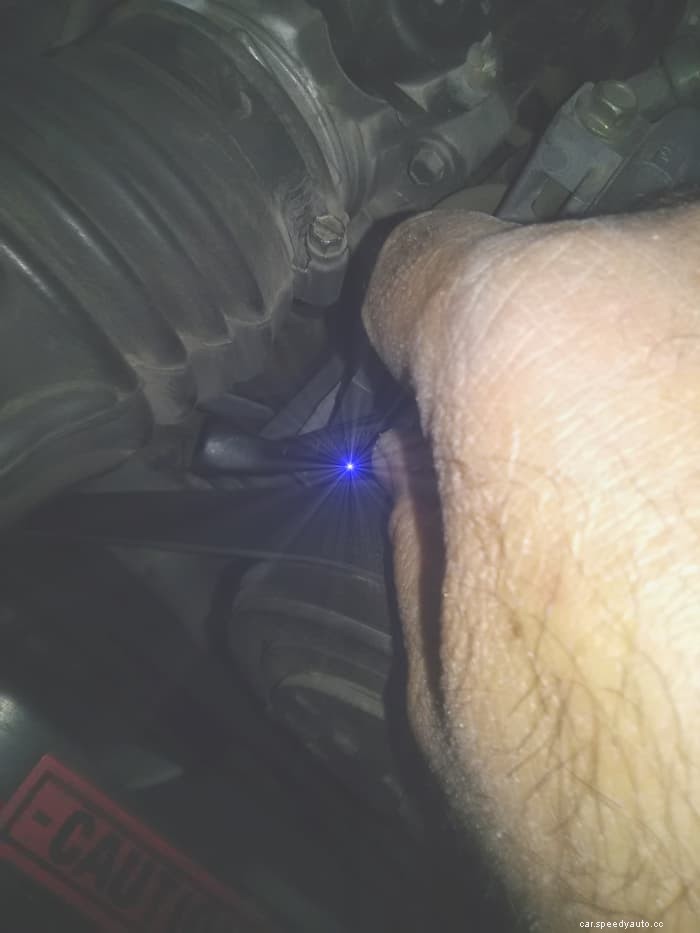
Usually, replacing the CMP sensor is a straightforward operation. Depending on your particular vehicle model, you may need to remove one or more components to gain access to the sensor. Then, unscrew one or two mounting bolts and remove it.
Match the new sensor to the old one to make sure you got the correct replacement and install it.
If necessary, consult your vehicle repair manual.
If you didn't find anything wrong with your CMP sensor, connector or wiring, don't forget to check your timing belt or chain, specially if you haven't replaced the belt in five years or more. A loose, overstretched, faulty belt, chain or related component will prevent the sensor from doing its job.
This article is accurate and true to the best of the author’s knowledge. Content is for informational or entertainment purposes only and does not substitute for personal counsel or professional advice in business, financial, legal, or technical matters.
