
Dan Ferrell writes about do-it-yourself car maintenance and repair. He has certifications in automation and control technology.
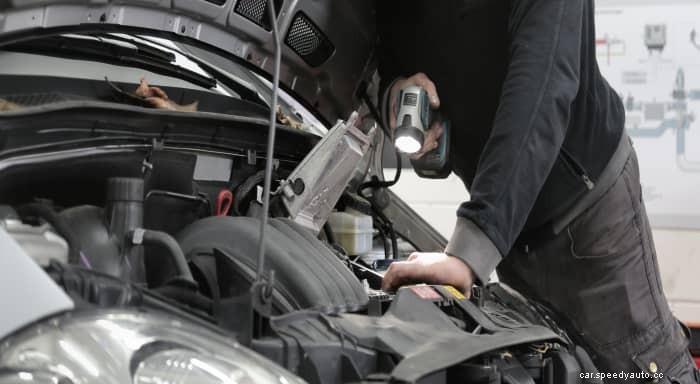
When we say an engine runs cold, we mean it’s not reaching full operating temperature.
The most common reasons for the temperature to remain low include:
You may notice one or more of the following symptoms:
The following sections will help you diagnose the most common faults behind an engine running cold or taking longer to warm up.
Having the repair manual for your particular vehicle model not only helps you diagnose but repair your cooling system faster. The manual gives you strategies and lists measurement specifications for your specific model.
If you don’t have this manual yet, you can buy one through Amazon. Haynes manuals come with step-by-step procedures for many maintenance, component replacement, and troubleshooting tasks you can do at home. So you’ll be using your manual often and saving money on common maintenance tasks and simple repairs, and complex repairs as well, as you become familiar with it.
Here are four checks you can do, described below.
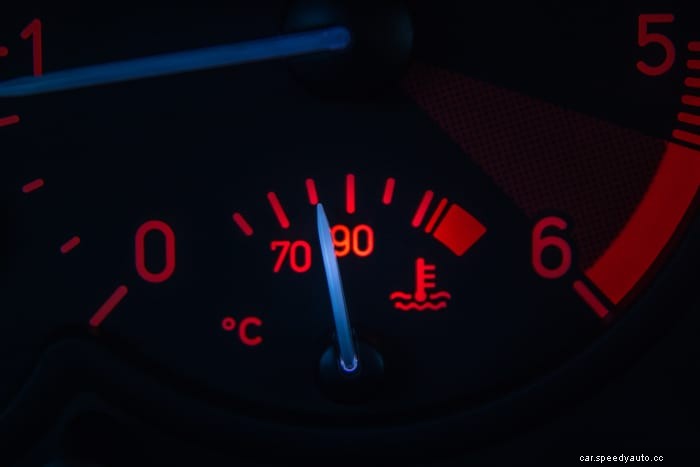
Before you begin looking for a faulty engine component causing your engine to run cold, it’s important to do a couple of preliminary checks.
Problems that may cause a temperature gauge to read low may include:
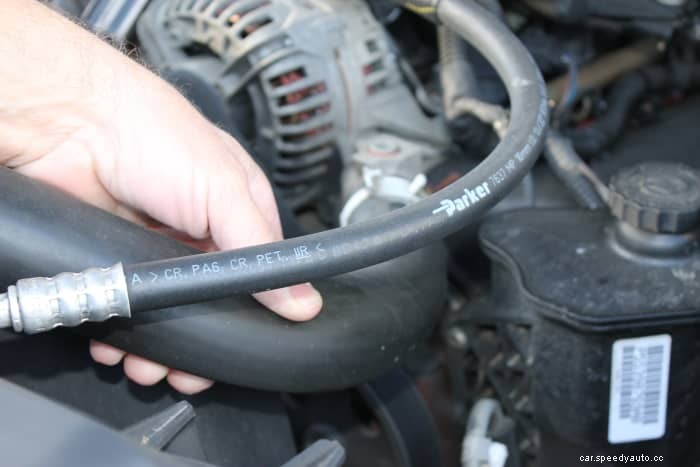
A car thermostat stuck open is often the cause behind an engine running below normal operating temperature.
A thermostat is a small device designed to sense engine temperature and control coolant flow from the engine to the radiator. It basically reduces coolant flow when the engine is below operating temperature and increases flow when the engine is above operating temperature.
You can normally find the thermostat housing by following the upper radiator hose to where it connects to the engine. If necessary, consult your vehicle repair manual.
Thermostats are rated for different temperature ranges, depending on the specific vehicle model. A typical thermostat operates between 180º F and 195º F (82º C and 91º C).
On some vehicle models, it’s easy to diagnose a thermostat.
Take a look through the radiator opening to see any motion in the coolant.
On some vehicle models, checking thermostat operation is easier with a digital or infrared thermometer.
Another way to check a thermostat is to remove it from the engine and make a visual inspection of it. A thermostat should be at its closed position when at ambient temperature.
Try submerging the thermostat in boiling water; it should open. If you take the thermostat out of the water it should close. If it doesn't act as it should, replace the unit.
Consult your vehicle repair manual to locate the thermostat and best test method for your application, if necessary.
In the following video, the owner of a BMW model explains how he changes a thermostat to fix his engine running too cold.
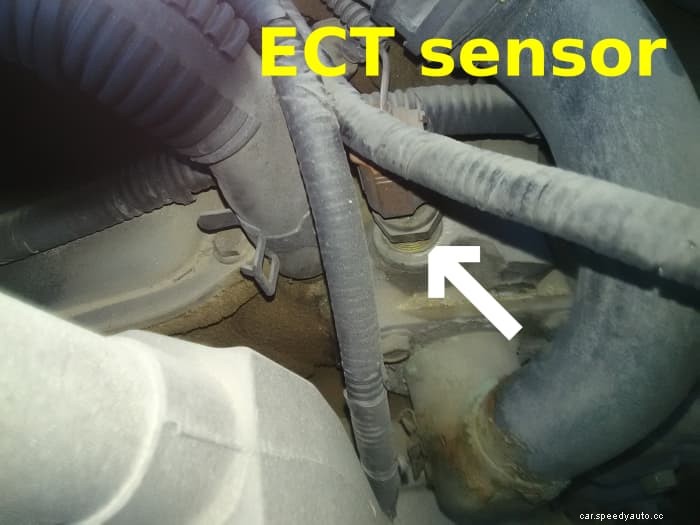
Vehicles with electric cooling fans use an electric motor and a thermostatic switch to operate the fans. The switch is usually an engine coolant temperature (ECT) sensor.
The ECT sensor is a thermistor that reduces electrical resistance as temperature increases. This variable resistance changes the voltage signal sent to the car’s computer. This is how the computer knows when to turn on the cooling fans.
However, problems with the fan switch or circuit may cause the cooling fans to operate continuously, causing the engine to run below operating temperature.
You can easily check the ECT sensor in your vehicle using an ohmmeter.
Compare your readings to specifications. You can find ECT sensor resistance values for your car in the vehicle repair manual for your specific model.
The cooling fan relay in the circuit may become stuck and keep the cooling fan operating continuously. This may prevent the engine from reaching its ideal running temperature. If necessary, troubleshoot the fan relay.
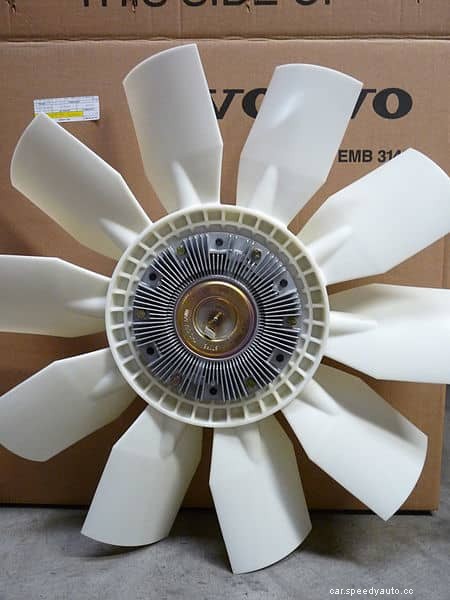
Some vehicles use an engine-powered fan to help remove heat from the engine. The fan is mounted on the front of the engine, bolted to the water pump hub and pulley.
The engine-powered fan may operate through a thermostatic fan clutch. This is an oil flow control mechanism with a temperature-sensitive thermostatic spring.
When the engine is cold, the spring allows the clutch to slip, allowing the engine to reach operating temperature. Once the engine is warmed, the spring locks the clutch. This causes the fan to start spinning, forcing air to circulate around the engine.
When it fails, the fan clutch may lock up and cause the fan to run continuously.
To do a quick fan-clutch check:
Check the fan.

Although your vehicle may seem to be OK otherwise, an engine running at lower than operating temperature can suffer severe internal damage over the long run.
As soon as possible, make sure you find out why your engine is running cold. Failure to make a simple fix now can turn into an expensive repair later.
This content is accurate and true to the best of the author’s knowledge and is not meant to substitute for formal and individualized advice from a qualified professional.
