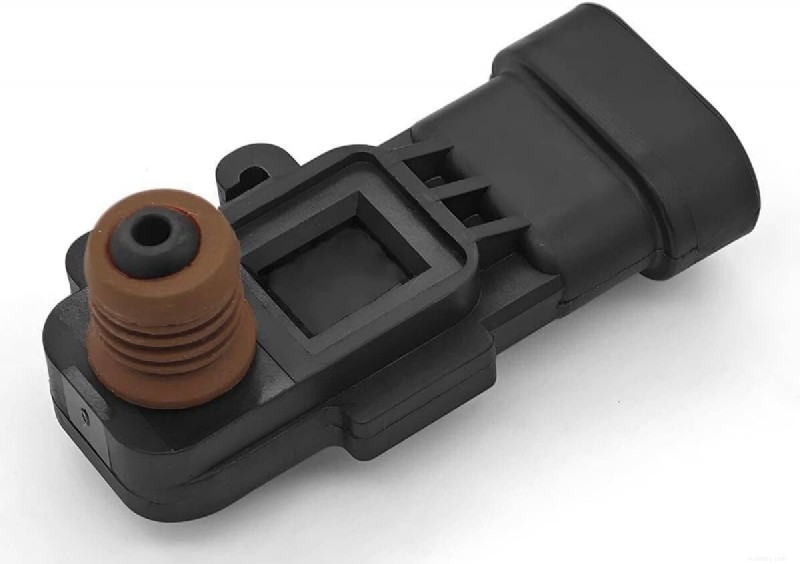
The P0451 code indicates that your car’s engine control module (ECM) has detected an abnormal reading coming from the fuel tank pressure sensor (below), which is part of the EVAP (Evaporative Emission Control) system. This system captures and controls fuel vapors so that they don’t escape into the atmosphere, feeding them back into the engine on startup so they can be burned. When the pressure sensor is not reading correctly, the ECM can’t properly monitor the fuel vapor pressure, which triggers the Check Engine Light (CEL).
As is the case with many other diagnostic trouble codes (DTCs), this one is generic or universal, so it’s applicable to any car manufactured from 1996 onward and using the EOBD or OBD-II diagnostic standard. This means that P0451 on Ford F-150 models has the same definition as P0451 on Chevy Silverados, or any other brand or model, for that matter. The P0451 code is commonly seen on vehicles like Chevy and Ford trucks, as well as Honda, Toyota, Hyundai, and other vehicles that rely heavily on EVAP monitoring.
Juvenile yellow sac spiders have been known to be attracted to the hose material of some types of fuel lines, and spider nests blocking fuel systems have been the cause of recalls in the past.
You may notice one or more of the following symptoms if your car shows the P0451 code:
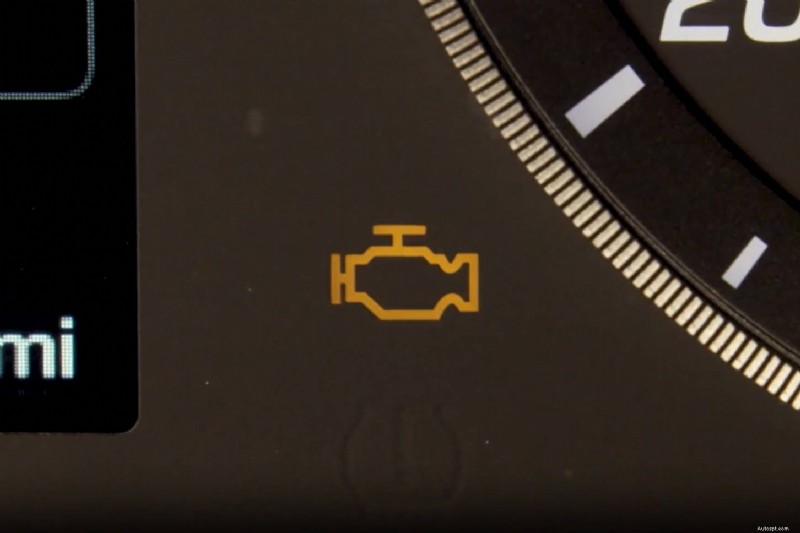
This is one of the few emissions-related codes that often does not have any effect on how the car drives.
A competent technician will typically perform the following actions:
A: Start with the simplest and cheapest fix — checking and tightening the gas cap if it’s not on tightly or misaligned. If the CEL persists, inspect and test the fuel tank pressure sensor and EVAP hoses and lines.
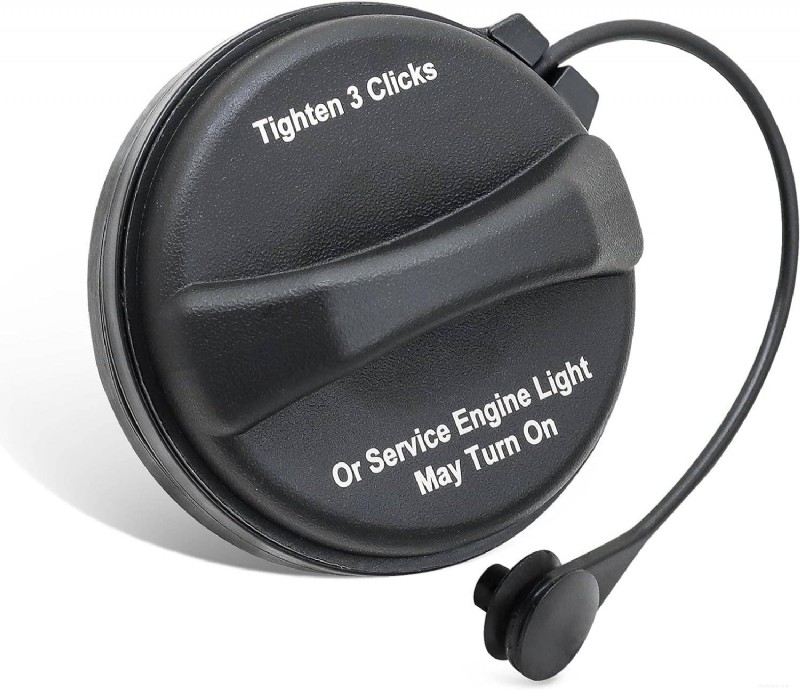
A: It’s not very serious for driving, as it won’t have a detrimental effect on your car’s health, and won’t cause damage, but the car will fail emissions testing and may emit higher fuel vapor emissions.
A: Yes, this is one of the most common causes, and simply tightening the gas cap properly so it can seal well often fixes the problem. If it won’t seal, replacing it is usually a permanent fix.
A: It’s typically on or inside the fuel tank, but it can also be mounted on the fuel pump assembly. In some vehicles, it is placed on top of the tank or near the EVAP charcoal canister.