P219A Code: Bank 1 Air/Fuel Ratio Imbalance
The P219A code indicates that your vehicle’s engine control module (ECM) has detected an air-fuel ratio imbalance on Bank 1, which is the side of the engine that contains cylinder number 1. This means the mixture being delivered to the engine is either too lean (too much air) or too rich (too much fuel), and both of these conditions can affect the engine’s performance, emissions, and fuel efficiency.

Mechanic working under car hoodPhoto by Christian Buehner on Unsplash
The code is especially common on direct-injection engines, but it can appear on many types of vehicles. It’s an example of one of the many universal or generic diagnostic trouble codes (DTCs) that can apply to any vehicle built from 1996 onward and that uses the OBD-II or European EOBD onboard diagnostic system. In other words, the EOBD DTC P219A on a German BMW will have the same definition as the OBD-II P219A code on Chevy vehicles built right here in the US.
What Causes a P219A Code?
Common causes of this code include:
- A defective or aging oxygen sensor (especially the upstream O2 sensor)
- Vacuum leaks in the engine’s intake system
- A dirty or failing MAF (Mass Airflow) sensor
- Leaking or blocked fuel injectors
- Low fuel pressure due to a weak fuel pump or a blocked fuel filter
- Exhaust leaks before the O2 sensor
- Poor-quality or contaminated fuel
- Connector or wiring issues affecting sensor readings
You may notice one or more of the following symptoms:
- The Check Engine Light (CEL) has come on
- The engine has a rough or unstable idle
- The engine hesitates or stumbles
- Poor fuel consumption
- A failed emissions test
- Mild engine shake or vibration at idle
In many cases, the vehicle may still drive normally, but the imbalance can worsen over time if it is not corrected.
How to Diagnose the P219A Code
A proper diagnosis includes:
- Scanning for other related trouble codes, especially fuel trim, misfire, or oxygen sensor codes.
- Check fuel trims using an OBD-II scan tool. Fuel trims that are too low or high indicate mixture issues.
- Check for vacuum leaks. Look at the intake hoses, the PCV system, and gaskets.
- Check the MAF sensor. Clean the MAF sensor if it’s dirty, or replace it if it’s malfunctioning.
- Test fuel pressure. A weak fuel pump or a blocked fuel filter can cause a lean condition. (Also see our article on how to start a car with a bad fuel pump if it won’t start.)
- Inspect the exhaust system for leaks near the O2 sensor.
- Analyze oxygen sensor data. Replace the O2 sensor if its response is slow or if its readings are inconsistent.
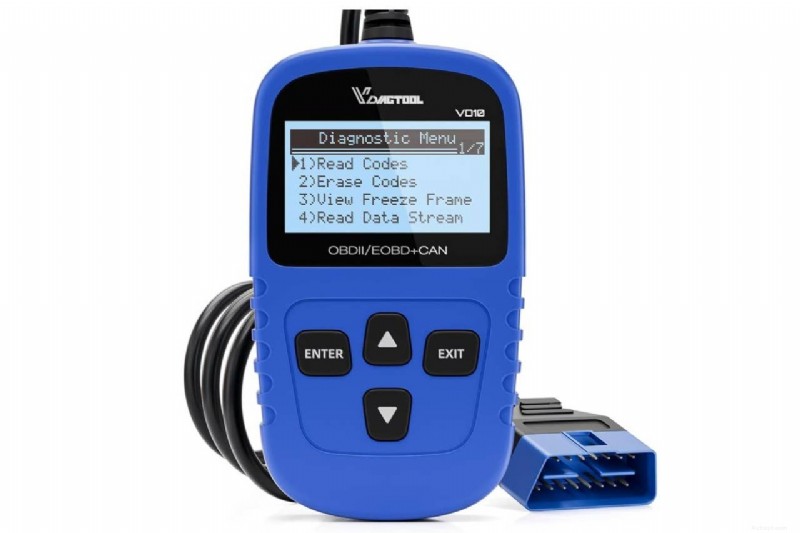
OBD-II scannerAmazon
Common Repairs for P219A
RepairWhen It’s NeededReplace the upstream oxygen sensorThis is the most common fixClean or replace the MAF sensorIf the airflow readings are incorrectRepair any vacuum leaksIf the hoses or gaskets are crackedReplace any leaking fuel injector(s)If an injector imbalance is detectedRepair any exhaust leaksIf the leak is before the O2 sensorReplace the fuel filter or the fuel pumpIf the fuel pressure is lowRepair electrical wiring or connectorsIf the communication signals are faulty
FAQs
Q: How do you fix code P219A?
A: Start by scanning fuel trims and checking for any vacuum or exhaust leaks, especially near the oxygen sensor. The most common fix is to replace the upstream oxygen sensor or clean the MAF sensor.
Q: Can a dirty air filter cause a P219A code?
A: Yes, a blocked or restricted air filter can affect the airflow readings and cause an air/fuel mixture imbalance, especially on older cars.
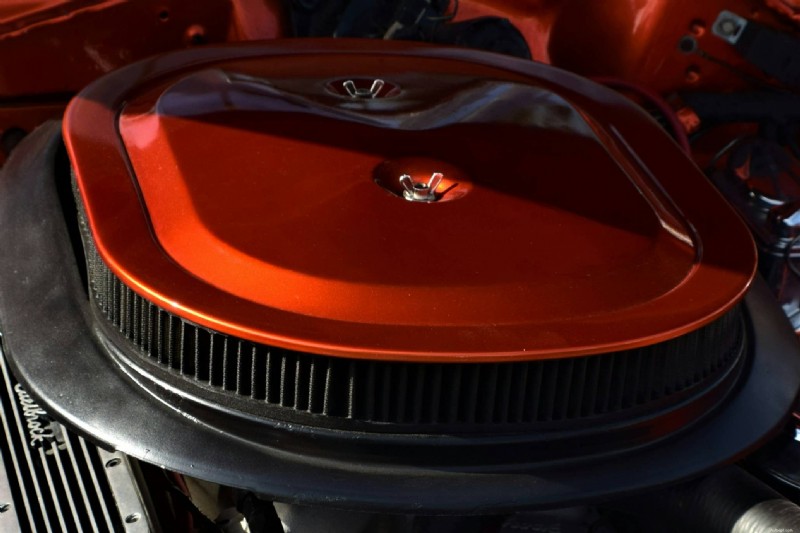
Car air filterPhoto by Terry Jaskiw on Unsplash
Q: What is the code P219A for an O2 sensor, and to which sensor does it apply?
A: This code refers to the upstream O2 sensor on Bank 1. This sensor detects an improper air-fuel mixture.
Q: Can you drive with a P219A code?
A: Over the short term, yes, you can, but continued driving can lead to increased emissions, poor performance, and possible catalytic converter damage if the mixture is too rich.
Q: How to fix the P219F code?
A: The P219F code is for the same issue, but on Bank 2. What this means is that diagnosis and repair steps are identical to those for code P2097.
About the author